
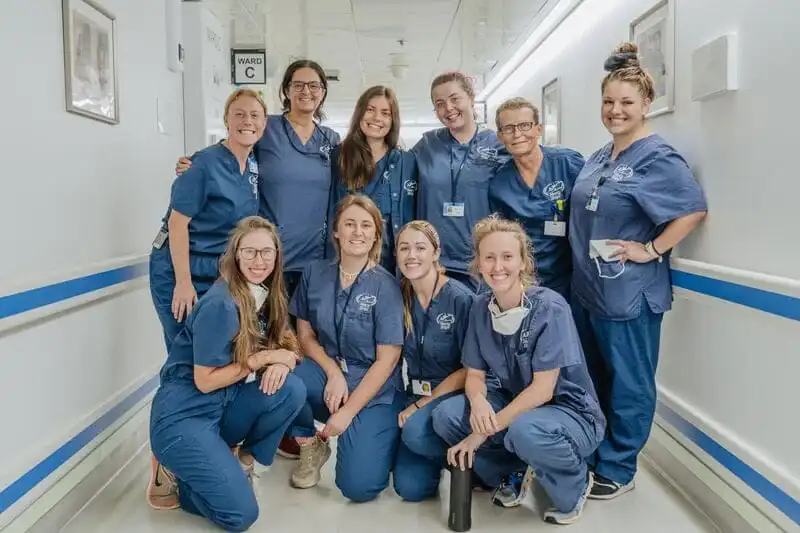
In a world where healthcare resources are often unevenly distributed, international volunteer nurses play a crucial role in bridging gaps in care. These dedicated professionals work in diverse environments, from remote villages to conflict zones, providing essential healthcare services to underserved populations. Their contributions go beyond immediate care, as they actively help improve healthcare outcomes and strengthen local health systems for long-term sustainability. Through their volunteer work, these nurses address critical health challenges such as disease prevention, maternal care, and health education. The ripple effect of their efforts extends far beyond their time in a community, with lasting impacts on local healthcare infrastructure, workforce development, and overall health resilience. By volunteering abroad, nurses also influence global health policies and promote equity in healthcare, ensuring that quality care is accessible to all, regardless of geographic or socioeconomic barriers. This article examines the transformative influence of international volunteer nurses on global health systems.
The Global Health Impact of Volunteer Nurses
International volunteer nurses play a critical role in improving global health, especially in underserved regions. Their work goes beyond individual patient care to include strengthening local healthcare systems and empowering communities. In areas with limited healthcare infrastructure, these nurses provide essential services that prevent outbreaks, control diseases, and reduce mortality rates. They are instrumental in addressing urgent health issues such as infectious diseases, maternal health, and malnutrition.
In addition to direct care, volunteer nurses educate communities about disease prevention and healthy practices, fostering greater health awareness. This proactive approach helps communities develop healthier lifestyles and better manage health challenges in the long term. Through these efforts, volunteer nurses contribute to the creation of more resilient healthcare systems that can handle future challenges. The ripple effect of their work is transformative, ensuring that communities are not only healthier today but are equipped for sustained health improvements in the future.
International Nursing Volunteers and Healthcare Outcomes
The presence of nursing volunteers in low-resource settings significantly enhances healthcare outcomes. Volunteer nurses not only offer direct patient care but also play a crucial role in capacity building by training local healthcare professionals. This hands-on training improves the quality of care and empowers local staff to become more self-sufficient and proficient in providing healthcare. Over time, this results in a more competent workforce capable of managing the community’s healthcare needs independently.
In addition, nurses volunteering abroad contribute to key global health initiatives, tackling widespread challenges such as maternal and child health, disease prevention, and vaccination programs. Their efforts directly influence critical health outcomes, including the reduction of infant mortality rates and the improvement of overall life expectancy. By strengthening healthcare systems in these regions, volunteer nurses leave a lasting impact, ensuring better access to care and healthier communities where resources are limited.
Volunteer Nurses Influence on Worldwide Health
The influence of volunteer nurses extends well beyond their immediate health interventions. By engaging in global health partnerships, these nurses help enhance access to healthcare in remote and underserved areas, ensuring quality care reaches the populations that need it most. Their involvement in cross-border volunteerism facilitates collaboration between diverse healthcare systems, enabling the exchange of knowledge, resources, and best practices across borders. This sharing of expertise plays a critical role in addressing global health challenges. Volunteer nurses significantly contribute to combating diseases like HIV/AIDS, malaria, and tuberculosis by not only providing direct care but also strengthening local healthcare infrastructure. Through training and capacity building, they empower local health workers to better manage these conditions long after they depart. By fostering self-sufficiency in healthcare delivery, volunteer nurses make a lasting impact on global health, helping communities become more resilient to future health crises and improving overall healthcare outcomes.
Nurses Volunteering Abroad and Global Health Systems
When nurses volunteer abroad, they work closely with local healthcare providers to help build stronger, more adaptable healthcare systems. Their expertise in health promotion, disease management, and emergency care enables the local workforce to enhance care delivery and improve overall health outcomes. Through this partnership, volunteer nurses help create sustainable solutions, making health systems more resilient to future challenges, including emerging health crises.
Their involvement also expands the capacity of local healthcare systems to handle population growth and increased demand for services. By training local healthcare professionals, volunteer nurses ensure that healthcare systems can efficiently manage both everyday needs and more complex medical issues. As healthcare systems evolve through these collaborations, they become better equipped to provide care for larger, more diverse populations, helping to ensure that all individuals, regardless of their location, receive the medical attention they need for long-term health and well-being.
Impact of International Nurse Volunteering on Healthcare Delivery
International nurse volunteering has a significant and lasting impact on healthcare delivery in underserved regions. Beyond addressing immediate health crises such as infectious diseases, malnutrition, and injuries from natural disasters, volunteer nurses help establish a foundation for long-term health improvements. They set up community health programs, conduct training workshops, and provide education to local healthcare workers.
These efforts not only improve the quality of care but also help create a more sustainable healthcare model. The systems and resources left behind enable communities to manage their own health more effectively, ensuring that they can continue to thrive without relying solely on external aid. By empowering local healthcare workers and educating the community, volunteer nurses foster a sense of ownership and responsibility for health, which leads to improved overall healthcare outcomes. This lasting influence ensures that the positive effects of international nursing volunteering extend far beyond the volunteers’ time in the region.
Global Health Initiatives and Volunteer Nurses
Global health initiatives addressing issues like health equity, disease prevention, and maternal health would struggle to succeed without the vital contribution of volunteer nurses. These professionals are instrumental in implementing and executing large-scale health campaigns, such as vaccination programs, sanitation projects, and health education initiatives. Their direct involvement on the ground ensures these programs are not only effective but also tailored to meet the specific needs of each community.
Volunteer nurses are central to the global effort to achieve the United Nations Sustainable Development Goals (SDGs), particularly those focused on good health and well-being. Their work bridges gaps in healthcare delivery, ensuring that the benefits of health programs reach the most underserved and vulnerable populations. By actively participating in these global health efforts, volunteer nurses play a crucial role in improving health outcomes, promoting well-being, and making healthcare accessible where it’s needed most.
Improving Health Outcomes Through International Nurse Volunteers
The ripple effect of nurse volunteering abroad is most noticeable in the significant improvements in health outcomes for both individuals and communities. Nurses volunteering in low-resource settings bring invaluable expertise in preventive care, disease management, and health education. Through their efforts, they play a crucial role in reducing the prevalence of communicable diseases, improving maternal and child health, and enhancing overall health literacy.
These volunteer nurses also serve as healthcare educators, empowering local populations with the knowledge to prevent common illnesses, manage chronic conditions, and adopt healthier lifestyle choices. This educational approach not only addresses immediate health concerns but also establishes a foundation for lasting improvements in health across generations. By focusing on prevention, these nurses help create a self-sustaining impact that benefits entire communities, leading to healthier futures and stronger health systems. Their work is pivotal in shaping long-term, positive health changes in underserved areas.
Cross-Border Nursing Volunteerism and Public Health
The role of cross-border nursing volunteerism in public health is vital for addressing global health challenges that extend beyond national boundaries. Volunteer nurses contribute to tackling issues such as pandemics, infectious diseases, and health inequities, ensuring that solutions and best practices are shared across borders. Their involvement in international missions enhances global health resilience, enabling communities to better prepare for and respond to health crises.
By working in partnership with local health systems, volunteer nurses strengthen the capacity of healthcare infrastructure to manage both local and global health threats. Their expertise, training, and support help to create more sustainable health systems that are better equipped to handle emerging health issues. This collaborative approach allows for more effective and coordinated responses to health challenges, ultimately leading to improved health outcomes. The contributions of volunteer nurses are crucial in fostering long-term health security and in bridging the gap between healthcare systems worldwide.
Sustainable Healthcare Development via Volunteer Nurses
One of the most significant contributions of overseas volunteer nurses is their role in sustainable healthcare development. Instead of providing short-term fixes, these nurses focus on creating lasting improvements in healthcare by training local healthcare providers and advocating for essential health policy reforms. Through their work, they introduce innovative and sustainable healthcare practices that can be adapted to local needs, making care more accessible for communities in need.
By fostering local ownership of health initiatives, volunteer nurses empower local healthcare workers to take charge of their healthcare systems. This empowerment helps build self-sufficient health infrastructures that are capable of addressing health challenges independently, reducing the reliance on external aid. Their ongoing support ensures that healthcare systems are stronger, more resilient, and better equipped to manage future challenges. Ultimately, their work helps establish a foundation for long-term health improvements that benefit entire communities, fostering a sense of local responsibility and ownership in healthcare delivery.
Volunteer Healthcare Professionals and Global Health Equity
Volunteer healthcare professionals, especially nurses, are essential in promoting global health equity. By volunteering in underserved regions with limited healthcare resources, they help reduce health disparities and ensure that vulnerable populations receive essential care that might otherwise be unavailable. Their presence in these communities makes a significant difference by providing high-quality medical attention to those who would typically be excluded from such services.
Through their active involvement in public health initiatives, volunteer nurses not only address immediate healthcare needs but also contribute to creating a more just and equitable healthcare system. By learning how to volunteer to become nurses abroad and offering their expertise, they help bridge the gap in care, ensuring that socioeconomic status or geographic location does not determine access to quality healthcare. Their work plays a crucial role in building sustainable healthcare practices and advocating for fair distribution of resources, making healthcare more accessible to those in the greatest need and helping to close the equity gap in global health systems.
Measuring the Long-Term Impact of Volunteer Nurses
While the immediate benefits of nursing outreach programs are often clear, measuring the long-term impact of international volunteer nurses is crucial for fully understanding their contribution to global health. By tracking health outcomes, patient care improvements, and overall community health progress, organisations can assess the effectiveness of volunteer efforts. This data helps determine whether the interventions are yielding sustainable results and highlights areas for further improvement. Long-term evaluations also provide insights into how these programs influence local healthcare systems, such as building local capacity and enhancing health education. The findings guide the development of future volunteer programs, ensuring they address the most critical health challenges and deliver the most effective care possible. By continuously refining these programs, organisations can ensure that international volunteer nurses continue to play a vital role in improving global health outcomes, providing lasting benefits to underserved communities.
Final Thoughts …
The ripple effect of international volunteer nurses is a transformative force in global health. These dedicated professionals do much more than provide direct patient care; they help strengthen healthcare systems, address health disparities, and contribute to long-term sustainable development in underserved regions. By working in areas where resources are limited, volunteer nurses not only improve individual health outcomes but also enhance the overall resilience of local healthcare infrastructures. They play a crucial role in promoting equity and making healthcare more accessible for all, regardless of geographic or socio-economic barriers.
As global health challenges continue to evolve, the impact of volunteer nurses remains critical. Their expertise, compassion, and commitment ensure that people in even the most remote areas have access to the care they need to lead healthier lives. Through their selfless contributions, volunteer nurses are paving the way for a more equitable and healthier future for communities worldwide. If you want to help why not think about donating to a medical charity like Mercy ships to support our endeavour of helping nurses volunteer to help those in medical need in Africa
FAQs
What is the primary goal of international volunteer nursing?
The primary goal is to improve global health outcomes by providing direct care, sharing expertise, and strengthening healthcare systems in areas with critical needs.
How do volunteer nurses contribute to global health equity?
They contribute by bringing essential healthcare services and knowledge to underserved populations, helping to reduce disparities in health access and quality worldwide.
What kind of impact do volunteer nurses have on local healthcare systems?
Volunteer nurses often strengthen local healthcare systems through training, mentoring, introducing new protocols, and supporting infrastructure development, leading to long-term improvements.
Are international volunteer nurses involved in health policy?
While not directly involved in policy making, their field experiences often inform global health discussions and highlight areas where policy changes are needed to improve health outcomes.
How does cultural competence play a role in international volunteer nursing?
Cultural competence is crucial for understanding local customs, beliefs, and healthcare practices, ensuring that care is delivered effectively and respectfully, and fostering trust within communities.
What are some common challenges faced by international volunteer nurses?
Challenges can include resource limitations, language barriers, cultural differences, ethical dilemmas, and adapting to unfamiliar healthcare environments.
How do volunteer nurses contribute to disease prevention globally?
They contribute by educating communities on hygiene, vaccinations, and healthy living, as well as participating in public health campaigns and early detection efforts.
Do volunteer nurses assist in disaster relief efforts?
Yes, many international volunteer nurses are vital responders in humanitarian crises and natural disasters, providing immediate medical aid and supporting recovery efforts.
What is “capacity building” in the context of volunteer nursing?
Capacity building refers to empowering local healthcare professionals and communities by transferring knowledge, skills, and resources, enabling them to sustainably manage their own health needs.
How do volunteer nurses impact maternal and child health worldwide?
They often provide prenatal and postnatal care, assist in deliveries, educate mothers on childcare, and support vaccination programs, significantly reducing maternal and child mortality rates.
What is the long-term impact of international nursing missions?
The long-term impact includes improved health literacy, stronger local health workforces, increased access to essential services, and more resilient health systems.
Are there opportunities for nurses to volunteer in mental health globally?
Yes, there’s a growing need for mental health professionals, including nurses, to volunteer internationally, helping to address stigma and provide care in areas with limited services.
How do volunteer nurses facilitate knowledge transfer in global health?
They facilitate knowledge transfer by demonstrating best practices, conducting workshops, and engaging in collaborative learning with local healthcare providers.
Do volunteer nurses receive training before their international assignments?
Many reputable organisations provide pre-departure training on cultural sensitivity, ethical considerations, security protocols, and specific health challenges of their destination.
What role do volunteer nurses play in addressing health disparities?
They actively work to reduce health disparities by bringing care and education to marginalised and underserved populations who otherwise lack access.
How do volunteer nurses contribute to health promotion abroad?
They engage in health promotion by conducting community outreach, teaching about disease prevention, nutrition, and healthy lifestyles, and empowering individuals to make informed health choices.
What is the ripple effect on the volunteer nurses themselves?
Volunteers often gain invaluable professional experience, develop enhanced problem-solving skills, improve cultural understanding, and experience deep personal growth.
Are there specific areas of the world where international volunteer nurses are most needed?
Needs are significant in low-income countries, conflict zones, and areas affected by natural disasters, particularly in Sub-Saharan Africa, parts of Asia, and Latin America.
How can someone find reputable international volunteer nursing opportunities?
Reputable opportunities can be found through well-established non-governmental organisations (NGOs), international aid agencies, university programs, and professional nursing associations.
Beyond direct care, what other contributions do volunteer nurses make?
Beyond direct care, they contribute to data collection for public health, participate in community assessments, advocate for health needs, and support the logistical aspects of health campaigns.
Recent Comments