
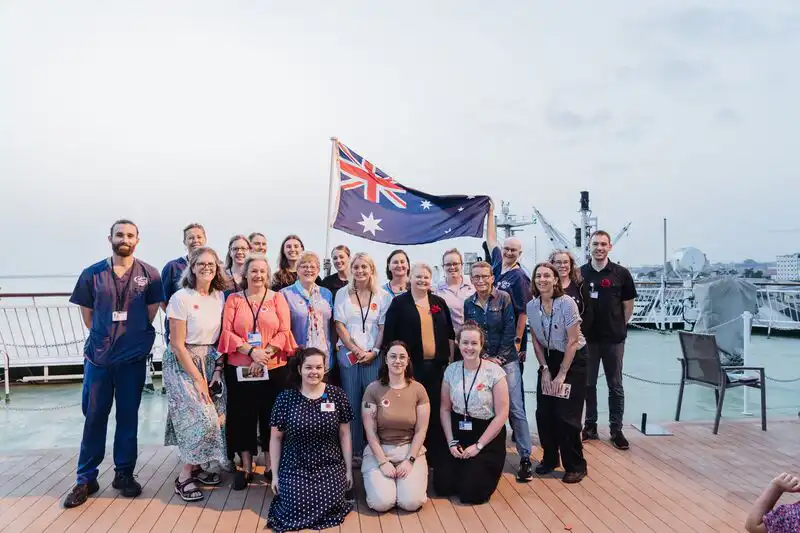
Volunteering on a Mercy Ship offers a life-changing experience that goes beyond just service. It is an opportunity to contribute to a global cause while embarking on an exciting adventure at sea. For Australians, this is a chance to combine humanitarian work with the thrill of living aboard a floating hospital, making a real difference in communities that need it the most. Whether you are a medical professional or someone eager to help in a non-medical role, Mercy Ships provides a platform for everyone to get involved and make an impact.
In this guide, we will explore everything you need to know before you set sail with Mercy Ships. From volunteer opportunities to the realities of life aboard a hospital ship, we will walk you through what to expect and how to prepare. This guide is designed to ensure you are fully informed and ready to embark on this unforgettable and fulfilling volunteer journey.
Who are Mercy Ships?
Mercy Ships is a humanitarian organisation that operates floating hospitals to provide free, life-saving medical care to people in developing countries. Through their hospital ships, they offer essential services such as surgeries, dental care, and eye treatments to communities in need. Mercy Ships’ mission goes beyond healthcare, as it also focuses on education and community development, creating lasting change in the regions they serve.
For Australians interested in international volunteering abroad, Mercy Ships offers a unique opportunity to make a significant impact while living and working at sea. Volunteers can join the crew in various roles, contributing their skills to improve the lives of those in need. By volunteering with Mercy Ships, you not only help transform communities but also gain valuable personal and professional experience in a truly rewarding environment.
Why Australians Choose to Volunteer on Mercy Ships
For many Australians, volunteering with Mercy Ships presents a unique opportunity to combine professional expertise with a deep desire to make a difference in the world. Whether in the medical field or through non-medical roles, Australians are eager to contribute to global healthcare missions and humanitarian efforts. Mercy Ships offers a variety of volunteer opportunities, making it accessible to a wide range of individuals, regardless of their background. The chance to serve in underprivileged communities allows Australians to make a direct impact, providing much-needed medical care to those who would otherwise have limited access. In addition to the professional satisfaction, the experience of working alongside people from diverse cultures is invaluable. Australians are motivated by the opportunity to witness firsthand the transformative power of healthcare, knowing that their efforts help improve lives in areas where the need is most urgent. Volunteering with Mercy Ships is an enriching experience for both the individual and the communities served.
Volunteer Roles on Mercy Ships
When volunteering with Mercy Ships, a variety of roles are available for both medical and non-medical volunteers. Medical professionals such as surgeons, anaesthetists, nurses, and dental specialists are essential to providing life-saving treatments. These volunteers are responsible for performing surgeries, offering essential healthcare, and making a lasting impact on the communities served by the ships. Their expertise is crucial in addressing critical medical needs in underserved regions.
Non-medical volunteers also play an integral part in the operations of the Mercy Ships. These roles include logistics, administration, catering, hospitality, and education. Volunteers in these positions ensure the smooth functioning of the ship and help maintain a comfortable and efficient environment for the medical staff and patients. With such a diverse range of positions, there is truly a place for everyone to contribute to the Mercy Ships mission, regardless of their professional background.
What to Expect from Mercy Ships Volunteer Life
Mercy Ships volunteer life offers a truly unique experience, combining hard work with a strong sense of community. Living aboard the ship for the duration of your service, you’ll become part of a close-knit crew committed to a common cause. The ship functions as both your workplace and home, creating a dynamic environment where you’ll share living spaces and meals with fellow volunteers from around the world. This close community fosters a supportive atmosphere, making it easier to adjust to the challenges of life at sea.
The experience is both professionally and personally enriching. As you contribute to the medical missions and humanitarian work, you’ll develop new skills, gain valuable experience, and build meaningful relationships. The sense of fulfilment comes not only from the work you do but also from the connections you make and the lives you impact. Volunteering with Mercy Ships is an opportunity to grow in ways you might never have imagined.
The Realities of Living on a Mercy Ship
The realities of living on a Mercy Ship can be quite different from what many might expect. Volunteers live in close quarters, sharing cabins with other crew members. Space can be limited, and the accommodations are basic, so it’s essential to be prepared for this aspect of ship life. The work can be physically demanding, as the days can be long and intense, with volunteers taking on various responsibilities, often in high-pressure situations. However, the environment is incredibly supportive, and the shared sense of purpose creates a tight-knit community where everyone works towards the same goal. This camaraderie helps ease the challenges, with many volunteers finding the experience to be deeply fulfilling. While the conditions may not always be luxurious, the opportunity to make a real impact on people’s lives makes it all worthwhile. The sense of purpose and the relationships formed make life on a Mercy Ship unforgettable.
What You Need to Know About Mercy Ships Volunteer Requirements
Mercy Ships volunteer requirements differ based on the role you’re applying for. Medical professionals must meet specific qualifications and have relevant clinical experience. For non-medical volunteers, flexibility, adaptability, and a strong commitment to the mission are key. Volunteers must also meet minimum age and health standards and undergo necessary screenings before departure. It’s crucial to carefully review the Mercy Ships application process to ensure you meet all the necessary criteria for your role. This includes submitting your application, providing references, and ensuring your medical records are up to date. Understanding these requirements helps to ensure a smooth transition and prepares you for the challenges of life aboard the ship. Whether you’re serving in a medical or non-medical capacity, the role will require dedication and a willingness to immerse yourself in the Mercy Ships community, contributing to the humanitarian cause.
The Application Process: How to Become a Mercy Ships Volunteer
The application process for volunteering on a Mercy Ship begins with filling out an online application form, which asks for personal details, relevant experience, and a statement of interest. You’ll also need to submit references from individuals who can attest to your skills and character. Depending on the role you’re applying for, additional documentation such as medical certifications may be required. After submitting the application, you will undergo a medical assessment to ensure you are fit for life aboard the ship.
Once accepted, Mercy Ships provides training and orientation to all new volunteers. This prepares you for the unique challenges of working on a floating hospital and life at sea. The training covers safety protocols, cultural sensitivity, and an overview of the organisation’s mission. It’s crucial to complete all required steps and ensure you are ready for the experience before embarking on your mission, as this ensures a smooth transition into your volunteer role.
Mercy Ships Accommodations: What to Expect
Living aboard a Mercy Ships vessel means becoming part of a tight-knit, diverse community. While the accommodations are functional, they are not luxurious. Most volunteers stay in shared cabins, and space can be limited. The simplicity of the living arrangements reflects the humanitarian focus of the mission. While privacy is often minimal, the sense of camaraderie among volunteers makes this an enjoyable aspect of the experience. Volunteers from all over the world come together to share meals, engage in activities, and support one another through both challenging and rewarding moments.
Though the living conditions are basic, they encourage a strong sense of unity. Volunteers often form lasting friendships, and the bonds created in such an environment are deeply meaningful. Being prepared for the realities of life aboard a Mercy Ships vessel helps volunteers embrace the experience, and for many, it becomes a cherished chapter of their lives, filled with memories and growth.
The Impact of Volunteering on Mercy Ships
The impact of volunteering on Mercy Ships is profound and far-reaching. Each day, volunteers aboard these hospital ships provide critical care to communities in dire need, offering life-saving surgeries, dental services, and essential medical support. Their efforts help to alleviate suffering and give hope to individuals who would otherwise have limited access to healthcare.
Beyond medical care, Mercy Ships also plays a vital role in empowering local populations through education and training. Volunteers contribute not only by providing direct assistance but also by helping to build long-term solutions for healthcare sustainability in these regions. For Australians passionate about making a real difference, volunteering on Mercy Ships offers a unique and meaningful opportunity to be part of a global movement that transforms lives and communities.
The Emotional Reward of Volunteering Abroad
Volunteering abroad, especially on a Mercy Ship, offers profound emotional rewards that extend far beyond the medical care provided. Volunteers frequently describe the deep sense of fulfilment they experience when they witness the life-changing impact of their work. Whether it’s performing life-saving surgery or simply offering comfort through a smile, the connection with patients and the gratitude they express is something that stays with volunteers long after they leave the ship.
The emotional journey of volunteering is also tied to the relationships formed with fellow crew members. Working alongside a diverse group of people, united by a common purpose, creates a strong sense of community. The shared experience of serving others, often in challenging conditions, fosters deep bonds that make the experience even more rewarding. For many, the emotional growth and sense of purpose they gain from this service is what makes volunteering abroad truly life-changing.
Mercy Ships Volunteer Stories: Real-Life Experiences
Mercy Ships volunteer stories are a treasure trove of inspiring experiences that highlight the life-changing impact of serving aboard these hospital ships. Volunteers often share how the opportunity to provide life-saving care in underserved communities has not only transformed the lives of patients but also shaped their personal growth. Many medical professionals speak of expanding their skills in challenging environments, while non-medical volunteers discover a newfound passion for humanitarian work that stays with them long after their service ends.
These real-life experiences offer powerful insight into the unique nature of volunteering on Mercy Ships. Volunteers describe the bonds they form with fellow crew members and the joy of making a tangible difference in people’s lives. For many, the experience becomes more than just a mission; it becomes a calling. These stories are a testament to the deep fulfilment that comes from serving others and the lasting impact that Mercy Ships continues to have worldwide.
Final Thoughts …
Volunteering on a Mercy Ship is a unique experience that requires dedication, resilience, and a strong desire to help those in need. While it may not be for everyone, for Australians willing to face the challenges, the rewards are profound. Serving aboard a hospital ship offers the chance to work alongside like-minded individuals from around the world, all focused on providing life-saving medical care to underserved communities.
The experience goes beyond professional development, as volunteers form deep, lasting connections with patients and crew members. It’s an opportunity to make a meaningful difference while learning and growing both personally and professionally. If you’re ready to embark on a journey that will not only change lives but also shape your own, volunteering on Mercy Ships could be the adventure of a lifetime.
FAQs
What is the typical duration for volunteering on a Mercy Ship?
The minimum commitment is usually two weeks for medical professionals and one year for long-term crew, though this can vary depending on the specific role and the needs of the ship.
Are there opportunities for non-medical volunteers?
Yes, approximately half of the crew are non-medical. Roles are available in areas such as marine engineering, hospitality, administration, IT, finance, education, and transport.
Do I need to pay to volunteer with Mercy Ships?
Yes, most volunteers are responsible for covering their own crew fees, which help to cover room and board, as well as their own travel and personal expenses.
What are the age requirements for volunteering?
Applicants must be at least 18 years old to volunteer. Some family-friendly cabins are available for those with children.
How can Australians apply to volunteer?
Australians can apply through the official Mercy Ships website. The process involves submitting an online application, providing references, and undergoing an interview.
What is daily life like on a Mercy Ship?
Life on board is similar to a small, close-knit community. Crew members live and work together, with amenities including a galley, cafe, library, and gym. Work schedules are typically 40-45 hours per week.
What is the community like on board?
The crew is made up of volunteers from over 60 different nations, creating a diverse and vibrant community. Shared living spaces and organised activities foster a strong sense of camaraderie.
Do I need to have a specific religious background to volunteer?
Mercy Ships is a faith-based organisation. While volunteers are expected to respect the organisation’s values and ethos, people from all backgrounds are welcome to apply.
Do I need to be fluent in a specific language?
English is the working language on board, and proficiency is required for all positions to ensure effective communication and safety.
What are the physical requirements for volunteering?
Volunteers must be in good health and able to meet the physical demands of living and working on a ship. A physical examination is a mandatory part of the application process.
Can families volunteer together on a Mercy Ship?
Yes, Mercy Ships welcomes families to serve together. The ships have an accredited school on board for children of long-term crew members.
What kind of medical skills are most needed?
There is a consistent need for surgeons, nurses, anaesthetists, and other medical professionals to staff the hospital.
What happens if the ship is at sea?
Mercy Ships vessels spend the majority of their time in port during field service. The time at sea is generally for repositioning between countries or for shipyard maintenance.
How long is a typical field service in a host country?
A Mercy Ship typically docks in a host country for around 10 months at a time, providing a consistent presence and allowing for extensive surgical and training programmes.
Can I receive financial assistance for my volunteer service?
Financial support is available for some long-term volunteers and those in critical maritime roles. There are also resources to assist volunteers with fundraising.
What kinds of things are there to do in my free time?
In their free time, volunteers can participate in social gatherings on the ship, use on-board amenities, or explore the local culture and communities in the host nation.
What are the accommodations like on a Mercy Ship?
Cabins are typically shared with other volunteers, with a limited number of single or family cabins available for specific roles and commitments.
What is the application process like?
The application process is multi-step and includes submitting a form, an interview, and a background check. Once accepted, a volunteer is placed on a waiting list for a suitable role.
Is there a way to volunteer for Mercy Ships from Australia without going on a ship?
Yes, Mercy Ships has a team in Australia that supports the mission through fundraising, awareness, and administrative roles.
How do Mercy Ships ensure the safety of their volunteers?
The safety of the crew is a top priority. The ships have dedicated security officers and maintain strict security protocols in all locations.
Recent Comments