
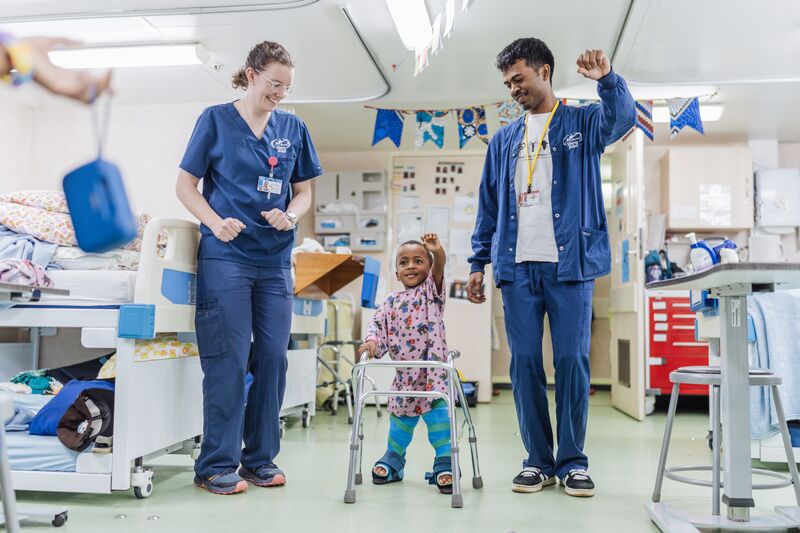
Medical volunteering as a physiotherapist or rehab specialist presents a unique chance to make a meaningful impact in communities where healthcare resources are limited. For Australian professionals, the opportunity to join medical missions such as those organised by Mercy Ships offers a way to use their expertise in places where it can make a real difference. By providing rehabilitation for surgical patients or working with children in need of physiotherapy, these volunteers contribute directly to improving mobility and overall health outcomes.
Australian physiotherapists, occupational therapists, and rehab specialists play a crucial role in global health initiatives by offering their skills and knowledge where they are most needed. These professionals not only help individuals regain movement and independence but also support the development of healthcare systems in underserved regions. Through these efforts, Australian volunteers contribute to sustainable healthcare solutions, improving quality of life for countless individuals and helping to build lasting healthcare capacity in the communities they serve.
The Mission of Mercy Ships
Mercy Ships is a humanitarian organisation that operates hospital ships, providing essential medical care to communities in developing countries. These ships travel to regions in Africa and beyond, where healthcare resources are scarce and limited. The services offered by Mercy Ships include a wide range of medical specialties, with a particular focus on surgery, rehabilitation, and post-surgical care. For Australian physiotherapists and rehab specialists, this presents a unique opportunity to use their skills in a global context, helping restore mobility and improve quality of life for individuals who otherwise might not have access to these services.
Australian physiotherapists play a vital role in these missions by offering musculoskeletal treatments, post-surgical rehabilitation, and therapies designed to enhance recovery and mobility. These professionals not only assist in treating patients but also contribute to long-term healthcare development in the regions served. Through this work, Australian physiotherapists help improve healthcare outcomes and deliver critical rehabilitation to those in desperate need.
How Physiotherapists Contribute to Global Health
Physiotherapists play a crucial role in global health by using their expertise in movement and rehabilitation to help people recover from surgeries, injuries, and chronic conditions. On missions like those organised by Mercy Ships, physiotherapists offer both short-term and long-term care, working with patients to improve mobility, relieve pain, and restore daily function. Their treatments are vital in helping individuals regain independence and quality of life, especially in areas where access to healthcare is limited.
In addition to treating patients, physiotherapists volunteering with Mercy Ships also contribute to the development of local healthcare systems in underserved regions. By mentoring local healthcare professionals and sharing rehabilitation techniques, they help build capacity for sustainable care. This not only improves immediate patient outcomes but also ensures that communities can continue to access high-quality rehabilitation services long after the mission has ended, leaving a lasting impact on healthcare in those regions.
The Role of Occupational Therapists in Medical Missions
Occupational therapists play a crucial role in the healthcare team aboard Mercy Ships, offering a unique skill set that complements the physical rehabilitation efforts provided by physiotherapists. Their focus is on enabling patients to regain independence by adapting their environment and daily activities to suit their needs. This involves working with individuals to develop strategies for performing tasks like dressing, cooking, or managing personal hygiene, even in the face of physical challenges.
Post-Surgical Rehabilitation on Mercy Ships
Post-surgical rehabilitation is a key area where physiotherapists volunteering on Mercy Ships make a significant impact. Patients who have undergone major surgeries heavily on physiotherapists to help them regain function and independence. These surgeries can be life-changing, but the recovery process requires expert care and tailored rehabilitation to ensure a successful outcome.
Physiotherapists provide essential treatments that focus on strengthening muscles, improving flexibility, and increasing mobility. Through specific exercises and hands-on techniques, they help patients rebuild physical strength and restore movement. These rehabilitation efforts are vital for long-term recovery, as they not only improve physical health but also contribute to a patient’s overall well-being. For Australian physiotherapists volunteering with Mercy Ships, this work allows them to apply their expertise in challenging, yet rewarding, environments, all while making a lasting difference in patients’ lives and contributing to global healthcare efforts.
Paediatric Physiotherapy Volunteering
Paediatric physiotherapy volunteering offers Australian physiotherapists the opportunity to make a significant impact on children with physical disabilities or congenital conditions in developing countries. Many children in these regions lack access to essential care, and as part of the Mercy Ships team, physiotherapists can provide specialised rehabilitation that may not be available locally. The work involves assessing the child’s physical condition and creating a tailored rehabilitation plan to improve motor skills, strength, and mobility.
For Australian physiotherapists, this volunteer work not only helps children regain functional independence but also supports their healthy development. By using techniques learned in Australia’s well-regarded physiotherapy programs, physiotherapists working abroad can adapt their knowledge to local needs, making a profound difference. The role also provides an enriching experience for professionals, allowing them to work in challenging environments and develop new skills. Volunteering in paediatric physiotherapy abroad is a rewarding way to contribute to global health and the future of children in need.
Restoring Mobility Through Orthopaedic Rehabilitation
Orthopaedic surgeries and the ongoing rehabilitation plays a crucial role in the physiotherapy services provided by Mercy Ships. Many patients, particularly in underserved regions, experience bone fractures, joint problems, or musculoskeletal pain, which can significantly hinder their ability to carry out everyday tasks. As physiotherapists on Mercy Ships, Australian professionals are essential in helping these individuals regain strength, restore mobility, and alleviate discomfort through targeted exercises and therapeutic interventions.
This rehabilitation process is not just about improving physical mobility; it also has a profound impact on the mental well-being of patients. By restoring their ability to perform daily activities, patients gain a renewed sense of independence and confidence. Australian physiotherapists on board these missions play a vital role in helping individuals lead a better quality of life, supporting both their physical recovery and emotional healing. Through this holistic approach to rehabilitation, physiotherapists contribute to the overall well-being of patients in need of care.
Volunteer Roles for Physiotherapists Overseas
For Australian physiotherapists, volunteering overseas with Mercy Ships provides a rare opportunity to grow professionally while making a significant impact on communities in need. The chance to work in diverse settings allows physiotherapists to expand their knowledge and skills, particularly in treating conditions and injuries that may not be encountered in typical Australian clinical practice. This experience is invaluable in adapting to different healthcare environments and understanding the challenges faced by underserved populations.
In addition to broadening their clinical expertise, volunteering with Mercy Ships also gives Australian physiotherapists the chance to collaborate with a global network of healthcare professionals. They contribute to restoring mobility for individuals who have limited access to essential healthcare. Volunteering not only improves the lives of those in need but also enhances the physiotherapists’ career prospects, as they return with unique international experience and a deeper understanding of healthcare disparities, which is highly valued in Australia’s evolving healthcare system.
Building Local Healthcare Capacity
Building local healthcare capacity is one of the key long-term goals of Mercy Ships. Australian physiotherapists and rehab specialists are pivotal in this process by sharing their expertise and training local healthcare workers in rehabilitation techniques. By mentoring local professionals, volunteers ensure the continuity of high-quality care, even after the mission has ended. This capacity-building approach supports the establishment of sustainable healthcare systems in regions where access to professional training is limited.
Through hands-on mentoring and teaching, physiotherapists help empower local practitioners to take on more responsibility in their communities. Australian volunteers teach effective rehabilitation methods, ensuring that local healthcare workers are equipped with the knowledge and skills to continue treating patients effectively. This ongoing support strengthens the local healthcare infrastructure, allowing communities to become more self-reliant and better able to manage the long-term healthcare needs of their populations. The focus on capacity building ensures that the positive impact of these missions extends far beyond the duration of the medical ships’ stay.
Supporting Surgical Recovery in Developing Nations
Mercy Ships play a crucial role in supporting surgical recovery in developing nations, where access to post-operative care can be limited. Volunteers, including Australian physiotherapists, provide vital rehabilitation services to help patients recover from surgery. They guide individuals through rehabilitation exercises and therapeutic interventions, which are essential in helping patients regain mobility, strength, and independence.
This post-surgical care is not only about physical recovery; it also addresses the emotional and psychological aspects of healing. The support given ensures that patients can return to their daily lives with confidence, improving their overall quality of life. For Australian volunteers, this work offers a meaningful way to contribute to healthcare in communities that need it most, allowing them to make a lasting difference in the lives of individuals who may otherwise face barriers to recovery. Through this work, Mercy Ships helps to restore dignity and independence to people across Africa and other underserved regions.
The Impact of Volunteering on Australian Physiotherapists
Volunteering with Mercy Ships offers Australian physiotherapists the chance to broaden their professional experience while making a meaningful impact on communities in need. By working in resource-limited environments, physiotherapists gain exposure to diverse clinical cases, often encountering conditions and rehabilitation needs that are rare in Australia. This experience not only improves their clinical skills but also enhances their adaptability and problem-solving abilities, making them more effective practitioners upon their return.
In addition to professional growth, Australian physiotherapists develop valuable cultural insights, learning to navigate healthcare systems and patient care in different cultural contexts. This experience fosters a deeper understanding of global health challenges and the crucial role physiotherapy plays in improving mobility and quality of life. Volunteers return to Australia with a renewed appreciation for the significance of physiotherapy in global healthcare, equipped with new skills and a broader perspective that can inform their practice in Australia and beyond.
Long-Term Benefits of Volunteering for Allied Health Professionals
Long-term volunteering with organisations like Mercy Ships offers significant benefits for Australian allied health professionals. By working in diverse settings and with people from different backgrounds, these professionals gain a unique perspective on healthcare that often challenges their existing practices. This experience helps them develop a deeper understanding of how healthcare can be delivered in resource-limited environments and broadens their approach to patient care when they return to Australia.
Moreover, volunteering overseas allows allied health professionals to contribute to global health initiatives and sustainable healthcare development. Their work on medical missions helps build local capacity in developing nations, ensuring that healthcare systems are more resilient and self-sustaining. This experience also strengthens their skills and enhances their career prospects, allowing them to bring new ideas and solutions to the Australian healthcare landscape. Volunteering not only benefits the communities served but also enriches the professional journey of those who participate.
How Australian Volunteers Can Get Involved
Getting involved with Mercy Ships as a volunteer physiotherapist or rehab specialist is a straightforward process for Australian professionals. The first step is to visit the volunteer section on the Mercy Ships Australia website, where you can explore the various volunteer roles available. You will also find information on the application process, including necessary qualifications and expectations for volunteers. Once your application is reviewed, you can be considered for upcoming medical missions to regions in need, including those in Africa.
Volunteering with Mercy Ships allows Australian physiotherapists to contribute to vital community-based rehabilitation efforts in underserved areas. It provides the opportunity to work alongside other healthcare professionals, helping to restore mobility and improve quality of life for individuals who may otherwise not have access to proper care. Whether it’s through providing post-surgical rehabilitation or working with paediatric patients, these missions offer an impactful way to make a lasting difference in global health while gaining invaluable professional experience.
Final Thoughts …
The work of physiotherapists and rehab specialists in global health efforts, particularly with organisations like Mercy Ships, has a profound impact. Volunteers provide expert care that not only restores mobility and improves the quality of life for individuals but also plays a vital role in building local healthcare capacity. For Australian physiotherapists, this is an opportunity to directly contribute to the health and well-being of people in developing nations while expanding their professional skills in a meaningful way.
For Australian physiotherapists considering volunteer opportunities, Mercy Ships offers a chance to be part of something truly transformative. By volunteering, they can make a lasting difference in the lives of those who need care the most, while also gaining invaluable international experience. Whether helping to restore mobility or assisting with long-term healthcare development, volunteering on Mercy Ships presents an unparalleled opportunity to make a positive impact globally.
FAQs
What are the primary roles for a volunteer physiotherapist on Mercy Ships?
Volunteer physiotherapists focus on pre-operative assessments and post-surgical rehabilitation, particularly for paediatric orthopaedic and burns patients, helping to restore long-term mobility and function.
Do I need a specific qualification to volunteer for global rehab missions?
Yes, you must be a fully qualified and registered physiotherapist with an active licence in your home country, such as AHPRA registration in Australia, to practise on board.
Is there a minimum clinical experience requirement for physiotherapists?
Most roles require at least two years of independent clinical experience, ideally with exposure to orthopaedics, paediatrics, burns care, or wound management.
What are the most common conditions treated by the rehabilitation team?
The team commonly treats congenital orthopaedic conditions such as clubfoot, severe burn contractures, and other mobility-limiting conditions requiring post-surgical rehabilitation.
How does paediatric physiotherapy differ in a hospital ship environment?
Therapy often focuses on intensive short-term mobilisation following surgery, using play-based techniques to encourage movement and participation from young patients.
Can Australian physiotherapy students apply for volunteer roles?
Most clinical roles require full qualification, although students may occasionally apply for support roles or structured elective placements if available.
What is the minimum time commitment for a physiotherapy volunteer?
To ensure continuity of care, most physiotherapy positions require a minimum commitment of around three months during a field service.
Are there opportunities for hand therapists on board?
Yes, specialised hand therapists are highly valued, particularly for supporting patients recovering from reconstructive plastic surgery.
How is mobilisation of patients managed post-surgery?
Physiotherapists collaborate closely with surgeons and nurses to begin early mobilisation, reducing complications and supporting optimal recovery.
What orthopaedic equipment is available for rehabilitation?
The ships are equipped with dedicated rehabilitation clinics, including parallel bars, therapeutic exercise equipment, and facilities for fabricating splints and custom orthotics.
Is clinical mentoring part of the volunteer experience?
Yes, volunteers play a key role in mentoring local healthcare staff, contributing to long-term capacity building within the host nation’s health system.
Are there specific medical requirements for volunteers?
All volunteers must meet health standards, including up-to-date immunisations and sufficient physical fitness for life and work on a ship.
What is the language of communication on the ship?
English is the primary language for documentation and team communication, although French can be helpful when working with patients in parts of West Africa.
How do I apply for a physiotherapist role from Australia?
Applications are submitted online and typically require a CV, proof of professional registration, and clinical references.
What kind of support is provided for post-operative burns patients?
Rehabilitation includes structured stretching programmes, splinting, scar management, and functional exercises to restore movement and prevent further contractures.
How does the rehabilitation team handle cultural and language barriers?
Volunteers work alongside local day crew who assist with translation and cultural guidance, ensuring patients understand and follow their rehabilitation plans.
What is the living situation like for medical volunteers?
Volunteers live in shared cabins on board, forming a close community of international healthcare professionals and support staff.
Are there short-term roles for specialised rehabilitation consultants?
Most rehabilitation roles require longer commitments, though occasionally highly specialised consultants may be needed for shorter assignments.
How does volunteering abroad benefit a physiotherapist’s career?
It offers exposure to complex clinical cases, strengthens cross-cultural communication skills, and provides valuable experience in global health practice.
Is there a focus on sustainable healthcare development?
Yes, rehabilitation work includes training and mentoring local professionals to ensure skills and services continue after the ship departs.
What is the Global Mercy compared to the Africa Mercy?
The Global Mercy is the largest purpose-built civilian hospital ship, featuring expanded clinical and training facilities compared to the Africa Mercy.
Can I volunteer as part of a married couple?
Yes, married couples are welcome, although both individuals typically need to fill an available volunteer role.
What is the role of the rehabilitation team in patient screening?
Physiotherapists often assist during screening days to assess which patients are suitable candidates for surgery and rehabilitation support.
Recent Comments