
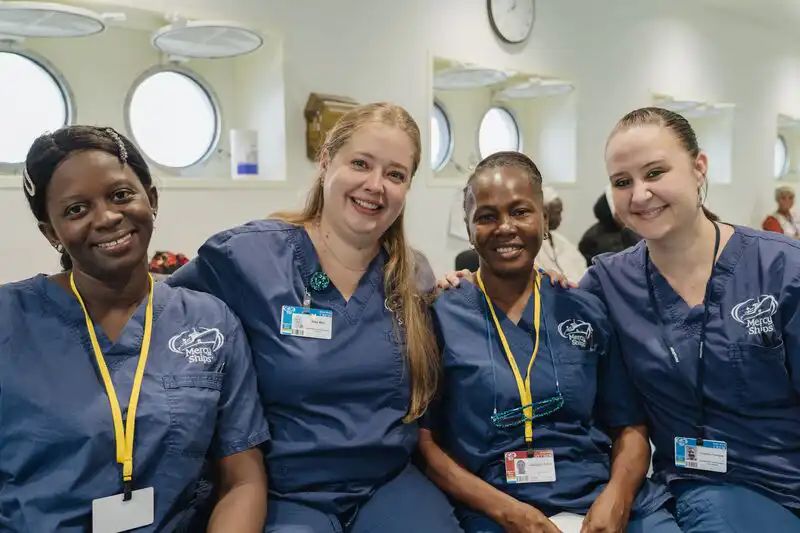
In today’s fast-paced, career-driven world, finding balance between work, personal growth, and the desire to give back to society can be a challenge. For healthcare professionals and employees across various industries, the idea of a career break for service offers a unique opportunity to both recharge and make a meaningful impact. Volunteering on a hospital ship is one of the most rewarding ways to achieve this, as it combines humanitarian aid with professional development. Whether you opt for a sabbatical for service or simply wish to take leave for volunteering, hospital ships provide a chance to explore new horizons while contributing to global health initiatives.
If you feel the calling to give back while maintaining a successful career, then balancing career and volunteering might be the perfect solution. In this article, we will explore how taking leave for volunteering can foster personal growth, promote professional development, and allow you to make a tangible difference in the lives of others across the world.
The Rise of Volunteering During Career Breaks
Volunteering during a career hiatus for service has gained significant popularity in recent years. More professionals, particularly in the healthcare sector, are recognising the importance of taking meaningful breaks from their careers to contribute to causes that resonate with their values. A sabbatical for service not only provides an opportunity to give back to the global community but also allows individuals to experience personal growth, develop new skills, and find purpose beyond their usual professional roles.
Whether through short-term volunteering on a hospital ship or a more extended commitment, these breaks enable professionals to engage in humanitarian work, making a tangible impact in regions where healthcare services are limited. By taking time off to volunteer, individuals not only enhance their own expertise but also provide invaluable support to communities in need, all while gaining a renewed sense of purpose and perspective that can deeply enrich their personal and professional lives.
Taking Leave for Volunteering: A Career-Boosting Decision
Many companies now acknowledge the significant benefits of allowing employees to take service leave from work for humanitarian efforts, such as volunteering on a hospital ship. This opportunity not only supports global health initiatives but also provides employees with the chance to grow personally and professionally. Whether in a medical or logistical role, the experience of volunteering in such a unique environment enhances vital skills, including problem-solving, leadership, and adaptability, which are transferable to everyday work challenges.
The insights and knowledge gained through volunteering with an overseas charity can have a lasting impact on your career. The practical experience of working in diverse, high-pressure situations can improve your ability to navigate complex scenarios and work collaboratively. Upon returning, employees often find that their enhanced skill set allows them to perform more effectively in their roles, demonstrating how professional development and volunteering can complement each other.
Volunteering on a Hospital Ship: A Unique Opportunity
One of the most rewarding ways to give back while enhancing your professional skills is by volunteering on a hospital ship. These unique floating healthcare facilities bring essential medical services to some of the world’s most underserved communities, providing life-changing care where it is most needed. Whether you’re a healthcare professional or someone with a different skill set, there are a variety of roles available that allow you to contribute meaningfully.
Volunteering on a hospital ship also offers the opportunity to work in a diverse, multicultural environment. You’ll be exposed to a wide range of global health challenges, gaining invaluable experience that can expand your professional horizons. It’s an incredible chance to not only make a tangible difference in the lives of individuals but also develop a deeper understanding of global healthcare systems and the disparities that exist across different regions. Through this experience, you’ll return with a renewed sense of purpose and professional growth.
Hospital Ship Volunteer Opportunities: From Doctors to Engineers
Hospital ships provide a broad range of volunteer roles, catering to people with various skill sets and backgrounds. While many may think that only medical professionals are needed, hospital ships rely on a diverse team to make their missions successful. Volunteers can contribute in many ways, whether as volunteer doctors, nurses, or surgeons providing essential healthcare services, or engineer volunteers ensuring the ship runs efficiently.
In addition to medical roles, there are numerous other positions where volunteers can make a significant impact. Logistics volunteers play a vital role in coordinating supplies, while deck crew volunteers help maintain the vessel and ensure the safety of all on board. Even chaplain volunteers are crucial, offering emotional and spiritual support to both the crew and patients. This wide variety of roles ensures that anyone, regardless of their professional background, can join in the mission and help provide life-saving care to communities in need.
How Volunteering on a Hospital Ship Builds Personal Growth
Volunteering on a hospital ship, whether in a medical or non-medical role, presents numerous challenges that push you out of your comfort zone. You’ll find yourself working in diverse environments, facing unique problems that require creative solutions. These challenges will help you build new skills and improve your ability to adapt to unfamiliar situations. The fast-paced, ever-changing nature of life on a hospital ship will strengthen your resilience and increase your capacity to handle pressure and uncertainty.
Beyond the professional benefits, volunteering abroad offers a profound opportunity for personal growth. You will immerse yourself in different cultures, gaining a deeper understanding of the world and the people within it. Your experiences will allow you to contribute to lasting change, knowing your efforts have a tangible impact on communities in need. Ultimately, volunteering on a hospital ship broadens your horizons, offering a life-changing experience that enhances both your personal and professional life.
The Role of Corporate Social Responsibility Leave
Many progressive companies recognise the value of corporate social responsibility leave, encouraging employees to take time off for charitable endeavours. This initiative, often referred to as workplace giving, allows employees to participate in a variety of activities, from volunteering in developing countries to engaging in global health volunteering. By offering this type of leave, companies help foster a sense of community involvement and social responsibility among their workforce.
Employees who take leave for volunteering return to their roles with a fresh perspective and renewed energy. The experiences gained during volunteer work can significantly broaden their skills, enhance their problem-solving abilities, and develop cross-cultural communication. Additionally, employees are often more engaged in their professional roles, with a deeper sense of purpose and fulfilment, knowing that their work contributes not only to business goals but also to societal good. As such, corporate social responsibility leave provides long-term benefits for both employees and employers.
Preventing Compassion Fatigue and Burnout through Volunteering
In high-pressure careers, particularly in healthcare, burnout prevention is becoming increasingly important. The constant demands of patient care, long hours, and emotional strain can leave professionals feeling drained and disconnected. Taking a career break to volunteer on a hospital ship offers a valuable opportunity to step away from the everyday pressures of work. This time allows healthcare professionals to recharge, reflect, and reconnect with the core reasons they chose their profession, helping to restore their passion and enthusiasm for their work.
Volunteering not only provides a break from the usual routine but also offers a sense of fulfilment and purpose. By giving back to communities in need, professionals can regain perspective and prevent compassion fatigue. The experience of volunteering offers a chance to reset emotionally and mentally, leading to a rejuvenated sense of commitment. Returning to work after such an experience enables individuals to bring fresh energy, focus, and dedication to their roles.
Sabbatical for Service: Finding Purpose Beyond Work
A sabbatical for service offers a unique opportunity to step away from the daily demands of your professional life while still aligning with your long-term goals. By volunteering on a hospital ship, you can take time to recharge, learn new skills, and make a meaningful impact, all while maintaining a connection to your career’s larger purpose. This break allows you to integrate professional development with the personal fulfilment that comes from giving back to communities in need.
The experiences gained while volunteering on a hospital ship will not only enrich your personal life but also enhance your professional journey. Whether you’re a healthcare professional or someone in another field, contributing to global health missions gives you a fresh perspective that will shape how you approach your career when you return. A sabbatical for service thus offers both personal growth and professional enrichment, allowing you to bring newfound passion and purpose back to your career.
Why Hospital Ship Volunteering is an Ethical Choice
When considering a career break with purpose, ensuring that your volunteer work is ethical is crucial. Ethical volunteering goes beyond simply providing aid; it is about ensuring that the support you offer truly benefits those in need and is delivered in a responsible manner. Organisations like Mercy Ships adhere to stringent ethical guidelines to ensure that volunteers are well-supported, properly trained, and equipped with the right resources to make a genuine impact on the communities they serve.
Reputable organisations take care to ensure that their missions are not only effective but also respectful and sustainable. By following ethical practices, they guarantee that volunteers are empowered to contribute meaningfully while the most vulnerable populations receive the care and attention they deserve. Ethical volunteering promotes long-term, positive change, ensuring that the aid provided is not only helpful but also responsible, fostering trust and respect between volunteers and the communities they serve.
Making an Impact Through Maritime Volunteering
Volunteering on a hospital ship offers more than just the chance to provide healthcare – it’s an opportunity to be part of a larger humanitarian mission. Hospital ships travel to remote and underserved regions, bringing essential medical services to communities that would otherwise have limited or no access to care. This unique form of maritime charity work allows volunteers to make a real difference where help is needed most, offering crucial healthcare to those living in poverty-stricken areas.
Seafarers volunteering aboard hospital ships play a pivotal role in ensuring these missions are successful. From medical professionals to engineers, volunteers contribute a wide range of skills to support the ship’s operations and ensure smooth delivery of services. Volunteering on a hospital ship is not only a chance to develop professionally but also an opportunity to make a significant impact on global aid efforts. It’s a meaningful way to combine work, travel, and a passion for helping others.
Volunteering and Your Career: A Symbiotic Relationship
While it may seem like taking time off from your career to volunteer could hinder your professional prospects, the reality is often quite the opposite. Volunteering provides a unique opportunity to develop and refine skills that are highly transferable to your professional life. Whether you’re leading a team, tackling complex problems, or working across cultures, these experiences strengthen your ability to manage diverse challenges in your career. The growth you gain through volunteering can make you a more valuable employee and a stronger leader.
Moreover, volunteering allows you to align your personal values with your professional ambitions, creating a deeper sense of purpose in your work. It provides an opportunity to reflect on what matters most to you, which can inspire greater passion and drive in your career. The skills and fulfilment gained through volunteering contribute not only to personal growth but also to long-term career satisfaction, making it a worthwhile investment in both your personal and professional development.
Final Thoughts …
Taking a career break for service is an exceptional opportunity to step away from the everyday pressures of your professional life and make a significant impact on global communities. Volunteering on a hospital ship allows you to not only gain invaluable personal growth but also contribute to life-changing healthcare initiatives. Whether you’re a volunteer nurse overseas, a doctor, or logistics volunteer, your role is essential in providing much-needed medical care to some of the world’s most underserved populations.
By embracing this opportunity, you embark on a journey of meaningful travel and global health volunteering that offers more than just a temporary break. The experiences you gain will enrich both your personal and professional life, helping you return with a renewed sense of purpose. Your service not only benefits others but also enhances your career, providing a deeper connection to your work and a lasting commitment to making a difference in the world.
FAQs
Can I volunteer on a hospital ship if I’m not a medical professional?
Yes, hospital ships rely on a wide range of non-medical volunteers such as engineers, cooks, deck crew, teachers, and administrative staff to keep operations running smoothly.
How long are the volunteer commitments on a hospital ship?
Volunteer commitments vary depending on the role and organisation, ranging from a few weeks to several months or even a year or longer.
Do I need to pay to volunteer on a hospital ship?
Most organisations ask volunteers to cover travel and living expenses, including food and accommodation. Some positions may offer stipends or limited financial assistance.
What kind of training is provided for volunteers?
Training usually includes an orientation on safety procedures, cultural awareness, and on-the-job preparation tailored to your specific duties aboard the ship.
Is it possible to take a career break for this kind of volunteering?
Yes, many volunteers take a sabbatical or formal leave from work. Volunteering offers valuable professional development and personal growth.
What are the benefits of volunteering on a hospital ship for my career?
It can boost your CV, enhance leadership and cross-cultural communication skills, and provide unique, hands-on experience in humanitarian service.
Will I be able to stay in touch with family and friends while at sea?
Yes, most ships have internet access or communication systems, though connectivity may be limited depending on the ship’s location.
Are there age restrictions for volunteering on a hospital ship?
Volunteers must generally be at least 18 years old. Some organisations require additional medical clearance for older volunteers.
What is the process for applying to volunteer?
Applications are typically submitted online and include a CV, background checks, references, and sometimes an interview to confirm suitability.
Do I need a passport and visa to volunteer?
Yes, a valid passport is required, and specific visa requirements depend on the countries the ship will visit.
How physically demanding is the work?
Physical demands depend on your role. Deck and logistics roles are more active, while administrative positions are less strenuous. Good general health is essential.
What are the living conditions like on a hospital ship?
Accommodation is shared and communal, with practical facilities rather than luxury. Volunteers live closely with others from around the world.
What type of medical care is available for volunteers?
Hospital ships have on-board medical teams who provide care for crew members if they become unwell or injured during their service.
Can I choose the destination or the type of mission?
Assignments are usually based on the organisation’s needs and your skills. You may not always be able to select a specific country.
Is prior sailing or maritime experience required?
No prior maritime experience is required. Training is provided for all shipboard roles.
What should I pack for my time on a hospital ship?
Pack according to the climate, comfortable work clothes, personal toiletries, and any prescribed medication. Most organisations provide a packing checklist.
How does volunteering on a hospital ship help developing communities?
Volunteers help deliver free medical care, surgeries, and health training to local professionals in areas with limited healthcare access.
What is the time commitment for preparation before I go?
Allow several months for preparation, including applications, medical checks, visa arrangements, and any required fundraising.
Will I get any time off during my service?
Yes, volunteers typically have scheduled rest days and occasional weekends free to relax or explore the local area.
Is it safe to volunteer on a hospital ship?
Yes, safety is a top priority. Organisations implement strict protocols, and all missions are carefully planned with health and security in mind.
Recent Comments