
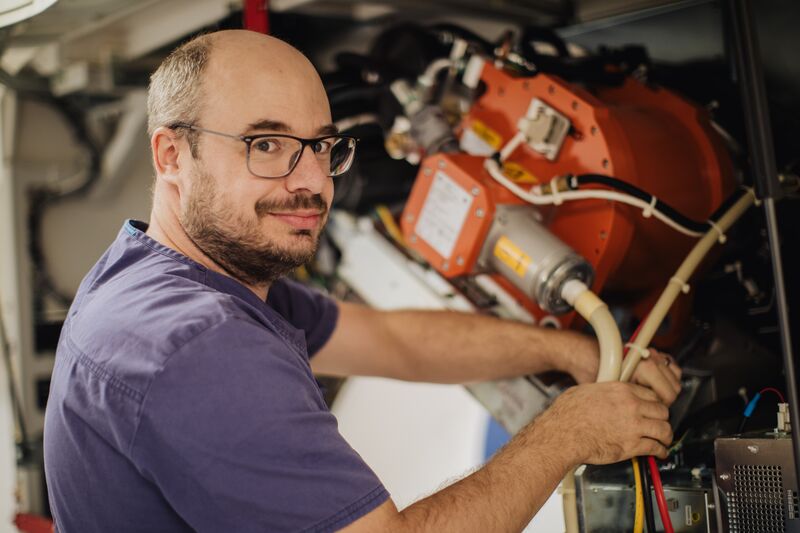
Biomedical engineering volunteer opportunities give Australian technicians and healthcare technology professionals a meaningful way to put their skills to work beyond the workshop, lab or hospital department. Across many African healthcare settings, medical equipment sits at the centre of diagnosis, treatment, surgery, maternity care, emergency response and patient monitoring. But equipment only saves lives when it’s properly installed, maintained, repaired and used safely.
For Australians interested in humanitarian biomedical engineering, volunteering in Africa is a practical and genuinely rewarding path. It lets skilled professionals support hospitals, clinics, medical missions, charity programmes and hospital ship operations where technical knowledge is in short supply. From patient monitors and ventilators to anaesthetic machines, sterilisation equipment and operating theatre systems, biomedical volunteers help improve the reliability of essential healthcare technology. If that kind of work appeals to you, read on.
Why Biomedical Engineering Volunteers Are Needed in Africa
Hospitals and clinics across many under-resourced healthcare settings depend on medical devices that must function safely every single day. A patient monitor that fails during emergency care, a steriliser that can’t complete a safe cycle, or an anaesthetic machine that hasn’t been properly serviced can create serious and sometimes fatal pressure for clinical teams. That’s where biomedical engineering volunteers come in.
Biomedical engineering is the quiet technical support behind patient care. Doctors, nurses and surgeons rely on equipment, but biomedical technicians and clinical engineers keep that equipment safe, functional and ready. In African hospitals where technical teams may be small or under-resourced, volunteers with the right experience can provide hands-on support through maintenance, troubleshooting and staff training.
For Australians searching for biomedical engineering volunteer opportunities, this field offers more than travel. It’s a chance to contribute to stronger healthcare systems through practical, technical service.
The Role of Medical Equipment Maintenance in Patient Care
Medical equipment maintenance isn’t simply a technical task. It’s directly connected to patient safety, clinical confidence and health outcomes. When equipment is well maintained, clinical staff can focus on patients rather than worrying whether a device will hold up at a critical moment.
Maintenance work can cover checking cables, batteries, sensors, alarms, calibration settings, electrical safety and cleaning procedures. It often involves documenting faults, building asset lists and helping hospitals identify which devices need urgent attention. For Australian biomedical technicians, much of this work will feel familiar, but the setting can be very different.
In under-resourced healthcare settings, volunteers need to think creatively, communicate clearly and work with whatever tools and local procedures are available. The goal isn’t to introduce complicated systems that can’t be sustained. The goal is to support safe, realistic, long-term improvements.
Volunteer Pathways for Australians
Australians can take several paths into biomedical engineering humanitarian missions. Opportunities can be found through hospital ship volunteer positions or technical roles connected to maritime humanitarian medical missions.
What Biomedical Engineering Volunteers Actually Do
A volunteer biomedical technician placement in Africa may cover a wide range of tasks. Volunteers might inspect medical equipment, identify faults, repair devices, test performance, organise equipment records or help local staff build better maintenance routines. Some also assist with donated equipment, checking whether devices are complete, safe and appropriate for the clinical environment.
A medical equipment technician volunteer role in an international setting is often highly practical. The work can include opening devices, checking power supplies, replacing basic components, testing alarms, reviewing user manuals, supporting safety checks and helping clinical staff understand correct use.
Clinical engineering volunteer roles can be broader. They may include asset management, risk assessment, maintenance planning, training sessions and healthcare technology management support. The strongest volunteers combine technical knowledge with patience, humility and solid communication.
Hospital Ship Technician and Maritime Medical Mission Roles
Hospital ship biomedical engineering volunteer roles are particularly appealing for Australians drawn to maritime humanitarian missions. A floating hospital is a complex healthcare facility, and its success depends on clinical and technical teams working closely together.
Mercy Ships operates two hospital ships, the Africa Mercy and the Global Mercy carrying volunteer crews of over 400 and 600 respectively. Biomedical technicians on board work in theatres, wards, recovery areas, sterilisation rooms and diagnostic spaces. The biomedical workshop sits adjacent to the operating rooms, and the work that happens there is directly tied to surgical safety.
Volunteer clinical engineer positions on hospital ships can be highly specialised. They may involve maintaining surgical equipment, managing biomedical repair workflows, checking device safety and keeping essential systems operational. For Australians with strong technical backgrounds, hospital ship roles offer a unique combination of clinical engineering and maritime experience.
Skills That Make a Strong Volunteer Candidate
Successful biomedical engineering volunteers need more than technical ability. Fault-finding, preventative maintenance, electrical safety awareness, documentation and basic repair skills are all important. So is flexibility.
A biomedical field service engineer may be accustomed to structured service schedules and reliable supply chains. In Africa, volunteers often face limited spare parts, older equipment, mixed device brands and incomplete maintenance histories. Calm problem-solving and a willingness to learn from local staff make a real difference in these situations.
Communication also matters. Volunteers may need to explain equipment issues to nurses, theatre staff, administrators or local technicians. The best volunteers listen first, avoid assumptions and understand that sustainable support comes from genuine partnership, not from parachuting in with ready-made answers.
Common Equipment Volunteers May Support
Patient monitor work may include checking leads, probes, batteries, display functions and alarm settings. Ventilator maintenance requires more advanced knowledge, particularly around testing, calibration and safe operation, and it’s one of the higher-stakes areas in any volunteer role.
Operating theatre equipment tasks can involve surgical lights, suction units, diathermy devices, anaesthetic machines and theatre tables. Anaesthetic machine support is especially significant because these devices are central to safe surgery. Sterilisation equipment work may cover autoclaves, washers, sealing units and related infection control systems.
Medical imaging support, covering ultrasound, X-ray and other diagnostic systems, may also be part of a volunteer’s scope, depending on their training and the specific program.
Healthcare Technology Management in Under-Resourced Settings
Healthcare technology management goes beyond fixing one device at a time. It looks at how equipment is selected, recorded, maintained, used, stored and eventually retired. In many hospitals, a simple, accurate asset register is one of the most practical steps towards better planning.
Medical asset management in developing-world healthcare settings often means identifying which equipment is working, which needs repair, which is unsafe and which requires spare parts. That kind of information helps hospital leaders make better decisions and helps technical teams prioritise urgent needs.
For Australians with experience in clinical engineering, asset management or hospital maintenance systems, this type of work is genuinely valuable. It supports safer patient care and helps local teams build more reliable systems over time.
Supporting Local Healthcare Teams
Ethical biomedical engineering volunteering is built on partnership. Volunteers aren’t there to take over. They are there to support local technicians, engineers, nurses, doctors and hospital staff.
That might look like informal mentoring, practical demonstrations, shared troubleshooting, user training or helping staff develop simple maintenance checklists. Humanitarian medical device support is most effective when local teams can continue using and maintaining equipment after the volunteer has gone home. The goal is capacity, not dependency.
Global healthcare technology volunteers should approach each placement with genuine respect. Local staff often understand the clinical environment, patient pressures and daily challenges far better than any visiting volunteer. Good volunteers bring technical skill and a willingness to learn from the people already doing the work.
Biomedical Engineering Volunteer Roles for Students and Graduates
Biomedical engineering volunteer placements can be a strong option for Australian students and graduates who want to gain practical experience while contributing to meaningful work. That said, early-career volunteers should be realistic about their skill level and apply for roles that match their training.
Some placements involve assisting experienced technicians, organising equipment records, supporting basic checks or helping with non-critical maintenance tasks. More complex repair and safety testing should stay with qualified professionals. Attempting tasks beyond your training doesn’t help patients and puts volunteers in a difficult position with host organisations.
For graduates, a not-for-profit biomedical engineering placement can build confidence, broaden understanding of healthcare systems and open genuine interest in humanitarian engineering and international NGO careers. Read more about the kinds of technical roles available through Mercy Ships volunteer overseas opportunities page.
Biomedical Technician Volunteer Opportunities for Experienced Professionals
Experienced biomedical technicians are often well suited to roles that involve direct repair and maintenance work. These positions may include troubleshooting equipment faults, supporting spare parts planning, training local staff and helping improve workshop workflows.
You can see what a senior biomedical technician’s day actually looks like on a Mercy Ships vessel in this profile of Nick Brown, who volunteered across five African countries over two years.
Preparing for a Volunteer Placement from Australia
Before applying, prepare your resume to clearly cover technical skills, equipment experience, qualifications, clinical environment exposure and any previous volunteer or international experience. A strong application shows the host organisation exactly where you can contribute and what you’ll need in terms of supervision or support.
Practical preparation includes checking passport validity, visa requirements, travel health advice, insurance, vaccinations and personal safety guidance. Understanding the destination country, local customs and the expectations of the host organisation matters just as much as the technical side.
It’s also worth refreshing technical knowledge before you go. Reviewing electrical safety, basic device testing, preventative maintenance, medical equipment documentation and communication approaches can make the placement more productive from day one.
Choosing the Right Volunteer Program
Not every volunteer program is the right fit. Look for organisations that are transparent about costs, responsibilities, accommodation, supervision, safety, placement length and local partnerships. A good program has a clear purpose and explains how the volunteer role directly benefits the host healthcare facility.
International medical equipment charity volunteers should also consider whether the placement is sustainable. A short trip can still be worthwhile, but only when it supports longer-term goals. Programs that include training, maintenance planning and local capacity-building tend to deliver more lasting value than those focused only on quick repairs.
When assessing biomedical engineering volunteer openings, ask whether your skills genuinely match the role. A good match protects the volunteer, the host organisation and the patients who depend on safe equipment. The Mercy Ships volunteering website page provides a clear overview of commitment lengths, health requirements and what different placement types typically involve.
Working Respectfully in African Healthcare Settings
Volunteering in Africa requires respect, patience and cultural awareness. Countries like Kenya, Uganda, Ghana, Tanzania, Rwanda and Nigeria each have their own healthcare systems, languages, cultures and technical needs. Volunteers who treat Africa as a single, uniform experience tend to be less effective.
Respectful volunteers take time to understand the local context. They listen to hospital staff, ask careful questions and avoid quick judgements. Limited resources don’t mean limited knowledge. Many local healthcare workers are highly skilled and deeply committed, often working under pressures that visiting volunteers from Australia may never have encountered. Keeping that in mind tends to make volunteer experiences more honest, more useful and more personally rewarding.
The Career Value of Humanitarian Biomedical Engineering
Biomedical engineering volunteer roles can strengthen both personal and professional development. Volunteers gain experience with a wider range of equipment, learn to problem-solve with limited resources and build communication skills across multicultural environments.
For Australians considering international NGO careers, humanitarian biomedical engineering is a real pathway in. It builds interest in global health, clinical engineering in Africa, hospital ship technical operations, infrastructure support for medical missions and medical equipment maintenance programmes. The experience also tends to deepen appreciation for the role biomedical engineering plays in every healthcare setting. Whether you’re working in Australia or overseas, safe and reliable medical equipment depends on skilled people who understand both the technology and the people it serves.
Where to From Here
Biomedical engineering volunteer opportunities in Africa offer Australian students, graduates, technicians and healthcare technology professionals a concrete way to contribute practical skills to global healthcare. Whether working in a hospital, clinic or on board a hospital ship, volunteers can help maintain life-saving medical equipment and support the clinical teams who depend on it.
The most effective volunteers aren’t only technically capable. They’re prepared, adaptable, respectful and committed to sustainable support. By focusing on partnership, training, maintenance and safe medical device use, Australian volunteers can make a lasting difference in healthcare settings where that support is genuinely needed.
If you’re ready to explore what a placement looks like in practice, start by reviewing current openings and talking to the programme directly. The need is real, and the skills you already have are more valuable than you might think.
FAQs
Can an Australian biomedical engineer volunteer on international hospital ships?
Yes, qualified Australian biomedical engineers and technicians can volunteer on humanitarian hospital ships operating in regions like West Africa. Organisations such as Mercy Ships Australia actively recruit local professionals to manage, calibrate, and repair vital medical infrastructure on board floating healthcare facilities.
What qualifications do Australian biomat technicians need for humanitarian missions in Africa?
To secure a volunteer placement, you generally need a tertiary qualification in biomedical engineering, clinical engineering, or electronics from an Australian university or TAFE.
How do clinical engineering volunteers support African hospitals?
Volunteers support local hospital departments by auditing medical equipment, performing critical corrective maintenance on lifesaving assets, setting up routine cleaning schedules, and implementing healthcare technology management programmes to ensure long-term patient safety.
Can I volunteer for short-term biomedical equipment repair missions from Australia?
Yes, some non-profit organisations, including the biomedical technology arms of international medical missions operating affiliate offices in Australia, offer short-term field deployments lasting from two weeks to a month to install, calibrate, and repair hospital laboratory gear.
What types of medical equipment do volunteers maintain on hospital ships?
Volunteers are responsible for a wide range of sophisticated equipment, including anaesthetic machines, operating theatre ventilators, sterilisation units, patient monitors, and medical imaging devices that are essential for delivering safe surgical care.
Does the Australian Government fund overseas medical engineering volunteer placements?
Yes, the Australian Volunteers Program, which is funded by the Department of Foreign Affairs and Trade (DFAT), frequently partners with organisations like Engineers Without Borders Australia to support skilled professionals undertaking capacity-building assignments overseas.
Is clinical training part of a biomedical volunteer deployment in developing nations?
A major focus of modern humanitarian engineering is sustainability. Australian volunteers do not just fix broken devices; they spend a significant portion of their deployment training local national technicians and hospital users on ongoing maintenance schedules and safe asset management.
What challenges do Australian technicians face in low-resource African settings?
Volunteers often operate in environments with unstable electricity grids, extreme humidity, lack of air conditioning, and a severe shortage of manufacturer-approved spare parts, requiring resourcefulness and adaptive problem-solving skills.
How does maritime biomedical engineering differ from working in an Australian hospital?
Working on a floating vessel means managing space constraints, understanding marine power systems, ensuring equipment is secured against ship movement, and operating within a close-knit, multicultural community where you live and work alongside the medical team.
What language skills are required for Australian engineering volunteers in Africa?
While fluent spoken and written English is the standard requirement for recruitment by Australian non-profits, having a working knowledge of French or local regional languages is highly advantageous for training local hospital staff in many West and Central African nations.
What health and safety preparations do Australian volunteers need before deployment?
Before departing Australia, volunteers must undergo comprehensive medical clearance, secure specialised international travel insurance, and obtain mandatory vaccinations such as Yellow Fever, Typhoid, and Malaria prophylaxis appropriate for the destination country.
Do volunteer clinical engineers help with procurement in humanitarian missions?
Yes, experienced volunteers advise humanitarian health teams on procurement needs, ensuring that donated or purchased medical equipment matches the infrastructure capacity, voltage standards, and environmental conditions of the destination facility.
Are there specific background checks for Australian medical charity volunteers?
Yes, to maintain strict safety and ethical standards, all Australian applicants must undergo thorough background checks, including a National Police Check and Working with Children Check, before being approved for deployment with international charities.
How long are typical volunteer assignments for hospital ship technical crew?
Commitments can range anywhere from two weeks for specialised technical troubleshooting to several months or even a year for chief engineers and senior biomedical technicians who manage the vessel’s entire healthcare technology department.
What is the role of a sterilisation equipment technician volunteer in field clinics?
These volunteers ensure that autoclaves and decontamination systems are functioning perfectly, calibrating temperature and pressure controls to prevent infection and guarantee that all surgical instruments are completely sterile before use.
How do anaesthetic machine technician volunteers save lives in low-resource settings?
Without accurate gas delivery and patient monitoring, surgeries cannot safely proceed. Volunteers troubleshoot vaporiser leaks, check oxygen sensors, and maintain backup ventilation circuits, ensuring that surgical teams can operate with confidence.
Can a field service engineer from the Australian private sector transition to humanitarian work?
Absolutely. The practical, hands-on diagnostic skills, familiarity with electronics, and field troubleshooting experience gained by commercial service technicians in Australia are highly transferrable and sought after in humanitarian engineering sectors.
What is the impact of biomedical engineering on global health initiatives?
Up to half of the medical equipment in resource-limited countries is frequently out of service due to maintenance issues. By keeping these machines operational, volunteer engineers directly reduce surgical wait times and improve overall healthcare outcomes.
Does volunteering overseas count towards Australian Continuing Professional Development (CPD)?
Yes, the technical problem-solving, capacity-building training, and cross-cultural leadership experienced during an international humanitarian deployment can generally be claimed as valid CPD hours with Engineers Australia.
Recent Comments