
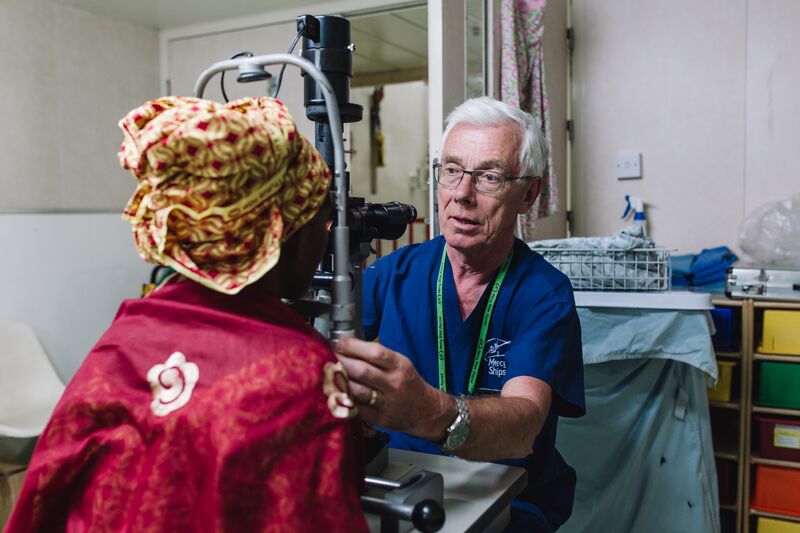
Across Australia, philanthropy is more than just a single act; it is a long-standing tradition passed through generations. Families often view giving as a shared responsibility, ingraining values of generosity, compassion, and social responsibility into their legacy. This tradition extends to supporting causes like hospital ship missions, where multi-generational contributions are vital in providing medical care and surgical relief to underserved communities around the world. These efforts reflect a commitment to global health equity, emphasising the continuity of giving across time.
Australian families who contribute to our hospital ship missions understand the importance of making a long-term impact. Their support goes beyond one-off donations, focusing instead on sustaining healthcare in areas with limited access. This tradition of giving is deeply rooted in Australia’s philanthropic culture, where contributions are made with the intention of leaving a lasting, positive influence on global health. It is a powerful example of how multi-generational support helps create sustainable solutions for those in need.
Australia’s Tradition of Family-Based Philanthropy
Australia’s philanthropic tradition is deeply rooted in community values and a practical approach to charity. Over the years, families have led the way in shaping this culture, with many considering philanthropy a key part of their identity. Generosity is often taught within families, with each generation passing down values of giving and community support. This strong foundation has helped foster a charitable environment where giving is not just about one-time donations, but rather a lasting commitment to helping others.
Family-led giving plays an essential role in the Australian charitable landscape, especially in the context of sustainable support. This multi-generational approach ensures that donations extend beyond the lifetimes of individual donors, allowing their contributions to have an enduring impact. By establishing family foundations or supporting community initiatives, Australian families have created a strong network of philanthropic support, making a tangible difference both locally and internationally. This tradition of giving reflects the nation’s commitment to social responsibility and collective well-being.
Why Hospital Ship Missions Resonate with Australian Families
Hospital ship missions resonate with Australian families because they reflect core national values of fairness, access, and practical support. These floating hospitals provide vital medical care in areas with minimal healthcare infrastructure, offering a lifeline to communities that would otherwise have limited access to life-saving treatments. The missions serve as a direct reflection of Australian humanitarian principles, where people are given the opportunity to contribute to global health equity.
For Australian families, the appeal of hospital ship missions lies in the tangible impact their donations have. Each mission provides a visible, measurable outcome, restoring health, mobility, and dignity through surgical procedures and follow-up care. Families are often drawn to these efforts because they offer a meaningful way to give, knowing their contributions will make a lasting difference in people’s lives. This blend of practical, sustainable aid and humanitarian values aligns with the Australian tradition of giving back to the community.
Intergenerational Giving as a Form of Stewardship
Intergenerational giving in Australia is viewed as a form of stewardship, where families pass down not only their wealth but also their values and sense of responsibility. This approach ensures that philanthropic efforts, such as supporting hospital ship missions, are aligned with long-term goals and family traditions. The act of giving becomes more than making a one-time donation; it becomes a continuous process that integrates the family’s legacy with a commitment to future generations.
Families who engage in intergenerational giving take great care in planning their contributions, ensuring they align with both their current values and the evolving needs of global healthcare. By setting up family foundations, establishing bequests, or creating charitable endowments, Australian families contribute to long-term solutions that can have a lasting impact. This form of giving not only strengthens family ties but also ensures that future generations continue to support vital causes like hospital ship missions, leaving behind a legacy of care and purpose.
The Role of Family Foundations and Structured Giving
Many Australian families formalise their charitable giving through the establishment of family foundations, private ancillary funds (PAFs), or public ancillary funds (PUFs). These structures are designed to meet the specific needs of donors while adhering to Australian regulatory frameworks. Family foundations allow individuals and families to maintain control over their charitable activities, while PAFs and PUFs offer tax benefits and encourage structured, long-term support. These structures are essential for facilitating sustainable giving in Australia, ensuring that funds are used in ways that support long-term health and development initiatives.
Through structured giving, Australian families can consistently support causes such as hospital ship missions. These funds provide the resources necessary for ongoing medical programmes, offering vital assistance to underserved communities. The transparency and accountability inherent in these giving structures help ensure that contributions are used efficiently, ultimately resulting in a more sustainable healthcare delivery system. This approach fosters long-lasting impact, extending the reach of charitable efforts across generations.
Charitable Bequests and Legacy Gift Planning in Australia
Charitable bequests are becoming an increasingly significant part of philanthropic planning in Australia. By including organisations like hospital ship missions in their wills and estate plans, Australian families ensure their support extends beyond their lifetime. These bequests offer a structured way for donors to contribute to long-term medical aid, helping to sustain vital healthcare initiatives in under-served communities.
Legacy gift planning provides a meaningful opportunity to honour family values while making a lasting impact. For many Australian families, these planned gifts support specific projects such as surgical outreach programs, vessel operations, and the training of volunteer medical staff. This type of giving not only benefits communities abroad but also strengthens the tradition of philanthropic stewardship in Australia, ensuring that future generations can continue to provide much-needed healthcare in areas where access is limited.
Australian Medical Volunteers and Community Involvement
Australian medical volunteers play a crucial role in the success of hospital ship missions, offering their skills in countries with limited healthcare resources. These professionals, often from diverse fields like surgery, nursing, and anaesthesiology, dedicate their time and expertise to delivering life-saving medical care. Their involvement not only enhances the quality of care but also strengthens the direct link between donors and the outcomes of their contributions. Families who support these missions are often motivated by knowing their donations directly fund the work of their fellow Australians, making the impact personal and meaningful.
The presence of Australian medical volunteers on hospital ships fosters a deeper sense of connection to the work being done abroad. This integration of funding and hands-on service builds trust between donors and the missions, reinforcing the belief in a shared responsibility towards global health. As a result, these collaborations highlight Australia’s commitment to healthcare equity and solidify its reputation as a global leader in humanitarian aid.
Sustainable Giving and Long-Term Healthcare Impact
Sustainable giving is at the heart of multi-generational donations in Australia. Australian families have long recognised that meaningful change in healthcare requires more than just short-term interventions. By focusing on long-term healthcare solutions, they ensure that their contributions make a lasting impact. Hospital ship missions, which rely on consistent support for operational continuity, benefit greatly from this mindset. The funding covers vital aspects like vessel maintenance, medical equipment, and staff training, ensuring the missions can continue to serve communities in need.
Australian donors understand that real progress in healthcare isn’t instant but is built over time through strategic and steady support. This approach allows hospital ships to provide continuous surgical care and medical outreach, empowering those in remote or underserved areas with the resources they need. By embracing sustainable giving, families play a pivotal role in advancing global health and fostering long-term, positive change in healthcare delivery.
Tax-Effective Giving Within the Australian Framework
Australia’s charitable giving environment provides families with a robust framework for making tax-effective donations. Mechanisms like private ancillary funds (PAFs) and deductible gift recipient (DGR) arrangements are designed to make philanthropy both impactful and financially efficient. These structures allow donors to make significant contributions while benefiting from tax deductions, thereby reducing their taxable income. This system encourages larger and more sustainable donations, ensuring that families can continue to support causes like hospital ship missions without compromising their financial stability.
By using and understanding these tax-effective giving strategies, families can ensure that their philanthropy not only meets their charitable goals but also complies with Australian regulations. These frameworks create a seamless integration of financial planning and giving, allowing for continued support of healthcare initiatives such as hospital ship missions. Additionally, they ensure long-term, sustainable funding for these critical services while maximising the social impact of each donation. Families can, therefore, give generously while benefitting from the Australian tax system.
Values-Based Giving and Family Identity
For many Australian families, philanthropy is more than just a charitable act, it is a reflection of their core values and family identity. Supporting hospital ship missions allows families to express their commitment to compassion, fairness, and responsibility. These values are embedded in the family’s culture and passed down through generations. The act of giving becomes an extension of their beliefs, reinforcing the importance of helping others, especially those in need of medical care in underserved regions.
This values-based approach strengthens family ties by encouraging shared decision-making and active participation in charitable initiatives. Family discussions around giving help create a collective vision for long-term impact, ensuring that the family’s philanthropic legacy is both meaningful and enduring. Over time, such involvement not only fosters a sense of pride in giving back but also deepens family bonds, creating a sense of shared purpose and responsibility that continues to shape future generations’ involvement in global humanitarian efforts.
Supporting Global Health Through an Australian Lens
Australian donors have always approached global health challenges with a practical, solutions-focused mindset. They understand that real change comes from sustainable, on-the-ground action. Hospital ship missions are a perfect example of this approach, offering immediate medical care while also collaborating with local health systems to ensure lasting impact. Australian families view their support of these missions as a natural extension of the country’s longstanding commitment to humanitarian assistance, aligning with national values of fairness and equality.
By supporting hospital ship missions, Australian donors contribute to a larger network of global health efforts that transcend national borders. These missions not only provide urgent care but also help build stronger healthcare systems in underserved regions. Australian contributions are integral to this process, reinforcing the nation’s role as a leading force in ensuring healthcare access worldwide. This focus on long-term, practical solutions showcases Australia’s dedication to addressing health challenges with compassion and a clear vision for positive change.
Passing the Legacy Forward
One of the most powerful aspects of multi-generational giving in Australia is its ability to inspire the next generation. Children and grandchildren who grow up in families committed to hospital ship missions are often instilled with a strong sense of social responsibility and community health. This sense of duty towards humanitarian causes becomes a natural extension of their upbringing, ensuring that the values of generosity and compassion are carried forward.
As the legacy of giving is passed down, it evolves to meet new global health challenges. Australian families who support hospital ship missions understand that the needs of the world change, and so does the approach to philanthropy. By adapting to these shifts while staying grounded in shared family values, future generations ensure that the spirit of giving remains vibrant, impactful, and relevant. This continuity of support guarantees that hospital ships will continue to provide essential care for many years to come.
Final Thoughts …
Family legacies of giving have played a crucial role in shaping Australian philanthropy, especially when it comes to supporting hospital ship missions. Through thoughtful estate planning, charitable bequests, and intergenerational giving, Australian families contribute to the ongoing success of these missions. Their donations go beyond financial support; they represent long-term commitments that reflect values of equity, compassion, and responsibility. This form of philanthropy ensures that future generations continue to contribute to causes that improve global health.
As these family legacies of giving continue to evolve, they showcase the power of sustained, community-driven action. Hospital ship missions provide a clear example of how Australian generosity can make a tangible and lasting difference in the lives of those in need. The ongoing contributions from Australian families help ensure that these vital medical services are available for many years to come, furthering Australia’s strong reputation as a leader in humanitarian support and global healthcare outreach.
FAQs
How do Australian families establish a legacy of giving?
Many families begin by identifying shared values and causes they want to support long term. They often formalise their philanthropy through structures such as a Private Ancillary Fund or a sub-fund with a community foundation to ensure their giving continues across generations.
What is the significance of multi-generational donations for hospital ships?
Long-term family support provides the financial stability needed to plan complex medical missions years ahead. Ongoing commitments help maintain surgical equipment and ensure floating hospitals can consistently serve remote communities.
Are donations to hospital ship missions tax-deductible in Australia?
Most established hospital ship charities are registered with the ACNC and endorsed as Deductible Gift Recipients. This allows Australian taxpayers to claim a deduction for eligible gifts of $2 or more.
How can I involve my children in our family’s philanthropic decisions?
Families can hold regular discussions about charitable goals and encourage younger members to research specific programs. Giving children responsibility in decision-making builds ownership and long-term engagement.
What are the benefits of structured giving programs for Australian donors?
Structured giving allows a more strategic approach to philanthropy. It provides governance, potential tax efficiencies, and continuity of support even during economic fluctuations.
How do hospital ships address global healthcare inequality?
Hospital ships deliver advanced surgical care directly to countries with limited infrastructure. By providing free procedures for treatable conditions, they expand access to safe surgery for underserved populations.
Can a family legacy include volunteering on a hospital ship?
Yes, some families combine financial giving with service. While one generation may provide funding, others may volunteer their professional skills onboard during medical missions.
What is a charitable bequest and how does it fuel medical missions?
A charitable bequest is a gift left in a Will. These legacy gifts often fund major capital projects, such as vessel upgrades or surgical equipment, ensuring missions continue into the future.
How does honouring family values through giving impact the next generation?
Embedding philanthropy into family culture models empathy and responsibility. It helps younger generations see wealth as a means to create meaningful social impact.
What role does the Australian government play in international medical missions?
While missions are largely privately funded, government frameworks and partnerships, including through DFAT, can support regulatory compliance and regional health cooperation.
Why are hospital ships considered a sustainable form of medical aid?
Beyond direct surgeries, hospital ships focus on training and mentoring local healthcare workers. This strengthens local systems and ensures lasting benefits after the ship departs.
How can a Private Ancillary Fund support hospital ship missions?
A PAF allows families to make tax-deductible contributions to their own charitable trust, which then distributes grants to eligible organisations over time, creating a reliable funding stream.
What are the most common surgical procedures performed on hospital ships?
Procedures often include cataract surgery, maxillofacial reconstruction, paediatric orthopaedics, and reconstructive surgery for burn injuries.
How do Australian donors track the impact of their multi-generational gifts?
Most charities provide detailed reporting outlining surgeries performed, professionals trained, and measurable outcomes in supported regions.
Can small family donations still contribute to a larger legacy?
Yes, pooled contributions from multiple family members can collectively fund essential supplies, equipment, or volunteer placements.
What is the difference between a specific bequest and a residual bequest?
A specific bequest leaves a fixed sum or asset, while a residual bequest allocates the remaining estate after other obligations are met. Residual gifts adjust naturally with estate value.
How do hospital ships manage their long-term maritime and medical logistics?
Sustained funding enables employment of specialist maritime and technical staff who maintain vessel safety standards and clinical environments.
Why is Australia such a significant hub for hospital ship philanthropy?
Australia has a strong culture of charitable giving and regional engagement, which supports humanitarian medical initiatives across neighbouring regions.
How does a Gift in Will differ from a lifetime donation?
A lifetime donation delivers immediate impact, whereas a Gift in Will ensures support continues after death. Many families choose both approaches.
What are the ethical considerations of international medical missions?
Reputable organisations work in partnership with host nation health authorities to ensure culturally respectful and system-aligned healthcare delivery.
Can corporate family businesses involve their employees in these legacies?
Yes, family businesses often integrate philanthropy into CSR programs, offering workplace giving or matching schemes to support medical missions.
How do hospital ships stay equipped with the latest medical technology?
Major donors often fund capital purchases such as advanced imaging equipment and surgical technology to maintain high clinical standards.
How do medical missions impact the local economy of the host nation?
By restoring health to working-age adults and children, missions help families return to employment and education, strengthening local economic participation.
Recent Comments