
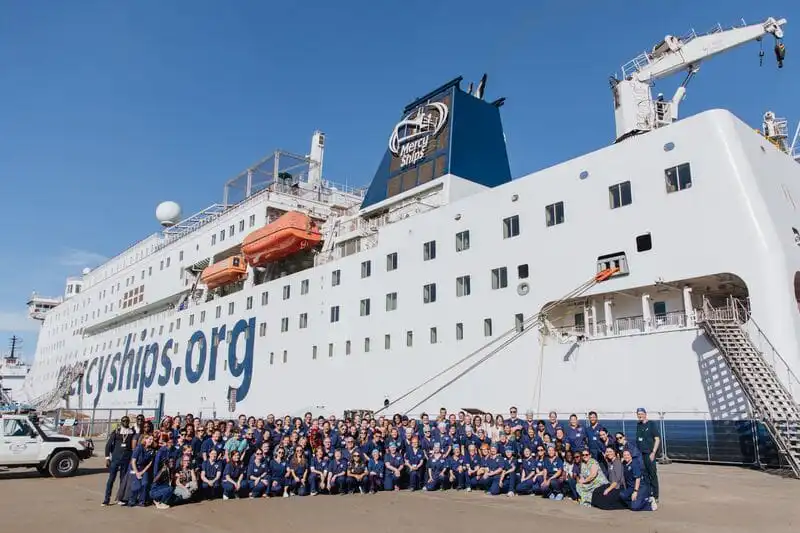
Volunteering abroad in the field of global health offers an exceptional opportunity to provide essential services while gaining invaluable cultural insights. One of the most impactful ways to contribute internationally is through volunteering on a hospital ship. These missions allow volunteers to deliver much-needed medical care to communities that have limited access to healthcare, particularly in developing regions such as parts of Africa, Asia, and South America.
By choosing to volunteer on a hospital ship, you become part of a transformative experience. These missions not only provide vital medical services but also immerse you in a unique environment where every day offers new challenges and rewards. Whether you’re a medical professional or someone eager to contribute, this guide will walk you through what to expect when volunteering aboard a hospital ship. By the end, you’ll have a clear understanding of how you can embark on this life-changing journey, helping those in dire need while expanding your global health experience.
What is Volunteering on a Hospital Ship?
Volunteering on a hospital ship involves joining a dedicated team to provide healthcare services on a floating clinic that travels to regions with limited access to medical care. These ships are equipped with advanced medical facilities such as operating rooms, dental clinics, and specialised equipment, ensuring that vital healthcare services can be delivered even in the most remote areas. They are designed to operate in regions where access to healthcare is often limited or completely unavailable, providing much-needed support to communities in dire need of medical attention.
Hospital ships are staffed by volunteers from across the globe, including doctors, nurses, physiotherapists, dentists, and medical students. Volunteers play an essential role in delivering life-saving care and addressing health issues that local healthcare systems cannot manage. By volunteering on a hospital ship, individuals contribute to a humanitarian mission that brings crucial medical aid to people in underserved regions, making a lasting impact on global health.
Why Volunteer on a Hospital Ship?
Volunteering on a hospital ship offers a unique opportunity to make a meaningful impact on communities with limited access to healthcare. For medical professionals, it’s a chance to apply their expertise in a new and challenging environment, while also contributing to improving the health and well-being of underserved populations. The experience allows healthcare workers to deal with diverse medical cases that they may not encounter in their usual practice, expanding their skillset and understanding of global health needs.
What to Expect from a Hospital Ship Mission
A hospital ship mission offers a distinctive and immersive volunteering experience. Volunteers can expect to work in dynamic and sometimes high-pressure environments, where medical emergencies may arise, and resources are often limited. The role requires flexibility, resilience, and a strong capacity for teamwork, as each volunteer plays a crucial part in ensuring the success of the mission. We have written before about what nurses need to know and can expect volunteering on board a hospital ship.
Living on the ship requires adapting to close quarters with fellow volunteers and crew members, as space is limited. While the accommodations are basic, the shared purpose of improving healthcare access in underserved regions fosters a strong sense of community. The work, though demanding, is deeply rewarding, and the relationships built with fellow volunteers and the local community provide a fulfilling sense of accomplishment, making the entire experience truly unique and transformative.
Types of Work You’ll Do on a Hospital Ship
The types of work you’ll do on a hospital ship vary depending on your role, but all contribute to the mission’s success. Medical professionals, such as doctors, nurses, and surgeons, play a crucial role in delivering care, performing surgeries, providing dental treatment, or assisting in specialised clinics like eye care. For those in non-medical roles, there are equally important tasks. Administrative volunteers help with the day-to-day operations of the hospital ship, including patient coordination, medical records, and scheduling. Logistical volunteers ensure that supplies are properly managed and that the ship’s equipment is functioning efficiently. Even those without a medical background contribute greatly by supporting the operational side of the mission. Regardless of your role, each volunteer plays a part in providing essential medical care to communities in urgent need, making a significant impact on public health in some of the most underserved regions of the world.
Living Conditions on a Hospital Ship
Living on a hospital ship is a unique experience that requires adaptability. Volunteers share cabins with fellow crew members and other volunteers, creating a close-knit environment. Facilities are basic, and space is limited, so it’s important to embrace a minimalist lifestyle. The ship provides essential necessities such as food and water, ensuring that everyone’s basic needs are met. However, the confined space means that privacy can be scarce, and volunteers often rely on shared spaces to relax and unwind. Free time is usually spent on deck or in communal areas, where volunteers can connect with others, exchange stories, and build friendships. This sense of community is one of the most rewarding aspects of life aboard, as you’re not only helping those in need but also forging lifelong bonds with people from all corners of the world, united by a common goal of improving global health.
Qualifications and Requirements for Volunteering
When considering volunteering abroad, certain qualifications are required depending on the role. Healthcare professionals, such as doctors, nurses, surgeons, and dentists, are in high demand for medical volunteering opportunities. Their expertise is crucial in providing essential care to underserved communities. For those without medical qualifications, there are still plenty of opportunities to contribute in areas such as logistics, administration, and community outreach, where organisational and communication skills are highly valued. Medical students are often welcomed as volunteers, providing them with the chance to gain practical experience in a real-world environment, which can complement their academic studies. Some organisations may also consider volunteers with relevant experience in public health, pharmacy, or physiotherapy. Regardless of your role, the primary requirement for volunteering is a genuine desire to help and a willingness to contribute to the mission’s success, no matter the level of direct medical involvement.
How to Become a Volunteer on a Hospital Ship
To become a volunteer on a hospital ship, the first step is to apply through one of the organisations that operate these vessels, such as Mercy Ships. The application process generally involves submitting a detailed resume, including your qualifications and relevant experience. Some organisations may also require you to provide references or complete an interview to ensure that your skills and motivations align with their mission.
Many organisations offer a range of volunteer programmes that cater to different types of volunteers, from medical professionals to administrative or logistical support. It’s important to carefully review the available programmes and select one that suits your expertise and interests. Whether you’re a doctor, nurse, physiotherapist, or non-medical volunteer, there are opportunities to contribute to the mission, and each programme has specific requirements. Make sure to follow the instructions on the organisation’s website and prepare for a fulfilling and impactful experience.
The Importance of Cultural Sensitivity
When volunteering in international medical missions, understanding and respecting the local culture is crucial. Each community has its own unique traditions, beliefs, and values that shape the way healthcare is perceived and delivered. Volunteers must be aware of these cultural nuances to avoid misunderstandings and build trust with the local population. By demonstrating respect for local customs, volunteers can create a more positive and cooperative environment, enhancing the overall effectiveness of the mission.
Approaching the work with humility, respect, and a willingness to learn from the local community is essential. Volunteers should remain open-minded, avoiding the imposition of their own cultural norms while adapting to the needs and expectations of the people they are serving. This cultural sensitivity not only fosters stronger relationships with patients but also contributes to better healthcare outcomes. By recognising and valuing cultural differences, volunteers can ensure their efforts make a lasting impact and are truly beneficial to the community.
The Impact of Volunteering on a Hospital Ship
The impact of volunteering on a hospital ship is truly transformative. The medical care provided by these floating clinics can save lives, restore sight, alleviate pain, and offer much-needed treatment to communities that have limited access to healthcare. For many people in underserved areas, a visit from a hospital ship is their only chance to receive care, making it a life-changing experience. The difference made by volunteers in these regions cannot be overstated, as the care they provide fills an urgent gap in healthcare provision.
In addition to direct medical assistance, volunteers contribute to long-term health improvements through community outreach programs. These initiatives focus on education about hygiene, nutrition, and disease prevention, equipping local populations with the knowledge to maintain better health practices after the ship has departed. This holistic approach helps foster sustainable health improvements, ensuring that the benefits of hospital ship missions continue to positively impact communities well beyond the duration of the mission.
Training and Preparation for Volunteering on a Hospital Ship
Before embarking on a hospital ship mission, volunteers typically undergo training designed to equip them for the physical and emotional demands of the experience. This training focuses on adapting to life aboard the ship and ensures volunteers are familiar with the ship’s policies, protocols, and daily routines. Volunteers may receive specific guidance on how to manage the unique challenges of working in confined spaces and how to operate within a multicultural, diverse team. For medical volunteers, additional specialised training is often provided, which may include learning about tropical medicine, local health conditions, and the resources available on the ship. Volunteers are also educated on how to engage with local communities, considering cultural sensitivities and practices. This preparation is crucial to ensuring the success of the mission, enabling volunteers to provide effective care while navigating the unique challenges of working in such an environment.
The Benefits of Volunteering Abroad
Medical volunteering abroad, particularly in global health initiatives, offers profound benefits that extend far beyond the immediate impact on the communities you serve. Volunteers often develop a deeper understanding of health challenges faced by underserved populations, as well as a greater appreciation for the complexity of global health systems. This experience enables volunteers to acquire new skills, enhance their cultural competency, and broaden their perspective on healthcare.
In addition to personal growth, volunteering abroad can significantly enhance your professional development. The hands-on experience gained while working in diverse environments often opens doors to further career opportunities in the medical field, humanitarian work, or public health. The relationships built during these missions often last a lifetime, creating valuable professional networks and lifelong friendships. These experiences not only enrich your resume but also shape your character and inspire a lifelong commitment to humanitarian causes.
Final Thoughts …
Volunteering on a hospital ship offers an unparalleled opportunity to make a real difference in global health. Whether you are a seasoned medical professional, a student looking to gain practical experience, or someone with a deep desire to help those in need, a hospital ship mission allows you to directly contribute to improving the lives of people who would otherwise lack access to essential healthcare. The work may be demanding, but the sense of purpose and fulfilment that comes from knowing you’ve made a tangible impact is unmatched.
The experience of volunteering abroad on a floating hospital will not only shape your professional skills but also enrich your personal growth. It’s an opportunity to immerse yourself in a new environment, build lasting relationships, and witness firsthand the power of humanitarian aid. Volunteering on a hospital ship is a life-changing journey that you will carry with you, knowing you’ve helped transform global health for the better.
FAQs
What qualifications do I need to volunteer on a hospital ship?
While you need qualifications for medical volunteer roles, many non-medical volunteer roles do not require them. Opportunities exist for non-medical professionals in administration, logistics, engineering, and other support roles. The specific requirements vary by organisation and position.
How long is a typical volunteering placement on a hospital ship?
Placements can range from a few weeks to several years. Short-term missions are often available for medical professionals, while long-term commitments are more common for crew and support staff who operate the ship and its programmes.
What countries do hospital ships typically visit?
Hospital ships focus on serving developing countries with limited access to healthcare, particularly in the sub-Saharan African region.
What kind of medical care is provided on a hospital ship?
Hospital ships provide a wide range of medical and surgical services, including general surgery, ophthalmology, dentistry, plastic surgery, and orthopaedics. The services offered depend on the skills of the volunteers and the needs of the host country.
What is the age limit for volunteering on a hospital ship?
Most organisations require volunteers to be at least 18 years old. There may be an upper age limit, and some organisations have different requirements for those over 70, such as a more comprehensive medical evaluation.
What is life like on board a hospital ship?
Life on board is often described as living in a close-knit, international community. Volunteers from diverse backgrounds live, work, and socialise together. Amenities can include dining rooms, cafes, libraries, and fitness facilities.
What language skills are needed to volunteer?
English proficiency is typically a requirement for all positions to ensure effective communication and safety on board. Knowledge of the local language of the host country can also be a great asset.
Can I volunteer with my family?
Yes, many organisations welcome families. They often have family-friendly accommodation and even an accredited school on board for children, allowing them to continue their education while their parents volunteer.
What happens during a typical day on the ship?
A typical day involves working your designated role, whether in the hospital, galley, or engine room. There are also opportunities for community gatherings, social events, and shore leave to explore the host country.
Are volunteers safe while on a mission?
Safety is a top priority for hospital ship organisations. The ships remain in port for the duration of their mission and security teams are in place to ensure the safety of all crew and patients.
What vaccinations do I need to get before volunteering?
Specific vaccination requirements vary depending on the host country. However, common vaccinations for international medical missions include Yellow Fever, Hepatitis A and B, and Tetanus.
How can I fund my volunteering trip?
Many volunteers fundraise to cover their costs. Organisations often provide guidance and resources, such as sample budgets and fundraising advice, to help volunteers meet their financial goals.
What if I have a pre-existing medical condition?
Applicants must be in good health and prepared for the physical demands of living on board. Certain pre-existing medical conditions may disqualify an applicant due to maritime regulations and limited medical resources on board.
What is the difference between a volunteer and day crew?
Volunteers are typically international professionals who donate their time and money to live and work on the ship. Day crew are usually local residents of the host country who are hired to fill various roles.
How are patients selected for treatment?
Patients are often selected through a rigorous screening process. Local medical professionals and community leaders help identify those with the greatest need who would benefit most from the care provided on the ship.
What happens after the ship leaves a country?
Hospital ship organisations often have long-term partnerships with host nations. They focus on training local healthcare professionals to ensure a lasting legacy and sustainable healthcare systems are in place after the ship departs.
Is there an application process?
Yes, all potential volunteers must go through an application and screening process. It is recommended to apply several months in advance of your desired service dates to allow for preparation and processing.
Recent Comments