
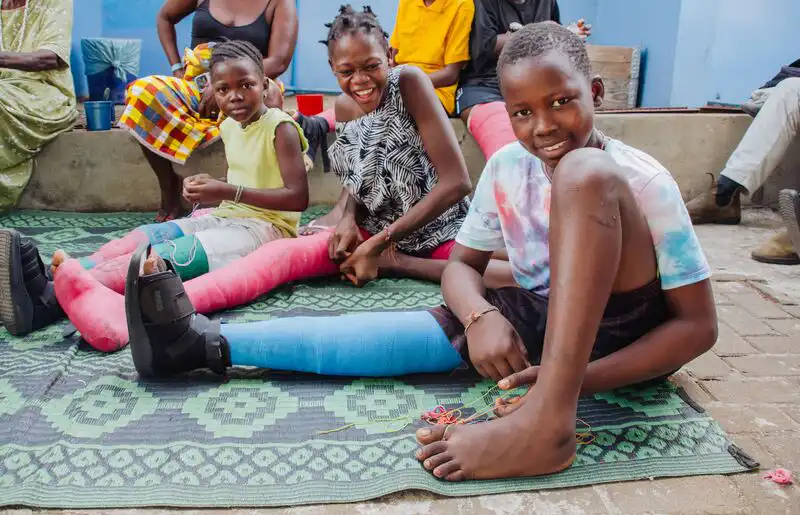
In many African nations, access to specialised healthcare for children remains a significant challenge, particularly in remote areas where hospitals and trained medical staff are scarce. Mercy Ships addresses this issue through a unique model that combines life-changing surgical care with community engagement and family support. By operating a floating hospital service, the organisation brings essential medical treatments directly to coastal and underserved regions, offering corrective paediatric surgery, cleft lip and palate repair, and orthopaedic interventions. Working alongside local healthcare professionals and volunteers, Mercy Ships ensures that children receive not only medical treatment but also compassionate care and support for their families throughout the recovery process.
In addition to providing surgery, Mercy Ships invests in long-term community health through educational programmes and preventative health initiatives. Ship-based training equips local professionals with the skills needed to sustain high-quality care, while community outreach projects encourage families to take an active role in maintaining their children’s health. This holistic approach strengthens local healthcare systems, promotes paediatric well-being, and fosters lasting improvements in children’s health across the regions served.
The Floating Hospital Model
Mercy Ships operates a floating hospital service that brings specialised healthcare directly to coastal regions and remote communities where access to surgical care is scarce. The ship is fully equipped to perform a wide range of procedures, from corrective paediatric surgery to cleft lip and palate repair and orthopaedic interventions. This unique approach ensures that children who would otherwise have little or no access to medical treatment can receive life-changing care close to their homes, reducing the burden on families and improving overall health outcomes.
The floating hospital model also allows Mercy Ships to collaborate with local healthcare professionals, providing hands-on training and knowledge sharing that strengthens local medical capacity. By combining surgical care with education and community engagement, the service not only addresses immediate health needs but also promotes long-term improvements in paediatric well-being. Families benefit from accessible, high-quality treatment while communities gain skills and resources to support children’s health sustainably.
Family Support Services
Every Mercy Ships mission is guided by a strong commitment to patient and family-centred care, recognising that a child’s recovery is closely linked to the support of their family. Families are actively involved in every stage of treatment, from initial consultations and surgical procedures to recovery and rehabilitation. This inclusive approach creates a nurturing environment in which children feel supported and encouraged throughout their medical journey. By involving families in care decisions, Mercy Ships ensures that children receive not only expert medical attention but also emotional and psychological support, which is vital for successful outcomes.
Family support services extend beyond the operating theatre to provide counselling, educational resources, and guidance on long-term care. These services help families understand post-operative care, manage ongoing medical needs, and assist children in returning to school and community life with confidence. By empowering families with knowledge and practical support, Mercy Ships fosters a holistic approach to paediatric well-being that strengthens both children and the communities around them.
Community Engagement in Healthcare
Mercy Ships places a strong emphasis on community engagement in healthcare, recognising that lasting improvements in children’s health require the involvement of families and local communities. By working closely with community leaders, schools, and local organisations, Mercy Ships fosters collaboration that promotes awareness of common childhood illnesses and the importance of early medical intervention. These partnerships ensure that health initiatives are culturally appropriate and effectively address the specific needs of each community, building trust and encouraging active participation from families.
Volunteer Doctors and Nurses
A core component of Mercy Ships’ mission is its dedicated team of volunteer doctors and nurses. These professionals bring a wealth of expertise across various medical disciplines, providing life-changing care to children and families in need. Their work extends beyond performing surgeries and medical procedures, encompassing patient assessment, post-operative care, and ongoing support for families. By addressing immediate medical needs, the volunteers play a crucial role in improving paediatric well-being and giving children the opportunity to lead healthier, more fulfilling lives.
In addition to direct patient care, volunteer doctors and nurses contribute significantly to building local capacity. Through ship-based training programmes and mentorship, they equip local healthcare workers with essential skills and knowledge in specialised surgical procedures, patient care, and clinical governance. This dual focus ensures that communities continue to benefit long after the ship has departed, strengthening local healthcare systems and promoting sustainable improvements in children’s health across African nations.
Medical Training for Local Professionals
Medical training for local professionals is a vital part of Mercy Ships’ mission to create lasting change in healthcare across developing nations. On board the floating hospital, local doctors, nurses, and medical practitioners receive practical, hands-on experience in specialised surgical procedures and patient care. Working alongside experienced volunteer surgeons and clinical experts, they gain valuable skills in areas such as anaesthesia, sterile technique, and post-operative care. This collaborative approach ensures that knowledge is transferred effectively, enabling healthcare workers to apply these skills in their own hospitals and clinics long after the ship departs.
These ship-based training programmes also promote health equity advancement by building local capacity and reducing reliance on external aid. Through workshops, mentoring, and accredited courses, Mercy Ships helps to improve the quality of healthcare services available to children and families. The result is a stronger, more confident medical workforce capable of delivering safe, sustainable, and compassionate care within their communities.
Child Health Programmes
Mercy Ships’ child health programmes are designed to create lasting improvements in children’s well-being, reaching far beyond the operating theatre. Each initiative focuses on holistic care that includes wellness promotion, early intervention, and preventative health education. By addressing not only the surgical needs of young patients but also the environmental and social factors influencing their health, these programmes help reduce the long-term impact of preventable illnesses. Families are encouraged to participate in education sessions on nutrition, hygiene, and disease prevention, empowering them to maintain better health at home and within their communities.
Preventative Health Education
Preventative health education is a vital part of Mercy Ships’ mission to improve long-term child health outcomes. Through community workshops and educational sessions, families learn about the importance of hygiene and nutrition. These sessions also focus on recognising early signs of illness, encouraging families to seek medical attention promptly and avoid complications that can arise from delayed treatment. By delivering this knowledge in a clear, accessible way, Mercy Ships helps communities take proactive steps towards safeguarding children’s health.
Beyond providing essential information, these programmes promote lasting behavioural change. Families are empowered to adopt healthier daily practices and share their knowledge within their communities, creating a ripple effect of improved health awareness. This emphasis on education reduces the burden of preventable and poverty-related illnesses, contributing to sustainable progress in paediatric well-being. Through preventative health education, Mercy Ships not only heals but also equips communities to thrive with greater confidence and resilience.
Transformative Surgery Stories
Transformative surgery stories from Mercy Ships highlight the extraordinary difference that accessible healthcare can make in the lives of children across Africa. Many young patients arrive with conditions that have affected their mobility, speech, or appearance, often leading to social isolation or limited opportunities. Through corrective paediatric surgery, including cleft lip and palate repair or orthopaedic treatment, Mercy Ships restores not only physical health but also a sense of dignity and belonging. Families witness life-changing moments as their children regain confidence, attend school, and participate fully in community life for the first time.
Each story reflects the compassion and expertise of the volunteer medical teams who dedicate their time and skill to serving those most in need. These successful operations go beyond the operating theatre; they strengthen families, inspire local communities, and demonstrate the lasting value of humanitarian medical missions. Through every procedure, Mercy Ships brings hope, healing, and a brighter future to countless children and their families.
Strengthening Local Healthcare Systems
Strengthening local healthcare systems is central to the mission of Mercy Ships. By forming strong partnerships with local hospitals, clinics, and health authorities, the organisation helps to improve healthcare infrastructure and ensure that quality care continues long after the ship departs. Collaborative initiatives focus on developing sustainable systems that enhance clinical governance, increase surgical capacity, and promote effective healthcare management. These partnerships also encourage knowledge exchange between volunteer professionals and local medical teams, building a foundation for continued growth in healthcare standards and patient care.
Through these ongoing collaborations, Mercy Ships enables communities to gain reliable access to high-quality medical services and specialist treatments for children and families. The emphasis on training, mentoring, and equipment provision helps strengthen service delivery, ensuring that local healthcare workers are empowered to meet their communities’ needs independently. This long-term approach fosters resilience, self-sufficiency, and lasting improvements in healthcare outcomes across the regions Mercy Ships serves.
Community Empowerment and Long-Term Impact
Mercy Ships places great importance on empowering communities to take ownership of their health and well-being. Through collaboration with families, local leaders, and healthcare providers, the organisation builds trust and promotes active participation in health education and advocacy. Families who witness the positive effects of medical intervention become ambassadors for better healthcare practices, encouraging others to seek treatment and preventative care. This shared responsibility strengthens community ties and fosters a culture of mutual support centred around children’s health and development.
The long-term impact of this empowerment extends far beyond the ship’s departure. By improving health literacy and supporting local healthcare networks, Mercy Ships ensures that its influence continues to benefit future generations. Communities gain confidence in their ability to address health challenges independently, contributing to sustainable improvements in paediatric well-being. Through these lasting partnerships, Mercy Ships helps create resilient, informed communities where children have a stronger chance to grow, thrive, and lead healthy lives.
Global Surgery Crisis Solutions
The global surgery crisis affects millions of children in low-income countries who lack access to safe, affordable, and timely medical care. Mercy Ships plays a vital role in addressing this gap by delivering essential surgical services to those most in need. Through its hospital ships, the organisation provides corrective paediatric surgery, orthopaedic treatments, and other vital procedures free of charge, offering hope to families who would otherwise go without care. This compassionate approach ensures that every mission directly contributes to reducing preventable suffering and improving long-term health outcomes for children across Africa.
Beyond direct surgical intervention, Mercy Ships tackles healthcare inequities through training, education, and local collaboration. By partnering with governments, hospitals, and community leaders, it builds sustainable surgical capacity that continues long after the ship departs. Supported by philanthropy, medical volunteering opportunities, donations and overseas development aid, this humanitarian model stands as a practical and compassionate solution to the global surgery crisis, empowering nations to strengthen their own healthcare systems.
Final Thoughts …
Mercy Ships’ approach to children’s health goes far beyond providing essential surgical treatment. It focuses on building strong foundations for sustainable healthcare by involving families, communities, and local professionals at every stage of the process. Through its floating hospital missions, the organisation delivers transformative surgeries while ensuring that knowledge, compassion, and skills remain within the local healthcare system long after the ship departs. This collaboration strengthens regional capacity, supports health equity, and fosters community resilience, ensuring that children across Africa have a better chance at healthy, fulfilling lives.
The combination of high-quality medical care, family engagement, and preventative education creates a long-term impact that extends well beyond individual patients. By empowering families with knowledge and confidence, Mercy Ships helps communities take ownership of their health and well-being. This holistic and compassionate model not only restores physical health but also renews hope, dignity, and opportunity, building a brighter, healthier future for generations to come.
FAQs
How does Mercy Ships ensure the free operations for children are safe?
All surgeries are performed by qualified volunteer doctors and nurses in fully equipped, sterile hospital environments that follow international surgical safety standards.
What types of corrective paediatric surgery are most commonly performed?
Common procedures include cleft lip and palate repairs, orthopaedic corrections for bowed legs, and removal of benign or life-threatening tumours.
Is it necessary for a child patient’s family member to stay with them?
Yes. A caregiver from the child’s family stays throughout the treatment process, providing comfort and support before and after surgery.
How does Mercy Ships build local healthcare capacity to help children long-term?
Through training and mentorship, local surgeons and nurses gain the skills to continue providing safe paediatric surgery after the ship departs.
What is the selection process for children to receive free medical aid?
Patients are identified through community and government partnerships, with priority given to the most urgent and treatable cases.
Beyond surgery, what other community engagement programmes support children’s health?
Programmes include education in hygiene, nutrition, and first aid, helping to prevent common illnesses and improve long-term public health.
How long does the hospital ship stay in one African nation?
Each field service lasts around ten months, allowing for surgery, training, and partnership programmes that build sustainable healthcare capacity.
Do the volunteer doctors and nurses treat conditions other than those for children?
Yes. Adult patients also receive surgery for burns, cataracts, and women’s health issues such as obstetric fistula.
Are the Mercy Ships services truly free for the African nations health support provided?
Yes. All surgeries, medical training, and healthcare services are provided at no cost to the patients or host nations.
What are the qualifications of the medical crew offering paediatric care?
The medical crew are internationally licensed professionals from over 16 countries, meeting global standards for surgical and paediatric expertise.
How do you address the rehabilitation needs of a child after surgery?
Rehabilitation includes physical therapy, follow-up care, and social reintegration support to ensure full functional recovery.
What is the role of technology on board the floating hospital service?
Ships are equipped with modern operating theatres, diagnostic systems, and recovery wards, providing a safe, high-standard medical environment.
Can non-medical volunteers also help with child medical welfare?
Yes. Non-medical crew such as teachers, cooks, and technicians support the hospital’s operations, contributing to overall child welfare.
How does the provision of free corrective paediatric surgery act as a global surgery crisis solution?
It provides direct access to essential surgery where none exists, helping address the global shortage of safe surgical care.
What challenges do families face during a child’s recovery?
Many families face poverty and travel challenges. Mercy Ships provides accommodation, food, and emotional support through its land-based centres.
How can people support the long-term community impact of the charity’s work?
People can donate, volunteer, or raise awareness, helping fund future medical missions, healthcare training, and infrastructure projects.
Are there school facilities for the children of the volunteer crew on the hospital ship?
Yes. The onboard Academy provides accredited international education, ensuring stability and continuity for crew families.
What conditions lead to a child requiring orthopaedic corrections treatment?
Conditions such as rickets, fractures, or congenital deformities can cause severe mobility issues that are correctable with timely surgery.
How do local partnership programmes ensure the sustainability of improved health services?
Partnerships with health ministries strengthen local healthcare systems through facility upgrades, medical mentoring, and resource development.
Why is it significant that the medical care is provided via a maritime medical aid vessel?
A hospital ship can reach major port cities directly, offering advanced surgical care without relying on limited local infrastructure.
Do you provide follow-up care for children after the ship leaves the country?
Yes. Local trained partners and clinics continue follow-up care to monitor recovery and ensure long-term health outcomes.
What types of surgical training do local professionals receive in paediatric surgery?
Training includes anaesthesia, sterile techniques, infection control, and specialised paediatric procedures to ensure ongoing surgical safety.
Recent Comments