
Mercy Ships provides essential surgical care to communities with limited or no access to healthcare, bringing hope to regions where medical resources are scarce. Operating floating hospitals in remote areas, the organisation depends on meticulously planned supply chains to ensure that every patient receives the care they need on time. From life-saving medicines to delicate surgical instruments, every item is carefully sourced, transported, and stored to maintain quality and safety throughout the journey. The seamless coordination of these resources allows medical teams to perform complex procedures even in locations with minimal infrastructure.
This intricate system of logistics extends beyond simple transport. Equipment, consumables, and medicines must be managed with precision, often across long sea routes and through challenging port operations. By combining careful planning with adaptive strategies, Mercy Ships ensures that remote populations gain access to vital surgical services. The organisation’s dedication to operational excellence enables it to deliver consistent, life-changing healthcare to some of the world’s most isolated communities.
Understanding the Challenges of Remote Medical Supply Chains
Operating in low-resource environments presents significant logistical challenges for medical missions. Ports may be small or difficult to access, local infrastructure can be limited, and long sea routes increase the risk of delays. Unpredictable weather and fluctuating transport schedules add further complexity. Each of these factors can affect the timely delivery of essential medicines, surgical instruments, and consumables, making careful planning essential to ensure uninterrupted patient care.
Mercy Ships addresses these challenges through comprehensive forecasting and contingency planning. Teams estimate the quantities of medical supplies needed for each mission, schedule shipments well in advance, and maintain reserve stock to mitigate potential shortages.
The Role of Maritime Logistics in Humanitarian Operations
Shipping medical supplies via ocean routes requires careful planning and specialised expertise. Maritime logistics in humanitarian operations must consider vessel capacity, loading schedules, storage conditions, and the unique challenges of long-distance sea travel. For Mercy Ships, every item on board, from surgical instruments to medicines and consumables, needs to arrive on time and in perfect condition. Coordinating with port authorities, freight partners, and customs officials is essential to prevent delays that could impact patient care. Advanced planning allows the organisation to manage complex shipping routes while maintaining the integrity of sensitive medical supplies.
Mercy Ships combines maritime operations with detailed healthcare planning to ensure its floating hospitals remain fully equipped. Teams monitor shipments, track inventory, and maintain communication with local partners to adapt to any unforeseen issues. By integrating logistics with clinical requirements, the organisation achieves a reliable and efficient supply chain. This approach allows surgical teams to focus on patient care, knowing that all essential supplies will be ready when needed.
Inventory Management and Mission Planning
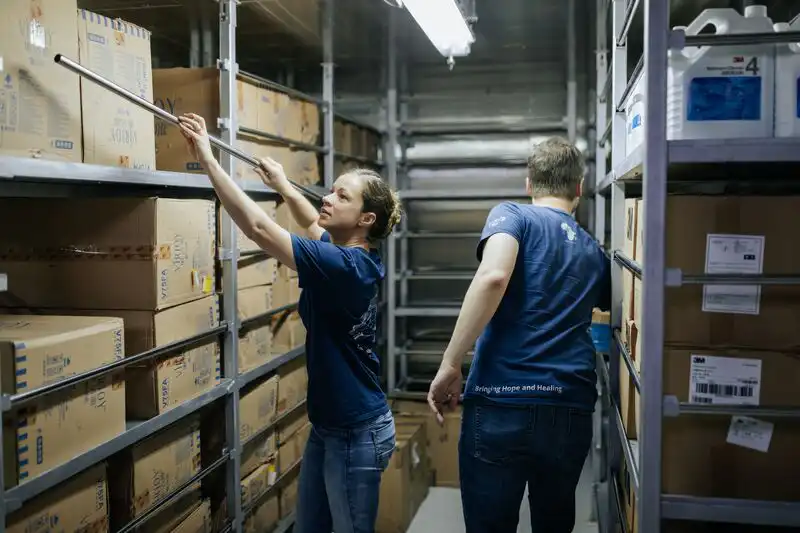
Effective inventory management is a cornerstone of Mercy Ships’ operational success. Every item, from surgical instruments to medicines and consumables, is carefully tracked from the central warehouse to the hospital ship. Regular audits ensure that stock levels are accurate and that items are correctly stored, reducing the risk of damage or expiry. By maintaining detailed records and monitoring usage, the logistics team can anticipate needs and address any discrepancies before they impact patient care. This meticulous approach helps maintain a seamless flow of supplies, even during long voyages or extended missions.
Mission planning is closely tied to inventory management, focusing on estimating the consumption of critical items for each outreach. Teams calculate the quantities required for anticipated procedures and build in reserves to cover unexpected demand. This planning ensures that surgical teams have access to everything they need, from medications and dressings to specialised instruments, allowing operations to proceed without disruption and supporting the delivery of safe, life-changing healthcare in remote regions.
Ensuring Sterile Supply Transport
Ensuring sterile supply transport is a critical aspect of Mercy Ships’ operations. Every surgical instrument and consumable must remain uncontaminated from the point of origin to the operating theatre. To achieve this, Mercy Ships uses tightly sealed packaging and dedicated storage areas on board the hospital ships. Supplies are handled with strict protocols, ensuring that every item remains clean and ready for use. Meticulous attention is given to packing, loading, and unloading procedures to prevent exposure to contaminants, even in challenging maritime environments.
Temperature-sensitive items, including vaccines and certain medicines, require additional care. Cold chain management systems are in place to maintain the required temperatures throughout the journey, from supplier warehouses to shipboard storage. Regular monitoring ensures that medicines remain effective and safe for patient use. By combining controlled storage, careful handling, and advanced cold chain systems, Mercy Ships guarantees that all surgical supplies meet the highest standards of sterility and reliability.
Coordination with Local Ports and Customs
Coordination with local ports and customs is a critical component of Mercy Ships’ supply chain management. Each mission requires careful planning to ensure that medical supplies, equipment, and consumables clear customs without delay. The organisation works closely with port authorities to understand local regulations and requirements, preparing all necessary documentation well in advance. This proactive approach helps prevent administrative hold-ups and ensures that vital supplies reach the hospital ship on schedule, allowing surgical teams to carry out their work without interruption.
Trusted freight partners and logistics providers are integral to this process, providing expertise in handling cargo and navigating local procedures. By maintaining open communication and strong relationships with these stakeholders, Mercy Ships can manage complex port operations efficiently. This coordination not only accelerates the delivery of essential items but also safeguards sensitive medical supplies, supporting the organisation’s mission to provide timely and reliable surgical care in remote and underserved regions.
Volunteer Contributions to Supply Chain Success
Volunteers are an essential part of Mercy Ships’ supply chain operations, providing expertise that ensures missions run smoothly. They assist with inventory management, monitoring stock levels of medicines, surgical instruments, and consumables, and ensuring that critical items are available when needed. By coordinating shipments and tracking supplies from warehouse to hospital ship, volunteers help maintain a seamless flow of resources, which is vital for remote surgical outreach. Their attention to detail and organisational skills minimise the risk of shortages and delays, supporting safe and effective patient care.
In addition to inventory tasks, volunteers contribute to transportation planning and medical supply coordination. They help schedule deliveries, manage logistics for heavy or sensitive equipment, and liaise with local ports and customs officials. This collaborative effort allows Mercy Ships to operate in challenging environments, providing timely and reliable surgical support to isolated communities. Volunteer involvement is key to the efficiency and success of every mission.
Medical Procurement and Resource Planning
Medical procurement for Mercy Ships begins long before a vessel reaches port. Teams review surgical schedules, expected patient numbers, and historical usage data to estimate what will be needed on board. They source medicines, implants, instruments, and consumables through trusted international suppliers that meet strict quality standards. At the same time, they look for safe, approved options from local markets where possible, which reduces lead times and supports regional economies. This mix of global and local procurement helps control costs and keeps the supply chain flexible.
Resource planning goes further than simply placing orders. Logistics staff create detailed stock lists for each department, allocate space on the ship, and set clear minimum levels for critical items. Reserve stock is built into every plan, so there is a buffer for emergencies, delayed shipments, or unexpected increases in demand. Careful forecasting, ongoing stock reviews, and close communication with clinical teams ensure that surgeons and nurses have what they need throughout each outreach.
Maintaining Continuity in Low-Resource Settings
Mercy Ships brings a complete range of essential items aboard before each deployment, so the hospital ship can function independently of fragile local systems. This preparation covers operating theatre instruments, anaesthetic drugs, medical gases, diagnostic equipment, sterile consumables, and hospital linens, as well as food, water treatment materials, and cleaning supplies. By planning stock levels for every department in advance, the team reduces the risk of shortages and keeps clinical services running smoothly throughout the outreach.
This self-sufficiency is crucial in ports where supply chains are unreliable, warehouses are limited, or medical products are difficult to source locally. Robust hospital ship operations and careful remote healthcare logistics allow the crew to continue surgery lists even when local infrastructure is under strain. Patients receive consistent, safe care because the critical tools, medicines, and back up resources are already on board. In this way, Mercy Ships maintains continuity of care in some of the world’s most isolated coastal regions.
Adapting Supply Chains to Unforeseen Challenges
Adapting supply chains to unforeseen challenges is essential for Mercy Ships, as delays can affect planned surgeries and patient outcomes. Sudden storms, port congestion, or customs checks can slow down remote medical supply chains and interrupt scheduled deliveries. To reduce these risks, teams map out alternative routes, prepare extra documentation, and build time buffers into shipping plans. They also keep reserve stocks of critical items on board, so urgent operations can continue even if a shipment arrives late or needs to be rerouted.
Integrating Technology in Logistics Operations
Integrating technology into Mercy Ships logistics operations transforms how supplies move from donor or supplier to the surgical theatre. Digital tracking platforms follow each shipment at every stage of the journey, from central warehouse to port, onto the vessel, and finally into storage on board. Real time data on location, temperature, and handling conditions protects sensitive medicines and equipment. Inventory systems record what is received, where it is stored, and how fast it is used, giving teams clear visibility in one place.
This visibility supports smarter decisions during remote surgical outreach. Data trends help predict when critical stock will run low so teams can reorder early and avoid disruption to surgery schedules. Route optimisation tools support planning for ocean supply routes and onward transport in coastal regions, saving time and reducing costs. Automated alerts highlight delays or risks before they affect patients. Together, these technologies strengthen supply chain reliability, improve resource use, and support safer outcomes for every patient treated on board.
Collaboration and Long-Term Planning
Partnerships sit at the heart of Mercy Ships logistics. The organisation works closely with international NGOs, freight companies, port authorities and local governments to keep the Mercy Ships supply chain reliable and efficient. These alliances support humanitarian maritime operations by securing shipping slots, easing customs clearance and coordinating storage on shore. Shared expertise across medical mission logistics and global health logistics helps the team solve complex problems that no single actor could manage alone.
Long term planning turns these relationships into sustainable impact. Mercy Ships uses data from each field season to refine demand forecasts, improve aid supply chain management and strengthen NGO supply chain strategy. Multi year agreements with trusted suppliers protect critical supply delivery for future missions. Joint planning with local health services supports remote region medical support long after a ship has sailed. In this way, collaboration and foresight allow the organisation to expand safe surgery access to more coastal communities over time.
Final Thoughts …
Mercy Ships shows how effective supply chain management can turn complex humanitarian challenges into deliverable healthcare outcomes for remote communities. By aligning global health logistics with practical maritime planning, the organisation keeps hospital ship operations safe, efficient and responsive. Careful inventory control, medical procurement planning and reliable ocean supply routes mean surgeons have the right instruments, medicines and consumables when they are needed most. This level of coordination supports life saving supply chains that protect patients and maximise every mission.
The model used by Mercy Ships offers a blueprint for other charities and NGOs involved in remote healthcare logistics and medical mission logistics. Strategic resource planning for NGOs, strong port to ship logistics and resilient emergency medical supply routes combine to improve global surgery access in low resource settings. As demand for remote region medical support grows, the Mercy Ships approach proves that thoughtful logistics and compassionate care can work together to deliver long term impact, if you’re interested in a corporate partnership with Mercy Ships then get in touch.
FAQs
How do Mercy Ships manage supply chains in remote regions?
They plan shipments early, work with reliable port partners, and track all cargo from warehouse to vessel to avoid delays and shortages.
What makes remote medical supply chains difficult for Mercy Ships?
Challenges include long sea routes, limited port capacity, customs delays, and unpredictable weather, each requiring precise planning.
How do Mercy Ships keep surgical supplies sterile during transport?
Sterile packs, controlled handling procedures, and secure storage areas on board protect instruments until they reach the operating theatre.
Why are maritime logistics important for Mercy Ships operations?
All essential supplies arrive by sea, so strong maritime planning ensures theatres, wards, and labs remain fully equipped.
How do Mercy Ships ensure timely delivery of medical equipment?
They forecast needs months in advance, place orders early, and work with logistics teams specialising in medical transport.
What happens if a shipment is delayed for a Mercy Ships mission?
Teams activate backup suppliers, use reserve stock, or adjust surgery schedules to minimise disruption.
How do Mercy Ships store medical stock on board?
They maintain organised inventory rooms, temperature-controlled areas, and digital systems that track stock and prevent loss.
What type of medical supplies do Mercy Ships need for surgery?
Typical stock includes sutures, implants, sterile instruments, medicines, dressings, and diagnostic kits.
How does Mercy Ships work with local ports for logistics?
They coordinate with port authorities, customs teams, and freight agents to clear cargo efficiently.
How does Mercy Ships handle customs clearance in developing countries?
They prepare documentation early, comply with local regulations, and use partners familiar with humanitarian shipments.
Do Mercy Ships use local suppliers when possible?
Yes, they purchase approved items locally when suitable, supporting local economies and reducing lead times.
How does technology support Mercy Ships supply chains?
Digital tracking, inventory software, and shipment monitoring tools give real-time visibility on stock levels and incoming deliveries.
How do Mercy Ships plan for long-term missions?
They estimate usage months ahead, schedule recurring shipments, and maintain buffers for critical surgical items.
Why are skilled logistics volunteers important for Mercy Ships?
They manage complex cargo movement, inventory control, and problem solving, ensuring clinical teams can operate smoothly.
How does Mercy Ships transport heavy medical equipment?
Equipment is packed in reinforced cases, handled by specialist freight teams, and secured for long ocean journeys.
How is patient safety linked to supply chain strength on Mercy Ships?
Stable supply chains ensure sterile theatres, correct instruments, and reliable medicines, protecting every patient.
How do Mercy Ships handle waste and expired items?
They follow strict disposal rules, segregate hazardous waste, and comply with international safety standards.
Does weather affect Mercy Ships supply routes?
Storms and rough seas can slow shipments, so teams monitor forecasts and adjust routing or schedules.
How does Mercy Ships maintain consistent stock levels?
They perform daily inventory checks, track departmental usage, and reorder essential items before stocks run low.
How do Mercy Ships support remote surgical outreach with limited local infrastructure?
They bring all required equipment, medicines, and consumables, reducing reliance on local supply chains.
How do Mercy Ships improve their supply chain processes over time?
Each mission is reviewed, delays analysed, and procedures updated to improve efficiency and resilience.
Recent Comments