
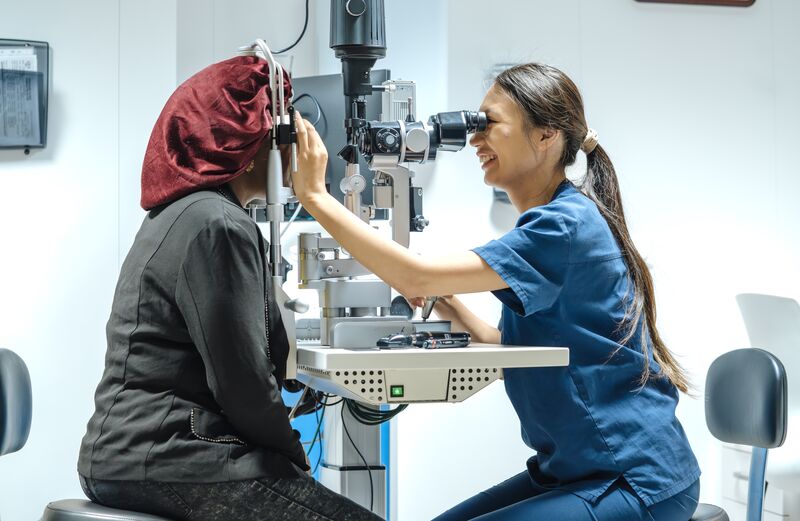
Ophthalmic nurses are essential in providing eye care, particularly in regions with limited access to healthcare. In countries such as Sierra Leone and Liberia, where medical resources are scarce, Mercy Ships offers a unique opportunity for healthcare professionals to volunteer and make a direct impact. As part of the Mercy Ships team, ophthalmic nurse volunteers assist with life-changing surgeries, helping to prevent blindness and restore vision to those who need it most. This volunteer experience is not only an opportunity to provide crucial care but also to gain invaluable experience in a global health setting.
Volunteering with Mercy Ships allows Australian healthcare professionals to join a mission dedicated to addressing the global burden of vision impairment. By participating in these medical missions, you will contribute to improving healthcare in low-resource settings while expanding your skills in ophthalmic nursing. This article will explore the roles, rewards, and challenges of being an ophthalmic nurse volunteer with Mercy Ships.
Why Mercy Ships?
Mercy Ships is an international organisation that provides free medical care to communities with limited access to healthcare. Through its hospital ships, Mercy Ships delivers life-changing surgeries, with a focus on eye care, helping to restore vision and improve the quality of life for people in need. The Mercy Ships ophthalmic programme tackles a variety of conditions such as cataracts, glaucoma, and paediatric eye diseases, offering much-needed medical services in low-resource settings. For Australian healthcare professionals, volunteering with Mercy Ships is a chance to make a real difference while gaining invaluable experience in a unique and challenging environment.
By working on a hospital ship, our international volunteer nurses serve in countries like Liberia and Sierra Leone, providing essential medical treatment in areas where healthcare infrastructure is minimal. This role allows professionals to directly impact the health and well-being of individuals in underserved regions, providing a unique opportunity for Australians to contribute to global health efforts.
The Role of Ophthalmic Nurses
Ophthalmic nurses play a crucial role on Mercy Ships, where they apply their skills to support patients through every step of their eye care journey. From conducting thorough pre-operative assessments to providing compassionate post-operative care, these nurses ensure that each patient receives the highest standard of care. Working on a hospital ship in a low-resource setting, ophthalmic nurses must adapt to unique challenges, including limited equipment and facilities, while delivering essential services to communities in need. Their expertise is pivotal in restoring vision, preventing blindness, and improving quality of life for countless individuals.
As volunteers, ophthalmic nurses work as part of a multidisciplinary team, alongside surgeons, anaesthetist nurses, and other healthcare professionals. Their roles can vary, from assisting in surgeries to managing recovery, ensuring patients are well-cared for throughout their treatment. This opportunity allows Australian ophthalmic nurses to expand their professional skills and make a meaningful impact in communities across Africa, where eye care services are often scarce.
Ophthalmic Scrub Nurse
As an ophthalmic scrub nurse, you will play a vital role in ensuring the safety and success of eye surgeries, including cataract procedures. Your primary responsibility will be to assist the surgical team by maintaining a sterile environment throughout the operation. This involves preparing the operating theatre, ensuring that all surgical instruments are sterile and ready, and monitoring the cleanliness of the environment to prevent infection. Your attention to detail and commitment to infection control will be crucial in delivering optimal care to patients.
In addition to the technical aspects, the ophthalmic scrub nurse also supports the surgeon by handing them instruments during the surgery, anticipating their needs, and ensuring that everything proceeds smoothly. This requires excellent communication skills, precision, and an in-depth understanding of ophthalmic procedures. In Australia, this role follows strict infection control protocols and standards, ensuring patient safety in line with local healthcare regulations.
Ophthalmic Recovery Nurse
An ophthalmic recovery nurse plays a crucial role in ensuring the well-being of patients after eye surgeries. Once the procedure is complete, the recovery nurse monitors patients as they regain consciousness, checking vital signs such as heart rate, blood pressure, and oxygen levels. They provide necessary pain management to ensure patients are comfortable and stable during this sensitive period. Their responsibilities also include assessing any potential complications or side effects, such as infection or adverse reactions to anaesthesia.
In addition to physical care, ophthalmic recovery nurses play a key role in patient education. They explain the next steps in the recovery process, including post-operative care instructions, medication management, and follow-up appointments. Given the importance of the recovery phase for successful treatment outcomes, these nurses must possess strong clinical knowledge, attention to detail, and the ability to respond promptly to any changes in a patient’s condition. This role is vital in ensuring optimal healing and long-term success of eye surgeries.
Ophthalmic Anaesthetic Nurse
An ophthalmic anaesthetic nurse plays a crucial role in the surgical team by administering anaesthesia to patients undergoing eye procedures. This includes preparing anaesthetic drugs, ensuring the correct dosage, and monitoring the patient’s vital signs throughout the surgery. The anaesthetic nurse’s primary responsibility is to ensure that the patient remains stable and comfortable during the procedure. They work closely with the surgeon and other team members to ensure a smooth and successful surgery.
In a low-resource setting, such as aboard a Mercy Ships hospital ship, the role becomes even more challenging. Limited equipment and supplies require the ophthalmic anaesthetic nurse to be adaptable, often having to make quick decisions and use available resources creatively. The ability to work under pressure while maintaining a high standard of care is essential. These challenges, however, provide a unique opportunity for nurses to expand their skills and make a significant impact in areas with limited access to healthcare.
Ophthalmic Outpatient Nurse
Ophthalmic outpatient nurses play a crucial role in the care of patients undergoing eye surgery. In Australia, these nurses are responsible for conducting thorough pre-operative assessments, ensuring patients are fit for surgery, and providing detailed information about the procedure. They explain what patients can expect, address any concerns, and help reduce pre-surgery anxiety. Their expertise ensures that all pre-operative checks, such as confirming eye health and suitability for surgery, are carried out efficiently.
After surgery, ophthalmic outpatient nurses are responsible for providing vital post-operative care. This includes monitoring recovery, managing any immediate complications, and educating patients on how to care for their eyes during the healing process. They also arrange necessary follow-up appointments to track the patient’s progress and ensure that recovery is progressing as expected. This role is essential in ensuring that patients receive the highest standard of care throughout their treatment journey.
Paediatric Ophthalmology Volunteer
Working as a paediatric ophthalmology volunteer provides the unique opportunity to work with children who suffer from a range of eye conditions, such as amblyopia, strabismus, and cataracts. In this role, you will assess, diagnose, and treat these conditions, ensuring that children receive the best possible care. It also involves providing education to parents and caregivers about the importance of early detection and the long-term effects of untreated eye conditions, which can have significant impacts on a child’s development. As a volunteer, you will play a key role in helping children regain or maintain their vision, ultimately improving their quality of life.
In addition to providing medical care, you will also help raise awareness about the importance of childhood vision health. This involves educating families on the need for regular eye exams and the signs of common eye conditions in children. By volunteering in paediatric ophthalmology, you contribute to creating a healthier future for children in underserved communities.
The Challenges of Working in Low-Resource Settings
Volunteering in a low-resource setting, such as the regions where Mercy Ships operates, brings its own unique set of challenges. These areas often lack the infrastructure and medical supplies found in more developed healthcare systems, requiring volunteers to work with limited resources. Nurses, surgeons, and other medical professionals must be adaptable and inventive, utilising what is available to provide the best care possible. The ability to work efficiently under such conditions tests one’s skills, resilience, and problem-solving abilities.
However, these challenges are also what make volunteering in such environments so rewarding. Despite the lack of advanced medical equipment and facilities, volunteers have the opportunity to make a significant impact. They are able to offer life-changing treatment, especially in communities where access to healthcare is severely limited. The experience of providing high-quality care with fewer resources can be deeply fulfilling and can lead to long-lasting improvements in the health of entire communities.
The Rewards of Volunteering with Mercy Ships
The rewards of volunteering with Mercy Ships are deeply fulfilling, particularly for ophthalmic nurses. Seeing the immediate impact of your work, especially in restoring patients’ vision, is one of the most gratifying aspects of volunteering. In many cases, people who have lived with blindness or impaired sight can regain their independence and quality of life, thanks to the surgeries and care provided on board. The opportunity to witness these life-changing moments is an incredible source of personal and professional satisfaction.
In addition to the direct impact on patients, volunteering with Mercy Ships offers the chance to be part of a global mission focused on improving eye health in developing countries. As a volunteer, you join a team of dedicated healthcare professionals, all working towards a common goal of providing essential medical care to underserved communities. This collaborative environment fosters personal growth, learning, and a sense of belonging within a larger humanitarian effort.
Training and Support for Volunteers
Mercy Ships ensures that all volunteers receive extensive training before embarking on their roles. This includes clinical training tailored to the unique environment of a hospital ship, where resources can be limited. Volunteers are educated on safety protocols, infection control, and specific techniques to manage patient care in low-resource settings. This preparation helps volunteers feel confident and ready to deliver high-quality care despite the challenging conditions.
Additionally, Mercy Ships offers ongoing support throughout the volunteer experience. Volunteers have access to a network of medical professionals, which allows them to share knowledge and enhance their skills in a global health setting. This collaborative environment provides a valuable opportunity for professional development, allowing Australian volunteers to contribute their expertise while gaining new insights into international eye care. By working alongside a diverse team, volunteers broaden their experience and build relationships that extend beyond the duration of their service.
Becoming an Ophthalmic Nurse Volunteer with Mercy Ships
Becoming an ophthalmic nurse volunteer with Mercy Ships offers a unique opportunity to make a difference in communities with limited access to eye care. Mercy Ships is an international organisation that operates hospital ships providing free medical services, including eye care, to countries such as Sierra Leone and Liberia. By volunteering with Mercy Ships, you can contribute to the prevention of blindness and restore vision to those in need. As an ophthalmic nurse, you’ll be involved in critical tasks, such as assisting with cataract surgeries, providing anaesthesia for eye procedures, and helping with post-surgery recovery.
To get started, you can visit the volunteer section on the website to explore available volunteer positions. Whether you have experience in ophthalmic surgery, anaesthesia, or outpatient care, there are various roles suited to different levels of expertise. This opportunity not only allows you to enhance your skills but also provides an invaluable way to support global health, particularly in low-resource settings.
Mercy Ships and Global Health Eye Care
Mercy Ships play a crucial role in improving eye care across the globe, particularly in low-resource settings. While providing life-changing surgeries, the organisation focuses on building sustainable healthcare systems by training local professionals. By working alongside local doctors, nurses, and technicians, Mercy Ships ensures that the communities they serve can continue to benefit from quality eye care long after the ship leaves.
The organisation’s approach goes beyond just treating patients, it aims to empower local healthcare teams through education and hands-on training. This model helps to strengthen the capacity of local health systems, enabling them to manage eye health challenges independently. By investing in local partnerships and education, Mercy Ships creates lasting improvements in eye care, allowing countries to address preventable blindness and vision impairment effectively. This ongoing support is vital for building long-term, self-sustaining eye care services in areas where resources are limited.
Volunteering for Vision Health Missions
Volunteering for vision health missions offers ophthalmic nurses a chance to make a significant impact in developing nations where access to eye care is limited. These missions often involve performing crucial eye surgeries, such as cataract removals, which restore sight to individuals who otherwise may never have access to treatment. However, these missions go beyond just surgery. Volunteers also contribute to community health education, providing valuable information about eye care and prevention, particularly in regions where preventable blindness is prevalent.
Working in partnership with local communities, ophthalmic nurse volunteers play a vital role in raising awareness about the importance of eye health. By engaging with patients and local healthcare professionals, volunteers help prioritise eye care in areas where it is often overlooked. Through these efforts, the mission becomes not only about providing immediate treatment but also about empowering communities to take control of their own eye health long after the mission has ended.
Final Thoughts …
Becoming an ophthalmic nurse volunteer on board a Mercy Ships hospital ship offers a truly transformative experience. It provides the rare opportunity to help those in need, especially in countries with limited access to medical care, while gaining invaluable professional experience. Whether you are involved in cataract surgery volunteering in Africa, assisting with paediatric ophthalmology, or supporting surgical eye care, your contributions will have a direct and lasting impact on global health. The work you do will not only change lives but will also enhance your skills in a practical and meaningful way.
For Australian ophthalmic nurses looking to make a difference, Mercy Ships offers a unique chance to work in a multicultural, international environment. Volunteering on board a Mercy Ships hospital ship allows you to broaden your professional horizons while contributing to important humanitarian efforts. It’s an opportunity to be part of something truly global, making a tangible difference to eye health in some of the world’s most underserved communities.
FAQs
What qualifications does an Australian nurse need to volunteer for ophthalmic roles with Mercy Ships?
Australian nurses must hold a Bachelor of Nursing and current general registration with the Australian Health Practitioner Regulation Agency (AHPRA). For specialised ophthalmic roles, at least two years of recent clinical experience in an eye surgery or ward setting is typically required.
Can Australian ophthalmic nurses claim CPD hours for their time on a hospital ship?
Yes, Australian nurses can often count their clinical service as Continuing Professional Development (CPD) hours. You should document how the specialised ophthalmic training and practice on board meet the Nursing and Midwifery Board of Australia (NMBA) standards for your annual registration renewal.
Are there opportunities for Australian paediatric nurses in the eye care programme?
Mercy Ships has a significant focus on paediatric ophthalmology. Australian nurses with experience in paediatric surgical units or specialised children’s hospitals are highly valued for roles involving congenital cataract surgery and strabismus corrections for infants and children.
Does Mercy Ships Australia provide support for the volunteer application process?
Yes, Mercy Ships has a dedicated Australian office based in Queensland. They provide local support for applicants, including guidance on medical clearances, Australian Federal Police (AFP) background checks, and advice on the unique requirements for Aussie volunteers.
Do I need to maintain my AHPRA registration while serving overseas?
It is highly recommended to maintain your “General” registration with AHPRA. This ensures you can return to practice in Australia without delay and confirms your professional standing to international medical boards during the ship’s field service.
What is the minimum time commitment for an Australian eye nurse?
Commitment lengths vary by role. Ophthalmic theatre nurses and ward nurses can often serve for short-term stints of 4 to 8 weeks, while leadership roles like Ophthalmic Clinical Team Coordinator may require 6 to 10 months.
Are Australian opticians or optometrists eligible for ophthalmic roles?
Mercy Ships often requires volunteer opticians to assist with vision screening and the dispensing of prescription glasses in land-based clinics that operate alongside the hospital ship’s surgical programme.
What surgical procedures will an Australian ophthalmic nurse assist with?
Volunteers primarily support high-volume cataract surgeries, as well as pterygium removals and specialised paediatric procedures. The focus is on vision-restoring surgeries that are life-changing for patients in low-resource settings.
Will my Australian clinical experience be recognised on board?
Australian clinical standards are highly regarded. The surgical protocols on Mercy Ships are based on international best practices, which align closely with the specialised ophthalmic training provided in Australian private and public hospitals.
Are there specific vaccinations required for Australians heading to Africa with Mercy Ships?
Yes, following Australian Department of Health and Aged Care guidelines and Mercy Ships protocols, you will likely need Yellow Fever, Typhoid, and Hepatitis vaccinations, along with anti-malarial prophylaxis depending on the ship’s location.
Can Australian Enrolled Nurses (ENs) apply for ophthalmic roles?
Most surgical and specialised nursing roles require Registered Nurse (RN) status; however, Enrolled Nurses with significant ophthalmic or theatre experience are encouraged to check current vacancies as requirements can occasionally vary.
Will I work with other Australians on the ship?
Mercy Ships is a global community with volunteers from over 60 nations, but there is always a strong contingent of “Aussie” crew members on board, often supported by the Mercy Ships Australia national office.
What is the ‘On Boarding’ programme for Australian volunteers?
For commitments longer than a few months, Australians must complete an ‘On Boarding’ course. This prepares you for the cross-cultural challenges of serving in Africa and the unique logistical environment of living on a hospital ship.
Are Australian retirees eligible to volunteer in ophthalmic roles?
Absolutely. Mercy Ships highly values the “grey power” of experienced Australian nurses. As long as you meet the physical health requirements and maintain your AHPRA clinical competencies, your years of experience are a massive asset.
How do I manage my HECS-HELP debt while volunteering unpaid?
Since volunteering is unpaid, your income will likely fall below the compulsory repayment threshold. However, you should notify the ATO if you are heading overseas for more than six months to ensure your contact details remain current.
Recent Comments