
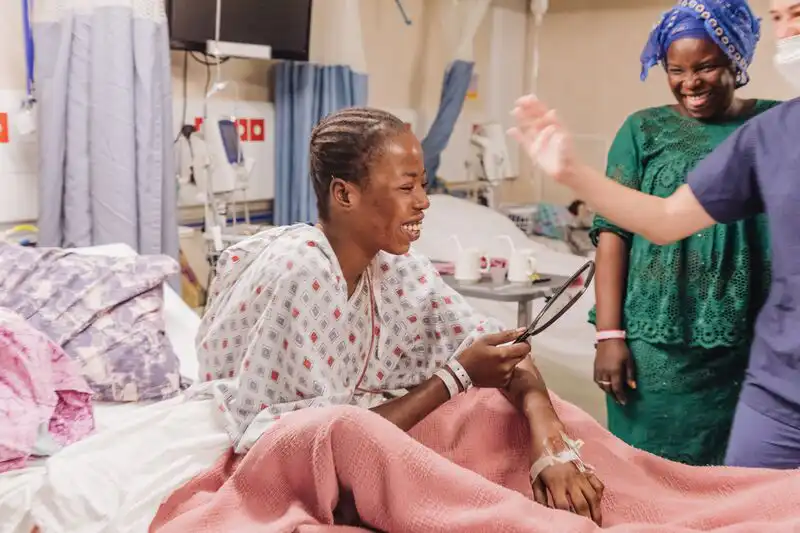
In the heart of Africa, where healthcare resources are often scarce, Mercy Ships offers a beacon of hope to individuals suffering from maxillofacial conditions. Through its hospital ships, the organisation provides life-changing plastic surgery and reconstructive procedures to underserved communities. Supported by dedicated volunteer surgical teams, Mercy Ships addresses a wide range of conditions, including congenital issues like cleft lips and palates, as well as the devastating effects of facial tumours. These missions go beyond surgical treatment, offering a transformative experience for patients who would otherwise have no access to care.
The work aboard these ships extends well beyond immediate medical attention. It also focuses on surgical training and capacity building, ensuring that healthcare professionals in Africa gain the skills necessary to continue providing care long after the ships depart. This approach creates lasting change, building sustainable healthcare solutions that can continue to address the region’s challenges long into the future. Volunteers are not only changing lives but also strengthening local healthcare systems.
The Role of Maxillofacial Surgery Volunteers
Mercy Ships depends on the specialised skills of maxillofacial surgery volunteers to address a range of complex conditions, including cleft lips, palates, and other craniofacial deformities. These volunteers, comprising surgeons, nurses, anaesthetists, and various medical professionals, donate their time and expertise to offer life-changing treatments to individuals who have no access to such care. By providing these essential services, they significantly improve the quality of life for patients, helping them regain their ability to speak, eat, and live without the physical and emotional challenges that often come with facial deformities.
In addition to treating existing conditions, these overseas volunteers also contribute to the long-term development of local healthcare systems. By collaborating with local medical teams, they help build capacity, train healthcare professionals, and ensure that the skills required to perform these complex surgeries continue to benefit communities long after the Mercy Ships team departs. Through these efforts, maxillofacial surgery volunteers play a critical role in addressing the surgical needs of underserved African communities.
Treating Cleft Lips and Palates
Treating cleft lips and palates is one of the most common and impactful procedures performed by volunteer plastic surgeons aboard Mercy Ships. This congenital condition, affecting thousands of children annually, can make basic activities like eating, speaking, and breathing difficult. Without proper medical intervention, children with cleft lips and palates often face long-term physical and emotional challenges, including social stigma and difficulties in early childhood development.
Surgical correction, however, can provide life-changing results. By repairing the cleft, these surgeries not only restore the child’s ability to eat and speak normally but also significantly improve their appearance. For many children, this transformation opens doors to a brighter future, enabling them to grow up without the limitations and challenges that cleft conditions often bring. The work of volunteer surgeons aboard Mercy Ships ensures that children in underserved regions of Africa have access to the care they need, helping them lead healthier and more fulfilling lives.
Addressing Facial Tumours
Facial tumours, whether benign or malignant, can have a profound impact on a person’s life. Not only can they cause visible disfigurement, but they can also affect a patient’s ability to breathe, eat, or speak properly. In many African communities, access to the specialist care required for tumour removal is limited, leaving individuals to live with painful and debilitating conditions. For many, these tumours can be life-threatening if left untreated, leading to a diminished quality of life or even premature death.
Mercy Ships plays a crucial role in addressing this issue by providing life-saving facial tumour removal surgeries aboard their hospital ships. Volunteer surgeons, equipped with advanced medical tools and techniques, work tirelessly to safely remove these tumours and restore the health and appearance of their patients. By performing these procedures, Mercy Ships not only alleviates physical suffering but also helps patients like Alex regain their dignity and self-esteem, enabling them to reintegrate into society and lead more fulfilling lives.
Rebuilding Lives with Reconstructive Surgery
Reconstructive surgery aboard Mercy Ships plays a crucial role in rebuilding the lives of individuals who have suffered from severe facial injuries. Many patients have been involved in accidents, experienced burns, or suffered from violence, leaving them with significant facial disfigurement. These surgeries go beyond cosmetic improvement; they focus on restoring both function and appearance, helping patients regain their ability to eat, speak, and breathe normally.
For many, these surgeries also restore a sense of dignity and self-worth. The impact extends beyond physical healing, as patients are often able to rejoin their communities, find work, and improve their relationships. This transformative effect is particularly important in cultures where facial disfigurements can lead to social isolation. Through the efforts of volunteer surgical teams, Mercy Ships is not only repairing physical damage but also helping individuals rebuild their lives, empowering them to face the future with renewed hope and confidence.
Training Local Surgeons and Medical Professionals
An essential aspect of Mercy Ships’ mission is the commitment to surgical capacity building. While the volunteer surgical teams provide life-saving treatment, their work extends far beyond direct care. They actively engage with local healthcare professionals, offering training that equips them with the necessary skills and knowledge to carry out complex surgeries. This approach ensures that medical care continues in the region long after the Mercy Ships depart.
By training local surgeons, nurses, and other medical staff, Mercy Ships helps build stronger healthcare systems in African countries. The focus on developing local talent empowers these professionals to perform specialised procedures independently, ultimately leading to a more sustainable healthcare model. This approach not only improves patient outcomes but also boosts the overall surgical capacity of the region, providing lasting benefits to communities in need of ongoing medical support.
Bringing Hope through Volunteer Surgical Missions
Volunteer surgical missions are not just about providing medical care; they offer hope and a fresh start to individuals and families who have endured years of suffering from debilitating conditions. Many people in remote regions of Africa face severe medical challenges, such as congenital deformities or facial injuries, with no access to proper treatment. Through the dedication of skilled surgical volunteers, these individuals are given the opportunity to rebuild their lives and reintegrate into society with restored dignity and confidence.
By training local medical professionals and building surgical capacity, volunteer teams help ensure that the skills and knowledge required for complex procedures are shared and sustained long after the missions end. These efforts contribute to long-term healthcare solutions, empowering local communities and giving them the tools they need to tackle future medical challenges on their own.
The Impact of Plastic and Reconstructive Surgery Volunteers
The volunteer plastic surgeons aboard Mercy Ships play a vital role in transforming the lives of thousands of patients. By offering their time, skills, and expertise, these professionals deliver high-quality surgical care to individuals who might otherwise have no access to essential treatments. The free reconstructive surgeries performed on the hospital ships address a wide range of conditions, from congenital deformities to facial injuries, providing life-changing results for those in need.
These surgeries not only restore appearance but also improve function, enabling patients to lead fuller, more active lives. For many, the work of the volunteer surgeons offers a fresh start, freeing them from the physical and emotional burdens of their conditions. The impact of these surgeries extends far beyond the operating room, as patients regain their confidence, independence, and hope for the future. Through their selfless efforts, Mercy Ships volunteers make a lasting difference in the lives of countless individuals in Africa.
Empowering Communities through Charity Surgery Ships
The presence of a charity surgery ship in Africa plays a critical role in improving healthcare access for some of the most remote and underserved communities. These ships provide vital medical care, including life-saving surgeries, to individuals who might otherwise have no access to such treatments. By operating in areas with limited healthcare infrastructure, charity surgery ships bridge the gap between medical needs and available resources, bringing hope to those who would otherwise be forgotten.
Volunteer surgical teams aboard these ships do more than just perform procedures. They engage with local healthcare professionals, sharing knowledge and skills that help build long-term healthcare capacity within the community. This approach empowers local populations, enabling them to access better medical care and ensuring the sustainability of healthcare improvements long after the ship departs. Through their efforts, charity surgery ships create lasting change, fostering healthier, more resilient communities throughout Africa.
Tackling the African Surgical Crisis
Africa is grappling with a severe shortage of surgical professionals and healthcare facilities, resulting in a significant healthcare gap. Many regions are unable to provide essential surgical procedures, leaving millions without access to life-saving treatments. This shortage contributes to the ongoing African surgical crisis, where preventable deaths and untreated conditions are prevalent due to the lack of medical resources and expertise.
Mercy Ships plays a vital role in tackling this crisis by deploying skilled global surgery volunteers to serve in some of Africa’s most underserved regions. These volunteers perform life-changing surgeries, train local healthcare workers, and build long-term capacity within local health systems. By sharing knowledge and resources, Mercy Ships ensures that medical professionals in Africa can continue to provide high-quality care even after the ships depart, helping to reduce the impact of the surgical crisis and improve overall healthcare infrastructure for future generations.
The Life-Changing Impact of Volunteer Surgery
For many patients, the procedures performed by volunteer plastic surgeons aboard Mercy Ships are life-changing. Surgeries such as facial deformity repairs and cleft lip treatments address not only the physical challenges but also the emotional and psychological effects that come with these conditions. Many individuals who suffer from visible deformities face stigma and isolation, making simple tasks like speaking, eating, or even socialising difficult. By restoring both function and appearance, these surgeries enable patients to reintegrate into society with confidence.
Beyond the physical transformation, these procedures offer a profound emotional shift. For countless patients, the chance to undergo surgery is a moment of hope and empowerment, marking the beginning of a new chapter in their lives. Volunteer surgeons don’t just change faces, they change futures. By providing these life-changing surgeries, Mercy Ships volunteers make an immeasurable difference, helping individuals rebuild their self-esteem and regain their sense of dignity, offering them new opportunities and a brighter outlook on life.
Expanding the Reach of Humanitarian Surgery
The growth of humanitarian surgery in Africa is a testament to the ongoing need for medical care in underserved regions. New missions are being launched, and partnerships are being formed to bring healthcare services to more communities. These initiatives ensure that medical teams have a wider reach, addressing not only immediate surgical needs but also building a foundation for long-term healthcare improvements.
Mercy Ships plays a key role in expanding this reach by focusing on capacity building within local healthcare systems. Through training programs for local doctors and nurses, they help develop essential skills, ensuring that healthcare professionals can continue to provide high-quality care long after the mission ends. By working to strengthen African hospitals and medical infrastructure, Mercy Ships leaves behind a legacy of self-sufficiency, allowing communities to thrive with better access to surgical care and medical expertise. This sustainable approach maximises the impact of humanitarian surgery across the continent.
Final Thoughts …
The work of maxillofacial surgery volunteers on Mercy Ships highlights the transformative power of volunteerism in global healthcare. These dedicated professionals provide essential reconstructive surgeries to people across Africa, addressing conditions that can severely impact a person’s quality of life. Through their efforts, they not only restore physical appearance but also rebuild the confidence and dignity of their patients. This work plays a crucial role in improving the health and wellbeing of individuals who might otherwise have no access to such life-changing care.
As Mercy Ships continues its missions across Africa, the impact of these volunteers will only grow. Their commitment to providing free medical care while also training local healthcare professionals ensures that the legacy of their work lives on. The ongoing efforts of these surgical teams are helping to create a brighter, healthier future for African communities, empowering individuals and communities to thrive despite the challenges they face.
FAQs
What kinds of maxillofacial conditions do volunteer surgeons treat in Africa?
Volunteer maxillofacial surgeons treat a wide range of facial deformities and injuries, including cleft lip and palate, advanced facial tumours, and burn contractures that cause severe disfigurement and functional impairment.
Are the surgical procedures on the charity ship free for African patients?
Yes. All procedures performed aboard the hospital ship are completely free of charge, ensuring patients from developing nations receive care regardless of their financial situation.
What is the typical time commitment for plastic surgery volunteers with Mercy Ships?
Specialist volunteers such as reconstructive plastic surgeons typically serve for at least two weeks, with opportunities to extend their commitment for several months.
How does Mercy Ships contribute to surgical capacity building in Africa?
In addition to free surgery, Mercy Ships provides intensive training programmes for local medical professionals, strengthening long-term surgical capacity and healthcare infrastructure.
Do the volunteer surgeons perform both plastic and reconstructive surgery?
Yes. The surgical teams perform both plastic and reconstructive procedures, treating everything from congenital deformities to complex facial trauma cases.
What qualifications are needed to become a maxillofacial surgery volunteer?
Volunteers must hold an active medical licence and typically have at least two years of post-specialty surgical experience in their respective fields.
Which countries in West Africa are usually served by these surgical missions?
Mercy Ships regularly serves nations such as Senegal, Guinea, and Liberia, docking for several months in each port to deliver essential surgical care.
How do patients in Africa get selected for the free plastic surgery missions?
Patients are screened through outreach programmes in collaboration with local health authorities and hospitals to identify those most in need of reconstructive surgery.
Are there non-medical volunteer roles available on the hospital ship?
Yes. Non-medical volunteers such as engineers, cooks, teachers, IT professionals, and maritime crew play vital roles in keeping the hospital ship operational.
What is a major challenge for children with cleft lip and palate in developing countries?
Many face malnutrition due to difficulty feeding, alongside severe social stigma, making early surgical intervention crucial for survival and social inclusion.
How is the surgical theatre equipped on a hospital ship like the Global Mercy?
The Global Mercy features state-of-the-art operating theatres with modern equipment capable of supporting complex reconstructive and craniofacial procedures.
Is the focus on treating only adults or are there paediatric surgery missions as well?
Paediatric cases are a major focus, addressing congenital defects, tumours, and burn injuries in children who would otherwise lack access to safe surgery.
What is the long-term impact of free reconstructive surgery in Africa?
The surgeries restore essential functions such as eating and speaking, while dramatically improving confidence, community reintegration, and overall quality of life.
Do volunteers need to pay to serve on the charity surgery ship?
Yes. Volunteers usually pay a monthly crew fee to cover their accommodation and meals, as well as their travel expenses to and from the ship.
How long does a typical field service last in an African port?
A single field service, or surgical mission, generally lasts eight to ten months, allowing sufficient time for surgery, recovery, and medical training programmes.
Do the surgical missions include rehabilitation or follow-up care?
Yes. Patients receive comprehensive post-operative care, including wound management, physiotherapy, and follow-up appointments to ensure long-term recovery.
How can an Australian based practitioner apply to volunteer as a plastic surgeon?
Australian practitioners can apply through the official Mercy Ships website, where applications are reviewed against professional and medical criteria.
What is the role of paediatric maxillofacial surgery within these missions?
Paediatric surgeons focus on congenital and developmental facial conditions, improving both function and appearance to support healthy growth and confidence.
What kind of training is provided for local medical staff by the volunteer surgeons?
Training includes surgical techniques, sterile procedures, anaesthesia safety, post-operative care, and equipment maintenance to strengthen local hospital capabilities.
Is the medical ship a registered charitable organisation?
Yes. Mercy Ships operates as a registered international NGO dedicated to delivering free surgical care and advancing healthcare capacity across Africa.
Recent Comments