
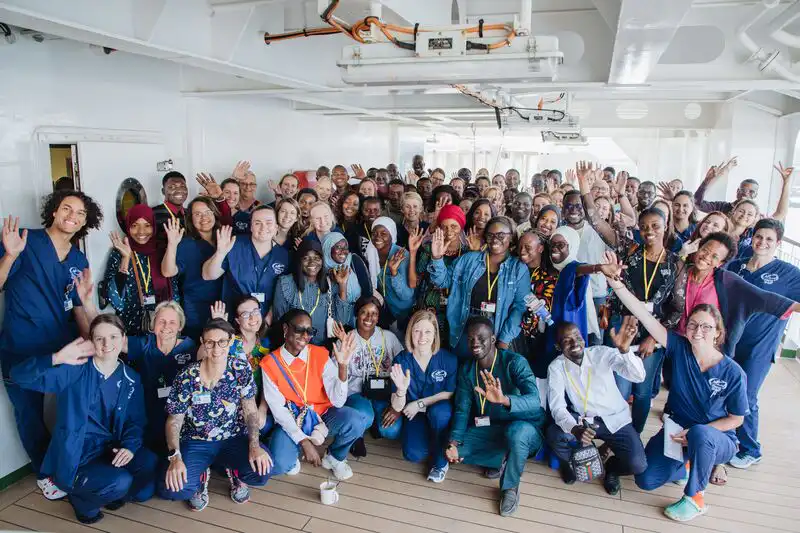
When people hear about hospital ships, they often imagine surgeons and nurses performing lifesaving procedures in remote parts of the world. Yet behind these skilled medical professionals stands an equally vital team who ensure every mission runs smoothly, the support staff. These non-medical volunteers are the backbone of humanitarian operations at sea, handling everything from logistics and maintenance to hospitality and administration. Their dedication allows the ships to function efficiently, safely, and with compassion, ensuring patients receive the care they so desperately need.
Medical mission ships, such as those operated by Mercy Ships and similar organisations, rely on a diverse group of professionals and volunteers. Engineers maintain vital systems, caterers prepare nutritious meals, and deckhands ensure safe voyages. Administrators manage essential paperwork and supplies, keeping operations steady even in challenging conditions. Together, these individuals form a cohesive unit that delivers international medical aid, offering hope and healing to communities across the world’s oceans.
The Unsung Heroes Behind Every Voyage
Support staff are the unseen backbone of every medical mission ship, ensuring that humanitarian voyages operate safely and efficiently. While doctors and nursing volunteer opportunities on board our ships deliver essential medical care to patients in developing regions, it is the dedicated non-medical crew who make those efforts possible. From engineers maintaining vital systems to cooks preparing nourishing meals, and from administrators handling schedules to deckhands ensuring safety at sea, each person contributes to the smooth running of life on board. Their work ensures that the medical teams can focus entirely on saving lives.
These volunteers often come from a wide range of backgrounds, bringing diverse skills that are crucial to the ship’s success. Whether involved in logistics, maintenance, hospitality, or communications, they share a common purpose: to serve others through compassion and professionalism. Their efforts may go unnoticed by the patients they help, but without them, the mission would simply not set sail. They are, truly, the unsung heroes behind every voyage.
Non-Medical Volunteer Roles on Hospital Ships
There are many meaningful ways to serve on a hospital ship without holding a medical qualification. Non-medical volunteer roles are vital to the daily operation of these humanitarian vessels. Positions in administration, hospitality, catering, engineering, logistics, and seamanship all ensure that the ship runs efficiently and safely. From preparing nutritious meals for the crew to maintaining essential equipment or managing supplies, each role supports the smooth delivery of healthcare services to communities in need.
These volunteers form the foundation of the ship’s success. Their teamwork, dedication, and professional expertise make it possible for doctors and nurses to focus on providing treatment to patients across developing countries. Whether you are an engineer ensuring the power stays on, a logistics assistant coordinating resources, or a steward offering comfort to crew and patients alike, every contribution matters. Non-medical volunteers bring compassion, skill, and strength to missions that deliver life-changing care across the world’s oceans.
Life on Board: Working Together for a Common Purpose
Life on board a medical mission ship offers a truly unique experience, blending professional purpose with personal fulfilment. Each day brings together volunteers from around the world, united by a shared goal to deliver essential healthcare to communities in need. Living and working in close quarters fosters mutual respect, understanding, and cooperation among a diverse crew of medical professionals and non-medical support staff alike. The atmosphere is one of collaboration and compassion, where every contribution, no matter how small, plays a part in saving lives.
Beyond the daily duties, life at sea cultivates strong bonds and lifelong friendships. Mealtimes become opportunities to share stories, while off-duty moments allow volunteers to reflect on the difference their work makes. The combination of service, adventure, and community creates an unforgettable journey that leaves a lasting impression. Onboard a medical vessel, teamwork is not just essential, it is the heart of the mission, driving hope across every horizon.
Logistics and Operational Roles
Logistics and operational roles are the backbone of every medical mission ship, ensuring that all activities run efficiently and on schedule. These positions involve overseeing the flow of medical supplies, equipment, and essential goods required for daily operations. Volunteers working in logistics are responsible for inventory control, shipment coordination, and maintaining communication between the ship and onshore teams. Their ability to plan ahead and solve problems under pressure keeps the mission running smoothly, even when faced with unpredictable conditions at sea.
Operational staff also play a vital part in port coordination, ensuring that all legal, safety, and docking requirements are met before arrival. They liaise with local authorities, organise fuel and cargo transfers, and support the wider crew in preparing for medical outreach. Without these skilled individuals, vital supplies would not reach their destinations, and healthcare services could not be delivered effectively. Logistics volunteers are the unsung heroes who make every medical voyage possible.
Technical and Engineering Support
Technical and engineering staff on medical mission ships play an indispensable role in keeping every part of the vessel functioning efficiently. They are responsible for maintaining the ship’s engines, generators, and power systems, ensuring that energy supplies remain stable around the clock. From overseeing water treatment and air-conditioning units to repairing essential equipment, these volunteers make certain that all technical operations meet the highest safety and reliability standards. Without their precision and commitment, the smooth running of a hospital ship would simply not be possible.
Their work allows medical professionals to carry out life-saving procedures in a secure and fully equipped environment. Engineers often collaborate with electricians, plumbers, and other skilled tradespeople to address maintenance challenges while at sea. Every repaired circuit or calibrated system directly supports the medical mission, enabling surgeries, laboratory work, and accommodation facilities to function without interruption. Their technical expertise truly keeps humanitarian healthcare afloat.
Deck and Seamanship Crew
Deck and seamanship crew form the backbone of every medical mission ship, ensuring that operations at sea run safely and efficiently. Their responsibilities include navigation, handling ropes and anchors, steering the vessel, and maintaining vital deck equipment. Working closely with the captain and officers, they help coordinate arrivals, departures, and manoeuvres in ports across the world. Their precision and teamwork guarantee that humanitarian supplies and medical staff reach the communities that rely on them.
Volunteering as part of the deck crew on a charity ship is both a practical and rewarding experience. It allows individuals to contribute their seamanship skills to a global cause while gaining valuable maritime knowledge. Whether performing maintenance tasks, standing watch, or assisting with emergency drills, these volunteers ensure that the vessel remains seaworthy and mission-ready. Their professionalism and commitment help hospital ships deliver aid safely to regions where medical care is desperately needed.
Catering and Hospitality Teams
Catering and hospitality teams are vital to the daily life on medical mission ships, ensuring that every crew member is well-nourished and comfortable throughout the voyage. Volunteers in these roles prepare nutritious meals for both medical and support staff, often working with limited ingredients and in challenging conditions at sea. Their creativity and organisation ensure that everyone on board receives healthy, balanced food, which is essential for maintaining energy and focus during long days of service.
Beyond the galley, hospitality volunteers take pride in creating a warm, welcoming environment. They manage accommodation areas, keep shared spaces clean, and contribute to a positive atmosphere that supports teamwork and morale. Whether it’s offering a friendly smile, preparing a comforting meal after a long shift, or ensuring the ship feels like a home away from home, catering and hospitality teams play an invaluable part in sustaining both the physical and emotional wellbeing of everyone serving on a medical mission ship.
Administrative and Shore Support
Onboard administrative staff manage scheduling, documentation, finance, and communication, ensuring that operations run efficiently and that medical teams can focus on patient care. These roles require strong attention to detail and a commitment to service, as even the smallest administrative task contributes to the smooth delivery of healthcare in challenging environments.
Shore support mission teams, meanwhile, provide essential assistance from land. They handle recruitment for hospital ships, manage training and logistics, and oversee funding campaigns and donation coordination. Their work sustains the ongoing success of medical missions, ensuring that each vessel remains properly equipped and staffed for deployment. Administrative and shore-based volunteers play a vital part in connecting donors, crew members, and communities, forming the link between those who serve at sea and those who support from home. Their dedication keeps humanitarian operations afloat worldwide.
Training and Preparation for Volunteers
Training and preparation are vital elements of every volunteer’s journey before joining a hospital ship. Each individual undergoes a structured orientation that focuses on safety procedures, shipboard regulations, and emergency protocols. Volunteers learn how to navigate life at sea, work within confined environments, and adapt to the rhythm of maritime operations. These sessions build confidence and ensure that every crew member understands their responsibilities, creating a secure and efficient working atmosphere for all on board.
Equally important is the emphasis on teamwork and cross-cultural communication. Medical mission ships bring together people from diverse backgrounds, often representing dozens of nationalities. Training helps volunteers develop sensitivity towards different cultures, beliefs, and customs, fostering mutual respect and cooperation. Many programmes also include role-specific preparation, such as technical guidance for engineers or hospitality instruction for catering teams. This holistic approach ensures that every volunteer, whether skilled or new to seafaring, is ready to contribute positively and effectively to the mission.
Funding and Donations for Medical Mission Ships
Funding medical mission ships relies on a collective effort from generous sponsors, dedicated donors, and passionate volunteers. These floating hospitals depend on continuous financial support to cover vital expenses such as fuel, medical equipment, supplies, maintenance, and crew training. Corporate sponsorships, charitable foundations, and individual giving all play a crucial part in ensuring that these ships remain fully operational and able to deliver essential healthcare to people living in some of the world’s most underserved regions.
Financial donations whilst received very gratefully can also extend beyond just money. Many supporters contribute time, resources, or professional expertise to help keep missions running smoothly. Community fundraising events, church partnerships, and corporate social responsibility initiatives are common ways of raising funds for hospital ships. Every contribution, whether large or small, has a tangible impact, helping provide life-saving surgeries, education, and medical assistance to those most in need across Africa, Asia, and South America. Together, donors and volunteers sustain a global mission of hope and healing.
The Impact of Humanitarian Ship Volunteers
Humanitarian ship volunteers play a vital role in transforming global healthcare access, particularly in regions where medical services are scarce. Their work ensures that hospital ships remain operational and effective, enabling medical professionals to deliver life-changing surgeries and essential treatments. Beyond the clinical sphere, these volunteers support logistics, engineering, catering, and administration, each contributing to the smooth running of the vessel and the well-being of patients and crew alike. Their efforts create a foundation of reliability and care that makes every mission possible.
The impact of these humanitarian volunteers extends far beyond the ship itself. By helping to train local healthcare workers and strengthen community health systems, they leave behind knowledge, infrastructure, and hope that continue long after the vessel departs. Every non-medical role on a hospital ship adds to a collective legacy of compassion and global cooperation, proving that kindness, skill, and commitment can truly change lives across the world’s oceans.
How to Get Involved
Getting involved with a medical mission ship is simpler than many imagine. Volunteers can start by visiting the websites of reputable organisations such as Mercy Ships or similar maritime charities. These platforms list a variety of current openings, from non-medical crew positions and technical roles to hospitality, catering, and administrative work. Each opportunity allows individuals to use their existing skills in a purposeful way, contributing to global health initiatives that bring essential care to developing nations. Training and preparation are provided, ensuring that volunteers are confident and capable before setting sail.
For those unable to travel or work at sea, there are still valuable ways to contribute. Shore-based volunteers assist with logistics, recruitment, and fundraising campaigns, while donors help sustain operations and fund vital equipment. Whether offering time, expertise, or financial support, every contribution strengthens the mission and extends its reach. Getting involved is not only rewarding but also life-changing for both the volunteer and those they serve.
Final Thoughts …
Volunteering as support staff on a medical mission ship is far more than simply giving time; it is a deeply meaningful experience that connects purpose with compassion. Every individual who serves contributes to the success of life-changing humanitarian work at sea. Using professional skills in areas such as logistics, catering, administration, or engineering allows volunteers to directly support global medical efforts, ensuring that vital healthcare reaches those who need it most. It is an opportunity to develop personally, gain cross-cultural understanding, and form lifelong friendships with people who share a passion for service.
Medical mission ships depend entirely on the dedication of their support teams. Without these hardworking individuals, vital aid could not reach the world’s most underserved regions. Their efforts not only sustain day-to-day operations but also symbolise unity, generosity, and hope. Each voyage completed is a testament to their commitment, creating lasting change that echoes far beyond the shorelines they depart from.
FAQs
What roles are considered ‘support staff’ on a medical mission ship?
Support staff include all non-clinical roles such as maritime crew, engineers, logistics, IT, catering, housekeeping, administration, hospitality, and finance.
Do I need maritime experience to join a hospital ship’s support team?
Only roles like Deck Crew or Engineers require maritime qualifications. Many support positions, including Catering or Administration, do not require sailing experience.
What is the minimum age requirement for volunteering as support staff?
Most organisations set the minimum age at 18, with some having upper age limits depending on health requirements.
Are the volunteer support roles paid positions?
No. These roles are generally unpaid, and volunteers usually cover travel, insurance, and monthly crew fees for accommodation and meals.
What are the typical time commitments for non-medical volunteers?
Commitments range from short placements of a few weeks to long-term posts of six months or more, depending on the role.
Do I need a specific degree for non-clinical ship jobs?
Specialist roles like IT, engineering, or finance require qualifications, while general roles such as housekeeping and logistics rely on practical experience.
Is it safe to work on medical aid vessels in developing countries?
Yes. Organisations maintain strict safety protocols and operate within secure port environments following international maritime standards.
What administrative jobs are available on a medical mission ship?
Administrative positions include HR, Finance, front desk/purser services, scheduling, and office support.
Can a family volunteer together, including children?
Yes, but policies apply regarding children’s ages, available family cabins, and onboard schooling requirements.
How does an engineer support the medical mission?
Engineers maintain the ship’s systems, ensuring power, water, and hospital equipment run safely for surgical and hospital operations.
Are there opportunities for Australian residents to volunteer?
Yes. Many charities welcome applicants from Australia to join their international volunteer teams.
What costs are involved for a support staff volunteer?
Volunteers usually pay for flights, vaccinations, insurance, and monthly crew fees.
Is there an interview process for non-medical positions?
Yes. Applications typically include interviews and reference checks.
Do hospital ships travel frequently?
Ships remain docked for around 10 months during each field service, with short sailing periods between countries.
What training is provided before deployment?
Training covers maritime safety, ship orientation, cultural awareness, and organisational protocols.
Can IT professionals volunteer on a mission ship?
Yes. IT specialists are essential for maintaining networks, communication systems, and electronic medical systems.
What is the role of logistics staff?
They manage all supplies—medical, technical, and food—ensuring the ship and hospital have what they need.
Do I need to speak a foreign language?
English is required. Local language skills are helpful but not essential for most support roles.
What are the health requirements?
Volunteers must be in good health and complete a medical evaluation to confirm fitness for shipboard living.
How is accommodation arranged for support staff?
Accommodation is typically in shared onboard cabins, similar to dormitory-style living within an international volunteer community.
`
Recent Comments