
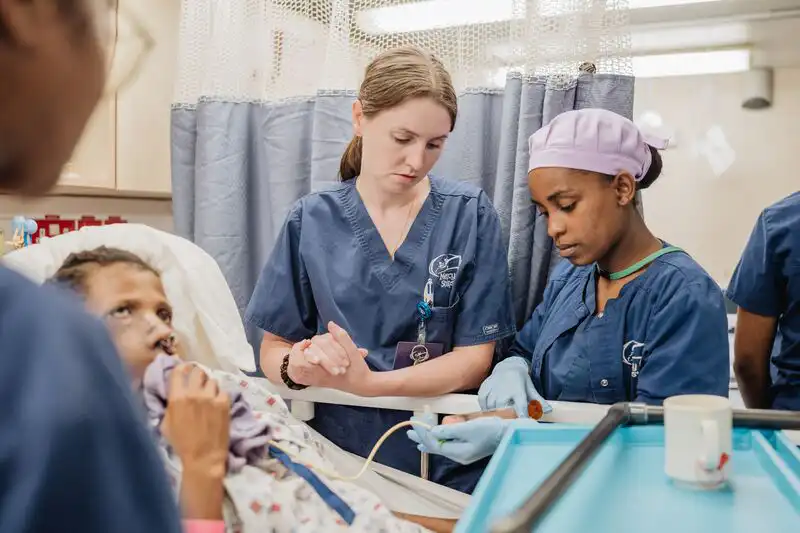
Healthcare crises often demand immediate intervention, and while urgent aid is essential, it is sustainable solutions that lead to long-term health improvements. In regions with underdeveloped healthcare systems, short-term aid can only provide temporary relief. Without building the capacity of local healthcare systems, these regions remain vulnerable to future health challenges. Sustainable healthcare development seeks to bridge this gap by focusing on empowering local communities and healthcare providers, ensuring that medical care continues long after external aid has ended.
Mercy Ships, a global charity operating hospital ships, is at the forefront of this approach. By providing medical care in underserved areas, Mercy Ships not only addresses urgent health needs but also invests in long-term health solutions. Through training local healthcare professionals, enhancing surgical skills, and strengthening healthcare infrastructure, Mercy Ships ensures that communities can sustain and manage their own healthcare needs. This article highlights how Mercy Ships is helping to create self-sufficient healthcare systems in West and Central Africa.
The Importance of Sustainable Healthcare Development
Sustainable healthcare development goes beyond addressing immediate health crises; it focuses on creating long-term solutions that empower communities to manage their health needs independently. Instead of relying on continuous foreign aid, it emphasises building local healthcare capacity through training and resource development. By strengthening the skills of local healthcare professionals and improving infrastructure, communities are better equipped to face ongoing and future health challenges.
This approach ensures that healthcare systems become more resilient and self-sufficient, reducing dependency on external support. Through sustainable healthcare practices, communities can develop and maintain robust health systems that not only survive but thrive in the long term. The shift from temporary aid to sustainable solutions is essential for creating lasting improvements in health outcomes, allowing communities to take control of their own health and well-being. Sustainable healthcare development provides the foundation for healthier futures, where local healthcare systems are strong and capable of meeting the evolving needs of the population.
Mercy Ships: A Model for Lasting Healthcare Capacity
Mercy Ships is a leading example of sustainable healthcare development, offering more than just immediate medical care. Through its fleet of state-of-the-art hospital ships, Mercy Ships provides essential healthcare services to underserved regions with limited access to medical resources. The ships serve as floating hospitals, offering everything from general surgeries to specialised treatments that would otherwise be unavailable.
However, Mercy Ships is committed to long-term impact, focusing on building local healthcare capacity. By training local medical professionals, including surgeons, nurses, and anaesthetists, Mercy Ships equips them with the skills and knowledge needed to continue providing high-quality care once the ship departs. This focus on training and mentorship helps strengthen the local healthcare system, ensuring that the communities can sustain their healthcare needs independently and continue to thrive in the future. Mercy Ships’ model goes beyond short-term aid, prioritising lasting healthcare development for the benefit of local populations.
Building Capacity through Medical Training in Africa
One of the main ways Mercy Ships contributes to sustainable healthcare development is through its comprehensive medical training programmes. These initiatives focus on training local healthcare professionals in essential areas such as surgery, nursing, and anaesthesia. By enhancing surgical capacity and providing ongoing clinical education, Mercy Ships ensures that local staff are equipped to handle more complex medical cases. This approach empowers healthcare workers to provide a higher standard of care and addresses the skill shortages that many communities face.
The transfer of knowledge and practical skills is key to Mercy Ships’ long-term impact. Through hands-on training and mentorship, local medical professionals gain valuable experience, which they can apply in their own practices once Mercy Ships leaves. This sustainable approach helps build a solid foundation for healthcare improvement, fostering the development of resilient healthcare systems. Over time, these trained professionals will continue to enhance care in their communities, contributing to lasting health improvements and stronger healthcare capacity.
Strengthening Healthcare Infrastructure
Strengthening healthcare infrastructure is a core aspect of Mercy Ships’ mission. In many of the regions they serve, healthcare facilities often lack the necessary resources and equipment to provide adequate care. By partnering with local governments and organisations, Mercy Ships assists in upgrading existing healthcare infrastructure, ensuring that hospitals and clinics are better equipped to meet the needs of their communities. This includes the provision of essential medical supplies, advanced equipment, and modern technologies that are critical for effective treatment.
In addition to improving physical infrastructure, Mercy Ships focuses on enhancing sanitation and safety standards in healthcare facilities. Proper sanitation is vital to preventing the spread of infectious diseases, which is especially important in areas with limited healthcare access. By supporting these improvements, Mercy Ships helps create a more robust and reliable healthcare system that can sustain long-term health improvements. Strengthening healthcare infrastructure not only ensures better care but also lays the foundation for future health system growth and resilience.
Surgical Skills Transfer: Empowering Local Surgeons
Mercy Ships places a significant emphasis on surgical skills transfer as part of its long-term healthcare strategy. By partnering local surgeons with international experts, the organisation facilitates a unique learning experience where hands-on practice in complex procedures is made possible. These surgeries would typically be out of reach for local surgeons due to limited resources and training opportunities in their home countries. Through this collaboration, local medical professionals gain valuable skills that are essential for treating a range of health issues.
This surgical training empowers local surgeons to continue performing advanced procedures independently long after Mercy Ships departs. By building local expertise, Mercy Ships ensures that the community has a sustainable healthcare system capable of addressing its ongoing surgical needs. The skills transfer not only improves the capabilities of individual surgeons but also strengthens the entire healthcare system, enabling it to meet future challenges and deliver higher-quality care in the long term.
Training Healthcare Professionals for the Future
Mercy Ships recognises that the future of healthcare in developing nations depends on a well-trained, local workforce. Through comprehensive training programmes, the organisation equips local nurses, surgeons, anaesthetists, and other healthcare professionals with the skills necessary to deliver high-quality care. These individuals are given the tools to address pressing health challenges in their communities, building the foundation for a self-sustaining healthcare system.
In addition to practical training, Mercy Ships offers mentorship and ongoing support to help healthcare professionals grow in their careers. This approach not only boosts their technical expertise but also encourages personal and professional development. As these healthcare workers gain experience and confidence, they become key figures in the local healthcare system, ensuring that the community’s health needs are met long after Mercy Ships departs. By investing in training, Mercy Ships is creating a ripple effect of improvement, empowering local professionals to lead healthcare efforts for years to come.
Developing Local Expertise
One of Mercy Ships’ primary objectives is to develop local expertise in healthcare, ensuring that communities are equipped to manage their own health needs long after the charity departs. Rather than relying on foreign medical professionals to provide ongoing care, Mercy Ships focuses on building the skills of local healthcare workers. This strategy not only addresses immediate medical needs but also empowers local professionals to take charge of healthcare delivery, creating self-sufficient systems in the long term.
The Role of Charity Healthcare Training
Mercy Ships’ approach to healthcare extends beyond the immediate provision of medical care, focusing on charity healthcare training to strengthen local healthcare systems. Recognising that many developing countries face critical gaps in healthcare expertise, the charity provides essential training in areas such as surgical techniques, clinical management, and medical leadership. This targeted training addresses the specific needs of local healthcare workers, equipping them with the knowledge and skills required to improve patient care and manage complex medical cases.
By prioritising education and skill development, Mercy Ships helps build a more resilient healthcare system. The charity’s training programmes empower local professionals to tackle their healthcare challenges independently, reducing reliance on foreign aid and fostering sustainable health solutions. This long-term commitment to capacity building not only enhances the local workforce but also ensures that the healthcare system becomes better equipped to serve the community, improving the overall health outcomes for future generations.
Investing in Medical Resource Management
Effective medical resource management is a cornerstone of sustainable healthcare development. Mercy Ships understands that the best-trained healthcare professionals cannot provide effective care without the necessary tools and supplies. To address this, Mercy Ships works closely with local healthcare teams to implement robust systems for managing medical resources. This includes training staff in crucial areas such as inventory management, procurement, and the proper storage of medical supplies. These training programmes ensure that local teams can manage resources more efficiently, reducing waste and ensuring that essential items are available when needed.
By enhancing the management of medical resources, Mercy Ships helps build long-term capacity in local healthcare systems. The knowledge and skills gained through these training programmes not only improve the immediate delivery of care but also create a more resilient healthcare infrastructure. Local teams are empowered to manage their own medical supplies, ensuring that the healthcare system remains robust and responsive, even after Mercy Ships has completed its work in the region.
Mercy Ships’ Impact on Community Health Empowerment
Mercy Ships’ approach to community health empowerment revolves around equipping local healthcare systems with the tools and knowledge needed for long-term success. Through targeted medical training and mentorship, Mercy Ships enhances the skills of local healthcare professionals, ensuring they can provide high-quality care long after the charity leaves. This capacity-building strategy not only addresses immediate healthcare needs but also creates a sustainable workforce that can respond to future challenges, improving overall health outcomes in the community.
Moreover, Mercy Ships strengthens the healthcare infrastructure by collaborating with local organisations and governments to improve facilities and systems. This partnership fosters a sense of ownership among local communities, enabling them to take control of their healthcare systems. As communities gain the confidence and resources to manage their health independently, they become better equipped to tackle emerging health issues, ensuring continued progress in improving public health and reducing reliance on external aid.
Long-Term Health Solutions through Partnership and Collaboration
Mercy Ships’ approach to healthcare development relies heavily on partnership and collaboration. By working alongside local governments, healthcare providers, and international organisations, Mercy Ships ensures that its interventions are tailored to the specific needs of each community. This ensures that their efforts address both immediate healthcare challenges and long-term capacity-building goals. Local partnerships allow Mercy Ships to gain insight into the unique healthcare issues faced by each region, ensuring that interventions are relevant and impactful.
Through this collaborative model, Mercy Ships maximises the effectiveness of its programmes, creating lasting improvements in healthcare systems. By empowering local healthcare providers and strengthening infrastructure, Mercy Ships helps to create sustainable health solutions that endure beyond the organisation’s direct involvement. This approach not only enhances the quality of care but also supports the development of a more equitable healthcare system. Through partnership and collaboration, Mercy Ships is helping to build resilient healthcare systems that can continue to serve communities long into the future.
The Future of Sustainable Healthcare with Mercy Ships
The future of sustainable healthcare with Mercy Ships is centred on their continued commitment to building long-term healthcare solutions in underserved areas. By focusing on medical training, the organisation ensures that local healthcare professionals gain the skills needed to provide ongoing care. Mercy Ships’ emphasis on healthcare systems strengthening also helps to improve local infrastructure, ensuring that these regions are better equipped to handle medical challenges independently. As the organisation continues to evolve, its impact in shaping healthcare systems in developing nations will only grow.
Through its efforts, Mercy Ships is creating a future where communities can manage their own healthcare needs more effectively. The integration of local knowledge and expertise, alongside the development of sustainable healthcare resources, ensures that the benefits of Mercy Ships’ work will be felt long after their ships leave port. This focus on capacity building and healthcare education will foster resilience in healthcare systems, ultimately empowering communities to thrive and build their own sustainable healthcare futures.
Final Thoughts …
Mercy Ships’ approach highlights the significance of sustainable healthcare development in transforming both individuals and communities. By focusing on capacity building, medical training, and strengthening healthcare infrastructure, the organisation delivers more than just immediate medical care. Mercy Ships ensures that the skills and resources needed for long-term healthcare improvements are embedded within local communities, providing a foundation for resilience and self-sufficiency.
As healthcare challenges continue to grow across the globe, Mercy Ships’ commitment to fostering sustainable healthcare solutions will remain vital. The organisation’s focus on empowering local healthcare professionals and improving infrastructure ensures that the systems they help build can continue to evolve and meet the needs of future generations. In a world where healthcare needs are constantly changing, Mercy Ships will remain at the forefront, making a lasting impact on global health and strengthening healthcare systems in some of the world’s most underserved regions.
FAQs
How does Mercy Ships ensure their healthcare intervention goes beyond immediate aid?
Mercy Ships moves beyond immediate surgical care by focusing on long-term capacity building, including medical training, mentorship programmes, and strengthening local healthcare systems so benefits continue after the ship leaves.
What is meant by lasting capacity in the context of Mercy Ships’ work?
Lasting capacity refers to sustainable improvements within a country’s healthcare sector, ensuring local professionals have the skills, knowledge, and systems needed to provide safe surgery long after the ship has departed.
What specific medical training programmes does Mercy Ships offer local professionals?
Training includes safe surgical skills, anaesthesia, sterile processing, paediatric orthopaedics, and structured clinical mentorship for nurses, surgeons, and allied health professionals.
Do Mercy Ships’ capacity building programmes include non-medical staff?
Yes, programmes also support biomedical technicians, hospital administrators, and support teams, recognising that strong healthcare systems depend on more than clinical staff alone.
How does Mercy Ships strengthen local healthcare systems?
Healthcare systems are strengthened through partnerships with government ministries, renovation of local facilities, donation of essential equipment, and delivery of accredited education programmes.
In which developing nations does Mercy Ships typically conduct its field service?
Mercy Ships primarily operates in sub-Saharan Africa, working in partnership with host nations to address the severe lack of access to safe surgical care.
What is the duration of a typical Mercy Ships field service in a developing country?
A field service typically lasts around ten months, allowing sufficient time to deliver free surgery alongside comprehensive training and capacity building initiatives.
How is the need for sustainable healthcare development identified by Mercy Ships?
Before deployment, Mercy Ships works closely with the host nation’s Ministry of Health to assess needs and design programmes aligned with long-term national healthcare priorities.
What types of surgical procedures are performed onboard the hospital ships?
Volunteer surgeons perform procedures such as maxillofacial surgery, cleft lip and palate repair, cataract surgery, paediatric orthopaedics, reconstructive plastics, and women’s health surgery.
How does the volunteer model contribute to the sustainability of the organisation’s mission?
International volunteers reduce operating costs, allowing Mercy Ships to deliver high-quality surgery and training free of charge while maximising the impact of donor funding.
Do local surgeons receive one-on-one mentorship?
Yes, one-on-one clinical mentorship is central to the capacity building approach, pairing local professionals with experienced volunteer specialists for hands-on learning.
What impact does Mercy Ships have on local healthcare infrastructure?
Targeted projects include renovating hospital wards, improving access to electricity and clean water, and upgrading surgical theatres within local healthcare facilities.
Is the equipment donated to local hospitals suitable for their environment?
Yes, donated equipment is carefully selected for suitability and durability, and is often supported by biomedical technician training to ensure long-term usability.
What is the role of the hospital ships in achieving global health sustainability goals?
Hospital ships serve as mobile surgical and training platforms, supporting Sustainable Development Goal 3 by expanding access to safe surgery and strengthening health systems.
How do the training programmes impact the retention of medical personnel in Africa?
By investing in skills development and mentorship, Mercy Ships helps build a capable and motivated local workforce, which may reduce the loss of trained professionals to other countries.
What is the difference between immediate aid and lasting capacity building?
Immediate aid focuses on urgent surgical care, while lasting capacity building delivers long-term solutions through training, facility improvements, and education programmes that enable ongoing local care.
Does Mercy Ships work with government ministries in host nations?
Yes, all activities are carried out in close partnership with host governments and Ministries of Health, from clinical care to education and system development.
How is the training approach employed in their capacity building?
Training focuses on developing key local professionals who can then train others, creating a multiplier effect that spreads skills and best practices across the healthcare system.
Are there opportunities for local healthcare workers to train on the hospital ship itself?
Yes, local professionals regularly participate in onboard observation, mentoring, and structured training, gaining exposure to high-standard surgical and sterile practices.
What happens to the medical programmes when the ship leaves port?
Programmes are designed to continue through long-term partnerships and the ongoing work of trained local professionals who carry forward the skills and systems introduced.
How do community health education programmes contribute to sustainability?
Community education on hygiene, disease prevention, and post-operative care reduces preventable illness and supports stronger, more resilient health systems.
What are the biggest challenges to building sustainable healthcare capacity in developing nations?
Key challenges include limited funding, inadequate infrastructure, shortages of qualified medical staff, and a widespread lack of essential surgical skills across many specialties.
Recent Comments