
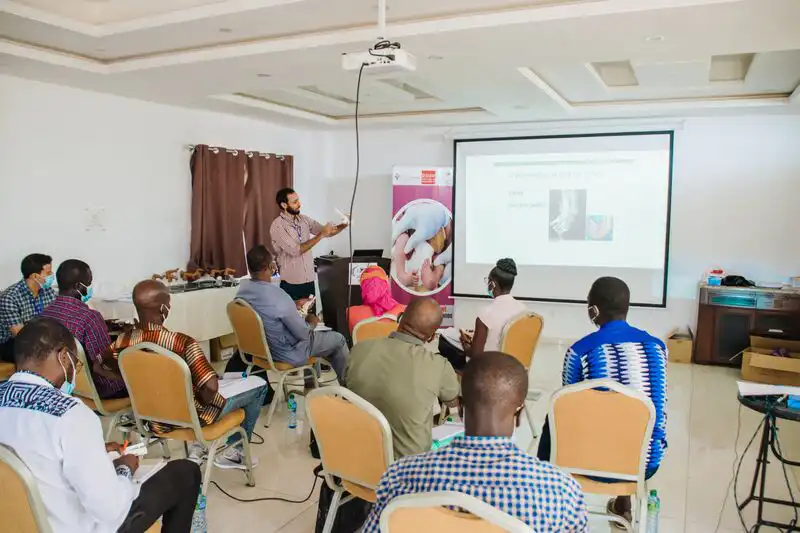
Mercy Ships has long been recognised as a transformative force in global healthcare, particularly in Africa. Through its fleet of hospital ships, it delivers essential medical care, life-saving surgeries, and most notably, medical education. Mercy Ships’ “floating classroom” model offers a unique opportunity for healthcare professionals in Africa to gain hands-on experience and valuable mentorship in a real-world setting.
This initiative plays a pivotal role in addressing Africa’s healthcare challenges by equipping local doctors, nurses, and medical students with the skills necessary to improve care delivery in their communities. By combining clinical practice with structured training, Mercy Ships is fostering a sustainable healthcare model that empowers local professionals to continue serving their communities even after the ships leave. This article delves into the impact of Mercy Ships’ educational programmes, highlighting how they contribute to building stronger, more resilient healthcare systems across Africa.
A Unique Approach to Medical Education
The “floating classroom” of Mercy Ships is a distinctive model for medical education in Africa, offering a dynamic and immersive learning environment. This innovative approach brings together local and international medical professionals to collaborate on improving healthcare delivery. By combining classroom-based learning with hands-on clinical practice, Mercy Ships provides a comprehensive educational experience that goes beyond traditional methods.
This unique approach enhances the skills of local healthcare professionals, ensuring they are equipped with the necessary tools to address some of Africa’s most pressing health challenges. The combination of real-world experience and expert mentorship allows medical professionals to apply their knowledge in practical settings, ultimately strengthening healthcare systems in communities across the continent. Mercy Ships’ floating classroom model is not just about education, it is about empowering local healthcare workers to make lasting, sustainable improvements in their communities.
The Role of Volunteer Surgeons and Mentors
A key aspect of Mercy Ships’ model is the role played by volunteer surgeons in Africa. These professionals, many of whom are internationally recognised, bring invaluable experience and expertise to the programme. They not only perform surgeries but also work closely with local healthcare workers to provide hands-on training and mentorship. Their involvement goes beyond teaching specific medical procedures; it includes imparting knowledge about best practices, patient care, and decision-making in challenging environments.
By offering surgical training in Africa, these volunteer surgeons help local doctors and nurses develop the skills needed to perform complex medical procedures independently. This mentorship is a crucial part of Mercy Ships’ educational approach, ensuring that medical knowledge and techniques are passed on effectively and sustainably to local practitioners. As a result, local healthcare systems become stronger, and the benefits of this education continue long after the Mercy Ships depart.
Hands-On Training on Board
Hands-on training on board Mercy Ships offers a unique and effective learning experience. Unlike conventional medical education that often keeps theory separate from practice, Mercy Ships integrates both aspects into a cohesive programme. Medical students and professionals have the opportunity to learn in a dynamic, real-world setting, applying their academic knowledge in clinical environments. This immersive approach not only enhances their skills but also equips them to face the challenges of working in resource-limited regions.
By working closely with experienced medical staff, participants gain valuable insight into the complexities of healthcare in developing countries. They learn how to adapt to challenging circumstances, improve patient outcomes with limited resources, and refine their clinical abilities in a supportive environment. The practical experience gained aboard Mercy Ships helps to bridge the gap between theory and practice, preparing healthcare professionals to provide effective care even in the most demanding situations.
Capacity Building in Healthcare
Mercy Ships’ approach to capacity building charity is centred on strengthening healthcare infrastructure in African communities for the long term. Through targeted training programmes in surgical procedures and other medical disciplines, Mercy Ships aims to enhance the abilities of local healthcare systems. By offering tailored training to meet the specific needs of the communities served, Mercy Ships ensures that healthcare professionals are well-equipped to address the unique health challenges in their regions. This comprehensive training model not only provides immediate medical support but also empowers local professionals to maintain and expand healthcare services once the ship departs. The focus is on building sustainable healthcare solutions that can continue to grow over time, improving the overall quality of care. Mercy Ships’ commitment to capacity building means that local healthcare workers are better prepared to deliver effective, life-saving care and contribute to a more resilient healthcare system in Africa.
Empowering Local Healthcare Professionals
One of the central goals of Mercy Ships is to empower healthcare workers in Africa by providing them with the necessary skills and knowledge to strengthen their local healthcare systems. Through medical mentorship and clinical training, Mercy Ships helps develop a sustainable workforce capable of delivering high-quality care. Onboard its hospital ships, medical education is delivered directly to those in need, ensuring that healthcare professionals are well-equipped to face the challenges in their communities. This approach enables local professionals to build their expertise without relying on foreign aid, allowing them to continue improving healthcare practices long after the ships leave. By investing in the growth of local healthcare workers, Mercy Ships ensures that the benefits of its mission will extend far beyond its presence, leading to long-term improvements in the healthcare infrastructure across Africa. This empowerment plays a crucial role in creating a more self-sufficient healthcare system for the future.
Mentorship for Doctors, Nurses, and Medical Students
Mercy Ships provides a comprehensive mentorship programme for doctors, nurses, and medical students in Africa, aimed at fostering both personal and professional growth. Through this programme, healthcare professionals gain invaluable clinical practice experience, which enhances their ability to deliver care in challenging environments. In addition to honing technical skills, participants also improve their leadership abilities and build confidence in their roles. The hands-on nature of the programme ensures that learners can apply their knowledge directly in real-world settings, offering a level of practical experience that traditional medical education cannot provide. This immersive approach helps bridge the gap between classroom learning and clinical practice, empowering healthcare workers to take on greater responsibility and leadership in their communities. Mercy Ships’ mentorship programme is essential in developing skilled professionals who will continue to make a lasting impact on healthcare in Africa.
Integrating Surgical Skills and Education
Surgical education is central to Mercy Ships’ mission of transforming healthcare in Africa. The surgical training missions on board the hospital ships provide an invaluable opportunity for local healthcare professionals to learn advanced surgical techniques in a real-world setting. These missions are designed to teach not only the technical aspects of surgery but also the skills necessary to manage complex medical cases in resource-limited environments.
By combining surgical education with medical knowledge transfer, Mercy Ships ensures that local healthcare workers gain both theoretical knowledge and practical experience. This integration allows them to perform a variety of critical procedures, including cataract removal, that directly improve the health and quality of life for individuals in their communities. As a result, Mercy Ships’ approach to surgical training creates lasting benefits for local healthcare systems, enhancing their ability to provide high-quality care long after the ships leave port.
Volunteering On Board with Mercy Ships
Volunteering on board with Mercy Ships allows medical professionals to make a direct impact on healthcare in Africa. Volunteers, including doctors, nurses, and allied health professionals, provide much-needed care to underserved communities while sharing their expertise with local staff. This hands-on experience not only benefits the communities they serve but also contributes to the professional growth of the volunteers as they engage with diverse medical cases and work in a unique, resource-limited environment.
The Mercy Ships volunteer programme is an invaluable opportunity for medical professionals to broaden their skills and knowledge while making a tangible difference. Volunteers have the chance to mentor local healthcare workers, teaching them advanced medical practices and offering guidance in a practical, real-world setting. This exchange of knowledge fosters long-term benefits, ensuring that the skills learned on board continue to improve healthcare delivery in Africa long after the volunteers have returned home.
Improving Healthcare Delivery in Africa
Mercy Ships is dedicated to improving healthcare delivery in Africa by focusing on training and empowering local healthcare professionals. Through its medical missions across the continent, the organisation has a lasting impact on healthcare systems in underserved regions. By providing essential medical training, Mercy Ships helps local healthcare workers enhance their skills, equipping them to tackle a variety of health challenges within their communities.
The organisation’s efforts in delivering healthcare solutions and surgical training are vital in bridging the gap between the high demand for healthcare and the shortage of qualified professionals. By fostering medical education in Africa and providing hands-on surgical skills Africa, Mercy Ships ensures that local healthcare providers are better equipped to offer life-saving care. This sustainable model not only addresses immediate medical needs but also strengthens the healthcare infrastructure, empowering local professionals to lead the charge in improving healthcare delivery for the long term.
Training and Education for a Sustainable Future
Mercy Ships is dedicated to creating a sustainable future for healthcare in Africa by focusing on long-term medical skills development. The organisation ensures that local healthcare workers and medical students receive comprehensive training, not only in medical procedures but also in leadership, clinical practice, and professional development. This holistic approach helps to build a healthcare workforce that can continue to provide high-quality care long after the Mercy Ships depart.
By empowering local professionals with the necessary skills and knowledge, Mercy Ships enables communities in Africa to rely on their own trained healthcare providers. This shift towards self-sufficiency in healthcare delivery is crucial for the long-term improvement of health systems across the continent. The focus on sustainable education ensures that the impact of Mercy Ships’ work endures, allowing local healthcare systems to grow, evolve, and meet the future needs of their populations.
Creating a Legacy Through Education
Mercy Ships goes beyond offering short-term medical care; it is building a lasting legacy through the transfer of medical knowledge. By providing comprehensive training and mentorship, Mercy Ships equips healthcare professionals with the skills necessary to continue improving the healthcare systems in their communities long after the ship departs. This long-term approach ensures that the benefits of their education continue to ripple through the healthcare sector, strengthening it for years to come.
The network of trained and skilled healthcare professionals left behind by Mercy Ships plays a critical role in the ongoing development of Africa’s healthcare infrastructure. These professionals not only continue to provide care but also train the next generation of medical workers. By creating this sustainable cycle of education and knowledge transfer, Mercy Ships is making an invaluable contribution to the future of healthcare in Africa, ensuring a healthier, more self-sufficient continent.
The Importance of Medical Education and Mentorship in Africa
The importance of medical education and mentorship in Africa cannot be overstated. Mercy Ships focuses on building the skills and knowledge of local healthcare professionals through comprehensive training programmes. By offering specialised surgical training, the organisation addresses the critical shortage of skilled medical professionals across the continent. This effort is crucial in improving the quality of care that can be provided within local healthcare systems, especially in remote and underserved areas.
Mercy Ships goes beyond temporary medical aid by focusing on long-term empowerment. Through mentorship and hands-on education, local healthcare workers are equipped with the tools they need to continue providing care even after the ship departs. This sustainable approach helps to foster a healthcare workforce that is capable of tackling Africa’s most pressing health challenges. As a result, Mercy Ships plays a vital role in strengthening healthcare systems and ensuring ongoing improvements in public health across the region.
Final Thoughts …
Mercy Ships has demonstrated that medical education in Africa can be a powerful tool in improving healthcare across the continent. By offering a unique combination of education, mentorship, and hands-on training aboard its floating classrooms, Mercy Ships is equipping local healthcare professionals with the skills and confidence needed to become leaders in their communities. These professionals are empowered to tackle some of the continent’s most pressing health challenges, ensuring that their knowledge is shared and applied long after the ships depart.
The impact of these educational initiatives extends far beyond individual growth. By strengthening the capabilities of local healthcare workers, Mercy Ships is helping to build more resilient healthcare systems in Africa. These programmes lay the foundation for sustainable healthcare, ensuring that communities can continue to meet their medical needs for generations to come. Through its commitment to medical education, Mercy Ships is playing a pivotal role in transforming African healthcare for the better.
FAQs
Where are the two Mercy Ships currently located?
The Global Mercy is currently serving in Freetown, Sierra Leone, and the Africa Mercy is docked in Toamasina, Madagascar. Each field service typically lasts around 10 months before the ships move to new ports.
What kind of anaesthesia training does Mercy Ships provide?
Mercy Ships offers anaesthesia training programmes, including the Nurse Anaesthesia Diploma in partnership with local universities. Training focuses on mentorship and clinical practice to increase the number of qualified anaesthetists.
What is the long-term impact of Mercy Ships’ partnerships with host nations?
The impact is centred on sustainability. By partnering with governments and local institutions, Mercy Ships strengthens healthcare infrastructure, trains professionals, and builds lasting systems of surgical care.
How does Mercy Ships use technology to support its medical education programmes?
Mercy Ships employs modern technology for education, using the ships’ advanced facilities for training and equipping land-based projects with tools like dental school simulation stations.
What volunteer opportunities are available for medical professionals on Mercy Ships?
Opportunities include roles for surgeons, anaesthetists, nurses, and dentists. Volunteers can commit to short-term or long-term assignments, delivering surgeries and mentoring local healthcare workers.
How does Mercy Ships ensure the long-term sustainability of the skills they teach?
Mercy Ships uses a “train the trainers” model, mentoring local professionals who then pass on knowledge. They also develop educational infrastructure like classrooms and labs for permanent learning.
How does Mercy Ships help with dental education in Africa?
Mercy Ships provides free dental care and supports land-based projects, such as expanding Guinea’s public dental school with new facilities and advanced training for students and faculty.
Are there opportunities for non-medical professionals to volunteer?
Yes, non-medical roles are vital. Teachers, engineers, cooks, IT specialists, administrators, and deck crew all contribute to keeping the ships operational.
How does Mercy Ships choose the countries it serves?
Countries in sub-Saharan Africa are prioritised, based on WHO indicators of surgical need. Services are aligned with national healthcare priorities set with local governments.
What is the Pan-African Academy of Christian Surgeons (PAACS), and how does Mercy Ships collaborate with them?
PAACS trains African surgeons locally. Mercy Ships collaborates by hosting PAACS residents on board, where they gain experience and mentorship alongside international professionals.
How does Mercy Ships assist with sterile processing and infection prevention training?
Training covers sterilisation and infection control practices. Nurses and healthcare workers are taught how to properly clean and store instruments, reducing surgical-site infection rates.
What kind of training does Mercy Ships provide for nurses?
Nurses receive mentorship, structured observation, and courses in areas such as perioperative care, wound care, and anaesthesia. The aim is to enhance skills and encourage quality care standards.
How does the ‘floating classroom’ contribute to the surgical ecosystem in a country?
The floating classroom enables Mercy Ships to train large numbers of professionals quickly, improving surgical standards and filling gaps in the healthcare system.
What are some of the long-term goals of the Mercy Ships’ medical education and training programmes?
Goals include creating self-sufficient healthcare systems by empowering local professionals. The aim is for nations to eventually meet their own surgical needs without outside assistance.
How does the Partnership Unit Mentoring Program (PUMP) work?
PUMP provides specialised mentoring for healthcare units, combining courses and hands-on guidance to strengthen professional skills in areas like maxillofacial surgery.
How does the ship’s on-board hospital support medical education?
The hospital acts as a training hub where local professionals gain practical experience, observe international standards, and participate in surgeries under supervision.
What kind of rehabilitation training does Mercy Ships provide?
Physiotherapists receive training and mentorship to improve patient care techniques and healthcare management, supporting better recovery outcomes for patients.
How does Mercy Ships help with training in specific surgical specialties?
Specialised training is provided in maxillofacial, orthopaedic, and reconstructive surgery, often tailored to the most common and urgent needs of the host nation.
How does the training on the ship relate to land-based healthcare facilities?
Training is designed for direct application in local hospitals. Skills learned on the ship are transferred to land-based facilities, ensuring integration into the national healthcare system.
Recent Comments