
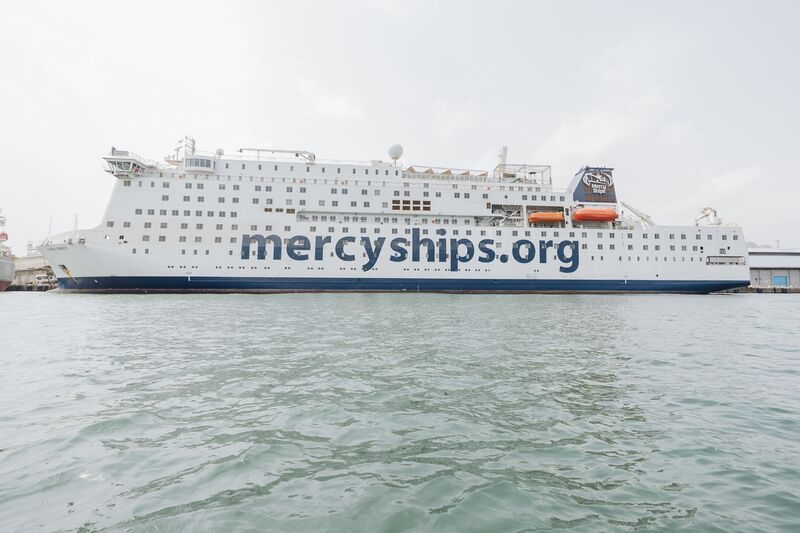
The global surgery gap remains one of the most urgent yet often overlooked challenges in modern healthcare. Across many low and middle income countries, access to essential surgical care is limited or entirely unavailable, leaving millions to suffer from treatable conditions. This gap contributes significantly to preventable deaths, long-term disability, and reduced quality of life, reinforcing cycles of poverty and global health inequity.
While efforts from governments and non-governmental organisations have improved outcomes in some areas, the global surgical burden continues to rise due to gaps in healthcare infrastructure, workforce shortages, and limited access to specialised surgical equipment.
In this context, hospital ships and other forms of humanitarian maritime aid are playing an increasingly vital role. These floating hospitals provide mobile healthcare solutions, delivering life-changing operations and supporting local systems through training and collaboration. As demand grows, their contribution to addressing medical shortages and improving health equity is becoming more significant than ever.
The scale of the global surgery gap
The scale of the global surgery gap is immense, affecting billions of people who cannot access timely and safe procedures. In many low and middle income countries, limited healthcare infrastructure and workforce shortages mean that treatable conditions are often left unaddressed. As a result, issues such as untreated injuries, infections, and congenital conditions can become life-threatening, contributing significantly to the global surgical burden and ongoing health inequity.
Why essential surgical care is still out of reach
Access to essential surgical care remains out of reach for many communities due to a combination of underdeveloped healthcare infrastructure, workforce shortages, and uneven resource distribution. Limited availability of trained surgeons, anaesthetists, and nursing staff further restricts the delivery of safe and timely care, particularly in rural and island settings.
Geographic isolation also plays a major role, with remote communities facing long travel distances and high costs to reach medical facilities. Even where services exist, financial barriers can prevent individuals from seeking treatment, leading to worsening conditions over time. Australia’s support through regional aid programmes and medical outreach initiatives highlights the importance of improving access, yet significant gaps remain in ensuring that essential surgical care is available to those who need it most.
The growing impact of global health inequity
Global health inequity is becoming increasingly pronounced as disparities in access to care continue to affect millions of people worldwide. In many low and middle income countries, limited healthcare infrastructure, workforce shortages, and financial barriers prevent individuals from receiving timely treatment. Conditions that are routinely managed in well-resourced systems often go untreated, leading to preventable deaths and long-term disability. This growing divide highlights the urgent need for coordinated international responses that prioritise access to essential surgical care and broader health services.
Addressing global health inequity not only supports better health outcomes but also promotes stability, resilience, and sustainable development across communities closely connected to Australia.
The role of hospital ships in modern healthcare delivery
Hospital ships play an increasingly important role in modern healthcare delivery by providing flexible and responsive care to regions where land-based systems are limited. These vessels function as fully equipped floating hospitals, capable of delivering essential surgical care, diagnostics, and post-operative support directly to coastal communities.
In addition to direct patient care, hospital ships contribute to long-term healthcare improvement through training and collaboration with local professionals. Australian-supported initiatives often focus on building local capacity, ensuring knowledge transfer in areas such as anaesthesia safety and surgical procedures. This approach supports sustainable healthcare development while strengthening regional partnerships and improving overall health outcomes.
Floating hospitals as mobile healthcare solutions
Floating hospitals are an increasingly important part of mobile healthcare solutions, offering flexible and responsive care to communities that are otherwise difficult to reach. In regions where healthcare infrastructure is limited or where geography presents barriers, such as Africa , these vessels can be rapidly deployed to deliver essential surgical and medical services. By operating independently of land-based facilities, they help address urgent healthcare shortages and improve access to timely treatment.
For Australia, this model aligns closely with its regional health engagement and humanitarian support efforts. Through partnerships with non-governmental organisations and regional health programmes, floating hospitals contribute to strengthening healthcare delivery where it is needed most. They also support knowledge sharing and clinical training, helping to build local capacity while ensuring patients receive immediate and often life-changing care in underserved communities.
Supporting surgical capacity building in developing nations
Hospital ships play a vital role in supporting surgical capacity building in developing nations by going beyond short-term interventions. Through structured clinical training programs, they work alongside local doctors, nurses, and allied health professionals to build practical skills in areas such as anaesthesia safety, infection control, and post-operative care. Australian medical volunteers and organisations, such as Mercy Ships, often contribute to these initiatives, sharing expertise aligned with Australia’s high standards in patient safety and clinical governance. This collaborative approach ensures knowledge is transferred effectively while respecting local healthcare contexts.
Over time, this investment in education helps strengthen healthcare systems from within. Local professionals gain the confidence and capability to perform essential procedures independently, reducing long-term reliance on external aid.
Life-changing operations and their long-term impact
Life-changing operations delivered through humanitarian programs have a profound and lasting impact on individuals and communities. Procedures such as reconstructive surgery, orthopaedic care, and ophthalmic surgery restore not only physical function but also dignity and independence. For many patients in low and middle income countries, conditions like cleft lip and palate or untreated injuries can limit access to education, employment, and social inclusion. By addressing these issues, surgical interventions significantly improve overall wellbeing and enable individuals to participate more fully in daily life.
Addressing maternal health and paediatric surgery needs
Access to safe surgical care is essential for improving maternal health and paediatric outcomes, particularly in regions where healthcare services remain limited. Complications during childbirth, such as obstructed labour or emergency caesarean sections, require timely surgical intervention to prevent serious harm or death. For children, conditions that are treatable through routine procedures can become life-threatening without access to skilled professionals and proper facilities. Australia’s focus on regional health partnerships, especially across the Indo-Pacific, highlights the importance of strengthening surgical systems to support vulnerable populations.
The importance of specialised surgical equipment and logistics
The importance of specialised surgical equipment and logistics cannot be overstated when delivering care through hospital ships. Effective coordination ensures that advanced tools, sterile supplies, and diagnostic technology are transported safely to regions with limited healthcare infrastructure. For Australian-supported medical outreach programs, maintaining high clinical standards requires strict adherence to Australian healthcare guidelines and safety protocols. This includes ensuring equipment meets regulatory expectations and that systems are in place for safe storage, maintenance, and use in challenging maritime environments.
Equally critical is the planning behind medical ship logistics, which supports everything from patient intake to post-operative care. Reliable supply chains, trained personnel, and clear operational procedures help ensure continuity of care even in remote settings. Australian involvement in these initiatives often emphasises sustainability and capacity building, ensuring that local healthcare systems benefit beyond immediate interventions. By combining precision logistics with specialised equipment, hospital ships can deliver consistent, high-quality surgical outcomes
The cost of untreated conditions on communities
Untreated medical conditions place a significant burden on communities, particularly in regions where access to timely care is limited. When individuals are unable to receive essential surgical care, conditions often worsen, leading to chronic illness or permanent disability. This reduces workforce participation and productivity, which in turn affects local economies.
The social impact is equally profound. Families may face ongoing financial pressure due to lost income and the need for long-term care, while communities experience increased strain on already limited healthcare infrastructure. Australian-supported medical outreach programs and non-governmental organisations continue to address these challenges by improving access to treatment and strengthening local systems. By investing in early intervention and sustainable healthcare development, the long-term costs associated with untreated conditions can be significantly reduced.
Australia’s role in supporting global health initiatives
Australia plays a significant role in advancing global health initiatives, through targeted funding, strategic partnerships, and practical on-the-ground support. Government agencies such as the Department of Foreign Affairs and Trade (DFAT) invest in health programmes that strengthen regional systems, improve access to essential surgical care, and support workforce development. Australian organisations and universities also collaborate with regional partners to deliver medical outreach programs, clinical training, and research that address shared health challenges.
In addition to government efforts, Australian non-governmental organisations and volunteer medical professionals contribute to sustainable healthcare development through long-term partnerships and capacity building initiatives. These programs focus on improving local healthcare infrastructure, supporting safe surgery initiatives, and enhancing post-operative care systems.
Final thoughts …
The global surgery gap remains a significant challenge, but it is one that can be addressed through sustained effort and practical solutions. Hospital ships, alongside broader medical outreach programs, are demonstrating how innovative healthcare delivery can reach communities with limited access to essential surgical care. By combining advanced facilities with on-the-ground training and support, these initiatives are not only treating immediate conditions but also strengthening local healthcare systems over time.
FAQs
What is the global surgery gap and how does it affect our region?
The global surgery gap refers to the five billion people worldwide who lack access to safe, affordable surgical care, particularly in low-resource regions across Africa and developing nations.
Can Australian medical professionals volunteer on hospital ships?
Yes, Australian surgeons, nurses, anaesthetists, and biomedical engineers regularly volunteer on hospital ships through organisations such as Mercy Ships Australia.
Do Australian doctors need specific AHPRA registration to volunteer overseas?
Yes, Australian medical professionals should maintain their AHPRA registration and ensure their professional indemnity insurance covers international humanitarian work.
What types of surgeries are most commonly performed on these vessels?
Hospital ships commonly perform cataract surgery, cleft lip and palate repairs, reconstructive surgery, orthopaedic procedures, and tumour removals.
Are donations to hospital ship charities tax-deductible in Australia?
Yes, donations made to Australian charities with Deductible Gift Recipient (DGR) status are generally tax-deductible for Australian taxpayers.
How does surgical capacity building help local healthcare workers?
Capacity building focuses on mentoring and training local surgeons, nurses, and healthcare teams so medical knowledge remains within the community after the ship departs.
What is the Global Mercy and how does it involve Australians?
The Global Mercy is the world’s largest purpose-built civilian hospital ship, supported by Australian donors and staffed by many Australian volunteers.
Do volunteer nurses need to be registered with the Nursing and Midwifery Board of Australia?
Yes, volunteer nurses should maintain current registration with AHPRA and the Nursing and Midwifery Board of Australia to practise professionally overseas.
How do hospital ships impact maternal health in developing nations?
Hospital ships provide surgeries such as vesicovaginal fistula repairs, helping women affected by childbirth injuries caused by limited surgical access.
Can non-medical Australians volunteer on hospital ships?
Yes, hospital ships rely on non-medical volunteers including cooks, electricians, teachers, IT staff, and maritime crew to support daily operations.
How does the Australian government support global surgical initiatives?
Australia supports global healthcare projects through DFAT funding and partnerships with humanitarian organisations focused on surgical access and healthcare development.
Is there a minimum time commitment for Australian volunteers?
Volunteer commitments vary by role. Medical specialists may serve for a few weeks, while operational and maritime positions often require several months.
How do hospital ships handle post-operative care?
Patients receive recovery care onboard through dedicated wards and intensive care facilities, with some organisations also operating land-based rehabilitation centres.
What is the Lancet Commission on Global Surgery?
The Lancet Commission highlighted the worldwide shortage of surgical access and helped position surgery as a critical component of global healthcare systems.
Are there Australian corporate partnerships for medical missions?
Yes, many Australian businesses support medical missions through donations of medical supplies, logistics support, and financial sponsorships.
How do hospital ships ensure safe anaesthesia in resource-poor settings?
Hospital ships use modern anaesthetic equipment, strict safety protocols, and specialist training programmes for local healthcare workers.
How can Australian medical students get involved?
Medical students can support global surgery initiatives through university partnerships, fundraising programmes, awareness campaigns, and selected elective placements.
What is the impact of untreated surgical conditions on a country’s economy?
Untreated conditions can prevent people from working or attending school, reducing economic productivity and placing long-term strain on communities.
Where can I find more information about Australian-supported surgical missions?
Further information is available through Mercy Ships Australia and DFAT health assistance programmes, which outline volunteer opportunities and current medical projects.
Recent Comments