
Volunteering in Africa presents a unique chance to make a real difference in global healthcare. Whether you’re a healthcare professional or a student seeking clinical placements, there are countless opportunities across the continent to get involved in meaningful medical missions. These programmes provide volunteers with the chance to apply their skills while directly contributing to healthcare efforts in communities facing significant challenges.
In this article, we will explore some of the top volunteer opportunities in Africa, focusing on medical missions and healthcare volunteering. We will guide you on how to find the best programmes that align with your personal and professional goals, ensuring that your volunteer experience is both impactful and rewarding. From rural clinics to hospital settings, Africa offers diverse opportunities that not only enhance your career but also create lasting change in the communities you serve.
Exploring Volunteer Opportunities in Africa
Africa offers a vast array of volunteer opportunities, especially in the healthcare sector, where there is a significant demand for skilled professionals. Whether through short-term medical missions or long-term community health projects, there are numerous ways to make a meaningful contribution. Volunteering in medical missions in Africa allows you to work directly with local communities, providing care, education, and support where it’s most needed.
By choosing to volunteer in Africa, you’ll have the chance to tackle pressing health challenges such as infectious diseases, malnutrition, and maternal health. These issues continue to affect millions across the continent, and by participating in these initiatives, you not only gain hands-on experience but also make a lasting impact. In addition to developing your professional skills, volunteering in Africa offers an opportunity to immerse yourself in diverse cultures and environments, making it a rewarding experience both personally and professionally.
What Are Medical Missions in Africa?
Medical missions in Africa are volunteer-driven healthcare efforts that bring medical professionals and volunteers to underserved regions to provide essential healthcare services. These missions aim to address the significant healthcare gaps in areas where resources are scarce, such as rural villages or urban slums. Volunteers typically offer a range of medical services, including primary care, emergency treatment and health education. These initiatives often focus on addressing urgent health issues such as infectious diseases, maternal and child health, and malnutrition.
In addition to direct patient care, medical missions in Africa play a key role in raising health awareness and educating communities about disease prevention, sanitation, and healthy lifestyles. By working alongside local healthcare providers, volunteers help strengthen healthcare systems and ensure that underserved populations receive the attention and resources they need. Medical missions are vital to improving the overall health of communities, providing care where it is most needed, and contributing to long-term health improvements.
Volunteering in Rural and Remote Areas
Medical volunteering in rural and remote areas of Africa offers a chance to contribute to regions that are often overlooked by the mainstream healthcare system. These areas face significant healthcare challenges, including limited access to medical facilities, a shortage of healthcare professionals, and a high prevalence of preventable diseases. By volunteering in these regions, you can help bridge the gap, offering essential medical care to those who need it the most.
Rural volunteering is not only about providing medical services; it also involves educating communities on health and wellness practices. Volunteers often assist in health education programmes, raising awareness about hygiene, nutrition, and disease prevention. Supporting local healthcare professionals by providing additional resources, training, and hands-on assistance can help improve the overall healthcare infrastructure in these underserved areas. Volunteering in such environments provides both personal and professional growth, making a lasting impact on the health and well-being of communities.
The Role of Healthcare Volunteers in Africa
Healthcare volunteers play a vital role in addressing the healthcare needs across Africa. Whether you’re a doctor, nurse, physiotherapist, dentist, or public health specialist, your skills can have a direct impact on communities facing significant health challenges. Volunteers often work in underserved areas, providing essential medical care, assisting in children’s surgeries, and offering health education to improve local knowledge and prevent disease. Their presence in these communities helps bridge gaps in care, especially where local healthcare professionals are limited or overwhelmed.
Beyond immediate care, healthcare volunteers contribute to long-term improvements by focusing on sustainable health practices. They work on projects that build local capacity, such as training healthcare workers, providing medical equipment, and helping establish more effective healthcare systems. By empowering local communities and healthcare professionals, volunteers help create lasting change, fostering independence and strengthening the overall healthcare infrastructure. This long-term support is crucial to improving health outcomes in developing regions across Africa.
Short-Term vs. Long-Term Volunteer Placements
Short-term volunteer placements in Africa typically last from a few weeks to a few months. These missions offer a great way to make a quick and meaningful impact in a short amount of time. Volunteers often work on specific, time-sensitive projects, providing immediate support to underserved communities. For those with limited time or those seeking to experience volunteering abroad without a long commitment, short-term placements offer flexibility and the chance to contribute in a meaningful way.
In contrast, long-term placements allow volunteers to immerse themselves more deeply in their projects and see the long-lasting effects of their contributions. These placements often span several months or even a year, allowing volunteers to work closely with local communities and healthcare professionals. This deeper involvement can lead to more significant outcomes, such as building stronger relationships, improving healthcare systems, and training local workers. Long-term placements are ideal for those seeking a more profound and sustainable impact.
Finding Ethical Medical Missions
When volunteering in Africa, choosing ethical medical missions is vital to ensure your efforts are truly beneficial. Ethical programs are designed to work alongside local healthcare professionals, focusing on sustainable practices that empower communities rather than offering temporary fixes. These missions are built on collaboration, training local staff, and strengthening healthcare systems, rather than creating dependency on foreign aid.
To select an ethical program, it is essential to research the mission’s approach and long-term goals. Look for organisations that prioritise community involvement, transparent funding, and clear strategies for creating lasting change. A well-designed mission will work to address the root causes of healthcare challenges and ensure that volunteers contribute in a way that enhances local capacity. This approach ensures that the impact of your volunteer work extends far beyond your time on the ground, fostering real, positive change within the community.
Popular Destinations for Volunteering in Africa
Popular destinations for healthcare volunteering in Africa include Kenya, Tanzania, Uganda, Ghana, and South Africa. These countries are known for their unique healthcare challenges and offer numerous opportunities for volunteers in various medical fields. In Kenya, volunteers can support rural clinics and hospitals, addressing issues like maternal health and infectious diseases. Tanzania, with its developing healthcare infrastructure, provides chances for volunteers to assist in outreach programmes and basic care.
Uganda, Ghana, and South Africa each present distinct opportunities for volunteers. In Uganda, volunteers often focus on community health projects and medical missions, working in rural areas with limited resources. Ghana offers a mix of hospital placements and public health initiatives, while South Africa provides opportunities in both urban and rural settings, with a focus on advanced medical care and training local healthcare professionals. Volunteering in these countries allows individuals to gain valuable experience while making a meaningful impact on communities in need.
Healthcare Volunteering in Kenya
Healthcare volunteering in Kenya provides volunteers with the chance to make a meaningful impact in underserved areas, particularly in rural regions where healthcare services are scarce. Volunteers can assist in medical missions, offer support in running local clinics, and help address critical health issues such as maternal health, child nutrition, and infectious diseases like malaria and HIV. Working alongside local healthcare professionals, volunteers contribute to improving the overall health outcomes of these communities.
Kenya also offers a rich cultural experience, with its diverse landscapes ranging from savannahs to mountains, and vibrant cities such as Nairobi. Volunteers not only help in addressing pressing healthcare challenges but also immerse themselves in Kenya’s unique traditions and way of life. This combination of meaningful work and cultural exploration makes Kenya an ideal destination for those looking to contribute to healthcare improvement while gaining valuable global health experience.
Volunteering in Tanzania’s Healthcare System
Tanzania’s healthcare system faces significant challenges, particularly in rural areas where access to medical services is limited. Many regions rely heavily on volunteers to provide essential care and support. Healthcare volunteers in Tanzania have the opportunity to assist in medical outreach programs, offering treatments for common ailments and helping to manage ongoing health issues such as malaria and malnutrition. Volunteers can also engage in preventive healthcare initiatives, raising awareness about hygiene, nutrition, and disease prevention, which are crucial to improving overall public health.
In addition to providing medical care, volunteers play a key role in supporting local health education campaigns. By working with local communities, volunteers help educate individuals about healthier lifestyles and sanitation practices. This kind of engagement is vital for empowering communities to take control of their health and well-being. Volunteering in Tanzania offers a unique chance to make a real difference while gaining valuable experience in a developing healthcare system.
Volunteering in South Africa’s Hospitals
Volunteering in South Africa’s hospitals offers healthcare professionals and volunteers the chance to make a significant impact in both well-established and underserved areas. The country has a range of healthcare facilities, from modern hospitals in urban centres to remote clinics that often struggle with limited resources. Volunteers can engage in hospital-based medical placements, assisting in the treatment of patients and supporting local medical teams. These placements offer valuable experience in a fast-paced and diverse healthcare environment, allowing volunteers to expand their skills while helping address the country’s healthcare needs.
In addition to professional growth, volunteering in South Africa provides a rich cultural experience. The country is home to a variety of landscapes, wildlife, and vibrant communities, making it an exciting place to explore in your downtime. Volunteers have the opportunity to learn about South Africa’s diverse cultures while making a real difference in people’s lives. It’s a rewarding experience that combines healthcare work with cultural immersion.
Long-Term Volunteer Work: A Deeper Commitment
Long-term volunteer work in Africa offers a unique opportunity to make a lasting impact on local communities. By committing to extended placements, volunteers can engage in projects that require sustained effort and involvement, such as building healthcare infrastructure, training local professionals, and implementing long-term health programmes. This type of work allows you to see the tangible results of your efforts, providing a sense of fulfilment and achievement as you contribute to the sustainable development of healthcare systems.
While long-term volunteering can be more demanding, it is also immensely rewarding. Volunteers who stay for several months or even years gain deeper insights into the challenges and opportunities within local communities. This immersion fosters stronger relationships with the people you are helping, as well as with your colleagues. Furthermore, long-term volunteering offers invaluable personal and professional growth, helping you develop a broader perspective on healthcare delivery, cultural differences, and the complexities of working in underserved regions.
Pre-Med and Clinical Placements for Students
Pre-med placements and clinical electives in Africa provide healthcare students with the opportunity to gain practical, real-world experience in medical settings. These placements often take place in hospitals, clinics, or community health projects, where students can observe and participate in patient care, medical procedures, and treatment plans. By working alongside local healthcare professionals, students can develop a deeper understanding of medical practices in diverse environments and learn how healthcare systems operate in resource-limited settings.
In addition to enhancing clinical skills, these experiences allow students to gain a global perspective on healthcare delivery. They offer insights into the challenges faced by developing countries, such as limited access to medical resources, staff shortages, and the prevalence of infectious diseases. Volunteering in Africa also fosters cultural awareness and adaptability, essential skills for any healthcare professional. These placements help students build a solid foundation for their future careers while contributing to meaningful medical missions abroad.
Community Health Projects and Public Health Volunteering
Public health volunteering in Africa plays a critical role in improving overall health outcomes at the community level. Volunteers engage in projects that address pressing health issues such as malnutrition, poor sanitation, and inadequate healthcare access. These initiatives focus on prevention, education, and sustainable solutions, all of which are vital in improving the long-term health of communities. By working alongside local healthcare providers, volunteers help build knowledge and skills that contribute to better health practices and reduced disease burdens.
In many African countries, public health volunteers work on disease prevention initiatives such as malaria control and clean water projects.. Volunteers also focus on health education, teaching communities about hygiene, nutrition, and family health practices. These projects provide immediate relief while also creating long-term improvements in health awareness. Volunteering in public health allows individuals to contribute meaningfully to the fight against preventable diseases, ultimately strengthening healthcare systems and empowering communities to take charge of their health.
Final Thoughts …
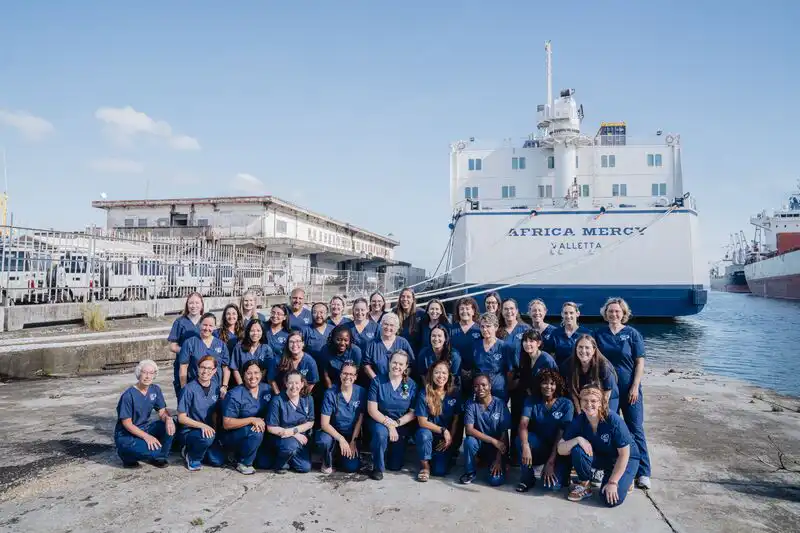
Volunteering in Africa, especially within healthcare, provides a unique opportunity to contribute to communities in need while gaining invaluable hands-on experience. Whether participating in medical missions, public health initiatives, hospital ships (like Mercy Ships) or community health projects, volunteers can make a significant impact on local healthcare systems. By offering care and support in underserved areas, your efforts can improve access to essential services and create long-lasting benefits for individuals and communities.
Choosing ethical and well-structured volunteer programs ensures that your work aligns with the needs of the local population and contributes to sustainable development. Volunteering in Africa allows you to broaden your global perspective, develop professionally, and make a meaningful contribution to the health and well-being of others. If you’re seeking a life-changing experience that combines purpose with personal growth, Africa offers some of the most rewarding volunteer opportunities available today.
FAQs
What qualifications are needed to join a medical mission in Africa?
Requirements vary significantly. Qualified doctors, nurses, and allied healthcare professionals are in high demand, but many volunteer programmes also welcome pre-med students, retired professionals, and non-medical volunteers for support roles like administration and public health education.
What is the typical duration for medical missions and clinical placements in Africa?
Short-term medical missions can last from one to four weeks. Longer placements, such as medical electives or specific global health placements, often run for four to twelve weeks, with some volunteer opportunities extending to several months or a year.
Which African countries offer the best healthcare volunteering opportunities?
Popular destinations for healthcare volunteering include Ghana, Kenya, Tanzania, South Africa, and Uganda. These countries have established volunteer organisations with structured projects and local partnerships.
What is the difference between a medical mission and a clinical placement?
A medical mission is typically a short-term outreach focused on providing acute care, health screening, or performing surgeries. A clinical placement is usually an observational or assistant role in an existing hospital or clinic for a longer duration, often for students.
What are the common costs associated with volunteer programmes in Africa?
Costs usually cover a placement fee, which includes accommodation, meals, in-country transport, and 24/7 support. Volunteers must budget separately for flights, visas, travel insurance, and personal spending.
Can I volunteer on a medical mission if I am not a qualified healthcare professional?
Absolutely. Non-medical volunteers are essential for tasks such as health education workshops, community outreach, patient registration, data collection, logistical support, and administrative duties.
Are there any age restrictions for overseas medical volunteering?
Most reputable volunteer organisations require participants to be 18 years or older, especially for independent travel. Programmes sometimes allow younger volunteers if accompanied by a parent or guardian.
How do I ensure a meaningful volunteer work experience rather than voluntourism?
Look for ethical medical missions that prioritise sustainability, work under the direction of local staff, focus on capacity building, and have transparent project goals that address genuine community needs.
What type of accommodation is provided during volunteer aid work abroad?
Accommodation typically includes shared volunteer houses, host family stays, or secure lodgings managed by the local partner team, providing safety and cultural immersion.
Will I receive support and training while on an African healthcare initiative?
Yes. Reputable volunteer programmes provide a comprehensive orientation covering safety, culture, and project expectations, along with ongoing in-country support.
What diseases or conditions will I encounter during medical missions to Africa?
Volunteers commonly encounter infectious diseases, malnutrition, respiratory illnesses, maternal and child health issues, and chronic conditions such as diabetes and hypertension.
Do I need specific vaccinations before undertaking healthcare volunteering in Africa?
Yes. Commonly required vaccinations include Yellow Fever, Hepatitis A and B, Typhoid, and Tetanus/Diphtheria/Polio. A travel health specialist should be consulted well in advance.
How can I find affordable medical volunteering Africa options?
Compare programme fees across organisations, consider longer placements where weekly costs are lower, and explore less common destinations where expenses may be reduced.
Is an elective or clinical placement in Africa good for a medical school application?
Yes. Ethical clinical placements demonstrate cultural awareness, resilience, and commitment to healthcare, which are valued qualities for medical school applications.
What should I pack for a volunteer in Tanzania healthcare trip?
Pack lightweight conservative clothing, scrubs if required, closed footwear, basic medical supplies for donation, hand sanitiser, and a personal first-aid kit.
Are there public health volunteering Africa roles available?
Yes. Public health roles often include community education, sanitation initiatives, maternal and child health programmes, and HIV/AIDS awareness campaigns.
Can dentistry volunteer Africa missions be arranged?
Yes. Dental missions are available for qualified professionals and typically focus on oral health education, extractions, and basic restorative care.
What are the ethical considerations for overseas medical volunteering?
Volunteers must work within their qualifications, respect patient confidentiality, avoid replacing local staff, and ensure activities support long-term community benefit.
How long in advance should I apply for the best volunteer programmes in Africa?
Applications should ideally be submitted six to twelve months in advance, particularly for popular placements or those requiring visas.
Can I receive a reference for my time on a meaningful volunteer work project?
Most reputable organisations provide a certificate of completion and can issue a reference outlining your responsibilities and contribution.
Which top volunteer organisations Africa are recommended for medical placements?
Look for established organisations with strong local partnerships, ethical frameworks, and affiliations with recognised hospitals, NGOs, or global health charities.
Recent Comments