
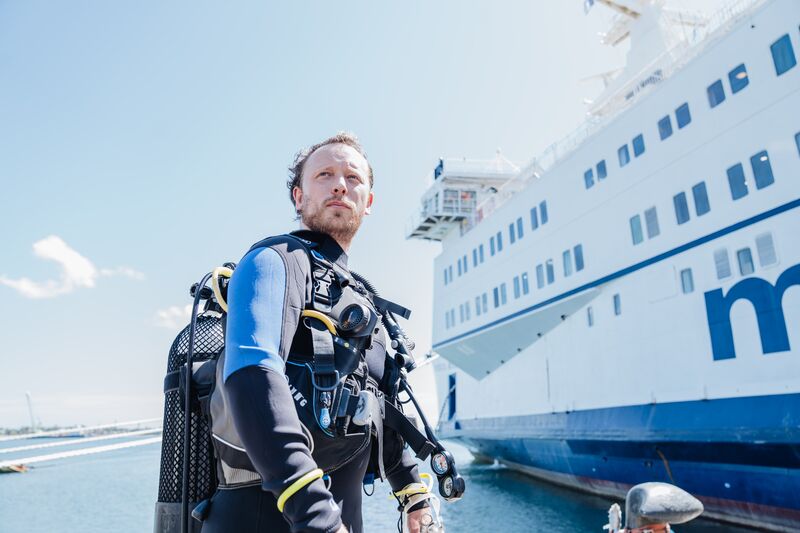
Volunteering at sea offers a unique sense of purpose and excitement, especially when the mission serves a humanitarian cause. Mercy Ships Australia operates the Global Mercy, a hospital ship providing crucial medical care to underserved communities worldwide. The ship’s success depends not only on the medical teams aboard but also on the careful maintenance and upkeep of the vessel’s structure.
Diver volunteers are vital to this operation, ensuring the ship remains safe and operational through regular hull inspections and maintenance. These tasks are essential to preserve the vessel’s integrity and ensure it can continue its mission of delivering medical services to those in need. This article will delve into the specific roles diver volunteers take on, the technical skills required, and how their contributions support Mercy Ships Australia’s mission. Whether conducting underwater repairs or performing routine inspections, diver volunteers are essential to the ongoing success of the Global Mercy.
The Role of Diver Volunteers in Ship Maintenance
Diver volunteers onboard both the Africa Mercy and the Global Mercy play an essential role in maintaining the vessel’s operational efficiency. Their responsibilities include performing hull inspections, cleaning, and carrying out necessary repairs. By undertaking these tasks, they help ensure that the ship remains in excellent condition, preventing costly maintenance delays. This allows both ships to continue supporting its critical medical missions, providing essential care to communities in need. Regular maintenance is vital to keep the vessel operating smoothly in diverse marine environments.
In addition to basic maintenance, volunteer divers are also tasked with more specialised roles, such as biofouling removal and ensuring the structural integrity of the ship’s hull. This proactive approach prevents long-term damage, which could hinder the ship’s ability to deliver medical services. By staying on top of these maintenance tasks, divers ensure the vessel’s longevity and its ability to support global humanitarian efforts. These vital roles are crucial for ensuring the ongoing success of Mercy Ships’ medical outreach.
Technical Diving for Hull Inspection and Maintenance
Diving for hull inspection and maintenance is a highly skilled role that requires technical expertise. Volunteers are responsible for performing detailed assessments of the ship’s hull, ensuring it is free from damage, corrosion, and biofouling. Tasks such as underwater welding, cutting, and repairs are part of the daily duties, requiring specialised training and experience in commercial diving. These technical tasks are critical to the ship’s operational readiness, preventing costly downtime and ensuring the vessel remains safe and effective for its medical missions.
In Australia, strict diving safety protocols and regulations are in place to protect volunteers while they perform these tasks. Volunteers need to be familiar with Australian maritime safety standards and diving procedures. Technical diving for hull maintenance requires a high level of competency, as volunteers often work in challenging conditions. Their contributions are invaluable, helping to maintain the ship’s integrity and enabling Mercy Ships to continue its mission of delivering life-saving medical care to remote regions.
The Importance of Preventative Hull Maintenance
Regular preventative hull maintenance is crucial for ensuring the longevity of any ship, particularly one like the Global Mercy, which operates in a range of demanding marine environments. In Australia, ships are subject to strict regulations regarding their upkeep, ensuring they remain safe and operational. Volunteer divers play a vital role in performing tasks such as sacrificial anode replacement, cathodic protection maintenance, and biofouling removal. These efforts are essential to preventing corrosion and damage caused by the harsh marine conditions, especially in regions where marine growth can quickly accumulate.
By maintaining the ship’s hull, volunteers ensure the vessel remains in top condition, minimising the risk of costly repairs and downtime. This work not only contributes to the ship’s operational efficiency but also extends its service life, allowing it to continue providing vital medical support in Australian waters and beyond. Through their dedication, diver volunteers help safeguard the Global Mercy’s ability to serve the communities that rely on it for essential healthcare services.
Volunteer Opportunities for Marine Engineers and Divers
Mercy Ships provides unique volunteer opportunities for divers with a background in marine engineering, offering a chance to apply their technical skills in a humanitarian context. Volunteers in these roles assist with critical ship maintenance, including the repair and upkeep of the vessel’s propulsion and power systems. By ensuring these systems operate at full capacity, they directly contribute to the smooth running of both ships. Volunteers help prevent costly downtime and ensure the vessel can continue its medical missions to remote areas.
For marine engineers, there are also opportunities to participate in hull inspection duties. By assessing the structural integrity of the vessel, engineers use their technical expertise to identify any potential issues and recommend repairs. This collaboration between diving and engineering creates an impactful volunteer role, allowing skilled professionals to contribute directly to a cause that improves lives across the globe. This opportunity is particularly suited for Australian professionals looking to use their skills for a greater good.
Marine Growth Prevention and Biofouling Removal
Marine growth on a ship’s hull can significantly impact its performance, leading to increased fuel consumption, reduced speed, and potential long-term damage. In Australian waters, this growth, which includes barnacles, algae, and marine organisms, thrives in the warm, nutrient-rich ocean environment. As part of their volunteer roles, divers assist in the removal of these organisms, ensuring that the vessel’s hull remains smooth and free of any growth that could hinder its operational efficiency.
Biofouling removal is essential not only for maintaining the ship’s fuel efficiency but also for preserving the vessel’s integrity in the long term. In Australia, diver volunteers follow strict environmental and safety guidelines to carry out this task, using approved methods and tools to remove marine growth effectively. By preventing biofouling buildup, volunteers help ensure that the ship can continue its important humanitarian missions without delay or added operational costs. The role of diver volunteers is vital to maintaining the overall health and performance of the vessel.
Underwater Welding and Cutting for Ship Repairs
Underwater welding and cutting are essential techniques for repairing the hull of both the Global Mercy and the Africa Mercy. When hull inspections uncover damage such as cracks or structural weaknesses, diver volunteers skilled in these methods step in to restore the vessel’s integrity. These divers use specialised equipment to carry out repairs underwater, ensuring that the ship remains operational and safe in challenging marine conditions. The work is demanding, requiring both technical expertise and the ability to work in an often unpredictable underwater environment.
In Australia, the standards for commercial diving and underwater welding are regulated by organisations such as WorkSafe and the Australian Diver Accreditation Scheme (ADAS). Diver volunteers working on both the ships must adhere to these strict safety protocols to ensure that both the volunteers and the ship remain in top condition. Without these highly skilled divers, the Global Mercy and the Africa Mercy would face difficulties in maintaining the necessary repairs, which could affect its ability to continue its vital humanitarian work.
Diving Safety Protocols for Volunteers
Diving for maintenance and repair tasks on the Global Mercy requires strict adherence to safety protocols to ensure the well-being of volunteers and the integrity of the vessel. In Australia, divers must follow guidelines that are in line with local and international safety standards, such as those set by Safe Work Australia and the Australian Diving Safety Network. Proper training is essential, ensuring that divers are familiar with the equipment and procedures required for safe underwater work. This includes the correct use of diving gear, communication systems, and emergency protocols.
The safety training provided to volunteer divers is designed to manage the risks associated with underwater tasks. Volunteers are taught how to handle potential hazards, such as underwater visibility issues, currents, and equipment failure. The training also covers first aid and rescue procedures, so divers are prepared to act quickly in case of an emergency. By prioritising safety, Mercy Ships ensures that all volunteer divers can carry out their essential tasks confidently and securely.
How Volunteers Contribute to the Mercy Ships Mission
Volunteer divers are an essential part of the Mercy Ships mission, ensuring that both the Global Mercy and the Africa Mercy remain operational and ready to provide critical medical services. By conducting routine inspections, cleaning, and repairs on the hull, they help maintain the vessel’s integrity, preventing costly issues that could delay medical missions. These volunteers are integral to the day-to-day functioning of the ship, allowing it to continue its work of providing life-changing medical care to underserved communities around the world.
From performing underwater hull cleaning to ensuring structural integrity, these volunteers ensure that the ship remains safe, efficient, and ready to offer healthcare in the most challenging environments. Their contribution directly supports the broader mission of Mercy Ships, helping provide essential medical procedures and services to those in need.
The Rewarding Experience of Volunteering at Sea
Volunteering with Mercy Ships provides an unparalleled chance to live and work at sea while making a significant difference. Volunteer divers, in particular, can combine their technical skills with humanitarian efforts, performing essential tasks like hull inspections and underwater repairs. This hands-on work directly supports Mercy Ships’ life-changing medical missions, offering volunteers a deep sense of purpose and accomplishment. By contributing their expertise, divers play a critical role in ensuring that the ship remains operational, enabling it to continue its vital work in some of the most underserved communities across the globe.
For those based in Australia, volunteering with Mercy Ships offers the chance to join a global network of dedicated professionals while exploring new cultures and environments. The opportunity to travel to remote regions and offer help where it’s needed most brings both personal and professional growth. We have written more about what volunteers can expect on board here as well as how Volunteers experience firsthand the profound impact their work has, making the entire journey of service at sea both rewarding and enriching.
Essential Skills and Qualifications for Volunteer Divers
To be considered as a volunteer diver, candidates must have specific qualifications and experience. Commercial diving certification is essential, and volunteers with skills in underwater welding or non-destructive testing (NDT) hull surveys are highly valued. These certifications should meet the requirements set by Australian diving associations and relevant safety standards. Additional qualifications such as in-water survey experience or expertise in ship husbandry may also be necessary depending on the role.
Volunteers should be prepared for extended periods at sea, which requires physical stamina and the ability to work in demanding conditions. The underwater environment can be challenging, so divers must be comfortable with long hours and potential shifts in harsh weather. All volunteers must adhere to Australian maritime laws and safety protocols, ensuring their work on the Global Mercy meets local and international standards.
How to Get Involved as a Volunteer Diver
Getting involved as a volunteer diver for Mercy Ships Australia offers a unique opportunity to contribute to meaningful humanitarian work while utilising your diving skills. Those interested in volunteering can visit the volunteer section on the website. where they will find detailed information on available roles, application procedures, and the requirements needed for specific positions. The application process is straightforward, and volunteers are encouraged to submit their qualifications and experience to demonstrate their suitability for the roles on offer.
Once you become a volunteer diver with Mercy Ships Australia, you will be part of a dedicated global community working to improve the lives of those in need. Whether you are conducting hull inspections, performing underwater repairs, or assisting with vessel maintenance, your work will have a direct impact on the ship’s ability to provide medical services. Joining Mercy Ships means not only advancing your diving career but also making a significant contribution to international maritime humanitarian aid.
Final Thoughts …
Volunteering as a diver for hull inspection and maintenance on the Global Mercy or Africa Mercy presents an exceptional chance to combine technical diving skills with a life-changing humanitarian cause. Diver volunteers are essential in keeping the ship’s hull in top condition, ensuring it can continue providing critical healthcare to underserved communities. These roles are vital in preserving the ship’s integrity and preventing potential disruptions to its mission.
If you are an experienced diver and passionate about contributing to a meaningful cause, volunteering with Mercy Ships Australia offers a truly unique opportunity. By participating in the upkeep of the Global Mercy, you’ll not only help extend the vessel’s life but also directly impact the lives of thousands of individuals who rely on the floating hospital for medical care. This role provides an incredibly rewarding experience that combines professional skills with the satisfaction of serving a global humanitarian mission.
FAQs
Are Australian ADAS qualifications recognised for volunteering onboard both the Global Mercy and the Africa Mercy?
Yes, the Australian Diver Accreditation Scheme (ADAS) is internationally renowned. Most volunteer technical roles on the Global Mercy accept ADAS Part 1 (Occupational SCUBA) or Part 2 (SSBA) certifications as proof of professional competency for hull inspections and maintenance.
Does Mercy Ships Australia provide the required maritime security clearances?
Volunteers are generally responsible for obtaining their own background checks. For Australians, this typically involves a National Police Check. If your role requires specific port access, you may need to discuss Maritime Security Identification Card (MSIC) requirements with the Australian office.
Can I claim my travel expenses to the ship as a tax deduction in Australia?
Mercy Ships Australia is a registered Deductible Gift Recipient (DGR). While crew fees and direct donations are often tax-deductible, you should consult with a qualified accountant regarding the deductibility of airfares and personal travel insurance under current Australian Taxation Office (ATO) guidelines.
What are the medical fitness standards for Australian volunteer divers?
All divers must hold a current AS 2299.1 occupational diving medical certificate. This must be issued by a doctor trained in underwater medicine who is registered with the South Pacific Underwater Medicine Society (SPUMS).
Is there a minimum age for Australian volunteers?
In alignment with Australian occupational health and safety standards and ship policy, all technical volunteers, including those in hull maintenance, must be at least 18 years of age.
Does the ship use Australian Standards for underwater hull cleaning?
The Global Mercy and the Africa Mercy operates under international maritime law; however, many Australian divers find the safety protocols align closely with AS/NZS 2299.1, particularly regarding standby divers and communication systems during hull cleaning.
How do I apply for a diver role through the Australian office?
You can apply via the Mercy Ships Australia website. The Brisbane-based recruitment team reviews applications from Australian citizens and residents before they are progressed to the international global review stage.
Will my time on the Global Mercy or the Africa Mercy count towards my Australian sea service?
Service on the Global Mercy and the Africa Mercy can often be recorded in your discharge book. You should verify with the Australian Maritime Safety Authority (AMSA) whether the specific sea days on a hospital ship meet their requirements for revalidation of Australian certificates of competency.
What insurance do Australian volunteers need for underwater maintenance?
Mercy Ships provides professional indemnity and basic health coverage while on board, but Australians are strongly advised to maintain their own private health insurance and specific ambulance cover, as well as specialised dive injury insurance like DAN (Divers Alert Network).
Are there specific roles for Australian marine engineers?
Absolutely. Marine engineers with AMSA-recognised tickets are highly valued. These roles often oversee the technical side of hull integrity, including the maintenance of sea chests and cathodic protection systems.
Does the Global Mercy and the Africa Mercy carry Australian-compliant diving equipment?
The vessel is equipped with high-specification international gear. While it may not carry an “Australian Standard” stamp on every component, the equipment meets or exceeds the safety benchmarks expected by Australian commercial divers.
What is the duration of a typical diving mission for an Australian volunteer?
Technical roles for hull maintenance can range from short-term service (two to four weeks) during scheduled dry-dock periods to long-term commitments of six months or more for general ship husbandry.
Are sacrificial anode replacements part of the diver’s responsibilities?
Yes, volunteer divers are essential for inspecting and replacing sacrificial anodes to prevent galvanic corrosion, ensuring the Global Mercy and the Africa Mercy remain in peak condition while stationed in tropical waters.
How does biofouling management on the ship relate to Australian biosecurity?
While the ship operates primarily in Africa, the hull maintenance protocols follow strict biofouling management plans similar to those enforced by the Australian Department of Agriculture, Fisheries and Forestry to prevent the spread of invasive marine species.
Can students from Australian maritime colleges volunteer as divers?
Students who have completed their initial ADAS training or maritime cadetships are encouraged to apply. It is an excellent way to gain practical ship husbandry experience in a humanitarian context.
Is there a need for underwater photographers for hull surveys?
Yes, NDT (Nondestructive Testing) and visual inspections require clear photographic evidence for class surveys. Australian divers with experience in underwater imaging are highly sought after for these roles.
What is the “Underwater Hope” initiative mentioned in the article?
“Underwater Hope” refers to the technical backbone of the mission, the belief that maintaining the vessel’s integrity through volunteer expertise allows the hospital ship to continue providing life-changing surgeries safely.
How are diving operations supervised on the Global Mercy and the Africa Mercy ?
Operations are led by a qualified Dive Supervisor. They ensure all in-water activities, from propeller polishing to sea chest clearing, adhere to strict international safety management systems (SMS).
Do I need a specific visa as an Australian volunteering in Africa?
Mercy Ships provides guidance on visas for the specific host nation (often in West Africa). Australian passport holders will typically be supported in obtaining the necessary entry permits for the duration of their service.
Can I volunteer if I only have recreational dive tickets?
While recreational divers are passionate, hull maintenance and inspection roles usually require professional or occupational certifications (like ADAS) due to the technical nature of ship husbandry and the safety standards required on a large hospital vessel.
Recent Comments