
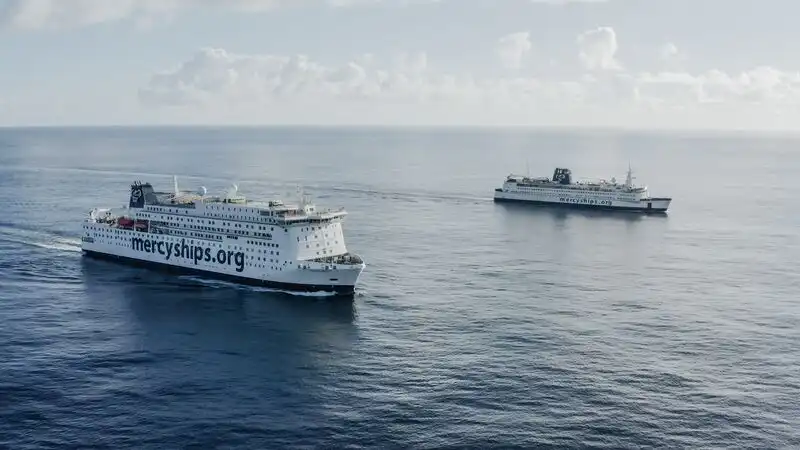
For more than forty years, Mercy Ships has been a beacon of hope, delivering free medical care and life-saving surgery to people who would otherwise go without. Operating as an international healthcare charity, Mercy Ships Africa works to transform lives through medical excellence, compassion, and a deep commitment to human dignity. Yet one question often arises – why Africa? What makes this continent the focal point for a maritime medical charity that sails across oceans to deliver vital care where it is needed most?
The answer lies in a combination of extraordinary need, partnership, and potential. Africa is home to some of the most resilient and resourceful people in the world, yet the region continues to face a critical shortage of access to safe surgical care. Mercy Ships is devoted to changing that reality through its floating hospitals, volunteer medical teams, and sustainable training programmes that strengthen healthcare systems and build a lasting legacy of hope across the continent.
The Urgent Need for Surgical Care in Africa
Across sub-Saharan Africa, millions of people still lack access to essential surgical care. Treatable conditions such as tumours, cleft lips, cataracts, and clubfoot often go untreated for years, leading to unnecessary pain, disability, and even death. Many patients live in remote areas where hospitals are under-resourced, while others cannot afford the cost of surgery. The impact extends far beyond health alone, affecting livelihoods, education, and entire families who must care for loved ones suffering from preventable conditions.
The healthcare crisis Africa faces is not due to a lack of determination or compassion, but to an overwhelming shortage of skilled professionals, medical equipment, and safe surgical facilities. In many regions, there are simply not enough surgeons or operating theatres to meet the growing need. This gap in access to care has created an urgent demand for organisations like Mercy Ships, whose mission helps deliver life-saving operations and builds lasting capacity within African healthcare systems.
Why Mercy Ships Focuses on Africa
Mercy Ships focuses on Africa because the need for safe and accessible surgical care is greater here than almost anywhere else in the world. Across the continent, millions live with treatable conditions that go unaddressed simply because hospitals and skilled medical professionals are scarce. Many nations have fewer than one surgeon for every 100,000 people, leaving entire communities without the care they need. This shortage means that preventable disabilities and deaths continue to affect families and livelihoods every day.
By bringing an international hospital ship directly to Africa’s coastal nations, Mercy Ships overcomes barriers of distance, cost, and infrastructure. The ships deliver life-changing operations free of charge and provide specialist training for local healthcare workers to strengthen national health systems. Africa offers a unique opportunity for long-term transformation, where each voyage not only saves lives but builds sustainable surgical capacity that continues to serve future generations across the continent.
The Floating Hospital Model
Mercy Ships operates two world-class hospital ships, the Africa Mercy and the Global Mercy, that serve as floating hospitals along the West African coast. Each vessel is equipped with modern surgical theatres, recovery wards, dental clinics, and training facilities, allowing the teams on board to provide comprehensive medical and surgical care. These medical aid ships bring essential healthcare directly to coastal nations, overcoming the barriers of distance, cost, and limited infrastructure that prevent many people from accessing treatment.
The volunteers onboard the hospital ships deliver thousands of free operations each year, addressing conditions that would otherwise go untreated. Patients receive a wide range of care, from corrective facial surgery and cataract removal to orthopaedic and reconstructive procedures. Alongside direct treatment, Mercy Ships also invests in training local healthcare professionals, ensuring that the skills and knowledge gained remain long after the ships depart. Every procedure carried out represents restored dignity, renewed hope, and a tangible step towards strengthening Africa’s healthcare future.
Life-Saving Surgery and Restored Hope
The surgeries carried out on board Mercy Ships are far more than medical interventions; they are moments of profound transformation. Each operation restores dignity, mobility, and confidence to patients who have often lived for years with treatable yet neglected conditions. These life-saving surgery Africa initiatives include reconstructive procedures, orthopaedic treatments, and complex maxillofacial operations, all delivered free of charge. Every patient’s journey reflects not only physical healing but emotional renewal, as they regain hope and the opportunity to live free from pain or social stigma.
Across the continent, the charity surgery outreach continues to change lives on an extraordinary scale. Families are reunited, children return to school, and adults regain the ability to work and provide for their communities. Mercy Ships’ mission extends beyond the operating theatre, bringing restoration to entire villages and regions. Each success story is a testament to what compassion, skilled care, and collaboration can achieve in transforming lives throughout Africa.
Building Local Capacity for the Future
Mercy Ships’ vision reaches far beyond the immediate impact of surgery. Each visit to a host nation is designed to leave behind more than healed patients; it aims to build stronger health systems for the future. Through medical capacity building Africa so urgently requires, the organisation invests in people as much as in treatment. By offering mentoring, specialist workshops, and hands-on surgical training, Mercy Ships empowers local healthcare professionals to develop their expertise and confidence in delivering safe and effective care.
This sustainable approach ensures the benefits continue long after the ship has sailed. Doctors, nurses, and technicians who train alongside Mercy Ships’ volunteer teams carry forward new skills, techniques, and standards that raise the level of surgical care across their hospitals and communities. The result is a lasting transformation: stronger hospitals, better-equipped medical teams, and improved access to essential surgical services for those who need them most.
Volunteer Surgeons and Medical Professionals
Thousands of volunteer doctors, nurses, anaesthetists, and technicians dedicate their time and professional expertise to serve aboard Mercy Ships’ hospital vessels. These skilled teams work together to deliver life-saving surgery and compassionate care to patients who would otherwise have no access to such essential treatment. Each volunteer surgeon and medical specialist brings not only technical ability but also empathy and humility, creating a hospital environment where hope and healing flourish. Their willingness to serve demonstrates that compassion knows no borders.
The contribution of these professionals extends far beyond the operating theatre. They mentor local healthcare workers, share knowledge, and build confidence among hospital teams in host nations. Through hands-on training and daily collaboration, they strengthen Africa’s medical capacity and inspire future generations of practitioners. This spirit of partnership ensures that Mercy Ships’ impact continues long after each voyage ends, leaving a lasting legacy of improved healthcare access and human connection across the continent.
Addressing Africa’s Surgical Backlog
The shortage of surgical care across Africa has created a backlog that leaves millions waiting for essential treatment. Many people suffer in silence from conditions that could be corrected through simple, timely procedures. Without access to trained surgeons or well-equipped hospitals, preventable disabilities and deaths continue to rise, affecting families and entire communities. The lack of infrastructure and resources has turned treatable conditions into lifelong challenges for far too many.
Mercy Ships is working to change this reality. Through its hospital ships and partnerships with ministries of health, the organisation provides immediate surgical interventions while building long-term capacity. Each mission helps reduce the surgical backlog Africa has struggled with for generations. By training local medical professionals, upgrading facilities, and supporting national health systems, Mercy Ships ensures progress continues even after the ships depart. The result is not only restored health for individuals but a stronger, more sustainable foundation for healthcare across the continent.
Beyond Surgery: A Holistic Mission
Mercy Ships’ humanitarian medical work in Africa goes far beyond surgery. Alongside complex operations, the organisation provides essential dental care to combat preventable tooth decay and infection, as well as nutritional education to help families make healthier choices for long-term wellbeing. Many patients who come on board have suffered for years with conditions that affect their ability to eat or speak properly, so the inclusion of dental and nutritional support is vital to their recovery. These services complement the surgical programmes, ensuring that care extends beyond the operating theatre to every aspect of a person’s health.
Equally important is the emotional healing that comes with renewed confidence and restored dignity. Mercy Ships also offers mental health support, recognising that true recovery involves both body and mind. By addressing the physical, psychological, and social needs of patients, the charity helps rebuild lives and communities. The mission is not merely about treating illness but restoring wholeness and hope for a brighter future.
Partnership and Collaboration
Partnership and collaboration lie at the very heart of Mercy Ships’ mission. The organisation works hand in hand with African governments, ministries of health, hospitals, and local NGOs to identify the areas of greatest need and deliver effective medical aid. These partnerships ensure that each country’s unique healthcare priorities are respected, while aligning Mercy Ships’ efforts with national health strategies. This approach fosters trust, mutual understanding, and a sense of shared ownership in creating long-term healthcare improvements.
International collaboration is equally vital. Support from global partners, donors, and professional medical associations provides essential resources, equipment, and expertise. By combining local insight with international support, Mercy Ships helps strengthen healthcare systems and build sustainable capacity across the continent. Together, these alliances make it possible to extend the reach of life-saving surgery, train local professionals, and create lasting healthcare solutions that will continue to benefit African communities for generations to come.
The Human Impact of a Floating Hospital
Every patient who comes aboard a Mercy Ships floating hospital carries a story of courage and endurance. Many have lived for years with conditions that could have been treated easily elsewhere, enduring pain, stigma, and isolation. When they finally receive the life-saving surgery they have long needed, their transformation is not only physical but deeply emotional. Smiles return, confidence is restored, and the simple ability to walk, eat, or see again becomes a powerful symbol of renewal.
The human impact extends far beyond the individual. Families are reunited as loved ones are freed from suffering, and communities witness first-hand the hope that compassionate healthcare can bring. Local medical teams gain valuable experience through training and collaboration, ensuring that knowledge remains long after the ship departs. This is the heart of Mercy Ships Africa’s mission, turning healing into opportunity and restoring dignity where it was once lost, one patient and one port at a time.
Supporting the Mission
Supporting the mission of Mercy Ships is about joining a global movement that brings life-saving medical care to those who need it most. Donors provide the essential resources that keep the hospital ships operational, from surgical equipment and medicines to patient meals and post-operative support. Every contribution directly supports free operations for people who would otherwise have no access to healthcare. It is through these acts of generosity that lives are transformed and communities across Africa are given renewed hope.
Equally vital are the volunteers who serve on board. Surgeons, nurses, engineers, teachers, and crew members from around the world dedicate their time and expertise to make Mercy Ships’ humanitarian medical work possible. Their compassion turns donations into tangible healing. Partners, too, play a crucial role, helping to build sustainable healthcare capacity across African nations. Together, donors, volunteers, and partners ensure that the mission continues to sail forward, saving lives and shaping a healthier future for all.
Continuing the Journey
Mercy Ships’ commitment to Africa continues to be one of enduring partnership and purpose. Each mission is more than a temporary visit; it is a reaffirmation of trust and collaboration with the nations and communities it serves. Through ongoing dialogue with local governments, hospitals, and healthcare professionals, Mercy Ships ensures that every voyage builds upon the last, creating a legacy of progress that strengthens Africa’s healthcare foundation for the long term.
By combining ship-based medical outreach with in-depth training and mentorship, Mercy Ships empowers local surgeons and nurses to deliver lasting healthcare solutions. This shared journey of compassion and learning continues to close the gap in access to safe, affordable surgery while reaffirming a steadfast commitment to Africa’s health, resilience, and brighter future.
Final Thoughts …
Africa’s healthcare gap remains one of the most significant global challenges, yet it is also a continent brimming with resilience, determination, and potential. Mercy Ships believe that access to safe, timely, and affordable surgery should not depend on where someone is born. Through its floating hospitals, volunteer medical teams, and long-term training initiatives, Mercy Ships is addressing the root causes of inequality in healthcare. Each voyage represents not only healing for individuals but transformation for entire communities.
The impact of Mercy Ships reaches far beyond the operating theatre. By equipping local professionals and strengthening national health systems, the organisation ensures that its presence leaves lasting value long after the ship departs. This humanitarian mission is a testament to what can be achieved when compassion meets practical action. As Mercy Ships continue to sail across African waters, it carries with it the enduring promise of hope, dignity, and a healthier future for all.
FAQs
What is the core mission of Mercy Ships in Africa?
The mission is to bring hope and healing by providing free, world-class surgical and medical care to people who have little or no access to safe healthcare.
Why does Mercy Ships focus on African nations?
Because the majority of people lacking access to safe, affordable surgery live in low and middle-income countries, especially in sub-Saharan Africa.
Are the operations provided by Mercy Ships truly free of charge?
Yes, every surgery and all medical care provided on board are completely free for patients.
What types of life-saving surgery does the charity provide?
Procedures include maxillofacial, general, orthopaedic, ophthalmic, and women’s health surgeries such as cleft repairs, tumour removal, cataracts, clubfoot correction, and fistula repair.
How does Mercy Ships deliver medical care in remote areas?
By using hospital ships that dock at African ports, enabling modern, sterile surgical care where local infrastructure is limited.
What is the Global Mercy hospital ship?
The Global Mercy is the world’s largest civilian hospital ship and greatly expands the organisation’s capacity for free surgery and medical training.
How long does a hospital ship typically stay in an African port?
A field service generally lasts around ten months, allowing for hundreds of surgeries and extensive training programmes.
Do the volunteer surgeons and crew get paid?
No, all volunteers donate their time and usually cover their own travel and a portion of their living costs.
Does Mercy Ships only provide surgery?
No. The organisation also runs Medical Capacity Building programmes to train and mentor local healthcare workers.
What kind of training is provided to local African medical staff?
Training includes surgical mentoring, nursing development, anaesthesia training, essential surgical skills, and biomedical technician education.
How does this charity work with African governments?
Mercy Ships partners with host nation governments to align its programmes with national health priorities and long-term system strengthening.
How does the hospital ship maintain a sterile environment?
Each ship is a modern surgical facility with operating theatres, recovery areas, and strict infection-control systems equivalent to regional hospitals.
Who are the patients that Mercy Ships helps?
Patients are those living in poverty who suffer from treatable conditions but have no access to safe surgical care.
Does Mercy Ships help people of all faiths and backgrounds?
Yes, care is given entirely based on medical need, without discrimination.
How can I donate to support the free operations in Africa?
Donations can be made online and support the ships’ operations, medical supplies, and field programmes.
Is there a need for non-medical volunteers on the ship?
Yes. Around half the crew are non-medical, fulfilling roles in engineering, hospitality, administration, education, and maritime operations.
What impact does the work of Mercy Ships have on local healthcare systems?
The long-term impact includes improved skills, strengthened facilities, and sustainable advancements in surgical care.
Where can potential patients register for screening?
Patient selection teams conduct decentralised screenings across host nations to identify suitable surgical cases.
How does a hospital ship like the Africa Mercy compare to an onshore hospital?
It operates as a fully equipped acute care hospital with reliable power, sterility, and modern technology, overcoming local infrastructure challenges.
Does Mercy Ships treat emergency cases in Africa?
While the primary focus is elective surgery, the ships are equipped to manage post-operative complications and essential urgent needs.
Recent Comments