
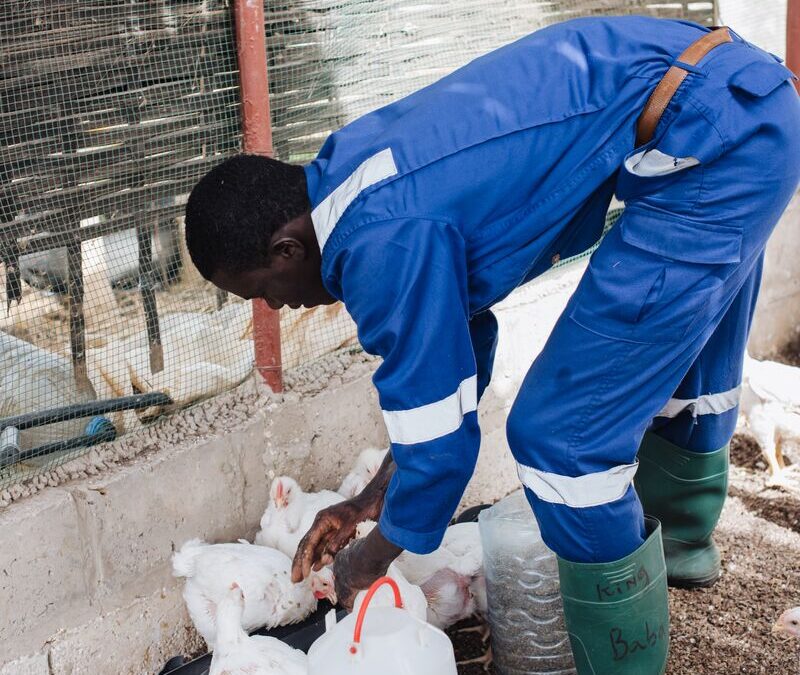
Agriculture plays a central role in many African economies, driving local economies, providing livelihoods, and ensuring food security. However, the sector faces challenges related to climate change, population growth, and limited access to resources. Local agricultural development is essential to address these challenges, offering solutions for poverty alleviation and improving resilience. Mercy Ships, a global humanitarian organisation, has been at the forefront of this effort, helping transform agricultural practices and provide vital training to farmers in Africa.
Mercy Ships has partnered with local communities to implement sustainable farming practices that not only boost food production but also empower individuals with the skills they need to create self-sufficient agricultural systems. Through their various agricultural training programmes, Mercy Ships is helping communities build capacity, improve food security, and promote climate-resilient farming techniques. This article explores the incredible success stories of Mercy Ships’ work and how it is positively impacting local agricultural development across Africa.
The Role of Local Agricultural Development in Africa
Agriculture plays a crucial role in the livelihoods of millions across Africa, especially in rural areas where it is often the main source of income. Local agricultural development initiatives aim to improve farming techniques, increase productivity, and promote food security. With Africa facing issues like climate change, limited resources, and population growth, these initiatives are more critical than ever. By improving farming methods, local communities can overcome challenges and build a more resilient agricultural system.
Sustainable farming practices, including soil conservation, water management, and crop diversification, are vital to ensuring long-term agricultural success. Moreover, community-led farming initiatives and robust agricultural education programmes empower local farmers with the knowledge and resources they need. These efforts provide tools for farmers to increase yields, improve food access, and reduce the negative impacts of climate change. The result is stronger, more sustainable local economies and a brighter future for Africa’s agricultural sector.
Mercy Ships and the Transformation of African Agriculture
Mercy Ships has played a significant role in enhancing the health and livelihoods of African communities. Beyond healthcare, their work extends to promoting sustainable agricultural practices that support local farmers. By offering agriculture training programmes and providing access to modern agrotechnology, Mercy Ships empowers farmers with the tools and knowledge needed to improve their productivity and resilience. These efforts are crucial in addressing the challenges of food insecurity and poverty, fostering long-term solutions in rural communities.
Through collaborations with local governments, NGOs, and other stakeholders, Mercy Ships is scaling its agricultural initiatives, contributing to the growth of local economies. These initiatives not only promote sustainable farming but also focus on building food security and sustainable livelihoods in communities that are most vulnerable to environmental and economic challenges. Mercy Ships’ agricultural programs are laying the foundation for a more resilient and self-sufficient agricultural sector in Africa, creating a positive impact on both individual farmers and their wider communities.
Building Sustainable Agricultural Practices in Africa
One of the primary goals of Mercy Ships’ agricultural programms in Africa is to promote sustainable farming practices. By providing hands-on training and facilitating knowledge-sharing, local farmers are introduced to innovative methods that improve their farming techniques. These methods focus on enhancing land management practices, such as crop rotation and soil conservation, while using fewer chemical inputs. The result is more efficient and resource-conscious farming that helps farmers increase their productivity in an environmentally responsible way.
Mercy Ships also emphasises the integration of agroecology in Africa, a system that balances productivity with environmental sustainability. This approach ensures that farmers can maintain healthy soil, reduce water usage, and create more resilient farming systems. By adopting sustainable farming practices, farmers contribute to long-term agricultural stability, protect natural resources, and foster more self-sufficient communities. Mercy Ships is helping to build a stronger foundation for agricultural growth across Africa, making it possible for communities to thrive even in the face of challenges like climate change.
Community-Led Farming as a Solution to Food Insecurity
At the core of Mercy Ships’ agricultural initiatives is the concept of community-led farming. This approach encourages local farmers to take ownership of their agricultural practices, fostering a culture of self-sufficiency and responsibility. By shifting control to the community level, Mercy Ships empowers individuals to make decisions that directly impact their livelihoods, allowing for more sustainable food production. This model also helps to create a sense of shared purpose, as farmers collaborate to tackle challenges and find solutions that are tailored to their specific needs.
The success of community-led farming goes beyond just increasing food production; it also addresses broader issues like food security and nutritional stability. By utilising inclusive agribusiness models, Mercy Ships has facilitated the development of systems where farmers can pool resources, share knowledge, and support each other. This collaborative approach not only alleviates poverty but also strengthens the social fabric of rural communities, building resilience and ensuring long-term agricultural sustainability.
Mercy Ships Success Stories: Real Impact in African Agriculture
Mercy Ships’ agricultural training programmes have led to tangible improvements for farmers in Africa. In countries such as Sierra Leone and Guinea, Mercy Ships has worked closely with local farmers to increase their crop yields and boost their incomes. These initiatives focus on empowering farmers with practical knowledge about sustainable farming techniques, which in turn helps communities achieve greater food security and economic independence. Through hands-on education and support, Mercy Ships has demonstrated the positive impact that well-planned agricultural training can have on local economies.
Farmers involved in these programs have not only seen improvements in their crop production but have also made strides in enhancing their farming infrastructure. This holistic approach includes introducing sustainable techniques, better land management practices, and improving access to agricultural resources. These efforts have resulted in the economic empowerment of local farmers, contributing to the overall prosperity of their communities and laying the foundation for a more self-sufficient agricultural system in the region.
Scaling Agricultural Projects to Reach Broader Impact
Scaling agricultural projects is essential to reaching a broader population and having a sustainable impact on local communities. Mercy Ships is leading the way in scaling agricultural initiatives across Africa by forming strong partnerships with governments, NGOs, and local businesses. Their collaborative farming models promote the sharing of resources, knowledge, and expertise, helping communities to adapt and thrive. This collective approach ensures that farming projects are not only effective but also sustainable, benefiting farmers and their families over the long term.
By expanding these successful agricultural programmes, Mercy Ships is contributing to the creation of regional food systems that are more resilient and better equipped to address Africa’s increasing food demands. Scaling these projects allows Mercy Ships to support large-scale transformation in local communities, improving food security and economic stability. The long-term goal is to empower communities with the skills and resources needed to maintain self-sufficiency and contribute to broader agricultural development across the continent.
Vocational Agricultural Training: A Pathway to Empowerment
Vocational agricultural training plays a crucial role in Mercy Ships’ strategy to support sustainable farming in Africa, like Baba’s sustainable agricultural transformation in Senegal. By offering hands-on learning, the organisation equips individuals with the practical skills needed to succeed in farming, ranging from crop management to advanced farming techniques. These skills help farmers improve their productivity and contribute to the broader goal of food security in local communities.
Beyond technical farming knowledge, these programmes foster entrepreneurial thinking, empowering individuals to start their own businesses or improve existing ones. This focus on self-reliance ensures that the participants can generate sustainable income for themselves and their families. As a result, the vocational training provided by Mercy Ships not only enhances farming practices but also contributes to long-term community development by creating opportunities for economic empowerment. These programs ultimately build stronger, more resilient communities, positioning agriculture as a viable and thriving livelihood for many.
Sustainable Crop Production for Long-Term Agricultural Stability
Sustainable crop production is a cornerstone of Mercy Ships’ agricultural initiatives in Africa. By teaching farmers environmentally-friendly methods, Mercy Ships ensures that agricultural practices promote long-term stability. Techniques such as crop rotation and soil fertility management are essential for maintaining healthy soil and preventing depletion. This helps farmers produce higher yields while avoiding the overuse of chemical fertilisers, which can harm both the environment and human health.
In addition to improving soil health, Mercy Ships also introduces effective pest control strategies that reduce dependency on harmful chemicals. These strategies contribute to a more sustainable agricultural system, reducing the ecological footprint of farming. By empowering farmers with these practices, Mercy Ships not only increases food security but also helps local communities become more resilient to environmental challenges, ultimately fostering long-term agricultural stability across Africa.
Agroecology and the Future of African Farming
Agroecology plays a pivotal role in transforming African agriculture, creating a sustainable model that balances food production with environmental preservation. By integrating traditional knowledge with modern farming techniques, agroecology helps farmers improve productivity while protecting soil health, conserving water, and reducing dependency on synthetic chemicals. This approach fosters a harmonious relationship between people and the environment, supporting the long-term viability of agricultural systems in Africa.
Mercy Ships has been instrumental in promoting agroecological practices, providing farmers with the tools and training needed to adopt these sustainable farming methods. Through its initiatives, Mercy Ships is ensuring that local communities can meet their food needs while safeguarding the environment for future generations. As climate change poses a growing threat, agroecology offers a pathway to building more resilient farming systems across the continent. This approach not only addresses food security challenges but also empowers African farmers to take control of their agricultural practices and improve their livelihoods.
The Role of Partnerships in Scaling Agricultural Development
The success of scaling agricultural development initiatives in Africa largely depends on strategic partnerships with local governments, non-governmental organisations (NGOs), and businesses. These collaborations enable the pooling of resources, the sharing of specialised knowledge, and the coordination of efforts that maximise the reach and effectiveness of agricultural programmes. By working with local stakeholders, Mercy Ships can ensure that its initiatives are tailored to meet the specific needs of each community, allowing for more impactful and sustainable results.
Partnerships also allow Mercy Ships to expand its influence and deliver long-term solutions for agricultural development. Through these alliances, Mercy Ships fosters regional food systems, improving local food security and boosting economic growth. These efforts support food sovereignty programmes, helping communities become more self-reliant and reducing dependence on external aid. By strengthening relationships with various actors, Mercy Ships continues to play a key role in transforming the agricultural landscape across Africa, making farming more sustainable and inclusive for future generations.
Empowering Farmers with Knowledge and Resources
Mercy Ships play a key role in equipping farmers with the tools and resources needed for success. They provide access to essential farming equipment, ensuring that local farmers have the right tools to carry out sustainable agricultural practices. In addition, Mercy Ships offers guidance on land management, helping farmers adopt resource-efficient farming techniques that are well-suited to their local environments. This access to both practical resources and expert advice gives farmers the foundation needed to improve their productivity and sustainability.
By taking a holistic approach to empowerment, Mercy Ships helps farmers not only enhance their current agricultural practices but also build long-term resilience. The focus on education, alongside tangible support such as equipment and technical knowledge, allows farmers to take ownership of their agricultural activities. This empowerment fosters self-sufficiency within communities, ensuring that progress continues even after the initial intervention. As a result, Mercy Ships contributes to the development of a sustainable and self-reliant agricultural sector across the regions they serve.
Final Thoughts …
By scaling agricultural projects, providing vocational training, and promoting sustainable farming practices, Mercy Ships has made a lasting impact on local communities. The lessons learned from these initiatives can serve as a blueprint for other organisations seeking to improve agricultural productivity and build sustainable, resilient food systems across Africa. As Africa continues to face challenges from climate change and population growth, the scaling of agricultural projects will play a critical role in ensuring the continent’s food security and economic empowerment.
Through continued investment in agricultural education centres, agronomic training excellence, and inclusive agribusiness, Africa can create a more sustainable and equitable agricultural future for its people. Mercy Ships has shown that with the right support, training, and resources, local agricultural development can help unlock the potential of Africa’s rural communities and set the foundation for a prosperous, food-secure future.
FAQs
What is the Mercy Ships Food for Life programme?
The Food for Life programme is a land-based Mercy Ships initiative that trains local individuals in sustainable, organic farming techniques to improve nutrition and long-term food security across African communities.
How does Mercy Ships support agricultural development in Africa?
Support is delivered through a train-the-trainer model, where selected participants learn about soil health, crop rotation, composting, and food processing, then return to teach these skills within their own regions.
Why is scaling local agriculture important for food security in Africa?
Scaling sustainable farming methods helps communities reduce reliance on imported food, strengthen local supply chains, and build resilience against environmental and economic disruption.
What role does nutrition play in the mission of Mercy Ships?
Mercy Ships recognises that successful surgery and long-term recovery depend on proper nutrition, making agricultural education an essential part of its broader, holistic healthcare approach.
Who is eligible for the Mercy Ships agricultural training programmes?
Programmes generally focus on community leaders and members of local non-governmental organisations who are positioned to pass on their training and create wider impact.
How does organic farming benefit African smallholder farmers?
Organic farming reduces reliance on costly chemical inputs, lowers production expenses, improves soil health, and protects biodiversity while increasing long-term sustainability.
What kind of success stories have emerged from Mercy Ships agriculture projects?
Graduates have launched small food production businesses and community farms, producing nutrient-rich products and generating income while improving local access to healthy food.
How long does a typical agricultural training course last?
A standard course can run for around 22 weeks, combining classroom-based theory with practical, hands-on fieldwork.
Does Mercy Ships provide resources to farmers after they complete their training?
Graduates are often supported with seeds, basic tools, and follow-up mentoring to help them establish their own farms or community training centres.
How does Mercy Ships choose the locations for its agricultural projects?
Projects typically align with hospital ship deployments and are implemented in partnership with host nations where nutritional needs are significant.
What is the link between surgery and sustainable agriculture?
Surgical care restores physical health, enabling individuals to return to work, while agricultural training equips them with the skills to improve productivity and household nutrition.
How does agroecology contribute to climate resilience in Africa?
Agroecological practices promote crop diversity, soil regeneration, and natural water management, helping farms remain productive despite changing weather patterns.
What are the main challenges to scaling agriculture in sub-Saharan Africa?
Challenges include soil degradation, limited access to modern training, poor infrastructure for storage and transport, and restricted access to markets.
Can local agricultural development help reduce poverty in rural Africa?
Improved yields and food processing skills enable farmers to sell surplus produce, generating income and strengthening local economies.
What techniques are taught in the Mercy Ships farming programmes?
Participants learn composting, natural pest management, water conservation, crop rotation, and basic food processing to add value to raw agricultural products.
How does Mercy Ships ensure the sustainability of its agricultural programmes?
The train-the-trainer approach ensures knowledge remains within communities, creating a self-sustaining cycle of education and practical application.
Why does Mercy Ships focus on food as medicine?
Many preventable health conditions are linked to poor nutrition, so improving access to nutrient-dense food supports both recovery from surgery and long-term wellbeing.
How does the programme address female empowerment in agriculture?
By training women, who often manage household nutrition, the programme strengthens food security at family level and supports women in leading local farming initiatives.
What is the Food for Life follow-up process?
Follow-up visits and ongoing mentorship help ensure graduates are successfully applying their training and overcoming implementation challenges.
How do agricultural projects improve child mortality rates?
Greater access to nutritious, locally grown food reduces severe malnutrition, which is a major contributor to illness and mortality among young children.
Are these agricultural programmes coordinated with local governments?
Yes, initiatives are delivered in partnership with host nation ministries to align with national health and agricultural development priorities.
What makes the Mercy Ships approach to agriculture unique?
Its approach integrates advanced surgical care with community-based agricultural development, addressing both immediate medical needs and the root causes of poor health.
`
Recent Comments