
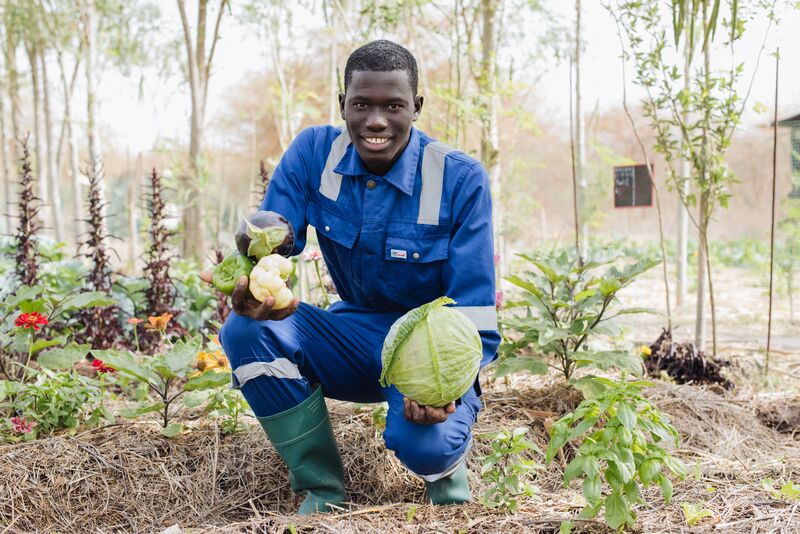
Food security continues to be a pressing issue in many African countries, made worse by the effects of climate change, political turmoil, and economic challenges. While various aid and development programs have been implemented, they often offer short-term relief rather than lasting solutions. For communities to thrive, a more sustainable approach is needed, one that not only addresses immediate food needs but also strengthens local systems for the future.
Mercy Ships, a global volunteer medical charity, has emerged as a key player in this transformation. By integrating healthcare, agricultural education, and community empowerment, Mercy Ships is helping local populations build the capacity to manage their own food systems. This innovative approach ensures that African communities can not only survive in the face of food insecurity but can also create lasting change, leading to long-term development and self-sufficiency. This article delves into how Mercy Ships is advancing sustainable food security and its critical role in shaping Africa’s future.
Mercy Ships: A Unique Approach to Food Security
Mercy Ships is a global humanitarian organisation known for its free medical care, providing vital surgeries, volunteer dental treatments, and health services to underserved communities. However, its impact extends beyond healthcare. Mercy Ships also addresses food insecurity by implementing comprehensive food security strategies that engage local communities in building sustainable solutions. These initiatives focus on strengthening local food systems, promoting sustainable agricultural practices, and enhancing the overall nutritional health of populations.
The organisation’s approach emphasises locally-led development, empowering communities with the skills, knowledge, and resources they need to manage their own food security. By fostering community-driven projects and promoting long-term self-sufficiency, Mercy Ships reduces dependence on external aid. This model ensures that once its initial interventions are complete, communities can continue to thrive without ongoing assistance. Mercy Ships’ approach is a vital example of how collaborative aid efforts and empowerment can create lasting change, benefiting not just the present but also future generations.
The Role of Sustainable Agriculture in Advancing Food Security
One of the central pillars of Mercy Ships’ food security efforts is the promotion of sustainable agriculture. By equipping farmers with the necessary skills and tools, Mercy Ships helps them adopt eco-friendly farming techniques that boost crop yields and build resilient food systems. These systems are vital in overcoming challenges like soil degradation and fluctuating weather patterns. Techniques such as soil health management, agroecology, and organic farming are key in ensuring that agriculture becomes both productive and environmentally sustainable.
Mercy Ships works directly with local farmers, offering education on adapting to changing environmental conditions. By promoting sustainable practices, Mercy Ships enables farmers to improve their agricultural output in a way that benefits both their immediate communities and the wider environment. This approach is critical in regions where access to resources and training is limited, ensuring that communities not only survive but thrive while preserving the land for future generations.
Empowering Local Farmers Through Education and Training
To foster sustainable food systems, Mercy Ships focuses on agricultural education programmes designed to train local farmers. These programs cover key areas such as modern farming techniques, crop rotation, pest management, and water conservation. By providing practical knowledge, Mercy Ships ensures that farmers are equipped with the skills needed to improve food production efficiency and sustainability. These efforts help reduce dependence on aid, empowering farmers to build more resilient agricultural systems in their communities.
Training local farmers is crucial for long-term food security. By focusing on knowledge transfer, Mercy Ships ensures that education doesn’t stop at the individual level. Farmers who receive training can share their newfound knowledge with others, creating a ripple effect that extends the benefits across entire communities. This collaborative learning approach strengthens local food systems, promoting sustainable farming practices that not only improve food security but also foster economic growth and community development.
Community-Led Development: A Sustainable Path Forward
Mercy Ships’ commitment to locally-led development ensures that its initiatives align with the unique needs of African communities. Instead of imposing external solutions, the organisation collaborates with local stakeholders to create tailored, context-specific approaches. This partnership-driven method allows Mercy Ships to address community challenges in a way that is culturally relevant and sustainable, ensuring that local traditions and knowledge are respected and integrated. The goal is to equip communities with the skills and resources to improve their own food security in the long term.
By actively involving communities in the decision-making process, Mercy Ships fosters local ownership, which is crucial for sustainable development. This empowerment approach enhances self-sufficiency, allowing communities to manage their own food systems and address future challenges independently. This model supports the idea of locally-led development, which is key to ensuring long-lasting and meaningful changes, particularly in addressing food security and community resilience.
Building Resilient Food Networks Through Local Partnerships
Building resilient food networks is key to ensuring long-term food security, and Mercy Ships plays a vital role in this process. By working closely with local organisations and governments across African countries, Mercy Ships strengthens food supply chains. This collaboration ensures that food distribution systems are more efficient, and that communities gain better access to nutritious food. The focus is on supporting local markets and boosting their capacity to meet the needs of vulnerable populations.
In addition, these partnerships help to reduce food waste and improve the availability of fresh produce. By promoting sustainable food systems, Mercy Ships also fosters better health outcomes for communities. The organisation’s work highlights the importance of local engagement in building robust food networks, ensuring that food security is not just a short-term fix but a sustainable, long-term solution. The efforts of Mercy Ships and its partners provide a valuable example of how community-based development and collaboration can drive lasting change.
Mercy Ships’ Impact on Maternal and Child Nutrition
Mercy Ships play a crucial role in engaging communities in children’s health and improving maternal and child nutrition across African communities. By providing medical care and education, the organisation addresses the nutritional needs of mothers and children, who are most vulnerable to malnutrition. Through partnerships with local healthcare providers, Mercy Ships ensures that families have access to essential nutrients, which is key to breaking the cycle of poverty. The organisation educates communities on proper nutrition, offering guidance on healthy diets, breastfeeding, and infant care.
In many African regions, maternal and child nutrition is often overlooked due to poverty, limited resources, and poor access to healthcare. Mercy Ships seeks to remedy this by providing both immediate medical interventions and long-term solutions. They offer nutritional support, focusing on the most vulnerable members of the community, and help raise awareness about the importance of a balanced diet during pregnancy and early childhood. This approach is critical in improving overall health outcomes and reducing malnutrition-related illnesses.
Combating Malnutrition Through Holistic Healthcare Approaches
Mercy Ships takes a holistic approach to healthcare by addressing not only the immediate medical needs of patients but also the broader factors that contribute to malnutrition. In many African communities, malnutrition is intertwined with challenges such as limited access to clean water, poor sanitation, and inadequate healthcare services. By tackling these root causes, Mercy Ships works towards both immediate relief and long-term improvements in the health and well-being of affected populations. The focus is on ensuring that communities can access both nutritious food and the necessary healthcare to prevent and treat malnutrition.
The organisation’s community-based health programs are designed to provide sustainable solutions. Mercy Ships collaborates with local health providers to create a system that improves access to healthcare, clean water, and sanitation. This approach not only addresses malnutrition but also empowers communities to take control of their health. By fostering better hygiene practices, nutrition education, and healthcare access, Mercy Ships plays a key role in combating malnutrition across Africa.
Enhancing Food Accessibility with Sustainable Farming
Improving food accessibility is a vital part of Mercy Ships’ initiatives in Africa. The organisation focuses on sustainable farming techniques, which enable local communities to produce their own nutritious food, making it more accessible. This is particularly important in rural areas where access to food markets is often limited or inconsistent. Through sustainable practices, Mercy Ships is not only helping communities increase their food production but also ensuring that the food they grow is nutritious and adaptable to local conditions.
By promoting self-sufficiency, Mercy Ships helps reduce the reliance on imported food, which can be costly and unsustainable in the long term. This approach improves the overall food production efficiency in the region, ensuring that local communities have consistent access to food without the external dependencies that often disrupt supply chains. It fosters a more resilient food system, helping communities overcome challenges like climate change and economic instability while enhancing their food security for the future.
Social Impact and the Role of Volunteer Medical Charities
Mercy Ships exemplifies the significant social impact that volunteer medical charities can have. Through its volunteer-driven healthcare services, the organisation is not only providing critical medical care but also addressing key factors contributing to food insecurity in African communities. In regions where access to healthcare is limited, Mercy Ships plays a vital role in improving overall well-being and reducing preventable diseases. By offering medical care alongside initiatives to improve food security, the organisation tackles the root causes of poor health and malnutrition.
The charity’s efforts demonstrate the power of collaboration between healthcare professionals, volunteers, and local communities. Through charitable donations and dedicated volunteer work, Mercy Ships is making a lasting impact on many lives across Africa. Its holistic approach helps communities break the cycle of poverty and build sustainable futures. Mercy Ships showcases how combining medical care with food security initiatives can create meaningful change, improving the quality of life for vulnerable populations in need.
Environmental Stewardship and Sustainable Resource Management
Mercy Ships is committed to environmental stewardship, prioritising the promotion of sustainable resource management practices across African communities. Through the implementation of eco-friendly farming techniques, the organisation helps protect the environment while boosting food production. Mercy Ships introduces farmers to methods that reduce soil degradation, enhance biodiversity, and improve the overall health of the land. This not only boosts crop yields but also minimises the environmental footprint of agricultural practices.
The focus on sustainable resource management ensures that natural resources are utilised responsibly, with an emphasis on long-term preservation. By educating farmers on techniques such as crop rotation, composting, and water conservation, Mercy Ships enables communities to cultivate food in a way that respects the environment. This approach mitigates the negative impact of farming on the ecosystem and contributes to the restoration of degraded lands, ensuring that future generations will be able to enjoy a more sustainable and productive environment.
Collaborative Aid Efforts: Partnerships for Long-Term Solutions
Collaborative aid efforts are key to achieving long-term solutions for food insecurity. Mercy Ships works alongside African governments, local organisations, and other NGOs to create integrated food security solutions. These partnerships enable the sharing of resources, knowledge, and expertise to address the root causes of hunger in vulnerable communities. By combining efforts, these organisations ensure a more comprehensive approach to development, enhancing the overall impact of food security initiatives.
Mercy Ships also ensures that these partnerships contribute to the sustainability of its programmes. The integration of food security efforts into broader development plans guarantees that the benefits extend beyond immediate aid, creating lasting change. This collaborative approach also allows for the alignment of goals and resources, ensuring that communities receive continuous support in improving their agricultural systems, health, and nutrition. These partnerships are crucial for ensuring that food security solutions are both effective and scalable, helping to build a more resilient future for African communities.
Final Thoughts …
Mercy Ships is making significant strides in advancing sustainable food security across Africa with a holistic approach that combines healthcare, agricultural education, and community development. Through empowering local communities, Mercy Ships is enhancing food systems and promoting sustainable farming practices that provide long-term solutions. This approach not only strengthens local economies but also ensures food sovereignty, making communities more resilient and self-sufficient.
The organisation’s efforts highlight the importance of community-led development in tackling food insecurity. By focusing on sustainable farming techniques, Mercy Ships is fostering a brighter, more food-secure future for African communities. With ongoing support and collaboration from local stakeholders, Mercy Ships is well-positioned to continue making a meaningful impact on the journey towards a prosperous, food-secure Africa. This model serves as a valuable example of how sustainable development practices can transform communities and offer lasting solutions to global challenges.
FAQs
What is the role of Mercy Ships in African food security?
Mercy Ships supports food security through its Food for Life programmes, which provide agricultural and nutrition training to local communities. This approach complements surgical care by helping ensure long-term health through improved access to nutritious food.
How does sustainable agriculture improve African communities?
Sustainable agriculture restores soil fertility and improves crop yields using low-cost, organic methods. This allows smallholder farmers to feed their families, generate income, and protect the environment for future generations.
What are the main causes of food insecurity in sub-Saharan Africa?
Food insecurity is commonly driven by climate change, limited access to farming technology, economic instability, and inadequate infrastructure for storage and transport of agricultural produce.
How does Mercy Ships select participants for agricultural training?
Participants are identified in partnership with local NGOs and community leaders. Selected farmers are trained using a train-the-trainer model so they can share knowledge within their communities.
What farming techniques are taught in these programmes?
Training focuses on regenerative and organic techniques such as composting, natural pest control, crop rotation, water conservation, and soil improvement methods suited to local conditions.
Why is nutritional health linked to surgical outcomes?
Good nutrition strengthens the immune system and supports faster recovery after surgery. Improving food security helps communities better withstand and recover from medical treatment.
What is the Food for Life programme?
Food for Life is a Mercy Ships initiative offering intensive agricultural training over several months. It focuses on growing nutrient-rich crops to address common dietary deficiencies.
How does climate change affect food sustainability in Africa?
Unpredictable rainfall and higher temperatures increase the risk of crop failure. Sustainable farming practices help farmers adapt through drought-resistant crops and better soil management.
Are the agricultural projects led by local communities?
Yes, projects are designed to be locally led. Mercy Ships provides training and initial support, while local trainers and organisations manage and expand the programmes long term.
What kind of crops are typically grown in these projects?
Farmers grow a mix of indigenous vegetables, legumes, and grains that are high in nutritional value. Crop diversity improves diets and reduces the risk of total crop failure.
How does Mercy Ships ensure the sustainability of its projects?
By prioritising skills development and knowledge transfer rather than food distribution, Mercy Ships creates lasting benefits that continue after the ship leaves port.
What is the impact of malnutrition on African children?
Malnutrition can cause stunted growth, learning difficulties, and increased vulnerability to illness. Strengthening food security supports healthier childhood development.
What is the difference between food aid and food security?
Food aid addresses immediate hunger, while food security focuses on long-term access to sufficient, safe, and nutritious food through stable local systems.
How do agricultural programmes empower African women?
By providing women with training and resources, these programmes increase economic independence and improve household nutrition, as women play a central role in farming.
What role does soil health play in food security?
Healthy soil is essential for reliable harvests. Training teaches farmers how to rebuild soil nutrients using organic matter to support consistent food production.
How does Mercy Ships integrate healthcare with agriculture?
Mercy Ships takes a holistic view of health, combining surgical care with agricultural training so communities benefit from both treatment and preventative nutrition.
What are the challenges of farming in West Africa?
Common challenges include poor soil quality, limited irrigation, and post-harvest losses. Training programmes address these issues with practical, low-cost solutions.
How do hospital ships facilitate land-based training?
While the ships serve as operational hubs, agricultural teams work on land at training centres, often in partnership with local NGOs or agricultural institutions.
Why is knowledge transfer important in humanitarian aid?
Knowledge transfer empowers communities to solve their own challenges, reducing dependency and creating sustainable, dignified outcomes.
Can organic farming feed large African populations?
Yes, agro-ecological methods can significantly improve yields for smallholder farmers, who produce most of the region’s food, while remaining affordable and environmentally sound.
What is the Dakar Declaration and does it involve food?
The Dakar Declaration focuses on improving access to surgical care in Africa and recognises that factors such as nutrition play a critical role in achieving long-term health goals.
Recent Comments