
A cleft lip and a cleft palate are among the most common congenital facial differences affecting babies around the world. People often use the two terms as if they mean the same thing, but they describe separate conditions affecting different parts of a baby’s facial development. Knowing the difference between cleft lip and cleft palate helps parents and carers understand what’s involved and why timely, specialist treatment matters so much.
A cleft lip happens when the upper lip doesn’t fully join together before birth, leaving an opening or separation. A cleft palate happens when the roof of the mouth doesn’t completely form, leaving a gap that can affect feeding, hearing, speech and dental development. Some babies are born with just one of these conditions. Others have both.
In Australia, children with cleft conditions are treated by multidisciplinary teams: surgeons, speech pathologists, orthodontists, audiologists and dentists all working together. Good cleft lip and palate treatment isn’t only about repairing the physical difference. It’s about supporting a child’s long-term health, communication, confidence and quality of life. Around the world, the picture looks very different. Mercy Ships runs hospital ships that bring free reconstructive surgery, including cleft repair, to children in West African countries where specialist paediatric surgical care is scarce or simply doesn’t exist. Awa’s story is one example of what that access can mean for a family.
What Is the Difference Between a Cleft Lip and a Cleft Palate?
The main difference comes down to location. A cleft lip involves the upper lip. A cleft palate affects the roof of the mouth, including the hard and soft palate.
A cleft lip develops when the tissue that forms the upper lip doesn’t join properly during pregnancy. The gap might be a small notch, or it might run from the lip up towards the nose. A cleft palate occurs when the two halves of the palate don’t fuse, leaving an opening between the mouth and the nasal cavity.
Both are classed as orofacial clefts, but they create quite different challenges. A cleft lip mostly affects appearance and early feeding. A cleft palate tends to have a bigger impact on speech, hearing and general oral function, because the palate does so much work in everyday life that people rarely think about.
Understanding Cleft Lip: Causes, Types and Effects
A cleft lip, medically known as a congenital labial cleft, forms early in pregnancy when the tissue meant to become the upper lip fails to join correctly. The cause is rarely a single thing. Genetics, environmental factors during pregnancy and sometimes a combination of both play a part, and researchers still don’t have the full picture in every case.
Severity varies a lot. Some babies have a small notch in the lip. Others have a wider gap that reaches up towards the nose, and it can appear on one side or both. Feeding is often the first practical hurdle, since babies need to form a seal with their lips to breastfeed or bottle-feed effectively. Specialist feeding support and purpose-built feeding bottles can bridge that gap until surgery.
Modern cleft lip surgical repair in Australia uses techniques designed to restore lip function, improve symmetry and keep scarring to a minimum. Surgeons plan around a child’s growth, not just the immediate repair, which is part of why outcomes have improved so much over the past few decades.
Understanding Cleft Palate: Causes, Types and Effects
A cleft palate happens when the tissue forming the roof of the mouth doesn’t fully join before birth. It might affect only the soft palate, only the hard palate, or both.
Babies with a cleft palate often struggle to feed because milk can pass between the mouth and nose rather than down the throat. Speech development can also be affected later on, since the palate plays a key role in shaping the sounds a child makes. Hearing problems are common too. Fluid can build up behind the eardrum, a condition often referred to as middle ear fluid associated with cleft palate, and it sometimes needs ongoing monitoring or treatment with grommets.
None of this is cosmetic. A cleft palate touches feeding, hearing and speech all at once, which is exactly why cleft palate repair surgery sits at the centre of comprehensive treatment rather than being an optional extra.
Cleft Lip vs Cleft Palate: Key Differences Explained
The clearest way to compare cleft lip and cleft palate is by what each one affects. A cleft lip changes the visible upper lip and can influence facial appearance, feeding and nasal development. A cleft palate sits inside the mouth and touches feeding, speech, hearing and dental growth.
Timing differs too. Cleft lip repair surgery usually happens earlier in infancy, aimed at restoring lip structure while the child is still very young. Cleft palate repair generally comes later, timed to support speech development and allow the face to keep growing normally. Some children need both procedures, because each one solves a different problem and rushing either can compromise the result.
Why Do Both Cleft Lip and Palate Surgeries Matter?
Parents often ask why two separate operations are needed rather than one. The honest answer is that the lip and the palate do different jobs, so each needs its own specialised repair.
Cleft lip repair restores the structure of the upper lip, improves facial balance and supports normal lip movement, which matters for everything from smiling to forming certain sounds. Cleft palate repair closes the gap in the roof of the mouth, helping a child develop clearer speech, better feeding and stronger oral function overall.
The value of getting this right goes well beyond how a child looks. Effective treatment supports a child’s ability to communicate, eat without difficulty, keep their teeth healthy and take part in everyday life with confidence. Sibi Julie’s story is a good example of just how much that confidence can shift once surgery is behind them.
Cleft Lip Repair Surgery: When Is It Usually Performed?
Cleft lip repair surgery is typically carried out when a baby is a few months old, though the exact timing depends on the child’s health, how complex the cleft is, and the surgical team’s judgement.
The procedure, known as cheiloplasty, involves carefully rejoining the separated lip tissue. Surgeons work towards a functional lip with balanced shape and as little scarring as possible. Families are given clear guidance on post-operative care after cleft lip surgery, covering wound care, feeding and follow-up visits, so recovery at home feels manageable rather than daunting.
Cleft Palate Surgery Timeline for Babies
Cleft palate surgery timing gets careful thought because the palate is so central to speech development. Repair usually happens after the cleft lip has already been fixed, generally in early childhood.
The procedure, palatoplasty, closes the opening in the palate and rebuilds the muscles needed for normal speech. Surgeons personalise the timing around a child’s speech progress, growth patterns, hearing health and general wellbeing, rather than working to a fixed age for every patient.
What to Expect During Cleft Lip Repair Surgery
Before surgery, families sit down with their care team to talk through preparation, the procedure itself and what recovery looks like. The operation is performed under general anaesthesia by a specialist surgeon.
During surgery, the surgeon aligns the lip tissue to improve both function and appearance. Afterwards, children are monitored closely, and parents get clear instructions on comfort and healing at home. Advances in paediatric plastic surgery have pushed outcomes forward considerably, with many techniques now focused on natural-looking results and minimal scarring rather than just closing the gap.
What to Expect During Cleft Palate Repair Surgery
Cleft palate repair surgery closes the opening in the palate and restores muscle function, and it demands real specialist expertise given how much the palate contributes to speech, swallowing and general oral development.
After palatoplasty, children may need some dietary adjustments and follow-up visits while healing progresses. Ongoing care after the operation helps pick up any speech, dental or hearing concerns early, so support keeps flowing rather than stopping the moment surgery is done.
Feeding Difficulties With Cleft Lip and Palate
Feeding is often the earliest challenge for babies born with a cleft. Babies with a cleft palate in particular can struggle to create suction because of the opening between mouth and nose.
Australian cleft care teams equip parents with practical feeding strategies and specialised equipment. A feeding bottle designed for infants with a cleft palate can make a real difference, helping babies get enough milk while building healthy feeding habits ahead of surgery. With the right support in place, most children with cleft conditions go on to feed well.
Feeding support matters just as much in the countries where Mercy Ships works, where families sometimes travel long distances just to reach a hospital ship. Sponsoring a child’s surgery helps fund not just the operation itself but the feeding and follow-up care that surrounds it.
How Cleft Palate Surgery Improves Hearing and Speech
The palate plays a central role in speech because it helps separate the mouth from the nasal cavity. Without repair, some children go on to develop speech difficulties that are hard to correct later.
Surgery rebuilds the structure needed for clearer communication, though some children still need ongoing speech pathology support after cleft palate repair to develop correct pronunciation. Hearing management matters just as much, because ear problems can slow down language development. Some children need tympanostomy tubes to manage recurring fluid behind the eardrum, a fairly common follow-on from cleft palate.
Speech Pathology After Cleft Palate Repair
Speech pathologists are a core part of Australian cleft care teams. They assess how a child’s communication is developing and step in with therapy where it’s needed.
Some children experience velopharyngeal insufficiency, where the palate doesn’t fully close during speech, and that needs specialist assessment to work out the right support. Getting in early with intervention tends to pay off in both communication confidence and school outcomes down the track.
Long-Term Effects of Untreated Cleft Palate
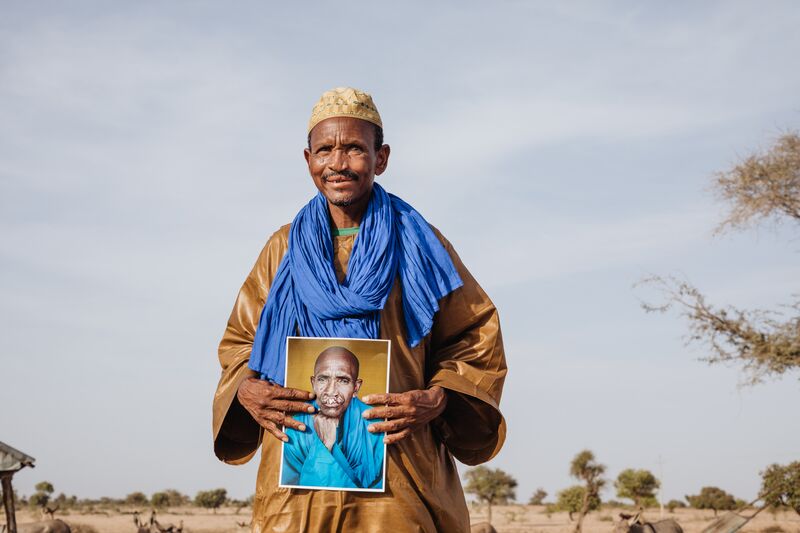
Left untreated, a cleft palate can lead to ongoing problems with speech, hearing, feeding and dental development. Samba lived with a cleft lip for 56 years and it took a two-hour operation to change Samba’s life. Children may struggle with pronunciation, deal with repeated ear infections, or face tooth alignment and jaw growth issues that get harder to fix the longer they go unaddressed.
Early surgical intervention combined with coordinated follow-up care cuts these risks substantially. Modern treatment isn’t a one-off event. It’s designed to support children right through childhood and into adolescence, adjusting as their needs change.
The Role of Multidisciplinary Cleft Care in Australia
One of the real strengths of cleft treatment in Australia is that it doesn’t rely on a single specialist. Children get support from a full team: a craniofacial surgeon, a paediatric plastic surgeon, a speech pathologist, an orthodontist, a dentist, an audiologist and others, all working from the same treatment plan.
That coordinated approach means physical, functional and emotional needs get addressed together rather than in isolation, which tends to produce better outcomes than treating each issue separately as it comes up. For an overview of how cleft-related conditions are managed medically, healthdirect Australia is a solid, independent starting point for parents wanting more detail.
Dental and Orthodontic Care for Children With Cleft Conditions
Children with cleft lip and palate often need ongoing dental and orthodontic support, since the cleft can affect how teeth develop, how they align and how the jaw grows.
Orthodontic treatment helps guide teeth into healthier positions and supports normal facial development as a child grows. Regular dental care isn’t an add-on here. It’s a standing part of long-term cleft management, right alongside speech and hearing follow-up.
Surgical Techniques Used in Cleft Repair
Techniques for repairing orofacial clefts have moved a long way in recent years. Surgeons rely on cheiloplasty and palatoplasty to restore both function and appearance, and in some cases children need further procedures, including lip revision surgery, to address symmetry or changes that come with growth.
Every treatment plan is built around the individual child rather than a standard template, because no two clefts, and no two faces, are quite the same.
Advances in Paediatric Cleft Surgery in Australia
Australia continues to offer high-quality specialist care for children with cleft conditions, with steady improvements in surgical planning, imaging and reconstruction techniques. Modern treatment aims for strong functional outcomes while keeping scarring down and letting the face develop as naturally as possible.
Families can access this level of expert care through specialised cleft services across the country, and increasingly through partnerships that extend Australian surgical expertise overseas. Mercy Ships volunteers, including plastic surgeons who tackle complex maxillofacial conditions, bring many of the same standards to children who would otherwise go without treatment altogether.
Emotional Support and Confidence After Cleft Surgery
Cleft treatment isn’t purely physical. Emotional wellbeing and confidence matter just as much through recovery and beyond. Parents, carers and healthcare teams work together to support children as they grow, and straightforward, honest communication along with encouragement helps kids build real confidence in how they look and what they can do.
For families wanting broader guidance on child development and confidence-building, Raising Children Network is a well-regarded Australian resource backed by the Australian Government and the Royal Children’s Hospital Melbourne.
Choosing Specialist Cleft Care in Australia
Choosing the right healthcare provider is a big decision for any family. Specialist teams experienced in paediatric cleft surgery can offer comprehensive support from infancy through to adulthood, and it’s worth looking for coordinated care that covers surgery, speech support, hearing monitoring, dental management and long-term follow-up under one plan.
Final Thoughts …
Understanding cleft lip versus cleft palate helps parents and carers see why these conditions call for different approaches, and why both surgeries matter so much to a child’s development. Cleft lip and cleft palate are different conditions, but modern treatment lets children achieve genuinely excellent functional and aesthetic outcomes.
Through specialist cleft lip and palate treatment in Australia, and through charities working in places where that access doesn’t exist, children can get support for feeding, speech, hearing, dental health and overall development. With early diagnosis, skilled surgery and consistent multidisciplinary care, kids born with cleft conditions can grow up confident, connected and healthy. If you’d like to help extend that same standard of care to children overseas, Mercy Ships Australia funds cleft repair surgery and the follow-up care that goes with it, giving children a second chance at a normal childhood.
FAQs
What is the core difference between a cleft lip and a cleft palate?
A cleft lip is an opening or separation in the upper lip, whereas a cleft palate is a split or opening in the roof of the mouth (the hard or soft palate). A child can be born with a cleft lip, a cleft palate, or both simultaneously.
Why do cleft lip and cleft palate require separate surgical repairs?
The lip and the palate form at different stages during early embryonic development. Consequently, repairing the lip focuses on facial aesthetics, lip structure, and nasal support, whilst repairing the palate focuses on functional sealing of the oral cavity from the nasal passage to enable proper swallowing, speech, and fluid control.
At what age is cleft lip surgery usually performed in Australia?
In Australian paediatric hospitals, a cleft lip repair (cheiloplasty) is typically scheduled when an infant is between 3 and 6 months of age.
When is cleft palate repair surgery typically carried out?
Cleft palate repair (palatoplasty) is usually carried out when a baby is between 9 and 12 months old. Performing this surgery before 12 months of age is crucial for aiding early speech pathology outcomes as infants begin vocalising.
Can a baby with a cleft palate breastfeed normally?
Infants with a cleft palate generally struggle to create the intra-oral suction required for traditional breastfeeding. Families are usually guided by paediatric speech pathologists or specialised lactation consultants to use specialised squeeze bottles, such as the SpecialNeeds Feeder.
Can a baby with a cleft lip only feed without difficulty?
Yes, most infants born with a cleft lip alone can feed successfully. Because the roof of their mouth remains intact, they are usually able to achieve adequate suction at the breast or on a standard teat.
How does a cleft palate affect a child’s speech development?
An uncorrected cleft palate allows air to escape through the nose during speech, resulting in hypernasal resonance and difficulty producing pressure consonants (such as ‘p’, ‘b’, and ‘t’). Repairing the palate restores the physical barrier needed to direct airflow through the mouth.
Why are children with a cleft palate prone to middle ear infections?
The muscles of the soft palate normally help open the Eustachian tubes to drain fluid from the middle ear. In children with a cleft palate, these muscles do not function normally, causing fluid buildup (‘glue ear’) that often requires grommet insertion (tympanostomy tubes) during palate repair surgery.
Is a cleft lip or palate detectable before birth in Australia?
Yes, a cleft lip is frequently identified during routine 18-to-20-week morphological ultrasound scans. Isolated cleft palates are less easily detected on standard prenatal scans and are often diagnosed upon physical examination at birth.
Will a cleft lip repair leave a visible scar?
Yes, surgical repair leaves a scar along the upper lip and beneath the nose. However, paediatric plastic surgeons utilise specialised suture techniques and place incisions within natural facial creases to minimise visible scarring over time.
What causes cleft lip and cleft palate?
Cleft conditions occur when tissue structures fail to join during early embryonic development. While the exact cause is often unknown, it is considered a combination of genetic traits and environmental factors during early pregnancy.
Will a child born with a cleft palate require orthodontic treatment?
Most children born with a cleft palate, particularly those involving the upper gum line (alveolus) require specialised orthodontic care and potential bone grafting during childhood to align adult teeth correctly.
What is an alveolar bone graft and why is it needed?
If a cleft extends through the upper gum ridge, an alveolar bone graft is often performed around 7 to 11 years of age. This procedure stabilises the upper jaw bone and provides support for permanent teeth to erupt into correct alignment.
How long does a baby stay in hospital after cleft palate surgery?
In Australian paediatric hospitals, most infants stay in the ward for approximately 1 to 3 nights following a palate repair to monitor airway stability, pain management, and oral fluid intake.
What is a submucous cleft palate?
A submucous cleft palate occurs when the tissue covering the roof of the mouth appears intact, but the underlying palatal muscles have not fused properly. It is often diagnosed later in early childhood due to hypernasal speech or feeding challenges.
Are further surgeries required as a child grows?
Many children only require their primary lip and palate repairs. However, some children may need secondary procedures later in childhood or adolescence, such as lip revisions, pharyngoplasty for speech correction, or jaw realignment (orthognathic surgery).
What post-operative restrictions apply after a baby’s palate surgery?
Following palate repair, babies are kept on a smooth, puree diet for several weeks to prevent damage to the surgical site. Hard objects, metal spoons, teat bottles, and pacifiers are restricted to protect the healing tissues.
Do all children with a cleft palate require long-term speech therapy?
While palatoplasty repairs the physical barrier, many children require ongoing speech pathology to unlearn compensatory habits and develop proper airflow control during sentence formulation.
How does cleft lip repair surgery improve breathing and nasal structure?
A cleft lip often affects the symmetry of the nostril base and nasal cartilage. During initial repair (cheiloplasty), surgeons often perform a primary nasal revision to realign the nostril, improve airflow symmetry, and restore facial balance.
Recent Comments