
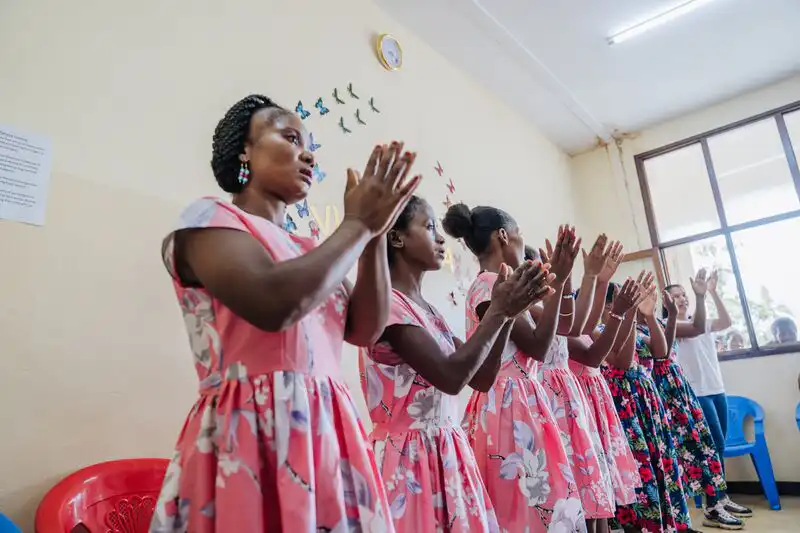
Women’s health is a pressing issue worldwide, with many women in low-income countries facing limited access to the healthcare they need. Healthcare systems in these regions are often under-resourced, and essential services like maternal care, gynecological treatments, and cancer screenings are frequently unavailable. For women in these areas, a lack of proper medical care can lead to preventable illnesses and complications.
Mercy Ships has made it a priority to address these challenges by providing essential healthcare through its hospital ships. These floating medical facilities offer vital services such as life-saving surgeries and preventative treatments to women in some of the world’s most underserved regions. By tackling issues like obstetric fistulas, maternal complications, and cervical cancer, Mercy Ships empowers women, restoring their health and dignity. The impact of this work goes far beyond medical treatment, as it helps strengthen communities by improving overall health outcomes and offering hope for a better future.
Empowering Women through Healthcare
Mercy Ships goes beyond providing medical care by offering women a path to empowerment. In regions where healthcare is scarce, the Mercy Ships team brings essential services to women who might otherwise go untreated. Access to life-saving medical care is not just about health – it’s about restoring dignity and giving women the chance to lead fuller lives. By focusing on women’s health, Mercy Ships helps break the cycle of illness that often limits women’s roles within their families and communities.
Empowerment comes through the restoration of health, and for many women, this means overcoming debilitating conditions such as obstetric fistulas or untreated gynaecological issues. With every surgery, treatment, and care provided, Mercy Ships helps women reclaim their futures, transforming not just their health but their opportunities for a better life.
Addressing Critical Women’s Health Issues on Mercy Ships
One of the greatest challenges facing women worldwide is access to appropriate healthcare for issues unique to them, such as maternal health complications and reproductive disorders. Mercy Ships helps fill this gap by providing critical health services to women who would otherwise have limited or no access to care. By bringing highly trained medical professionals to remote locations, the organisation offers essential treatments that can make a life-changing difference. Many women in underserved regions face severe health challenges, often with no hope of receiving the care they need.
Through its dedicated gynaecology services, Mercy Ships addresses women’s health in Africa by offering treatments like obstetric fistula surgery. This procedure is vital for women who suffer from life-altering childbirth injuries, enabling them to regain their dignity and health. In addition to fistula repair, Mercy Ships provides comprehensive gynaecological care, offering a broad range of services that address the most pressing women’s health issues in developing countries.
Maternal Health Care on Mercy Ships
Maternal health care is a key focus of Mercy Ships, as the team works to address the complex challenges women face during childbirth in low-income countries. Many women in these regions lack access to essential prenatal and postnatal care, which can lead to complications that threaten their lives. Mercy Ships provides critical antenatal care and treats post-partum complications, offering surgeries that can save lives and ensure safe deliveries.
By focusing on safe motherhood initiatives, Mercy Ships helps reduce maternal mortality rates and supports women in recovering fully after childbirth. Through this vital care, women are empowered to bring new life into the world with the confidence that they will receive the necessary medical attention during and after delivery. The services provided by Mercy Ships play an essential role in improving maternal health outcomes, offering hope and health to mothers and their families in some of the world’s most underserved communities.
Fistula Repair on Mercy Ships
Obstetric fistula is a severe and life-altering condition that typically occurs as a result of prolonged or obstructed labour. This injury often leads to chronic incontinence, causing women to face significant physical and emotional challenges. In many low-income countries, these women are left without access to the surgical care they need, leading to a lifetime of isolation and stigma. Without treatment, fistula can severely affect a woman’s quality of life and her ability to participate in daily activities. Women like Giselle, who lost her baby as a result of experiencing a prolonged obstructed labour in her Congolese village. Due to the trauma of the delivery, she developed a childbirth injury called obstetric fistula that creates a hole between the birth canal and urinary tract, leaving the mother incontinent.
Mercy Ships plays a crucial role in addressing this issue by providing free fistula repair surgeries to women in need. These surgeries not only restore physical health but also offer emotional healing by helping women regain their dignity and reintegrate into their communities. For many, the procedure is life-changing, enabling them to resume normal life, care for their families, and regain a sense of hope for the future. Mercy Ships’ commitment to restoring women’s health is a powerful tool for empowerment and healing.
Addressing Gynaecological Issues on Mercy Ships
Women in many developing countries face significant gynaecological issues, such as prolapse, fibroids, and infections, that can severely affect their health and well-being. These conditions can limit their ability to participate fully in daily life, whether by hindering their work, family care, or social interactions. Without proper medical attention, these problems often worsen, leading to long-term physical and emotional distress. Unfortunately, access to necessary treatments is limited in many regions, leaving these women with little hope for recovery.
Mercy Ships addresses these challenges by providing essential gynaecological care on board its floating hospitals. Through surgery and medical treatments, Mercy Ships restores women’s health, improving their quality of life and empowering them to reintegrate into their communities. This compassionate care not only resolves physical issues but also reduces the stigma often associated with untreated gynaecological conditions. By offering these life-changing services, Mercy Ships ensures that women can regain their health and dignity, contributing to stronger, healthier communities.
Overcoming Barriers to Healthcare for Women
Access to healthcare in sub-Saharan Africa remains one of the biggest challenges for women, particularly in rural areas where healthcare facilities are scarce and far away. For many, even the simplest medical treatments are out of reach due to distance, poverty, and lack of resources. Women in these regions often face the added burden of cultural barriers, limiting their ability to seek medical care. As a result, many go untreated for preventable conditions that could otherwise be managed with timely intervention.
Mercy Ships helps to break down these barriers by bringing healthcare directly to the communities that need it most. With its floating hospitals, the organisation provides free medical services to underserved women, ensuring that financial constraints do not prevent them from receiving essential care. This model allows Mercy Ships to address the unique healthcare needs of women, including maternal care, reproductive health, and gynaecological treatment, all while making healthcare more accessible and equitable in the regions it serves.
Volunteering for Women’s Health
Volunteering is a powerful way for healthcare professionals to make a direct impact on women’s lives. Volunteers contribute through a variety of roles, including providing direct patient care and assisting in shipboard medical training. This hands-on experience allows them to see the immediate difference they are making in the lives of women who otherwise may not have access to essential healthcare.
Beyond the immediate care provided, volunteers also play a crucial role in long-term change by training local medical staff. This transfer of knowledge and skills helps create a sustainable healthcare system, empowering local communities to continue improving women’s health after the Mercy Ships depart. Volunteers become an integral part of this global movement, ensuring that the impact of their work extends far beyond their time aboard the ships, leaving a lasting legacy of better healthcare and improved outcomes for women in need.
Global Health Education for Women
Global health education for women is a cornerstone of Mercy Ships’ work in developing nations. Through community outreach and tailored health training, Mercy Ships ensures women have access to critical knowledge about their bodies and health. By educating women on essential topics such as reproductive health, nutrition, and hygiene, Mercy Ships empowers them to make informed decisions about their wellbeing. This education not only helps women take charge of their health but also promotes better outcomes for families and communities.
In addition to individual health education, Mercy Ships also runs broader educational programs that address the importance of preventative care. By focusing on preventative women’s medicine, Mercy Ships works to reduce the long-term health burden faced by women in regions with limited access to healthcare. Through these initiatives, Mercy Ships is helping to create healthier, more resilient communities, ultimately contributing to the sustainable improvement of women’s health across the globe.
Public Health Interventions in Africa
Mercy Ships plays a pivotal role in public health interventions across Africa, addressing some of the most pressing health challenges faced by women. Its comprehensive programmes focus on a wide range of issues, from maternal care to gynaecological treatments. By bringing medical expertise directly to underserved regions, Mercy Ships is able to offer essential services such as obstetric fistula repairs, cervical cancer screenings, and maternal health support. These interventions have a significant impact, improving the quality of life for countless women who would otherwise have no access to such care.
Through its hospital ships, Mercy Ships provides not only immediate medical treatment but also long-term solutions by training local healthcare professionals and promoting women’s health education. This holistic approach helps to build sustainable healthcare systems and empowers women to take control of their own health. As a result, Mercy Ships is creating lasting change in the communities it serves, significantly improving health outcomes and addressing healthcare disparities across the continent.
Improving Women’s Health Outcomes Globally
Mercy Ships is making significant strides in improving women’s health outcomes globally through its innovative hospital ships, such as the Africa Mercy and the Global Mercy. By offering a wide range of medical services, from life-saving surgeries to routine preventative care, Mercy Ships is addressing the most pressing health issues affecting women, particularly in underserved regions. The floating hospitals bring essential treatments directly to communities, making healthcare accessible to women who would otherwise have limited or no options.
Through these efforts, Mercy Ships is helping to reduce health disparities by providing high-quality medical care, regardless of a woman’s location or economic status. The comprehensive services available on board focus on restoring health and dignity, offering everything from maternal care to specialised gynaecological treatments. By empowering women with access to the care they need, Mercy Ships is playing a vital role in creating more equitable healthcare access worldwide, particularly in regions like sub-Saharan Africa, where healthcare access is often limited.
Reducing Surgical Backlogs for Women
In many developing countries, women face a significant backlog in accessing surgical care, particularly for gynaecological conditions. These issues, often left untreated due to limited access to healthcare, can severely affect women’s physical and emotional well-being. Mercy Ships plays a crucial role in addressing this gap by providing free medical procedures, including essential surgeries for women who would otherwise be unable to afford treatment.
By conducting surgical missions in underserved regions, Mercy Ships brings critical care directly to those in need, significantly reducing the waiting time for surgeries. This not only alleviates the strain on local healthcare systems but also restores dignity to countless women who regain their health and independence. Through its efforts, Mercy Ships improves overall health outcomes and provides women with the opportunity to live healthier, more fulfilling lives, free from the burden of untreated medical conditions.
Final Thoughts …
Mercy Ships is making a profound difference in the lives of women across sub-Saharan Africa by addressing some of the most urgent health challenges they face. The organisation’s focus on providing critical medical care, including maternal health services and gynaecological treatments, is empowering women and helping to restore their health and dignity. By offering access to life-saving surgeries and essential health services, Mercy Ships not only transforms individual lives but also strengthens communities, as healthier women can contribute more fully to society.
The ongoing work of Mercy Ships and its dedicated volunteers is essential in bridging healthcare access gaps in regions where women have long struggled to receive adequate care. As the organisation continues to expand its efforts, it ensures that more women, regardless of their location or financial status, can receive the healthcare they need. Through these vital services, as well as your charitable donations Mercy Ships is paving the way for greater healthcare equity for women, ensuring that every woman has access to the care she deserves.
FAQs
What is the main women’s health issue addressed by Mercy Ships?
Mercy Ships primarily focuses on treating life-changing conditions caused by poor maternal healthcare, including obstetric fistula and complex gynaecological conditions.
Do Mercy Ships provide free healthcare for women?
Yes. Mercy Ships provides completely free surgical and medical care to women in the developing nations they serve, prioritising those with the greatest medical need.
What kind of gynaecological surgeries are offered on the hospital ships?
The hospital ships provide specialist women’s surgeries, including obstetric fistula repair and treatment for conditions such as uterine prolapse.
How does an obstetric fistula happen?
An obstetric fistula is usually caused by prolonged, obstructed labour without timely access to medical care, resulting in an abnormal opening between the birth canal and the bladder or rectum.
Where do Mercy Ships primarily offer women’s health services?
Women’s health services are delivered mainly in port cities across sub-Saharan Africa, where access to safe surgical care is extremely limited.
How does Mercy Ships empower women through health?
By restoring health, continence, and dignity through free surgery, Mercy Ships enables women to rejoin their families, communities, and economic life.
How long is the recovery period for fistula repair surgery on the ship?
Recovery includes physical healing and emotional support. Patients typically remain onboard or at a HOPE Centre for several weeks before returning home.
Is surgical capacity building part of the women’s health mission?
Yes. Mercy Ships trains and mentors local healthcare professionals in gynaecology, anaesthesia, and surgical care to create long-term, sustainable impact.
What is the significance of the ‘Dress Ceremony’ for fistula patients?
The Dress Ceremony symbolises restoration and celebration, marking a woman’s return to dignity, hope, and community following successful surgery.
Can women with complicated previous surgeries be treated on Mercy Ships?
Yes. The ships are equipped to manage complex cases, including women whose previous surgeries were unsuccessful or incomplete.
Does the charity help with preventative women’s healthcare?
Yes. Mercy Ships supports preventative care through health education, community outreach, and training that promote safe motherhood practices.
How is the treatment on the hospital ship funded?
All care is provided free of charge and funded entirely through donations from individuals, organisations, and charitable trusts worldwide.
Do patients have to pay for travel to the Mercy Ships?
Patients generally arrange their own travel to the port, though local partners often assist with identification, referrals, and logistics to reach the most vulnerable.
What other types of care accompany the women’s surgical treatment?
Holistic care includes counselling, physiotherapy, follow-up education, and reintegration support to ensure long-term recovery and wellbeing.
What is the difference between the Africa Mercy and the Global Mercy ships?
Both ships deliver free healthcare, but the Global Mercy is the newest and largest non-governmental hospital ship, significantly increasing surgical capacity.
Is family planning education included in the program?
Yes. Mercy Ships’ holistic approach often includes reproductive health education and safe motherhood information to further empower women.
Does Mercy Ships treat children’s health issues as well?
Yes. In addition to women’s health, Mercy Ships provides surgical care for children and adults, including ophthalmic, orthopaedic, and general surgery.
How do you refer a patient for women’s health surgery on a Mercy Ship?
Patient referrals are coordinated locally by Mercy Ships teams and in-country partners in collaboration with the host nation’s government.
Is the equipment used for gynaecology surgeries modern?
Yes. The hospital ships are fitted with modern operating theatres and advanced medical equipment, enabling volunteer surgeons to deliver world-class care.
Recent Comments