
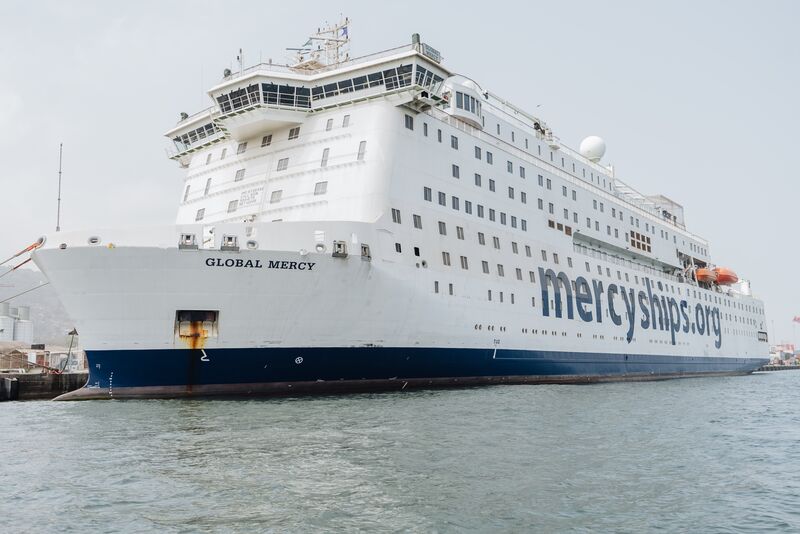
Sustainable healthcare is becoming an essential priority in Australia and globally, with growing focus on delivering medical services in ways that protect the environment. In Australia, frameworks such as the National Waste Policy and marine protection laws reinforce the importance of reducing environmental impact across all industries, including healthcare. Green hospital ships reflect this shift by combining humanitarian care with environmentally responsible operations. These vessels demonstrate that life-saving treatment can be delivered while maintaining strong commitments to marine conservation, waste reduction, and sustainable resource use, aligning with Australia’s broader sustainability goals.
Mercy Ships exemplifies how sustainable hospital ships can incorporate advanced environmental practices onboard while supporting vulnerable communities. Through improved energy efficiency, responsible waste management, and reduced emissions, these ships highlight a future where healthcare at sea operates in harmony with environmental standards. For Australian audiences, this approach reflects a commitment to responsible maritime practices and supports the ongoing transition towards sustainable healthcare solutions.
The Evolution of Sustainable Hospital Ships
Hospital ships have long been recognised for delivering essential medical services to underserved regions, but their role is now evolving to reflect growing environmental priorities. In Australia, where marine protection and sustainability are closely regulated, there is increasing emphasis on aligning humanitarian healthcare with environmentally responsible practices. This shift has led to the development of more sustainable hospital ships that integrate eco-conscious systems without compromising patient care or operational efficiency.
The rise of eco-friendly maritime medical care reflects broader changes within Australia’s maritime sector, including adherence to standards set by the Australian Maritime Safety Authority and national environmental policies. Mercy Ships has adapted to this transition by incorporating sustainable maritime development principles into its operations. By focusing on reduced emissions, responsible resource use, and marine conservation, these vessels demonstrate how humanitarian missions can support both global health outcomes and Australia’s strong commitment to environmental stewardship.
Environmental Practices Onboard Mercy Ships
Mercy Ships applies a wide range of environmental practices onboard to minimise its ecological footprint while delivering essential medical care. These include structured hospital ship waste management systems, sustainable medical waste disposal, and strict protocols focused on plastic reduction on ships. By aligning operations with principles similar to Australia’s marine protection frameworks, such as those guided by the Australian Maritime Safety Authority and national environmental standards, Mercy Ships ensures responsible handling of waste and materials. These efforts support effective marine pollution prevention and reflect a strong commitment to environmentally conscious humanitarian work.
In addition, Mercy Ships integrates sustainable processes that prioritise environmental stewardship in shipping, ensuring that onboard activities do not harm surrounding marine ecosystems. Practices such as controlled discharge systems, recycling initiatives, and efficient resource use contribute to broader goals of marine conservation in healthcare. This approach mirrors Australia’s emphasis on protecting coastal and ocean environments, reinforcing the importance of balancing healthcare delivery with long-term environmental responsibility.
Renewable Energy Integration at Sea
Renewable energy integration at sea is becoming increasingly important for sustainable hospital ships. Mercy Ships is adopting energy-efficient systems and exploring renewable power solutions. By focusing on energy efficiency and low-emission practices, sustainable hospital ships contribute to meaningful carbon footprint reduction at sea.
Energy Efficiency and Low Emission Operations
Energy efficiency plays a critical role in reducing emissions across modern hospital ships. By lowering fuel consumption, hospital ships can significantly reduce their carbon footprint without compromising operational capability.
Sustainable Water Treatment and Usage
Sustainable water treatment and usage are essential for hospital ships. Effective onboard systems ensure that wastewater is carefully treated before discharge, reducing the risk of marine pollution and protecting fragile ecosystems.
Mercy Ships incorporates advanced filtration and treatment technologies to manage water responsibly while maintaining high standards of hygiene for patient care. By prioritising efficient water use and minimising waste, these vessels support sustainable healthcare delivery at sea.
Eco-Friendly Vessel Design and Engineering
Eco-friendly vessel design is essential in shaping the future of sustainable hospital ships. By incorporating eco-friendly naval architecture and sustainable marine engineering, vessels can significantly reduce emissions, improve fuel efficiency, and minimise their overall environmental footprint. Design elements such as optimised hull forms, energy-efficient systems, and low-impact materials align with Australian Maritime Safety Authority guidelines and broader national sustainability goals.
In addition, these innovations support more effective offshore medical operations by ensuring vessels remain reliable, durable, and adaptable in diverse marine conditions. Sustainable vessel design also contributes to long-term cost efficiency and reduced resource consumption, which is critical for humanitarian missions. By aligning with Australian environmental standards and marine conservation priorities, hospital ships can deliver essential healthcare services while maintaining a strong commitment to environmental responsibility and ocean protection..
Marine Environmental Protection and Conservation
Mercy Ships aligns its practices with internationally recognised standards that complement Australian frameworks such as those guided by the Australian Maritime Safety Authority and the Environment Protection and Biodiversity Conservation Act. By prioritising marine pollution prevention, careful waste handling, and reduced emissions, these vessels help safeguard ocean health while delivering essential medical services to communities in need.
Mercy Ships supports marine ecosystem protection by reducing its environmental footprint through sustainable ship operations and responsible resource management. These efforts highlight the growing importance of integrating marine conservation into healthcare delivery, ensuring that humanitarian work contributes positively to both human wellbeing and the long-term sustainability of marine environments.
Green Maritime Technology and Innovation
Green maritime technology is transforming how sustainable hospital ships operate, with innovation playing a central role in reducing environmental impact while maintaining high standards of care. Mercy Ships incorporates eco-friendly onboard systems that improve energy efficiency, reduce emissions, and support responsible resource use. These advancements align with Australia’s focus on cleaner maritime operations, particularly under frameworks guided by the Australian Maritime Safety Authority, which promotes environmentally responsible shipping practices across national waters.
In addition, advanced monitoring tools and smart systems allow for better management of fuel consumption, waste output, and overall vessel performance. This supports sustainable maritime development while ensuring compliance with Australian environmental regulations, including marine protection standards. By embracing green maritime technology, hospital ships can deliver vital healthcare services while contributing to marine conservation efforts, reflecting Australia’s strong commitment to balancing innovation with environmental responsibility.
Sustainable Humanitarian Logistics
Delivering medical aid across vast ocean distances requires precise coordination, and sustainable humanitarian logistics plays a vital role in ensuring efficiency while minimising environmental impact. By prioritising eco-friendly aid delivery, hospital ships can limit excess packaging, reduce emissions, and ensure that resources are transported responsibly across regions.
Mercy Ships demonstrates how sustainable offshore operations can be successfully implemented without compromising the quality or reach of medical care. This approach reflects a growing commitment within the sector to balance life-saving missions with long-term sustainability, ensuring that aid delivery remains both effective and environmentally conscious.
Waste Reduction and Resource Efficiency
Effective waste reduction and resource efficiency are central to the success of sustainable hospital ships, particularly when operating in environmentally sensitive marine regions. Mercy Ships adopts structured waste management systems that prioritise minimising waste generation, improving recycling practices, and ensuring responsible handling of materials onboard. By carefully managing resources, hospital ships can significantly lower their environmental footprint while continuing to deliver essential medical services.
In addition to waste control, efficient use of resources such as water, energy, and medical supplies plays a vital role in sustainable operations. Mercy Ships incorporates practices that support long-term sustainability, including optimised inventory management and environmentally conscious procurement. These approaches reflect broader green shipping initiatives and demonstrate a commitment to environmental responsibility in maritime operations, which is increasingly valued within Australia’s sustainability-focused framework.
The Role of Eco-Conscious NGO Vessels
Eco-conscious aid organisations are becoming essential in redefining how humanitarian support is delivered, particularly in a world increasingly focused on sustainability. In the maritime sector, vessels operated by organisations such as Mercy Ships demonstrate how environmental responsibility can be embedded into everyday operations. By adopting structured environmental policies, these ships align with international standards. This includes careful resource use, emissions reduction strategies, and responsible waste handling, all of which contribute to more sustainable fleet management.
NGO organisations highlight how humanitarian missions can operate in harmony with environmental laws and conservation priorities, including marine pollution prevention and ecosystem protection. By integrating sustainability into logistics, vessel design, and onboard practices, they set a benchmark for responsible maritime operations that supports both community health outcomes and long-term environmental stewardship.
Future of Sustainable Healthcare at Sea
The future of sustainable healthcare at sea will be shaped by ongoing innovation, stronger environmental standards, and a growing commitment to responsible maritime operations.
As demand for sustainable humanitarian aid increases, hospital ships will continue to evolve in both design and function. Future vessels are likely to incorporate renewable energy integration, advanced waste treatment systems, and environmentally conscious logistics that reflect Australia’s leadership in ocean protection.
Final Thoughts …
Green hospital ships clearly show that high-quality healthcare and environmental responsibility can operate together to create lasting global benefits. Mercy Ships offers a strong example of how thoughtful environmental practices onboard can support both patient care and marine protection.
These vessels highlight how innovation, responsible resource use, and environmental compliance can shape the future of humanitarian work. By aligning healthcare delivery with sustainable maritime practices, organisations can contribute to a cleaner, more resilient ocean environment while meeting global health needs.
FAQs
What eco-friendly technologies are used on modern hospital ships?
Modern vessels like the Global Mercy utilise energy-efficient HVAC systems, LED lighting, and advanced water treatment plants that filter air conditioning condensate for technical reuse, significantly reducing potable water consumption.
How is medical waste managed onboard to protect the marine environment?
Onboard systems ensure that medical waste is strictly categorised, treated, and disposed of according to AMSA and international maritime standards to prevent any hazardous materials from entering the ocean.
Do hospital ships use renewable energy sources?
While many ships still rely on marine diesel, newer designs are incorporating solar panels and exploring low-carbon fuels to decrease greenhouse gas emissions during long periods of being docked in port.
How do sustainable practices improve healthcare delivery on ships?
By reducing operational costs through energy efficiency and waste reduction, more funds can be redirected toward direct surgical care and medical training for local healthcare professionals.
What is the “Green Hospital Ship” initiative?
It refers to the strategic move toward using naval architecture and engineering that minimises environmental impact while maintaining a high standard of sterile, offshore medical facilities.
How is wastewater treated on an NGO hospital ship?
Vessels are equipped with advanced onboard treatment plants that ensure all effluent meets international “clean sea” standards before any authorised discharge occurs.
What are the benefits of energy-efficient lighting in a floating hospital?
Switching to LED and smart lighting reduces the load on the ship’s generators, lowering fuel consumption and heat production, which in turn reduces the energy required for air conditioning.
What impact does maritime decarbonisation have on humanitarian aid?
Decarbonisation reduces the long-term environmental cost of aid, ensuring that saving lives today does not come at the expense of the ecosystem health of the communities being served.
Can solar energy power a ship’s medical equipment?
While the entire propulsion usually requires more power, solar arrays are increasingly used to supplement “hotel loads,” such as lighting and refrigeration for temperature-sensitive medications.
How does the Global Mercy’s design reflect environmental stewardship?
The ship was purpose-built with a roadmap for energy efficiency, including a hull design that reduces drag and high-efficiency engines that lower total carbon emissions per mission.
Is there a focus on sustainable food sourcing for the crew?
Yes, Mercy Ships strives to balance healthy meal preparation with sustainable sourcing, though they must work within the galley restrictions of a ship environment.
How do Australian donors support green maritime initiatives?
Donations to Mercy Ships Australia support the maintenance of modern, efficient vessels and the implementation of carbon-offsetting programmes where emissions cannot be avoided.
What is the importance of “clean water” systems on hospital ships?
Sustainable water systems provide reliable, sterile water for surgeries and post-operative care while reducing the environmental strain on local land-based water sources in host nations.
How does noise pollution from ships affect marine life?
Sustainable ship design includes measures to reduce underwater radiated noise, which helps protect the sensitive marine ecosystems in the coastal areas where the ships remain at anchor.
Are Australian volunteers trained in environmental safety?
Volunteers are briefed on the ship’s environmental policies, including waste segregation and energy conservation, as part of their onboarding and seafaring responsibilities.
How does Mercy Ships align with the UN Sustainable Development Goals?
The organisation specifically targets SDG 3 (Good Health and Well-Being) and SDG 13 (Climate Action) by providing healthcare through an environmentally conscious operational model.
Recent Comments