
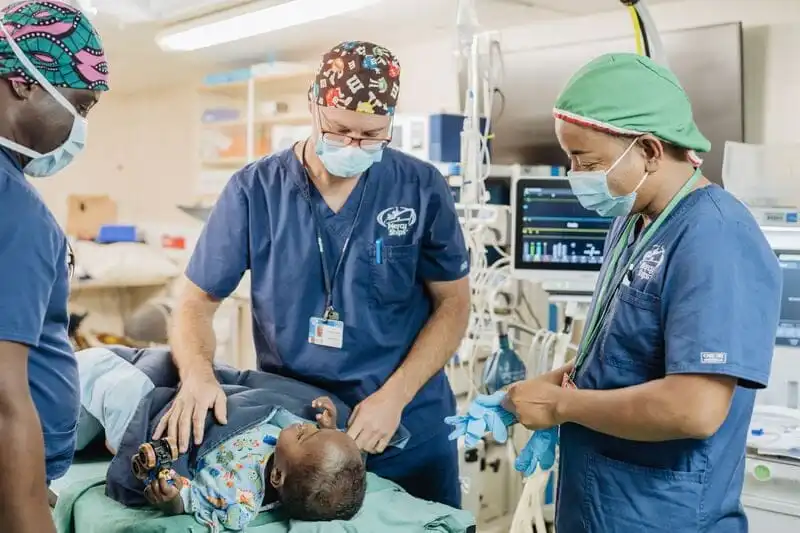
In many regions of Africa, the lack of skilled medical professionals and inadequate healthcare infrastructure create significant barriers to quality care. However, medical charity donations to Mercy Ships are helping to alleviate these challenges by providing essential medical training. Through the support of generous donors, Mercy Ships is not only delivering critical healthcare services but also empowering local medical professionals with the expertise they need to enhance healthcare standards long-term. By offering training in various medical fields, including surgery, nursing, and specialised areas like maternal and pediatric care, Mercy Ships is building local capacity and improving healthcare outcomes. These donations ensure that African healthcare professionals can continue to deliver high-quality care, even after Mercy Ships’ teams have departed. The long-lasting impact of this training is vital in creating sustainable healthcare systems that will benefit communities for years to come, making a profound difference in Africa’s healthcare future.
The Role of Donations in Supporting Mercy Ships’ Mission
Mercy Ships’ medical training in Africa is fundamentally supported by generous donations. These vital contributions help fund a variety of training programmes aimed at improving healthcare delivery across the continent. From surgical training to nursing education, donations provide healthcare professionals with the necessary skills to treat patients effectively. This not only enhances medical capacity but also ensures that local communities can maintain a high standard of healthcare long after Mercy Ships leaves. By investing in medical education and training healthcare professionals on the ground, Mercy Ships empowers local workers to manage and tackle health challenges independently. As a result, Mercy Ships’ donations are transforming Africa’s healthcare landscape, improving medical care in both urban and rural areas. These efforts create a sustainable healthcare model where communities are capable of meeting their own healthcare needs, reducing dependence on external aid and ensuring better long-term health outcomes for future generations.
Medical Education in Africa: A Key to Sustainable Healthcare
One of the core areas that Mercy Ships focus on is medical education in Africa. Through these contributions, Mercy Ships provides comprehensive training to local healthcare professionals, equipping them with the skills necessary to address some of the continent’s most pressing health challenges. Paediatric surgery and maternal health training are just two of the vital areas supported by these donations. With advanced medical education, healthcare workers are better prepared to tackle complex surgeries, improve maternal care, and reduce child mortality rates, which are significant issues in many African countries. The impact of these training programmes extends beyond the immediate medical needs, as they help build sustainable healthcare systems by strengthening the capacity of local professionals. As a result, Mercy Ships’ focus on medical education in Africa is not only improving healthcare outcomes but also fostering long-term, self-sufficient healthcare across the continent.
Empowering Healthcare Professionals in Africa
Investing in African healthcare goes beyond simply providing aid; it’s about empowering local healthcare workers with the skills and resources they need to sustain and improve care. Mercy Ships plays a pivotal role in this process by offering specialised training opportunities for doctors, nurses, and surgical teams. Through programs such as ophthalmology training and anaesthesia education, healthcare professionals gain the advanced skills necessary to address a wide range of medical challenges. These training initiatives are designed to enhance local capacity, allowing African professionals to deliver high-quality, life-saving care to their communities. By equipping healthcare workers with the expertise to manage and treat complex health conditions, Mercy Ships reduces dependence on external support, fostering long-term, self-sustaining healthcare solutions. Ultimately, this approach empowers local medical teams to improve health outcomes and contribute to building resilient healthcare systems throughout Africa.
How Donations Help Fund Surgical Training in Africa
One of the most impactful ways to support medical training in Africa is through funding surgical training. Across many African countries, there is a critical shortage of skilled surgeons, especially in rural areas where access to healthcare is limited. This shortage results in an overwhelming surgical backlog, leaving countless individuals without the care they desperately need. By directing donations towards surgical training programs, Mercy Ships and similar organisations are equipping healthcare professionals with the knowledge and hands-on experience necessary to perform life-saving surgeries. These trained surgeons not only save lives in the short term but also contribute to the long-term development of healthcare in their communities. Funding surgical education in Africa is a vital investment in addressing the continent’s healthcare gaps and improving the quality of life for individuals who previously had no access to advanced medical care. It is an essential step towards building sustainable, self-sufficient healthcare systems.
Strengthening Healthcare Infrastructure Through Education
Healthcare infrastructure donations go beyond simply providing medical equipment; they focus on creating a sustainable, locally managed system capable of delivering long-term healthcare solutions. Mercy Ships understands that to truly make a difference, it’s not enough to just send supplies—it’s about empowering local healthcare professionals with the necessary skills to manage and operate these resources effectively. By investing in training healthcare professionals in Africa, Mercy Ships is ensuring that medical systems across the continent can continue to thrive independently. This approach strengthens the healthcare workforce and equips them with the tools needed to tackle both current and future health challenges. It also fosters resilience within local communities, allowing countries to provide quality care for generations. Through these medical education initiatives, Mercy Ships is building a foundation of sustainable healthcare infrastructure that will have a lasting impact, improving the health outcomes of millions across Africa.
The Importance of Supporting Nurse Training in Africa
Overseas volunteer nurses play a crucial experienced training role in healthcare systems around the world, and their importance is particularly evident in Africa. Nursing training in Africa is vital for addressing the continent’s healthcare challenges, such as high maternal mortality rates and widespread childhood diseases. Through generous donations for nursing education, Mercy Ships is empowering nurses with the necessary skills and knowledge to provide quality care in underserved regions. These training programs focus on critical areas like maternal health, neonatal care, and treating infectious diseases, all of which are pivotal in improving health outcomes for African families. By investing in nursing education through Mercy Ships, donors are directly contributing to the development of healthcare professionals who will save lives, reduce mortality rates, and strengthen local health systems. These trained nurses play a key role in tackling the continent’s most pressing health issues, ultimately improving the well-being of communities across Africa.
Donations for Healthcare Workers: Ensuring Better Medical Care
Healthcare workers are the backbone of any healthcare system, especially in Africa, where medical challenges are often overwhelming. Their training is essential for improving patient outcomes and addressing the continent’s healthcare needs. Donations dedicated to healthcare workers in Africa provide ongoing education and specialised training in critical medical fields such as surgery, nursing, and anaesthesia. This continuous professional development ensures that healthcare providers are equipped with the latest knowledge and techniques, which directly impacts the quality of care they can offer. By supporting healthcare training in Africa, these donations help bridge the gap in medical expertise, making healthcare services more accessible and effective. Well-trained healthcare workers are better able to respond to local health crises, offer better patient care, and tackle persistent health issues such as maternal mortality and childhood diseases. Ultimately, investing in their education leads to long-term improvements in healthcare delivery and the overall wellbeing of communities across Africa.
Addressing the Need for Skilled Surgeons in Africa
The shortage of skilled surgeons in Africa is one of the most significant barriers to effective healthcare on the continent. Many countries in Africa lack sufficient trained medical professionals, particularly in surgical fields, which directly impacts the quality of care available to patients. Donations aimed at surgical training in Africa play a crucial role in addressing this issue by providing comprehensive, hands-on training for healthcare workers. These training programs equip local surgeons with the necessary skills and knowledge to perform critical surgeries, thereby improving patient outcomes and saving lives. Additionally, the support provided through surgical training not only addresses immediate healthcare needs but also contributes to the long-term development of medical expertise across the continent. As more healthcare professionals gain advanced training, the healthcare system in Africa becomes more self-sustaining, capable of managing complex medical conditions, and ultimately improving the overall quality of care for communities in need.
Supporting Paediatric Surgery and Maternal Health Training
Paediatric surgery training and maternal health training are two critical areas where donations to Mercy Ships make a significant impact. In many parts of Africa, child and maternal mortality rates are alarmingly high due to a lack of skilled medical professionals and essential healthcare resources. Through donations for maternal health and paediatric surgery education, Mercy Ships equips local healthcare providers with the skills needed to perform life-saving procedures. These trainings not only improve the immediate healthcare response but also strengthen the local healthcare infrastructure for the future. By investing in these areas, Mercy Ships addresses the urgent need for specialised care, ensuring that children and mothers receive the attention and support they deserve. With increased access to professional training, Mercy Ships helps reduce the gap in healthcare availability, contributing to improved child survival rates and maternal health outcomes, ultimately making a lasting difference in the lives of thousands of families across Africa.
Building a Stronger, Healthier Future for Africa
By donating to Mercy Ships, individuals and organisations play a vital role in building a more sustainable healthcare system across Africa. These donations are not only helping to address immediate medical needs but also supporting long-term healthcare solutions that empower local communities and professionals. Through targeted medical training, donations help to equip African healthcare workers with the skills they need to deliver high-quality care, ensuring that medical services continue long after Mercy Ships departs. This approach is key to developing resilient healthcare infrastructures capable of meeting the continent’s growing demand for quality care. By investing in healthcare education and medical programs, donors are fostering a self-sustaining system where African nations can manage and maintain high-quality healthcare independently. Ultimately, these contributions help to create healthier communities, reduce dependency on external aid, and contribute to lasting improvements in the overall health of the population across Africa.
A Call for Continued Support: Why We Need to Keep Giving
While Mercy Ships has already made significant strides in transforming healthcare across Africa, there is still much work to be done. The need for skilled healthcare professionals, especially in underserved areas, remains critical. Ongoing charitable donations for medical training in Africa are vital to sustain the success of these programs and ensure continued progress in healthcare development. These contributions enable Mercy Ships to provide advanced medical education in fields like surgery, nursing, and maternal health, empowering local professionals to lead healthcare initiatives long after the ships depart. Without continued support, the progress made could stall, and many communities would lose access to quality care. By committing to sustainable healthcare solutions, we can build a stronger, more resilient healthcare system across the continent. With your ongoing generosity, we can make a lasting difference in the lives of millions, creating healthier futures for individuals, families, and communities throughout Africa.
Final Thoughts …
Investing in African healthcare through donations for medical training is one of the most effective ways to tackle the continent’s healthcare challenges. By supporting Mercy Ships, donors are not only providing immediate relief but also fostering the growth of local healthcare professionals. This contributes to the long-term development of sustainable healthcare systems across Africa. The impact of medical training in Africa is far-reaching, with each donation helping to train healthcare workers who, in turn, save lives and improve the quality of care. By empowering local professionals, we are helping to build a stronger, more resilient healthcare infrastructure that can continue to thrive independently. This transformative approach ensures that healthcare improvements are long-lasting, benefiting future generations. Through your ongoing support and donating to a medical charity, we can equip African healthcare professionals with the essential skills and knowledge to tackle health challenges and create a healthier, more self-reliant future for all.
FAQs
What is Mercy Ships and what is its primary mission?
Mercy Ships is a global charity that operates hospital ships to deliver free, world-class healthcare services, including life-changing surgeries and medical training, to people in developing nations, primarily in Africa, who have limited access to medical care. Its mission is to bring hope and healing.
How does Mercy Ships contribute to strengthening healthcare systems in Africa?
Mercy Ships strengthens healthcare systems by providing direct surgical care, but critically, also by investing heavily in medical training and education for local healthcare professionals. This capacity-building approach equips African doctors, nurses, and other specialists with the skills and knowledge to serve their communities long-term.
What kind of surgeries does Mercy Ships perform?
Mercy Ships performs a wide range of specialised surgeries, including maxillofacial, orthopaedic, plastic reconstructive, ophthalmic (eye), general, and women’s health surgeries, often addressing complex conditions that have gone untreated for years due to lack of access to care.
Are the medical services provided by Mercy Ships free for patients?
Yes, all medical and surgical services provided by Mercy Ships on board its hospital ships are completely free of charge for the patients.
How does Mercy Ships ensure the sustainability of its training programs?
Mercy Ships focuses on practical, hands-on training, often in partnership with local governments and medical institutions. They aim to build local expertise and equip healthcare professionals with skills that are relevant and sustainable within their own healthcare systems, fostering long-term impact.
Who are the volunteers on Mercy Ships?
Mercy Ships is staffed almost entirely by volunteers from around the world, including surgeons, nurses, anaesthetists, maritime crew, engineers, teachers, cooks, and more. They donate their time and skills to make the mission possible.
What is the “Global Mercy” ship?
The Global Mercy is the newest and largest civilian hospital ship in the world, specifically designed to maximise surgical capacity and training facilities. It significantly expands Mercy Ships’ ability to provide care and education in Africa.
What is the “Africa Mercy” ship?
The Africa Mercy has been serving African nations for many years, delivering vital surgical care and medical training before the Global Mercy joined the fleet.
How can I donate to support medical training in Africa through Mercy Ships?
You can donate directly through the Mercy Ships official website. They offer various ways to contribute, from one-time gifts to recurring donations, all supporting their crucial work in medical training and healthcare.
What is “medical capacity building” in the context of Mercy Ships?
Medical capacity building refers to Mercy Ships’ strategic effort to strengthen the skills, knowledge, and infrastructure of local healthcare systems in Africa. This includes training programs, mentoring, and equipping local hospitals, ensuring a lasting impact beyond the ship’s visit.
Does Mercy Ships work with local governments in Africa?
Yes, Mercy Ships works closely with the governments and health ministries of the host nations. This collaboration ensures that their programs align with national healthcare priorities and contribute effectively to local health development plans.
How does Mercy Ships select the countries it visits in Africa?
Mercy Ships selects countries based on identified critical healthcare needs, stability within the region, and invitations from the host government. They often prioritise nations with a significant lack of access to safe surgical care and a strong desire for medical capacity building.
Beyond medical training, what other services does Mercy Ships provide?
In addition to surgeries and medical training, Mercy Ships often provides community health education, dental care, eye care, and renovation or equipping of local medical facilities to further support the host nation’s healthcare infrastructure.
How many healthcare professionals have Mercy Ships trained in Africa?
Over four decades of operation, Mercy Ships has trained thousands of local healthcare professionals in Africa, significantly contributing to the continent’s medical workforce.
What is the difference between direct surgical care and medical training for Mercy Ships?
Direct surgical care involves Mercy Ships volunteers performing operations on patients who come to the ship. Medical training focuses on teaching and empowering local African healthcare professionals so they can perform similar procedures and provide care independently in their own communities. Both are essential parts of the mission.
Are there opportunities for non-medical volunteers on Mercy Ships?
Yes, while medical professionals are crucial, Mercy Ships also needs a wide range of non-medical volunteers, including engineers, maritime crew, teachers, cooks, administrators, and more, to keep the floating hospital operating efficiently.
How does supporting Mercy Ships help improve public health in Africa?
By training local medical professionals, improving surgical access, and providing health education, Mercy Ships helps build more robust health systems that can better address diseases, prevent complications, and ultimately improve the overall public health outcomes for communities in Africa.
What challenges does Mercy Ships face in providing medical training in Africa?
Challenges include limited resources in host nations, language barriers, varying levels of existing medical infrastructure, and the need to tailor training programs to diverse local contexts. However, Mercy Ships works diligently to overcome these obstacles through collaboration and adaptive strategies.
What makes Mercy Ships unique compared to other medical charities in Africa?
Mercy Ships’ unique approach lies in its use of hospital ships as mobile platforms for both delivering advanced surgical care and conducting extensive medical training and capacity-building programs, allowing them to reach underserved coastal populations and leave a lasting legacy of empowered healthcare professionals.
Recent Comments