
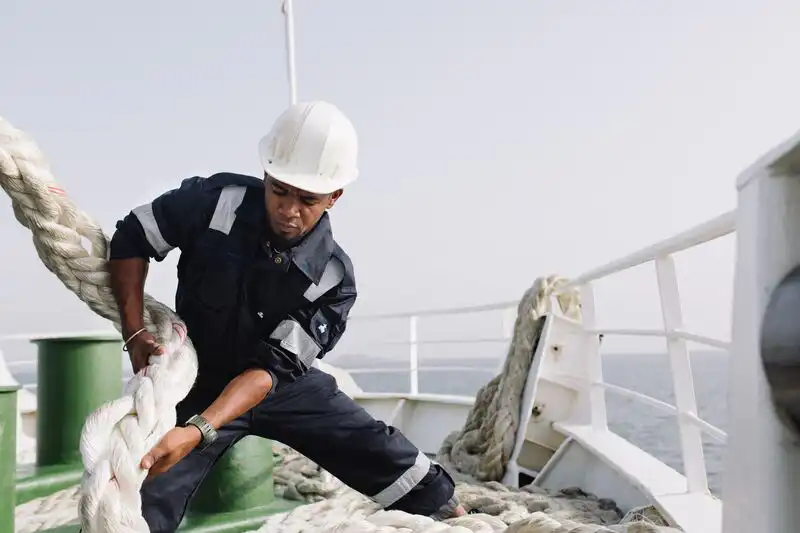
Mercy Ships is a global humanitarian organisation that delivers life-saving medical care to underserved communities, often in remote regions. The mission is powered by a team of dedicated volunteers, including crucial maritime roles like Able Seaman and Deck Hand. These positions ensure the smooth operation of the hospital ships, which provide vital healthcare services to those in need. The work of the maritime crew is essential in maintaining the safety, stability, and functionality of the vessels, enabling medical teams to deliver their services effectively.
For maritime professionals, volunteering with Mercy Ships offers a unique opportunity to use their skills in a meaningful way. In addition to contributing to global humanitarian efforts, volunteers gain valuable experience in maritime operations while being part of a diverse, international team. The experience is not only professionally rewarding but personally fulfilling, as it provides the chance to make a tangible difference in the lives of vulnerable individuals around the world.
Who are Mercy Ships?
Mercy Ships is a global humanitarian organisation that operates a fleet of hospital ships providing free, life-saving medical care to those in need, particularly in underserved regions of Africa and Southeast Asia. These ships bring a wide range of medical services, from complex surgeries to dental care and even medical training for local professionals. By offering these essential services, Mercy Ships aims to improve health and quality of life for people in areas with limited access to healthcare.
The Importance of Maritime Volunteers on Mercy Ships
The role of a maritime volunteer on board is crucial for the success of Mercy Ships’ mission. These volunteers are responsible for maintaining the vessel, handling operations, and ensuring that the ship is ready to provide medical aid wherever it is needed. From ensuring the safety of the crew and patients to maintaining equipment, their work makes the smooth running of the hospital ship possible. Volunteers play a key part in enabling the medical teams to focus on their life-saving work by providing the essential maritime support required.
Whether you have years of experience or are new to maritime work, volunteering with Mercy Ships offers an opportunity to apply your skills in a meaningful way. Maritime volunteers are more than just crew members, they are integral to the success of the entire operation. By contributing your time and expertise, you help deliver crucial healthcare to underserved communities while gaining invaluable experience in a unique, impactful environment.
What Do Able Seaman and Deck Hand Volunteers Do?
Able Seaman and Deck Hand volunteers are essential to the smooth operation of Mercy Ships vessels. Able Seamen are tasked with various maintenance duties, ensuring that the ship’s equipment is properly maintained and in good working order. They also manage safety drills, ensuring the crew is prepared for emergencies, and provide support to other crew members, particularly during challenging conditions or critical moments. Their role is fundamental to maintaining the safety and functionality of the ship, allowing medical staff to focus on their life-saving work.
Deck Hands are responsible for the upkeep of the ship’s exterior. This includes cleaning and maintaining the decks, handling ropes, and assisting with docking procedures. They also help with general maintenance tasks, ensuring that the ship is always ready for the next mission. These roles are physically demanding, requiring stamina and attention to detail, but the reward comes in knowing that their efforts contribute directly to the success of Mercy Ships’ humanitarian goals.
Volunteer Seafarer Positions on Mercy Ships
Mercy Ships provides a range of volunteer seafarer positions, enabling individuals to apply their maritime skills to a humanitarian mission. These roles are perfect for those who have a passion for both the sea and serving others. Volunteers have the opportunity to work on board hospital ships, supporting the vessel’s operations while contributing to the delivery of life-saving medical care to underserved communities. Whether it’s in a Deck Hand or Able Seaman role, these positions ensure that volunteers play a key part in the success of Mercy Ships’ global missions.
Volunteering as a seafarer with Mercy Ships not only provides invaluable maritime experience but also offers the chance to make a meaningful impact on the lives of people in need. As part of the crew, you’ll gain hands-on experience, work alongside a diverse international team, and help provide vital support to a global humanitarian organisation. It’s a fulfilling way to combine your maritime skills with a sense of purpose and compassion.
How to Apply for a Maritime Volunteer Position on Mercy Ships
Getting involved with Mercy Ships is a straightforward process. Start by visiting the volunteering section on the website, where you’ll find detailed information about the various maritime volunteer positions available, including roles for Able Seaman and Deck Hand volunteers. The site offers an easy-to-navigate portal where you can learn more about the specific requirements for each position and begin your application.
The application process typically involves submitting your CV, filling out an online application form, and possibly undergoing a medical checkup to ensure you’re fit for the demands of life at sea. Mercy Ships is open to applications from people across the globe, welcoming those with maritime experience as well as those eager to contribute their skills to a humanitarian cause. If you have a passion for the sea and a desire to help others, applying for a volunteer position with Mercy Ships is the first step toward making a meaningful impact.
The Benefits of Volunteering with Mercy Ships
Volunteering with Mercy Ships provides an extraordinary opportunity for personal growth and professional development. Volunteers gain hands-on experience in maritime operations while travelling to remote locations and contributing to a global humanitarian mission. This unique environment allows individuals to refine their maritime skills and broaden their expertise in a practical, real-world setting. It’s an invaluable experience that enhances both personal confidence and career prospects.
Beyond professional growth, volunteering with Mercy Ships offers a chance to make a profound difference in the lives of others. Volunteers become part of a dedicated global community, united by the shared goal of improving healthcare for underserved populations. Many volunteers find the experience deeply rewarding, as they not only develop new skills but also witness the direct impact of their work on people’s lives. The sense of fulfillment from knowing you are part of a larger mission is truly life-changing and offers an unmatched sense of purpose.
Training and Support for Volunteers
Mercy Ships offers comprehensive training to all volunteers before they embark on their journey. This training includes essential safety courses, covering everything from emergency protocols to basic first aid, ensuring that volunteers are well-equipped to handle any situation that may arise. Additionally, volunteers receive specific familiarisation with their shipboard duties, including the equipment they will be using and the daily tasks they will be performing. This preparation is vital for ensuring that volunteers can contribute confidently and competently to the operation of the vessel.
During their life onboard the ships, volunteers are supported by a dedicated team that prioritises their well-being and success. This support network ensures that any challenges faced by volunteers are addressed promptly, whether they are related to their role or personal adjustment to life on board. With continuous guidance, volunteers can thrive in their roles, knowing they have the resources and assistance needed to carry out their work effectively while maintaining a positive experience.
How Volunteering on Mercy Ships Helps Your Maritime Career
Volunteering on board a Mercy Ship provides an exceptional opportunity to gain hands-on experience in a unique, real-world maritime setting. Working alongside seasoned maritime professionals in a challenging yet rewarding environment, volunteers can develop a wide range of practical skills. From managing deck operations to overseeing the ship’s maintenance, this experience equips individuals with the knowledge and abilities needed to excel in future maritime roles.
Additionally, volunteering on Mercy Ships enhances critical soft skills such as leadership, communication, and teamwork. These qualities are highly valued in the maritime industry and are essential for advancing in one’s career. Many volunteers find that their time with Mercy Ships opens up new professional doors, providing them with the credibility and experience needed to secure positions in commercial shipping, cruise lines, and other maritime organisations. Ultimately, volunteering on a Mercy Ships vessel offers invaluable career development and positions individuals for success in the maritime sector.
Life on Board Mercy Ships
Life on board a Mercy Ships vessel is truly unique and filled with rewarding experiences. Volunteers come together from various countries and backgrounds, fostering a rich, diverse community. This multicultural environment encourages volunteers to learn from one another, build lasting friendships, and collaborate towards a shared goal. The tight-knit crew works together daily to ensure that the ship operates smoothly and that all tasks are completed to support Mercy Ships’ mission.
The day-to-day life on board the vessel can be demanding, with long hours and challenging conditions. However, the sense of purpose and fulfilment that comes with contributing to a humanitarian mission makes every moment worthwhile. Volunteers are encouraged to engage in various activities that promote both personal development and team bonding. Whether through social events, training sessions, or group activities, life on board fosters a deep sense of camaraderie and creates lasting memories that extend well beyond the time spent on the ship.
Challenges of Volunteering on a Mercy Ships Vessel
Volunteering on a Mercy Ships vessel can be physically demanding. The roles of Able Seaman and Deck Hand require stamina and the ability to work long hours in a variety of weather conditions. Maintenance of the ship, handling ropes, assisting with docking, and ensuring the safety of the vessel can be tough, especially in challenging environments. Volunteers must also remain alert and adaptable, as maritime work can be unpredictable, requiring quick responses in emergency situations.
In addition to the physical demands, volunteers may experience emotional challenges such as homesickness and the adjustment to life on a ship for extended periods. The confined space, limited contact with family and friends, and the absence of familiar comforts can be tough for some. Despite these challenges, the rewards far outweigh the difficulties. The sense of camaraderie, the chance to serve a noble cause, and the fulfilment of making a real difference in people’s lives provide immense personal satisfaction.
The Global Impact of Mercy Ships’ Maritime Volunteers
Volunteering with Mercy Ships will provide you a unique opportunity to make a tangible, global impact. By providing essential medical services to communities with limited access to healthcare, volunteers directly improve the lives of individuals in underserved regions. Whether it’s performing life-saving surgeries, offering dental care, or training local medical professionals, the work on board is pivotal in addressing immediate health needs.
Beyond immediate medical care, the efforts of the maritime crew help to foster long-term improvements in healthcare infrastructure and education. By working alongside local communities and healthcare providers, volunteers contribute to sustainable development that can outlast their time on the ship. As a volunteer, you join a dedicated team that is not just changing lives today, but is also helping to lay the foundation for a healthier future for thousands of people around the world. Your contribution as a maritime volunteer truly makes a difference, one patient at a time.
Mercy Ships’ Commitment to Volunteer Recognition
Mercy Ships deeply values the contributions of its volunteers and ensures that their efforts are consistently acknowledged. Volunteers, including those in maritime roles like Able Seaman and Deck Hand, receive regular feedback to help them grow professionally and personally. This feedback, provided by the team onboard and leadership, helps maintain high morale and encourages volunteers to continue giving their best. Recognition is an integral part of Mercy Ships’ culture, as it fosters a positive environment where volunteers feel appreciated and motivated.
Final Thoughts …
Volunteering with Mercy Ships presents an exceptional chance to merge a passion for the sea with a commitment to making a tangible difference. As an Able Seaman or Deck Hand volunteer, you’ll gain practical, hands-on experience in a real-world maritime environment while contributing to a mission that provides life-changing medical care to underserved communities. These roles are essential for the smooth operation of the vessel, allowing you to support both the crew and the people who depend on the services provided by Mercy Ships.
If you’re eager to make a meaningful impact while developing your maritime skills, Mercy Ships offers an invaluable opportunity for personal and professional growth. By joining the crew, you’ll not only gain maritime experience but also be part of an international team dedicated to delivering vital medical aid. Take the next step in your journey today and contribute to a mission that is changing lives across the globe.
FAQs
What is the minimum commitment time for a Mercy Ships maritime crew volunteer?
The minimum commitment time depends on the role. For many short-term general positions, volunteers are usually expected to serve for four weeks or longer, while specialist maritime roles may require different or longer commitments.
Are there Deck Hand volunteer opportunities available for people without previous maritime experience?
Yes, while certified Able Seaman roles require formal qualifications, general Deck Hand support roles may be open to volunteers without direct maritime experience, provided they have transferable skills and a willingness to learn.
What qualifications are required to volunteer as an Able Seaman on a charity ship?
Able Seaman volunteers typically require current STCW certification, including a Certificate of Proficiency as an Able Seafarer Deck, Basic Training, and Proficiency in Survival Craft and Rescue Boats.
Do Mercy Ships volunteers receive any pay for their service?
No, all Mercy Ships crew members serve as volunteers and do not receive a salary. Volunteers are generally responsible for their own crew fees, travel, and personal expenses.
Does Mercy Ships offer financial aid for Able Seaman or Deck Hand volunteers?
Yes, volunteers in qualified maritime roles or those committing to two years or more may be eligible to apply for financial assistance or reduced crew fees to support continuity in critical positions.
Are there age restrictions for applying to maritime crew volunteer positions?
Volunteers must usually be at least 18 years old. The upper age limit is generally 79, with those aged over 70 typically serving shorter placements.
What is the application process for joining the Mercy Ships vessel crew?
The process involves applying for an open role online, submitting your CV and relevant certificates, followed by an application review and, in some cases, an interview before an offer is made.
What are the key duties of a volunteer Deck Hand on the hospital ship?
Duties include general maintenance, cleaning, painting, chipping, assisting with mooring and anchoring, and supporting Deck Officers and Able Seamen with daily ship operations.
What health and medical requirements must vessel crew volunteers meet?
All volunteers must meet health standards and provide a completed Personal Health History and medical evaluation, as certain conditions may not be compatible with maritime service.
What is life like on board a Mercy Ship for Deck Department volunteers?
Life on board involves shared accommodation, working within a multicultural crew, participating in safety drills, and contributing to the daily rhythm of shipboard community life.
Can a volunteer take a family or spouse along on the deployment?
In some cases, senior mariner officers may be eligible for family accommodation, including access to the onboard school. Most general volunteers, however, serve without accompanying family members.
How long does it take to process a maritime crew volunteer application?
Once all documentation is received, application processing usually takes around four to six weeks.
Do I need to be fluent in English to volunteer as a seafarer?
Yes, English proficiency is required for all roles to ensure clear communication and compliance with international maritime safety regulations.
What type of training is provided for new maritime volunteers?
New crew members receive onboard orientation and safety training. Volunteers committing to one year or more are generally required to complete the formal On Boarding programme.
Where does the Mercy Ships vessel crew typically serve?
The vessels mainly operate in developing nations across Africa, remaining in port for extended periods, often around ten months, while delivering surgical care and training.
Is previous experience on a charity ship or hospital ship necessary?
No, prior experience is not essential for general roles. A strong commitment to humanitarian work and a willingness to learn are more important.
What are the typical working hours for a volunteer Deck Hand?
Working hours vary depending on operational needs, but deck crew follow set duty schedules and may participate in 24-hour watchkeeping when required.
What certificates are needed besides the Able Seaman licence?
In addition to the Able Seafarer Deck certificate, volunteers typically need STCW Basic Training, Proficiency in Survival Craft and Rescue Boats, and Security Awareness certification.
Are non-maritime skilled volunteers also needed on the vessel?
Yes, the hospital ship relies on a wide range of non-maritime volunteers, including medical staff, catering crew, teachers, administrators, and IT professionals.
Recent Comments