
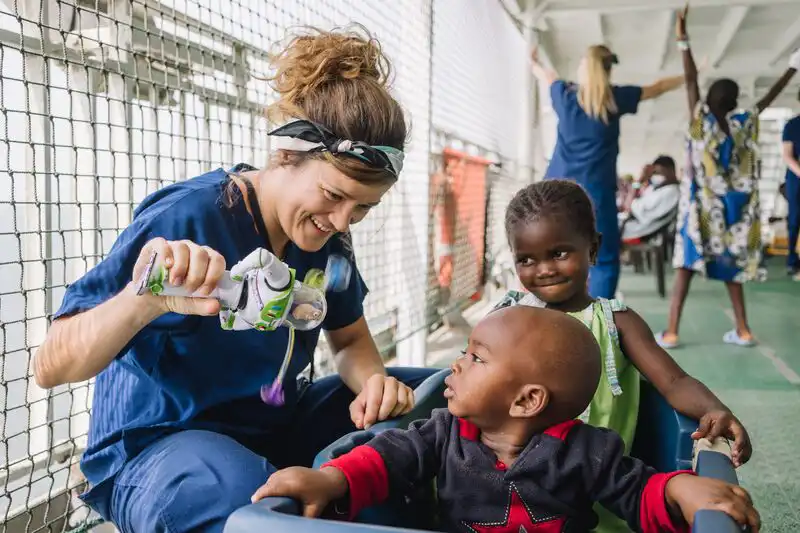
Volunteering in children’s medical programs abroad is a rewarding way to make a real difference in the lives of young people while gaining hands-on experience in the healthcare field. Whether you’re a medical professional eager to broaden your skills or a student passionate about giving back, there are numerous opportunities to contribute to global health initiatives. However, preparing for such a trip requires careful thought and planning.
Choosing the right programme, obtaining the necessary training, and understanding safety protocols are crucial steps to ensure your time abroad is both effective and rewarding. This preparation will help you be ready for the challenges and responsibilities that come with volunteering in medical settings. By following the right steps, you can make the most out of your experience and create a lasting impact on both the children you help and your own personal and professional growth.
Choosing the Right Program
Choosing the right program is crucial to ensure a fulfilling and successful volunteer experience abroad. Begin by considering your own skills, goals, and interests. Are you looking to gain hands-on experience in paediatric care or support health education initiatives? Think about whether you prefer a short-term volunteer opportunity or a longer commitment, and ensure the programme offers the chance to align with your professional and personal development.
Understanding the Role of a Medical Volunteer
When volunteering abroad in medical programmes, your role can differ significantly based on the type of programme and the healthcare needs of the community. Some volunteers are directly involved in patient care, assisting local healthcare professionals in treating children or other vulnerable populations. In these roles, you might help with routine check-ups, administer medication, or provide basic first aid. Other volunteers may work in more supportive capacities, such as assisting with medical records, organising healthcare materials, or supporting logistics.
Additionally, many medical programs abroad emphasise health education, where volunteers teach communities about hygiene, nutrition, and disease prevention. This educational role is particularly important in areas where access to healthcare resources is limited. Regardless of your specific duties, understanding your role ahead of time ensures you are prepared to contribute meaningfully. Being clear about what is expected of you will not only help you be more effective but also allow you to make the most out of your volunteer experience.
Essential Qualifications and Skills for Medical Volunteers
Medical volunteer programmes often have varying requirements depending on the organisation and the specific role. Some may require formal qualifications in healthcare fields, such as nursing, medicine, or public health.
Beyond qualifications, essential skills for medical volunteers include empathy, adaptability, and a strong willingness to assist others. Volunteers must be able to connect with people from different cultural and socio-economic backgrounds, which requires patience and an open mind. The ability to adapt to new environments and overcome challenges is also vital, as medical volunteering often involves working in resource-limited settings where flexibility and creativity are crucial for success. Volunteers who bring these qualities are well-positioned to make meaningful contributions to global healthcare initiatives.
Training and Preparation for Medical Volunteering
Once you’ve selected your medical volunteering program, the next step is to focus on the required training. Many organisations will provide or recommend specific courses that cover essential skills, such as first aid, CPR, and basic healthcare procedures. Depending on the program, you may also need to undergo training in child protection, especially if you’ll be working directly with children. These courses ensure that you are equipped with the knowledge to handle medical situations and maintain safety for both yourself and the children you will be helping.
In addition to medical training, cultural sensitivity training is also crucial. Understanding the customs, values, and healthcare practices of the community you’ll be working in will help you approach your role with respect and empathy. This cultural preparation ensures that you can work effectively within local norms and engage with the community in a meaningful way. It’s also vital for fostering positive relationships and ensuring your impact is both beneficial and respectful.
Health and Safety Considerations for Volunteers
Staying healthy and safe while volunteering abroad is essential to ensure a smooth and successful experience. Before travelling, check the health requirements for the region you’ll be working in. Some countries may require specific vaccinations or preventative measures against diseases such as malaria, yellow fever, or typhoid. It’s also important to learn about any local health risks and understand how to manage them. For example, knowing how to prevent waterborne diseases or recognising symptoms of common illnesses can be crucial.
In addition to taking health precautions, make sure you have comprehensive travel insurance that covers health care and emergency evacuation. This will provide peace of mind in case of illness or accidents. Insurance should cover medical treatment, hospitalisation, and emergency evacuation if necessary. Familiarise yourself with the policy’s details before you leave, ensuring it meets the requirements for your volunteer trip. Being prepared can help you focus on your work and enjoy your time abroad without unnecessary concerns.
Funding Your Volunteer Experience
Funding your volunteer experience is an important consideration when planning your medical volunteering trip. Many programs expect volunteers to cover their own travel, accommodation, and other related expenses. However, there are various ways to help offset these costs. Start by researching grants specifically for medical or volunteer work abroad. Many organisations, universities, or foundations offer funding to support volunteers in these programmes.
In addition to grants, you can also explore fundraising opportunities. Consider hosting events, reaching out to your network, or setting up an online crowdfunding campaign. Some programmes may also provide sponsorships or financial assistance to help with costs, so be sure to ask about any available funding options when applying. Planning ahead and exploring all funding avenues will help ensure you’re financially prepared for your volunteer journey, allowing you to focus on your work without financial stress.
Navigating Cultural Differences
Navigating cultural differences is an essential part of volunteering abroad, especially in children’s medical programmes. Each country has its own set of cultural norms, and understanding these differences will help you connect more effectively with the community. Take time to learn about local customs, traditions, and social expectations, as well as any religious or cultural practices that may influence the healthcare environment. This knowledge will enable you to provide more respectful and appropriate care to the children and families you serve.
Additionally, understanding communication styles is crucial in building strong relationships. Some cultures may favour indirect communication, while others may be more direct. Being mindful of these differences can help avoid misunderstandings and foster trust with both local healthcare professionals and the children’s families. Approaching your work with openness, patience, and a willingness to learn will go a long way in ensuring a positive experience for both you and the community you are helping.
Building Relationships with Local Communities
Building strong relationships with local communities is essential for the success of any volunteer program. It goes beyond simply offering help, it involves actively engaging with the people, understanding their culture, and respecting their way of life. Taking the time to listen to the community members, learning about their challenges, and acknowledging their expertise fosters trust and cooperation. This approach creates an environment where your contributions are not only welcomed but also more impactful.
Understanding the local values and perspectives allows you to tailor your work in a way that truly addresses the needs of the community. By working together with the local people, you can ensure that your efforts are aligned with their priorities and that the solutions you help implement are sustainable. Building these meaningful relationships will not only enhance your volunteer experience but also create lasting positive change for the children and families you support.
Ethical Considerations in Medical Volunteering
Ethical considerations play a crucial role when volunteering in medical programs, especially abroad. It’s essential to select a programme that operates with integrity and adheres to ethical guidelines. Volunteering in healthcare should always aim to support, rather than exploit, vulnerable communities. You must ensure that your contributions benefit local populations sustainably, rather than creating dependence or disrupting local healthcare systems.
True ethical volunteering means working collaboratively with the community, respecting their needs and perspectives. It’s about empowering local healthcare professionals and supporting long-term development, rather than offering temporary solutions. By understanding the cultural context and prioritising the well-being of those you serve, you can ensure that your work has a positive, lasting impact on the community.
Understanding the Challenges of Volunteering Abroad
Volunteering abroad often comes with unique challenges, particularly when it comes to language barriers. Communicating effectively in a foreign language can sometimes feel daunting, especially in medical settings where clear communication is critical. Understanding basic phrases in the local language or having a translator available can significantly ease the process. Additionally, you may need to adapt to the local healthcare system, which might be vastly different from what you’re used to. The limited resources, different protocols, and unfamiliar practices can present unexpected obstacles, but they also provide an opportunity to learn and grow.
Beyond logistical challenges, volunteering abroad can also bring emotional difficulties. Witnessing the struggles of vulnerable populations, particularly children facing health crises, can be emotionally taxing. It’s important to approach these situations with empathy and mental resilience, while also knowing when to seek support. Being aware of these potential challenges ahead of time can help you manage expectations and focus on making a positive impact despite the obstacles.
Making a Long-Term Impact
Making a long-term impact as a volunteer in children’s medical programs is about more than just the time you spend on the ground. While your role may be short-term, the improvements you help initiate can have lasting effects on the health and well-being of children in the community. By working alongside local healthcare providers and contributing to sustainable healthcare initiatives, your efforts lay the groundwork for long-term changes in the region.
Many organisations offer follow-up support after volunteers leave, ensuring that the programs continue to thrive. This ongoing assistance helps maintain the momentum of the work you’ve contributed to, fostering a cycle of continuous improvement. Whether through training local healthcare workers, providing educational resources, or establishing health-focused initiatives, your efforts can create lasting, positive change. Even once you’ve returned home, the impact of your volunteer work can resonate for years, contributing to better healthcare outcomes for children in the communities you’ve served.
Final Thoughts …
Volunteering in children’s medical programmes abroad with Mercy Ships is more than just an opportunity to give back; it’s a chance to make a real, lasting impact on the health and well-being of children in need. Whether you’re providing medical care, supporting health education, or assisting in community health initiatives, your contributions will play a crucial role in improving lives. The experience also offers a unique opportunity to immerse yourself in a new culture, broadening your understanding of global healthcare issues and enhancing your professional skills in a real-world setting.
By carefully selecting the right program and preparing thoroughly for the challenges and rewards that come with international volunteering, you can ensure that your efforts are both effective and meaningful. The experience will not only help you grow as a professional but will also foster personal growth, as you engage with new cultures, build relationships, and make a positive difference in the lives of children around the world.
FAQs
Are donations to Mercy Ships Australia tax-deductible?
Yes, donations of $2 or more to the Relief Fund are generally tax-deductible for Australian taxpayers. You will receive an official tax receipt for your contributions.
How does Mercy Ships ensure transparency with Australian donations?
Mercy Ships Australia provides detailed annual reports and audited financial statements, showing how funds are allocated to ship and field operations. We follow the ACFID Fundraising Charter to maintain the highest standards of accountability.
Where does the majority of an Australian donation go?
A significant portion of every donated dollar goes directly toward Ship and Field Operations, funding free surgery and world-class medical care in the African nations we serve.
What specific medical services are funded by Australian charity contributions?
Contributions fund life-changing specialty surgeries, including maxillofacial, orthopaedic, plastic, and ophthalmic procedures, along with essential dental and general medical care delivered on board.
Does Mercy Ships use Australian donations to strengthen local African healthcare systems?
Yes. Donations support capacity building programmes that train and mentor local doctors, nurses, and anaesthetists, creating sustainable improvements long after the ship departs.
How can I track the impact of my donation to Mercy Ships?
You can track impact through online progress reports, patient stories, and detailed annual reports outlining clinical outcomes and medical training achievements.
Is Mercy Ships an international or Australian charity?
Mercy Ships Australia is a registered Australian charity and a key part of the global Mercy Ships partnership, focusing on fundraising and volunteer recruitment.
What is the ‘Global Mercy’ and how is it funded by donations?
The Global Mercy is one of the newest hospital vessels, built to double surgical and training capacity in Africa. It was funded through a global donor-supported capital campaign.
Do the volunteer surgeons and nurses get paid?
No. Medical volunteers donate their time and expertise and often cover their own expenses, keeping operating costs low and increasing the impact of donations.
What kind of governance and financial oversight does Mercy Ships Australia have?
Mercy Ships Australia is governed by an Australian Board and registered with the ACNC, ensuring strong oversight, transparency, and compliance.
How does Mercy Ships select the countries it visits in sub-Saharan Africa?
Countries are selected based on need, stability, and formal invitations from host governments to ensure missions deliver sustainable benefit.
Does Mercy Ships share images and stories of patients that are not real?
No. All images and stories represent real people. Mercy Ships does not use AI-generated or stock photos for patient communications.
What happens to my donation if a specific project is fully funded?
Mercy Ships honours donor preferences. If a project is fully funded, contributions are redirected to a similar high-priority need.
Is Mercy Ships a faith-based organisation?
Yes, Mercy Ships is a faith-based, non-profit organisation.
What training and education programmes does Mercy Ships run for local staff?
Programmes include surgical safety, anaesthesia, sterile processing, and nursing skills, helping leave a lasting legacy of improved healthcare.
How long does a typical field service or mission last?
A typical field service lasts around 10 months in a single host nation.
Can I donate specific hospital supplies instead of money?
While financial contributions are most flexible, Mercy Ships does accept approved medical supplies that meet strict international standards.
What measures does the charity take for donor confidence?
We ensure donor confidence through transparent reporting, compliance with fundraising codes, and public access to financial information.
Are there opportunities for non-medical Australians to volunteer with Mercy Ships?
Yes. The ship requires more than 400 volunteers, including engineers, cooks, teachers, and maritime crew.
How does Mercy Ships measure its success beyond the number of surgeries?
Success is measured through lives transformed, local professionals trained, and long-term improvements in host-country healthcare systems.
Recent Comments