
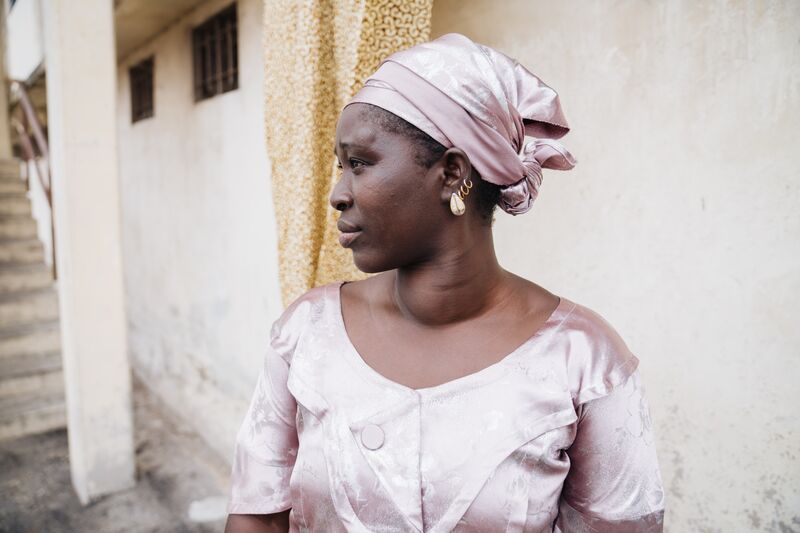
Goitre, the abnormal enlargement of the thyroid gland, is a significant health issue affecting millions of people across sub-Saharan Africa. The condition often remains undiagnosed until it reaches a severe stage, causing problems such as difficulty swallowing, breathing, and speaking. The primary cause of goitre is iodine deficiency, a nutritional issue that can be prevented with proper dietary intake. Despite its preventability, goitre remains widespread in regions where healthcare access is limited.
Mercy Ships, a humanitarian organisation, is addressing this pressing issue by providing free medical care to those who would otherwise have no access to treatment. Through their floating hospital ships, Mercy Ships offers life-saving thyroid surgeries, transforming the lives of individuals suffering from this debilitating condition. Their work not only alleviates physical symptoms but also empowers local communities by improving access to healthcare and providing ongoing support. If you would like to be part of that mission, explore the range of volunteer opportunities with Mercy Ships available to medical and non-medical professionals from Australia and around the world.
Understanding Goitre: The Thyroid Gland and Its Role in Health
The thyroid is a butterfly-shaped gland located in the neck, responsible for producing hormones that regulate metabolism, growth, and development. These hormones are vital for maintaining energy levels, regulating body temperature, and supporting the function of vital organs. When the thyroid becomes enlarged, it can cause a condition known as goitre. While goitre can occur for a range of reasons, iodine deficiency is the most common cause, particularly in areas where iodine-rich foods are scarce. In Australia, iodine deficiency is rare due to the widespread use of iodised salt, but it can still occur in certain remote or isolated regions.
Although small goitres may not cause immediate health concerns, untreated goitre can lead to more severe complications. As the thyroid continues to enlarge, it may press against the windpipe or oesophagus, resulting in breathing and swallowing difficulties. In some cases, goitre can also lead to thyroid dysfunction, affecting the body’s metabolism and overall health. Early detection and treatment are crucial in preventing these issues. The Australian Thyroid Foundation is the leading consumer advocacy organisation for Australians living with thyroid disorders and provides accessible education for patients, families, and carers.
Endemic Goitre in Africa: Causes and Prevalence
Endemic goitre is a significant health issue in many sub-Saharan African countries, where iodine deficiency remains a leading cause. Iodine is crucial for the thyroid to produce hormones that regulate metabolism, and when it is absent from the diet, the thyroid compensates by enlarging. This condition is often a direct result of inadequate nutrition and insufficient access to essential health services. The lack of iodine-rich food sources, compounded by limited education about thyroid health, exacerbates the problem in many rural areas.
The World Health Organization estimates that iodine deficiency remains a public health problem in 47 countries, with sub-Saharan Africa disproportionately affected. Without urgent health interventions, the continued spread of goitre will strain healthcare systems, especially in remote communities where medical resources are scarce. Increased focus on raising awareness and improving nutrition is essential to address this preventable condition.
The Role of Mercy Ships in Providing Goitre Treatment
Mercy Ships is a humanitarian organisation that operates hospital ships, bringing vital medical services to some of the world’s most underdeveloped regions, particularly in sub-Saharan Africa. The charity’s mission includes providing free surgical treatments for conditions like goitre, a common thyroid disorder caused by iodine deficiency. Through its floating hospitals, Mercy Ships offers life-changing surgery to people who would otherwise have no access to such care, helping to reduce the impact of goitre on affected communities. The scale of that need and the medical volunteer opportunities available across Africa are outlined in detail on the Mercy Ships Australia website.
Volunteers from across the globe, including skilled surgeons, nurses, and medical professionals, donate their time and expertise to support the mission. The medical outreach programmes delivered by Mercy Ships not only address immediate health needs but also work to build sustainable healthcare practices in local communities. By providing free surgeries and training local healthcare workers, Mercy Ships plays an essential role in improving the accessibility of healthcare and tackling health disparities in some of the world’s most remote areas.
Thyroidectomy Procedures: A Lifeline for Patients with Enlarged Thyroids
Thyroidectomy is a vital procedure for patients suffering from large goitres, where the thyroid gland becomes enlarged and causes physical discomfort, such as difficulty swallowing, breathing, or speaking. In many parts of the world, especially in developing regions, patients have limited access to this crucial treatment. Mercy Ships plays a significant role in addressing this gap, providing life-saving thyroidectomy surgeries to those in need. The procedure involves removing all or part of the thyroid gland, depending on the severity of the condition.
For patients in sub-Saharan Africa and other underserved regions, the operation can be life-changing. It allows individuals to regain their ability to live without the constant discomfort of an enlarged thyroid. While thyroidectomy is a delicate surgery, its benefits are undeniable. The ripple effect of this specialist surgical care extends well beyond the individual patient, strengthening local clinical capacity and inspiring future generations of healthcare workers across the continent.
The Importance of Surgical Care in Developing Nations
In many developing nations, particularly in regions like sub-Saharan Africa, access to quality surgical care remains a significant challenge. Factors such as limited medical infrastructure, a shortage of trained surgeons, and the lack of affordable healthcare create barriers for people in these areas to receive timely treatment. In these countries, basic surgical services are often unavailable, and individuals with conditions such as goitre or other serious health issues may go untreated for years, leading to worsening health and even preventable deaths. The Lancet Commission on Global Surgery has documented that five billion people worldwide lack access to safe, affordable surgical care, a crisis that organisations like Mercy Ships are working directly to address.
Mercy Ships plays a vital role in addressing this gap by providing essential surgical services aboard its hospital ships. This unique approach allows them to bring modern medical care to remote communities, where healthcare infrastructure is often non-existent. In addition to offering free surgeries, Mercy Ships trains local healthcare workers, empowering them to continue providing high-quality care long after the ships leave. This approach helps to build sustainable healthcare systems and improve overall medical outcomes in underserved regions.
Volunteer Surgeons: Bringing Expertise to the People Who Need It Most
Volunteer surgeons play a pivotal role in the success of Mercy Ships’ missions. These highly skilled medical professionals come from all over the world, including Australia, to offer their expertise to those in need. They donate their time and resources to perform life-saving surgeries, particularly in regions with limited access to healthcare. Through their efforts, Mercy Ships brings essential surgical care to communities that would otherwise be left without medical treatment. Australian surgeons and medical professionals interested in serving can find a full overview of volunteer opportunities with Mercy Ships on the Mercy Ships Australia website.
In addition to performing surgeries, these volunteer surgeons also focus on the development of local medical teams. They provide valuable training and mentoring to local healthcare workers, sharing knowledge and techniques that enhance their skills. This not only improves patient care in the short term but also helps to establish long-term healthcare solutions in under-resourced areas. By investing in local healthcare capacity, volunteer surgeons contribute to the development of sustainable medical systems that benefit future generations.
Iodine Deficiency Disorders and Their Link to Goitre
Iodine deficiency is the leading cause of goitre, especially in regions where the diet lacks sufficient iodine. The thyroid gland requires iodine to produce hormones that regulate metabolism. Without adequate iodine, the thyroid enlarges as it tries to meet the body’s hormone demands, leading to goitre. This condition is a major health concern, particularly in developing nations, where access to iodine-rich food is limited. The World Health Organization describes iodine deficiency as the world’s most prevalent and easily preventable cause of brain damage and cognitive impairment, making its continued spread in parts of Africa a matter of serious global concern.
In sub-Saharan Africa, the problem persists as many people do not have access to iodised salt or iodine-rich foods. Despite the global effort to eliminate iodine deficiency through supplementation and the promotion of iodised salt, many communities remain vulnerable. In Australia, public health campaigns have successfully addressed iodine deficiency by promoting the use of iodised salt. However, in regions where this initiative is still in its early stages, such as parts of Africa, the risk of goitre remains high, highlighting the need for improved access to iodine and continued health education.
Paediatric Goitre: Addressing Thyroid Health in Children
Paediatric goitre is a significant concern in regions where iodine deficiency is common, including many African countries. Children in these areas are at a higher risk of developing goitre, which can affect their overall growth, cognitive development, and physical health. In these settings, a lack of access to proper medical care and iodine-rich foods exacerbates the problem. This makes the timely diagnosis and treatment of paediatric goitre especially critical to ensure that children can grow and develop without the long-term consequences of an untreated thyroid condition.
Organisations like Mercy Ships play a vital role in addressing this issue by providing medical care to children suffering from paediatric goitre. Through their humanitarian missions, they bring essential thyroid treatment to those who would otherwise have no access to such services. This work sits alongside a broader commitment to supporting children’s surgery in Africa, giving children a genuine second chance at a healthy and active life.
Preventing Goitre: The Need for Public Health Initiatives
Preventing goitre is a crucial step in reducing the burden of thyroid conditions in regions affected by iodine deficiency. While surgical intervention can provide relief to those already suffering, the focus must also be on proactive public health measures. In many countries, particularly in sub-Saharan Africa, the lack of iodine-rich foods and the absence of iodised salt contribute to high goitre rates. Public health initiatives that promote the use of iodised salt and educate communities about the importance of proper nutrition are vital for long-term prevention.
Mercy Ships is one of the organisations working to tackle this issue, focusing on educating communities about thyroid health and encouraging dietary changes to prevent goitre. These initiatives are not only life-saving but also cost-effective in the long run. In Australia, similar initiatives have proven effective in addressing iodine deficiency, showcasing the importance of early intervention and awareness to avoid more severe thyroid problems down the line. More information on Australia’s approach to iodine nutrition is available through the Australian Thyroid Foundation, which provides public health resources for patients and healthcare professionals alike.
The Impact of Mercy Ships: Patient Transformation Stories
One of the most inspiring aspects of Mercy Ships’ mission is the powerful transformation stories of patients who undergo life-changing surgeries. These individuals, often suffering from large, debilitating goitres, are given the opportunity to regain control of their lives. Prior to surgery, many faced challenges with basic tasks like eating, speaking, and breathing. After receiving treatment aboard Mercy Ships, they experience significant improvements, both physically and emotionally, allowing them to resume everyday activities without the constant burden of their condition.
These stories highlight the critical role of Mercy Ships’ volunteer surgeons and medical teams. Through their dedication and expertise, patients not only receive the surgical care they desperately need but also experience profound shifts in their self-confidence and quality of life. Australians who want to help make more of these stories possible can make a tax-deductible donation to Mercy Ships Australia, with every contribution going directly towards funding free surgeries and medical capacity building across the continent.
Challenges in Providing Surgical Care in Sub-Saharan Africa
Providing surgical care in sub-Saharan Africa remains a complex challenge, particularly due to inadequate healthcare infrastructure. Many regions face a shortage of hospitals, limited medical equipment, and insufficient access to modern technology, which complicates the delivery of effective medical care. The lack of proper medical supplies, such as essential surgical tools, also hinders the ability to perform even basic surgeries. This infrastructure gap leaves millions without the treatment they need, often forcing individuals to endure conditions like goitre without intervention.
Organisations like Mercy Ships play a pivotal role in addressing these challenges by offering immediate care through their hospital ships, bringing highly skilled surgeons directly to those in need. In addition to providing vital medical services, Mercy Ships also invests in long-term solutions by offering surgical training and capacity building for local healthcare workers. This not only ensures that communities receive immediate relief but also strengthens the local healthcare system, enabling sustainable improvements in surgical care across the region.
Final Thoughts …
The work of Mercy Ships and other humanitarian organisations is vital in improving health outcomes across Africa. Goitre treatment is just one of many ways the organisation is addressing the need for accessible surgical care in regions where healthcare infrastructure is limited. Through their hospital ship medical interventions, they are able to bring essential surgical care to people who would otherwise go without. Volunteers, public health initiatives, and partnerships all play a critical role in improving the quality of life for communities in need.
As we look to the future, the hope is that preventable conditions like goitre will no longer pose a significant health threat to millions of individuals. By supporting efforts like those of Mercy Ships, we can contribute to global health equity and help build a healthier, more sustainable future for Africa. If you are ready to play your part, browse the current volunteer opportunities with Mercy Ships, or if you cannot serve in person, make a donation to support Mercy Ships’ medical missions and help fund the next life-changing surgery.
FAQs
What is a goitre and how is it diagnosed in Australia?
A goitre is an abnormal enlargement of the thyroid gland, located at the base of the neck. In Australia, a General Practitioner (GP) typically diagnoses a goitre through a physical examination and may refer the patient for an ultrasound or a thyroid stimulating hormone (TSH) blood test through an Australian pathology provider. The Australian Thyroid Foundation provides detailed patient information on diagnosis, treatment options, and living with thyroid conditions.
How does Mercy Ships Australia help treat goitres in Africa?
Mercy Ships Australia raises funds and recruits Australian medical professionals to serve onboard hospital ships. These volunteers provide free, life-changing surgeries to patients in sub-Saharan Africa who suffer from massive goitres that often obstruct breathing and swallowing. A full overview of the medical volunteer opportunities available through Mercy Ships is available on the Mercy Ships Australia website.
Are goitres common in Australia compared to Africa?
Goitres are much less common in Australia due to mandatory iodine fortification in bread and access to early medical intervention. In many African nations, limited access to iodised salt and surgical care allows goitres to grow to extreme sizes rarely seen by Australian doctors.
What causes goitres to develop?
The most common cause globally is iodine deficiency. The World Health Organization identifies iodine deficiency as the leading preventable cause of intellectual disability worldwide. In Australia, goitres can also be caused by autoimmune conditions like Hashimoto’s disease or Graves’ disease, as well as thyroid nodules or inflammation.
Can an Australian surgeon volunteer with Mercy Ships to treat thyroid conditions?
Yes, many Australian endocrine and maxillofacial surgeons volunteer their time with Mercy Ships. They work in specialised operating theatres onboard the ship to perform complex thyroidectomies for patients who have no other access to surgical care. Browse the current volunteer roles available with Mercy Ships to find a placement that matches your speciality.
What is the role of iodine in preventing goitres in Australia?
Iodine is essential for the production of thyroid hormones. To prevent deficiency, the Australian government mandates that iodised salt be used in all commercially baked bread (except organic varieties), which significantly reduces the incidence of endemic goitre across the country.
Is thyroid surgery covered by Medicare in Australia?
Yes, if a thyroidectomy is deemed medically necessary, it is covered under Medicare for public patients in Australian hospitals. Private health insurance can also assist with costs if a patient chooses to be treated by a specific specialist in a private facility.
What are the symptoms of a large goitre?
A large goitre can cause a visible swelling at the base of the neck, a feeling of tightness in the throat, coughing, hoarseness, and in severe cases, difficulty breathing or swallowing as the gland presses against the windpipe and oesophagus.
How does Mercy Ships ensure safe surgery in developing nations?
Mercy Ships operates a state-of-the-art hospital ship with Australian-standard infection control and anaesthetic protocols. This ensures that even in regions with limited infrastructure, patients receive surgical care that meets high international safety benchmarks. Read more about how hospital ships deliver vital medical aid and the operational standards maintained throughout each field service.
Who is the main contact for thyroid health information in Australia?
The Australian Thyroid Foundation (ATF) is the leading consumer advocacy organisation. They provide education and support for Australians living with thyroid disorders and advocate for better iodine nutrition across the nation.
Can goitres be cancerous?
While most goitres are benign (non-cancerous), some may contain nodules that are malignant. In Australia, specialists often use a Fine Needle Aspiration (FNA) biopsy to check for cancer cells within a thyroid lump.
What is the National Health and Medical Research Council (NHMRC) advice on iodine?
The NHMRC recommends that pregnant and breastfeeding women in Australia take a daily supplement containing 150 micrograms of iodine, as their requirements are higher and often cannot be met through diet alone.
How long is the recovery after a thyroidectomy?
In an Australian hospital setting, patients typically stay overnight or for two days. Most people can return to normal activities within two weeks, though they may need lifelong thyroid hormone replacement medication if the entire gland is removed.
Does Mercy Ships Australia provide training for local African doctors?
Yes, a core part of the Mercy Ships mission is Medical Capacity Building. Australian volunteers help train local healthcare workers in Africa, sharing specialised surgical techniques to help strengthen local surgical systems long after the ship leaves. Read more about how Mercy Ships builds lasting healthcare capacity across sub-Saharan Africa.
Why do some goitres in Africa grow so much larger than those in Australia?
In Australia, a goitre is usually detected and treated while it is small. In many parts of Africa, a lack of surgical specialists and the high cost of healthcare mean patients often live with the condition for decades, allowing the thyroid to grow to a debilitating size.
What is the difference between hyperthyroidism and a goitre?
Hyperthyroidism refers to an overactive thyroid gland producing too much hormone, while a goitre is the physical enlargement of the gland. An Australian endocrinologist would treat hyperthyroidism with medication, while a large goitre might require surgery.
How can Australians support Mercy Ships’ work with thyroid patients?
Australians can support the mission by making a tax-deductible donation to Mercy Ships Australia, sponsoring a cabin for a volunteer, or applying to serve as a medical or non-medical volunteer onboard the ship. Every contribution large or small directly funds free surgeries for patients who have nowhere else to turn.
What happens if a goitre is left untreated?
If left untreated, a large goitre can lead to permanent airway obstruction, heart palpitations if associated with hyperthyroidism, and significant social stigma due to the physical disfigurement, especially in regions served by Mercy Ships.
What makes Mercy Ships’ approach to thyroid care unique?
Mercy Ships provides a floating hospital that brings world-class surgical suites directly to the doorstep of those in need. By combining Australian surgical expertise with a dedicated maritime platform, they silence the physical and social burden of the goitre for thousands of patients. Explore the full range of volunteer opportunities with Mercy Ships to see how you can be part of that mission.
Recent Comments