
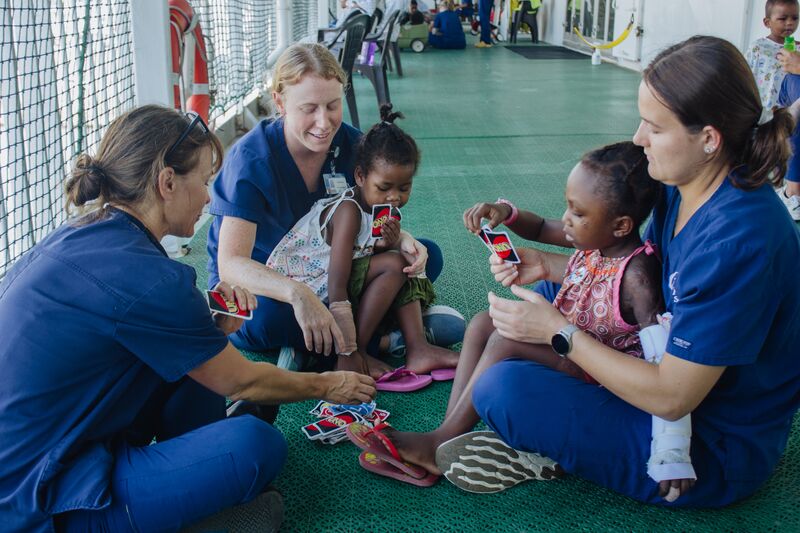
In underserved communities across Africa, limited access to healthcare often leaves children suffering from untreated medical conditions that impact their quality of life. Surgical interventions are frequently essential for their physical recovery, but these procedures also bring about significant social and emotional changes. Paediatric surgeries offer more than just physical healing; they provide children with the opportunity to improve their self-esteem, gain a sense of social integration, and feel included in their communities.
The emotional and psychological benefits of surgery are profound, especially for children who have lived with visible deformities or chronic health issues. For many, surgery can reduce stigma and provide a fresh start, helping to boost confidence and improve social relationships. This article explores not only the importance of surgery in addressing physical health needs but also its transformative impact on a child’s emotional wellbeing, paving the way for a brighter future and greater opportunities in life.
The Importance of Surgery for Children in Underserved Communities
In many parts of Africa, children living in underserved communities often face significant barriers to accessing essential medical care. Conditions like cleft palates, club feet, or untreated injuries can go untreated due to limited healthcare resources. As a result, children in these communities suffer not only from physical health issues but also from the social and emotional toll of being different. For these children, surgery becomes a critical intervention, offering much more than just physical healing.
Surgical care provides children with a chance to regain self-esteem and confidence, which is vital for their social integration. After surgery, many children are able to lead more active and fulfilling lives, participating in school and community activities without fear of stigma or exclusion. The emotional benefits of surgery extend far beyond the immediate recovery period, offering children the opportunity to reclaim their futures and contribute meaningfully to their communities, breaking the cycle of deprivation.
Psychological and Emotional Wellbeing After Surgery
Surgery can have a profound impact on a child’s psychological wellbeing, especially for those who have lived with visible deformities or chronic health conditions. For many children, the emotional healing that follows surgery is as significant as the physical recovery itself. These children often experience an immediate boost in self-esteem, as their physical appearance improves, allowing them to feel more confident in social situations. This increase in confidence plays a crucial role in their emotional development, helping them navigate interactions with peers more comfortably and positively.
As children recover emotionally, they often find that their sense of isolation diminishes. The psychological burden of feeling different or excluded is alleviated, leading to improved social acceptance and inclusion. This emotional recovery is essential for their overall mental health and wellbeing, as it ensures that they not only heal physically but also grow emotionally and socially. The support they receive during this period can significantly contribute to their long-term psychological resilience.
The Role of Family and Community Support
While surgery provides the immediate physical relief needed, family and community support empowerment plays a vital role in a child’s emotional recovery. In many African communities, where strong social bonds exist, the collective effort of family members and neighbours ensures that children feel safe, cared for, and loved during their healing process. These networks offer not only practical assistance but also emotional reassurance, which is crucial for the child’s overall wellbeing.
The reintegration of the child into social life is equally important, as it helps reduce feelings of isolation or stigma. With consistent encouragement and understanding from their families and communities, children can regain their confidence and sense of belonging. This emotional support empowers them to navigate the challenges of recovery and enables them to thrive long after their surgery, fostering a sense of hope and opportunity for their future.
The Long-Term Psychological Benefits of Surgical Interventions
The long-term psychological benefits of paediatric surgery in Africa are significant, extending well beyond the immediate physical recovery. Surgery plays a crucial role in enhancing a child’s emotional wellbeing, fostering greater confidence and self-esteem. As a result, children who have undergone surgery such as cleft lip operations are often more willing to engage in social activities and attend school, leading to improved social integration. This newfound confidence not only benefits them emotionally but also allows them to better navigate their daily lives in a way that was previously hindered by their health conditions.
In addition to improving social interactions, the emotional recovery following surgery can have a lasting impact on a child’s future opportunities. As children become more confident in themselves, they are more likely to excel academically and pursue their dreams without the barriers they once faced. These long-term psychological gains contribute to a brighter future, offering a path toward greater achievements, personal growth, and the opportunity to break free from the constraints of their earlier circumstances.
Reducing Stigma Through Surgery
For children in underserved communities, visible deformities or medical conditions can often result in social rejection or bullying. These children frequently face stigma that can severely affect their self-esteem and emotional well-being. The emotional toll of being excluded from peer groups or made to feel different can have long-lasting effects on a child’s mental health and development.
Surgical interventions provide a life-changing opportunity for these children, allowing them to regain a sense of normalcy and confidence. With improved physical appearance or health, children are less likely to be stigmatised or bullied, enabling them to experience greater social acceptance. This reduction in stigma is not only vital for their emotional well-being but also for their ability to fully participate in society. The emotional and social benefits that follow surgery in underserved regions are profound, often marking a turning point in a child’s life, fostering a sense of belonging, and allowing them to flourish socially and academically.
The Impact on Behavioural and Social Integration
Following surgery, many children experience significant improvements in their behaviour, which can positively influence their social interactions. As they recover and gain confidence in their appearance, children often exhibit enhanced self-esteem. This newfound self-assurance enables them to participate more actively in social activities and engage with their peers in ways they may have previously avoided.
The behavioural changes following surgery are crucial for promoting social integration. Children who once faced social isolation due to their appearance may now feel more comfortable in group settings, reducing the risk of exclusion. This improved social acceptance contributes to a sense of belonging, which is essential for their emotional well-being. As children build relationships and strengthen their connections with others, they are more likely to develop positive social skills and feel a greater sense of community involvement. For those who struggled with isolation, the impact of surgery in fostering social inclusion is profound.
Healthcare Access and Its Effect on Emotional Recovery
Access to healthcare is a critical issue in many African countries, particularly in underserved communities. For children, the lack of access to necessary surgeries can lead to prolonged emotional distress, as untreated conditions may impact their physical appearance and self-esteem. Without the proper medical attention, these children may face social isolation and ongoing emotional struggles, which hinder their overall development and quality of life.
Surgical care can significantly improve the emotional recovery of children by addressing both their physical and psychological needs. By treating conditions that affect their appearance or health, surgery helps restore confidence and emotional stability. This comprehensive approach ensures that children not only heal physically but also regain a sense of normalcy and hope for the future, ultimately improving their overall wellbeing.
Surgical Relief and Social Mobility
Surgery can dramatically improve a child’s life by addressing physical challenges that hinder their ability to participate in education and social activities. In many African communities, children facing severe physical conditions may struggle with stigma, limited social interaction, or exclusion from school. Surgical intervention helps alleviate these challenges, improving not only physical health but also emotional well-being. The confidence gained from such improvements opens doors to opportunities that were previously out of reach, allowing children to fully engage in school and community life.
In underserved regions, surgical relief acts as a catalyst for social mobility, enabling children to overcome barriers that could otherwise restrict their growth. By enabling them to attend school regularly, participate in social events, and pursue their dreams without physical limitations, surgery creates a foundation for success. The long-term impact is significant, as it empowers individuals to build a better future for themselves, contributing to the overall development of their communities and societies.
The Role of Nonprofit Organisations in Providing Surgical Care
Nonprofit organisations are essential in providing surgical care to children in Africa, particularly in underserved and remote areas where access to medical services is limited. These organisations often work in collaboration with local healthcare providers, facilitating the provision of specialised surgeries that would otherwise be inaccessible. By mobilising resources, they ensure that children in need receive life-changing treatments, often in the form of free or low-cost procedures.
In addition to offering surgical services, these organisations provide vital support systems that aid in the recovery process. They focus on the emotional and psychological well-being of children, offering counseling and a sense of community throughout their healing journey. This holistic approach ensures that children not only survive their surgeries but also thrive, growing up with the care, confidence, and support they need to lead fulfilling lives. Through their efforts, nonprofit organisations, like Mercy Ships, play a transformative role in improving the health and future of children across Africa.
Community Impact and Social Change Through Surgery
Paediatric surgery can have a transformative effect on underserved communities. When children receive surgical care, their improved health leads to better educational outcomes, enhanced participation in community activities, and a reduction in the burden on healthcare systems. These improvements in individual health often translate into broader societal benefits, such as greater productivity and stability within the community.
Furthermore, surgery can act as a catalyst for social change. As children recover and return to their communities, families gain confidence in the healthcare system and are more likely to seek and support necessary medical care. This can help reduce health disparities and promote long-term well-being. The collective healing of children fosters stronger social bonds and encourages a culture of support and empowerment, ultimately creating a more resilient and cohesive community.
Philanthropic Surgical Initiatives and Their Impact
Philanthropic surgical initiatives like those by Mercy Ships are focused on providing surgery to children in underserved African communities and play a crucial role in addressing significant healthcare disparities. These missions bring essential medical care to areas with limited access to skilled professionals and facilities. By offering life-changing surgeries, these organisations provide hope to families who otherwise might not have had any options for treatment.
In addition to immediate medical care, these missions have a long-term impact on the overall well-being of the children they serve. The surgeries often help improve physical health, but the emotional and psychological benefits are equally important. Children who undergo treatment can lead more fulfilling lives, and their families gain a renewed sense of hope. Through these efforts, philanthropic organisations are not only transforming individual lives but also contributing to the development of more equitable healthcare systems in these communities, ensuring that vulnerable populations receive the care they deserve.
Overcoming Healthcare Inequity in Africa Through Surgery
Overcoming healthcare inequity in Africa requires targeted interventions, particularly in surgical care, for underserved communities. In many regions, a lack of access to essential surgical procedures leaves children and families facing long-term health challenges. With limited resources, these communities often lack the infrastructure or trained personnel to provide life-saving surgeries, which directly impacts their well-being and future prospects.
Organisations dedicated to providing surgical care in these areas are working to bridge this gap. By offering surgical relief, they are helping to create a more equitable healthcare system where every child, regardless of their socio-economic background or location, has the opportunity to receive the medical attention they need. This intervention not only addresses immediate health issues but also fosters emotional and social growth, empowering children to live fuller, healthier lives and participate more fully in their communities. Through these efforts, we can take significant steps toward reducing healthcare disparities across Africa.
Final Thoughts …
Donations for surgery for children in underserved African communities brings profound advantages that extend far beyond mere physical recovery. The process of healing plays a crucial role in helping children regain a sense of hope, confidence, and dignity. These children often face numerous challenges due to the lack of adequate healthcare resources, and surgery provides them with an opportunity to overcome these hurdles. The emotional impact of surgery is immense, as it enables them to rebuild their sense of self-worth and begin to envision a brighter future.
The social benefits are equally significant. Surgery not only improves the child’s health but also fosters a sense of belonging and acceptance within their community. With improved physical health, children are able to re-engage in school, play, and social activities, which are essential for their overall development. The collaborative efforts of healthcare professionals, families, and nonprofit organisations ensure that these children experience emotional healing and social inclusion, ultimately contributing to stronger, more resilient communities.
FAQs
What are the main social benefits of paediatric surgery in Africa?
Key social benefits include greater community inclusion, improved access to education, reduced stigma linked to visible conditions, and stronger long-term employment prospects.
How does surgical care improve a child’s emotional wellbeing in underserved communities?
Surgical care can correct visible or limiting conditions that often lead to bullying or isolation, helping restore confidence, reduce anxiety, and improve overall mental wellbeing.
Do children in Africa with surgical conditions often face stigma?
Yes, children with untreated visible conditions such as cleft palate or orthopaedic deformities frequently experience stigma, discrimination, and exclusion within their communities.
What role does surgery play in improving educational outcomes for African children?
Surgery can address mobility or communication barriers that prevent school attendance, allowing children to participate fully in learning and classroom activities.
How does a lack of access to paediatric surgical care impact a child’s development?
Without access to treatment, children may experience restricted physical growth, limited social interaction, emotional distress, and reduced long-term quality of life.
What is meant by underserved communities in the context of African healthcare?
Underserved communities are populations, often in rural or marginalised areas, that lack adequate access to safe, affordable, and timely medical and surgical services.
Which types of surgeries provide the most significant social and emotional gains?
Corrective procedures for cleft lip and palate, burn contractures, and orthopaedic deformities often deliver substantial improvements in both social acceptance and psychological wellbeing.
Are the long-term benefits of paediatric surgery in Africa purely physical?
No, benefits extend beyond physical repair to include improved self-confidence, better social engagement, and increased future economic opportunities.
How does improved self-esteem after surgery affect African youth?
Higher self-esteem encourages stronger peer relationships, greater participation in school, reduced social anxiety, and a more hopeful outlook on the future.
What is the connection between surgical intervention and community inclusion for disabled children in Africa?
Surgical intervention can restore function and appearance, helping children reintegrate into school, play, and social life, shifting their experience from exclusion to inclusion.
What kind of psychosocial support is needed for children post-surgery in these regions?
Post-operative care may include pain management, emotional counselling, rehabilitation, and family support to help the child adjust physically and psychologically.
Why is timely surgical care crucial for a child’s mental health?
Early intervention prevents prolonged isolation and low self-worth, reducing the risk of long-term psychological harm during critical developmental stages.
What challenges do non-profit organisations face when providing surgical care in Africa?
Challenges include limited infrastructure, equipment shortages, follow-up care constraints, and geographic barriers that restrict access for rural populations.
How does paediatric surgery contribute to breaking the cycle of poverty in Africa?
By restoring health and enabling education, surgery improves a child’s future earning potential and reduces the long-term economic burden on families.
Are there differences in surgical outcomes for children in rural versus urban areas of Africa?
Yes, children in rural areas often present later for treatment, which can affect recovery outcomes and prolong emotional and social challenges.
What conditions in African children are most often linked to severe social isolation?
Conditions that significantly affect appearance or mobility, such as facial deformities, severe clubfoot, and extensive burn scars, are commonly associated with isolation.
What is the holistic approach to child health in this context?
A holistic approach addresses not only surgical correction but also psychological wellbeing, education, family support, and social reintegration.
How can behavioural changes in a child be tracked after a successful operation?
Progress may be observed through increased play, greater confidence, improved peer interaction, and stronger engagement in school activities.
Does increasing surgical access help address healthcare disparities in Africa?
Yes, expanding access to paediatric surgical care in underserved regions directly reduces healthcare inequality and supports broader health equity goals.
What resources are vital for rehabilitation after major surgery in low-resource settings?
Essential resources include mobility aids, physiotherapy access, appropriate pain relief, and ongoing emotional and family support.
How does paediatric surgical work contribute to capacity building in African nations?
Surgical initiatives often include training for local healthcare professionals, strengthening local expertise and building long-term paediatric care capacity.
Why should international charities prioritise paediatric surgical care?
Paediatric surgical conditions carry a significant and often overlooked burden on children’s wellbeing and future opportunities, yet many are treatable with timely intervention.
Recent Comments