
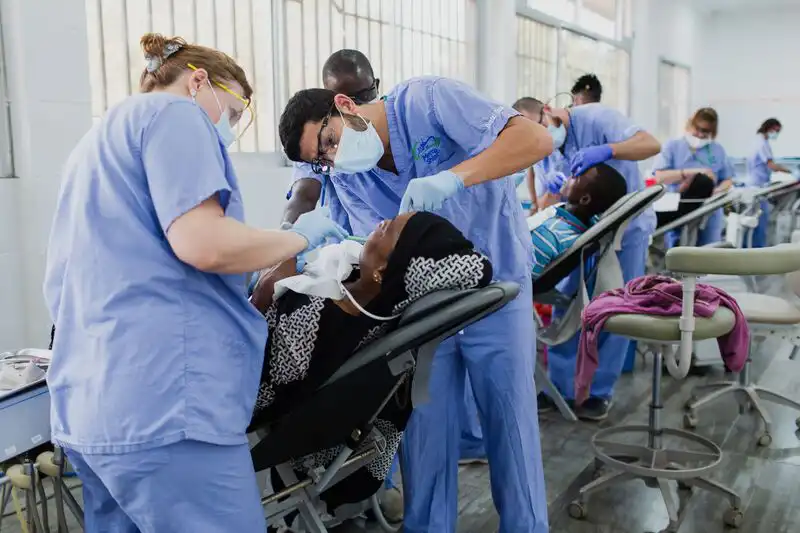
Volunteering as a dental professional abroad provides an exceptional chance to broaden your skills while making a tangible difference in underserved communities. Many parts of the world, particularly in developing nations, face significant barriers to quality dental care. This creates a pressing need for skilled dental professionals to help improve oral health in these areas. Organisations like Mercy Ships are at the forefront, offering vital dental health services to regions where such care is scarce.
As a dental assistant or hygienist, volunteering with Mercy Ships not only allows you to utilise your expertise but also offers the rewarding experience of working in a diverse, international environment. This article will explore the essential skills required, the steps involved in applying, and the various opportunities available for dental professionals looking to contribute their talents abroad. Whether you’re interested in short-term missions or long-term volunteer roles, Mercy Ships offers a unique platform for dental professionals to give back to those in need.
Why Volunteer as a Dental Assistant or Hygienist Abroad?
Volunteering as a dental assistant or hygienist abroad provides a unique opportunity to apply your expertise in areas where dental care is scarce. By participating in dental mission trips or working on ships like those operated by Mercy Ships, you can offer essential services to underserved communities, helping improve oral health in regions that would otherwise lack access to professional care. These roles allow you to use your skills in ways that have a direct and lasting impact on people’s lives, from basic cleanings to more complex dental procedures.
Beyond the professional satisfaction of providing vital care, volunteering abroad offers personal growth and exposure to new cultures and environments. The challenges faced in these settings can sharpen your clinical abilities while fostering a deeper understanding of global health disparities. Whether it’s a short-term mission or a long-term commitment, volunteering abroad offers a rewarding way to contribute to improving healthcare while gaining invaluable experience in international dental care.
The Role of Dental Assistants and Hygienists on Mercy Ships
Mercy Ships offers an extraordinary opportunity for dental assistants and hygienists to volunteer on their hospital ships, providing essential dental care in underserved communities. Volunteers are part of a dedicated team that delivers a wide range of services, from routine treatments like cleanings and fillings to more complex procedures such as extractions and restorations. The demand for dental care in remote areas is immense, and volunteers play a key role in addressing this gap by offering high-quality care where it is most needed.
Dental assistants and hygienists on Mercy Ships work in unique conditions, often in resource-limited settings. They assist with patient care, prepare dental equipment, and help educate patients on proper oral hygiene. The work can be both challenging and rewarding, as volunteers witness the profound impact their care has on the health and well-being of individuals in the communities they serve. It is an invaluable experience for those looking to make a lasting difference in global dental health.
Skills Required for Volunteer Dental Roles Abroad
For dental professionals applying for volunteer dental assistant jobs abroad, a solid foundation in clinical skills is essential. This includes proficiency in assisting with dental procedures, sterilising equipment, managing patient records, and ensuring infection control standards are met. A comprehensive understanding of patient care is also crucial, as you will be interacting with individuals from various backgrounds, many of whom may have never received dental care before. The ability to work efficiently in a high-pressure environment while maintaining excellent standards of care is key.
In addition to clinical skills, strong interpersonal skills are vital. Volunteers often work in diverse, multicultural teams and must be able to communicate effectively with patients who may speak different languages or have varied cultural practices. Being empathetic, patient, and understanding can help put patients at ease and improve their experience. Flexibility and a willingness to adapt to new and challenging working conditions are also important traits for those volunteering abroad.
Clinical Dental Experience
Having a solid foundation in clinical dental care is vital for volunteering abroad, especially in challenging environments. Dental assistants should be experienced in various tasks such as sterilisation of instruments, assisting in dental procedures, and ensuring patient comfort throughout treatment. They may also need to manage patient records and assist the dental team in preparing materials or equipment, ensuring a smooth and efficient workflow. In these roles, attention to detail and an understanding of infection control procedures are essential to maintaining a safe and clean environment.
Dental hygienists play a crucial role in promoting oral health, so proficiency in oral hygiene education is key. They are often responsible for performing tasks like scaling, prophylaxis, and offering preventive care. This includes educating patients on maintaining proper oral hygiene habits, which is especially important in underserved areas where dental care may be scarce. Strong communication skills and patience are vital, as hygienists work closely with patients from diverse backgrounds.
Working in Challenging Environments
Volunteering abroad, particularly with Mercy Ships, often means working in environments where resources are limited. Many of the communities served by Mercy Ships are in remote areas with minimal access to dental equipment and infrastructure. As a result, dental assistants and hygienists must adapt to these conditions and be resourceful in delivering the best care possible. Working with basic tools and sometimes makeshift facilities requires a flexible mindset and the ability to improvise when necessary.
In these challenging environments, the ability to stay calm under pressure and maintain a positive attitude is crucial. Volunteers play a key role in providing dental services, whether it’s simple cleanings or more complex procedures, all while maintaining a high standard of patient care despite limited resources.
Communication Skills for Dental Volunteers
Effective communication is a fundamental skill for dental volunteers working abroad, as it ensures that patients understand the care they are receiving. Dental assistants and hygienists must be able to explain complex procedures in simple terms, ensuring patients are comfortable and informed. This is especially important in regions where language barriers or limited healthcare knowledge may exist, requiring volunteers to be patient and clear in their explanations.
Additionally, dental volunteers play a key role in educating patients about oral hygiene and prevention. They must be able to provide instructions on proper brushing and flossing techniques, dietary advice, and the importance of regular check-ups. Building trust through clear communication helps volunteers connect with patients, making them feel more at ease during treatments and more likely to follow preventive care recommendations. By fostering an open dialogue, dental volunteers can have a lasting impact on the health of individuals and communities they serve.
Preparing for a Mercy Ships Volunteer Role
Preparing for a Mercy Ships volunteer role begins with ensuring you meet the basic eligibility requirements. This typically includes having the necessary qualifications, such as a recognised certification in dental assisting or hygiene, and experience working in a clinical setting. Additionally, volunteers must hold licensure that is valid for overseas dental work, as each country may have specific regulations regarding foreign practitioners. It’s important to research these requirements early and ensure you’re fully prepared.
Once eligibility is confirmed, the next step is to submit your application. This usually involves providing a detailed resume, highlighting your professional experience and any relevant volunteer work. You may also need to provide references and undergo an interview process. Mercy Ships looks for individuals who are not only skilled but also passionate about making a difference. Preparing for this role involves not only meeting the qualifications but also being mentally and emotionally prepared to work in challenging and resource-limited environments..
Training and Orientation for Mercy Ships Volunteers
Mercy Ships offers thorough training and orientation for all volunteers to ensure they are well-prepared for their roles. This includes familiarising dental assistants and hygienists with their specific duties, such as assisting with dental procedures, managing patient care, and supporting the overall workflow on the hospital ship. Volunteers also learn about the range of dental services provided, from routine check-ups and cleanings to more advanced procedures like extractions and restorations.
In addition to clinical training, Mercy Ships provides guidance on the logistical aspects of life on board the ship. Volunteers are taught how to navigate the unique challenges of working in a maritime healthcare setting, including managing limited resources and adapting to a fast-paced environment. This comprehensive orientation ensures that volunteers are not only equipped with the necessary skills for their roles but also understand the broader mission of Mercy Ships and the impact they will have on the communities they serve.
The Impact of Volunteering on Global Health
Volunteering on a Mercy Ships mission allows dental professionals to make a profound impact on global health. By providing direct care to underserved communities, volunteers help address urgent dental needs such as extractions, restorations, and oral hygiene treatments. This immediate care is essential in regions where access to professional dental services is limited or unavailable, improving the overall health and well-being of countless individuals.
In addition to short-term care, Mercy Ships focuses on long-term solutions by training local dental professionals and promoting sustainable oral health education. By equipping local teams with essential skills and knowledge, Mercy Ships helps to build the capacity of these communities to manage their own oral health needs in the future. This approach not only addresses immediate dental issues but also creates lasting improvements in community health, empowering local professionals to continue providing care long after the mission has ended. Volunteering with Mercy Ships truly contributes to a healthier, more sustainable future for global oral health.
Long-Term and Short-Term Volunteer Opportunities
Mercy Ships offers both short-term and long-term volunteer opportunities for dental professionals, allowing them to contribute to life-changing missions. Short-term dental volunteer missions typically last a few weeks, making them ideal for those with limited availability or who want to experience volunteer work abroad without a long-term commitment. These missions focus on providing immediate dental care, such as extractions, restorations, and hygiene services, to communities in need.
Long-term volunteer roles, on the other hand, allow dental professionals to stay on board for several months, providing a deeper and more sustained impact. This longer commitment enables volunteers to be involved in more extensive dental care projects, including training local healthcare providers and participating in capacity-building efforts.
Benefits of Volunteering with Mercy Ships
Volunteering with Mercy Ships offers unique personal and professional growth opportunities. By providing dental care in underserved areas, volunteers experience the profound satisfaction of making a direct impact on communities that lack access to essential healthcare. This hands-on experience allows dental assistants and hygienists to enhance their skills while working in a dynamic, international setting. Whether it’s performing clinical tasks or educating patients, volunteers will broaden their expertise and gain a deeper understanding of global health challenges.
Beyond skill development, Mercy Ships volunteers also benefit from the opportunity to collaborate with a diverse, multi-disciplinary team. This environment fosters personal growth and the exchange of ideas among healthcare professionals from around the world. Additionally, volunteers have access to valuable networking opportunities, connecting with other professionals in the humanitarian sector. These connections can open doors to future career paths, further enriching the volunteer experience and broadening professional horizons in global health and dental care.
The Value of Volunteering for Your Career
Volunteering with Mercy Ships provides dental professionals with invaluable hands-on experience that can greatly enhance their career. Working in international settings, especially with underserved communities, helps develop a unique skill set that sets you apart from other candidates. The diverse and challenging environments foster personal growth, resilience, and adaptability, traits that are highly valued in today’s competitive job market. These experiences can be highlighted on your CV, demonstrating your commitment to global health and humanitarian work, which can make you stand out to potential employers.
Final Thoughts …
Volunteering as a dental assistant or hygienist abroad provides an invaluable opportunity to make a significant impact on global health. Whether you’re applying for Mercy Ships dental assistant volunteer roles or dental hygienist volunteer opportunities overseas, the chance to help underserved communities is both fulfilling and transformative. Working in unique environments will challenge your clinical skills and broaden your professional experience, all while making a real difference in the lives of those in need.
For dental professionals passionate about humanitarian work, Mercy Ships offers the perfect platform to combine skill development with meaningful service. The work is challenging yet incredibly rewarding, and the experience gained can shape both your personal and professional growth. If you’re ready to take on a global role that enhances oral health and changes lives, volunteering with Mercy Ships could be the perfect opportunity to make a lasting impact on the world.
FAQs
What is the minimum commitment time for a volunteer dental hygienist?
Mercy Ships offers short-term volunteer opportunities for dental professionals, with minimum commitments starting from as little as two weeks, although longer commitments are strongly encouraged.
What specific dental skills are most valuable for working abroad on the hospital ship?
Valuable skills include instrument sterilisation, dental radiography, patient charting, infection control, and chairside assisting with procedures such as extractions and simple restorations.
Are there volunteer opportunities for dental therapists or dental nurses?
Yes. Qualified dental therapists and dental nurses can volunteer, provided their training, registration, and clinical experience align with the ship’s operational and clinical requirements.
How do I apply to join the dental team on a Mercy Ship?
Applications are submitted online through the Mercy Ships volunteer website, where you select your professional role and preferred availability.
What kind of dental procedures are performed by the volunteer team?
The dental team focuses on essential primary dental care, including extractions, fillings, scaling and cleaning, pain relief, and oral health education.
Is prior overseas dental volunteering experience required?
No. Previous humanitarian or overseas experience is helpful but not mandatory, provided you meet the minimum clinical experience and professional registration requirements.
Do volunteer dental assistants and hygienists get paid?
No. All dental roles are voluntary. Volunteers cover their own travel costs and pay a monthly crew fee to contribute toward accommodation and meals onboard.
What expenses must the dental volunteer cover themselves?
Volunteers are responsible for return flights, required vaccinations, personal travel insurance, visas if applicable, and the monthly crew fee for room and board.
Does Mercy Ships offer dental aid in Africa only?
Yes. Mercy Ships primarily delivers dental and medical care in West and Central African nations where access to safe dental services is extremely limited.
What training is provided before starting my volunteer dental role?
Accepted volunteers complete an onboarding programme that includes online orientation covering ship life, safety procedures, cultural awareness, and clinical protocols.
Can dental students or trainees volunteer with the clinical team?
Most clinical roles require full professional licensure. Dental students may be eligible for non-clinical or support roles but generally cannot provide direct patient care.
What is the accommodation like on the Mercy Ships for volunteers?
Volunteers live onboard the hospital ship in shared cabins, creating a close-knit, international community with shared dining and recreational spaces.
How can I raise funds to cover the volunteer costs, like the crew fee?
Mercy Ships provides fundraising resources, guidance, and support from a financial support team to help volunteers raise the required funds.
What is the difference between a dental assistant and a dental hygienist role on the ship?
Dental hygienists focus on preventive care, scaling, cleaning, and oral health education, while dental assistants support dentists through sterilisation, setup, and chairside assistance.
Are background checks and medical clearance mandatory for all dental volunteers?
Yes. All volunteers must pass background checks and obtain medical clearance, including required vaccinations, before being approved to serve.
How does Mercy Ships contribute to local dental capacity building?
In addition to direct care, dental teams often participate in training and mentoring local healthcare workers to support long-term oral health improvements.
What are the visa and passport requirements for volunteering abroad?
Volunteers must hold a valid passport and obtain any required visas or permits. Mercy Ships provides guidance on country-specific entry requirements.
Is it safe to volunteer with a charity ship in developing countries?
Yes. Mercy Ships prioritises crew safety through secure ship environments, clear safety protocols, and structured off-ship activities.
What soft skills are essential for successful overseas dental volunteering?
Important soft skills include flexibility, cultural sensitivity, teamwork, adaptability, and the ability to work calmly and effectively in resource-limited settings.
Recent Comments