
In today’s interconnected world, delivering healthcare to underserved regions is becoming an increasingly complex challenge. Whether responding to natural disasters, managing public health crises, or filling gaps where healthcare infrastructure is scarce, there is a growing need for innovative medical solutions. One such solution is the hospital ship, a mobile healthcare facility that offers a unique, flexible approach to providing care in areas where traditional healthcare systems are often inadequate or absent.
Hospital ships are revolutionising medical aid by bringing essential services directly to those who need them most. These floating hospitals provide a strategic advantage in remote or coastal regions where access to healthcare can be limited or impossible. By offering emergency services, routine medical care, and specialised treatments, hospital ships play a pivotal role in improving health outcomes in underserved areas. This article will delve into how hospital ships are reshaping healthcare delivery and the significant impact they have on global health initiatives.
The Floating Hospital: A Strategic Advantage in Healthcare Access
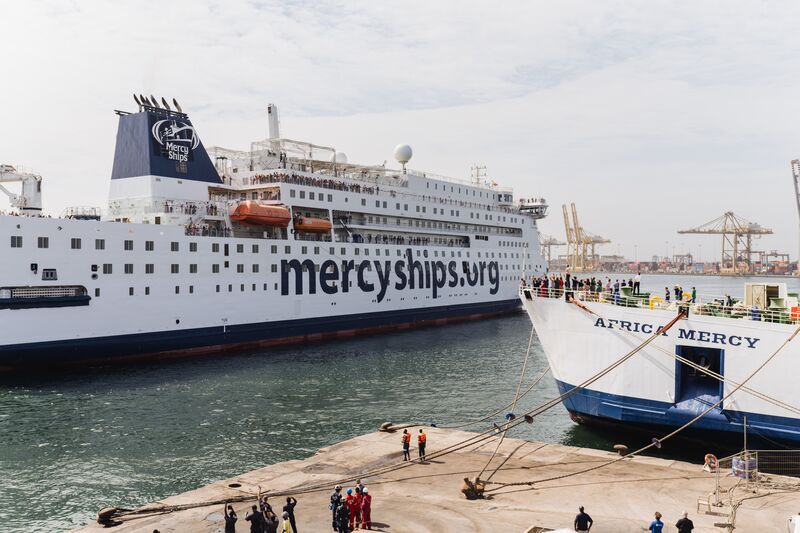
Mercy Ships hospital ships are a vital solution to the healthcare challenges faced by remote and underserved regions. They offer unparalleled flexibility and mobility, allowing healthcare professionals to reach areas that traditional land-based facilities cannot access. Whether deployed to assist in disaster relief or as part of ongoing healthcare missions, these floating hospitals bring essential medical services directly to the people in need. Their ability to operate in areas with no existing infrastructure makes them an invaluable resource during times of crisis, providing urgent medical care when it’s most critical.
The strategic advantage of hospital ships lies in their capacity to function as fully equipped medical facilities, regardless of location. By operating at sea, they can reach isolated communities, ensuring that people in the most remote areas have access to high-quality healthcare. This ability to deliver healthcare where it’s needed most is what sets hospital ships apart, offering a unique and effective solution to global health disparities.
Mobile Medical Aid: A Flexible and Responsive Solution
The flexibility of hospital ships as mobile medical aid units plays a crucial role in addressing healthcare disparities, particularly in remote areas. Their ability to travel to hard-to-reach locations allows healthcare providers to deliver critical care directly to populations who would otherwise be without access to medical services. This rapid response capability is invaluable during public health crises, natural disasters, or in regions with limited healthcare infrastructure.
Hospital ships are equipped to offer a wide range of services, from emergency medical care to surgical procedures and preventive health treatments. This adaptability ensures that hospital ships can meet the diverse healthcare needs of underserved communities, regardless of their geographic location. In areas where land-based healthcare facilities are scarce or non-existent, hospital ships act as a vital lifeline, offering immediate, flexible, and comprehensive medical solutions that can make all the difference in saving lives and improving health outcomes.
Addressing Healthcare Disparities in Remote and Coastal Regions
Healthcare disparities are a persistent issue in remote and coastal regions, where populations often struggle to access essential medical services. Geographic isolation, inadequate infrastructure, and financial barriers contribute to the challenge, leaving many without proper care. For these communities, the nearest healthcare facility can be miles away, and in emergencies, this distance can mean the difference between life and death. The lack of local healthcare resources creates gaps in care, particularly for those with chronic conditions or urgent medical needs.
Hospital ships address these challenges by bringing healthcare directly to where it’s needed most. With fully equipped medical facilities onboard, these floating hospitals offer a wide range of services, from basic health check-ups to complex surgeries. By docking at coastal areas or travelling to hard-to-reach locations, hospital ships ensure that even the most isolated populations can receive timely and professional medical care. This mobile approach helps bridge the healthcare gap, making essential services accessible to those who would otherwise be excluded.
Logistical Benefits of Hospital Ships in Humanitarian Efforts
Hospital ships offer significant logistical advantages in humanitarian efforts, especially in disaster relief operations. Unlike traditional land-based healthcare facilities, they can be rapidly deployed to areas in need, avoiding the time-consuming challenges of land transportation and infrastructure limitations. This quick mobilisation enables them to deliver much-needed medical care to disaster-stricken regions where access is otherwise restricted or non-existent.
In the aftermath of a disaster, where roads may be impassable and healthcare infrastructure severely damaged, hospital ships provide a vital lifeline. They can dock in coastal areas and offer immediate medical support, including emergency surgeries, trauma care, and basic healthcare services. Their ability to operate independently in remote locations ensures that medical assistance reaches those who need it most, even when local healthcare facilities are overwhelmed or unavailable. This flexibility and speed make hospital ships an indispensable resource in humanitarian operations.
A Tactical Advantage for Disaster Response
When a disaster occurs, the need for rapid medical intervention is crucial to minimise loss of life and prevent further complications. Floating hospitals offer a significant tactical advantage by allowing medical teams to deploy quickly and efficiently. Unlike land-based facilities, these vessels are not hindered by damaged infrastructure or inaccessible roads. They can navigate directly to affected regions, providing immediate healthcare support to communities in need. This mobility ensures that life-saving treatments reach those who are often isolated or trapped in disaster zones.
The strategic benefit of having a fully operational medical facility at sea is the flexibility it provides during times of crisis. Floating hospitals can be set up quickly and are equipped with a full range of medical services, from emergency care to surgery. This rapid response is vital in the early stages of disaster recovery, where timely healthcare interventions can make all the difference in saving lives and mitigating long-term health impacts.
Medical Technology on Ships: Pushing the Boundaries of Care
Hospital ships are revolutionising healthcare delivery by incorporating cutting-edge medical technology on board. These vessels are designed not just as floating clinics, but as fully equipped hospitals, with advanced medical equipment that supports a variety of healthcare services. From diagnostic imaging systems to operating theatres, they are capable of performing complex surgeries and offering specialised treatments that are typically only available in major hospitals. The technology on board ensures that patients in underserved regions receive the same level of care as they would in well-equipped medical facilities.
By utilising state-of-the-art medical technology, hospital ships are able to address a wide range of health conditions, from basic check-ups to life-saving procedures. This is particularly crucial in remote areas, where healthcare infrastructure is limited or entirely absent. With the ability to provide critical care, intensive treatments, and long-term health services, hospital ships are significantly improving health outcomes in regions that would otherwise have limited access to essential medical services.
Building Resilient Healthcare Systems with Floating Hospitals
Hospital ships play a crucial role in enhancing healthcare systems in underserved regions by offering more than just emergency medical care. These floating hospitals serve as a catalyst for strengthening local healthcare infrastructure, providing essential services in areas where traditional medical facilities are scarce or non-existent. By being mobile and flexible, hospital ships ensure that remote and vulnerable communities can access quality healthcare when they need it most, bridging the gap in health services.
In addition to offering immediate care, hospital ships provide valuable training opportunities for local healthcare workers. This training, which includes everything from basic medical procedures to advanced surgical techniques, equips local staff with the skills they need to manage and improve healthcare services long after the ships leave. By fostering this local capacity, hospital ships contribute to the development of more resilient healthcare systems, empowering communities to better respond to future health crises and improving long-term health outcomes.
Community Health in Coastal and Isolated Regions
Coastal and isolated communities often face significant barriers to accessing healthcare due to their remote locations and limited infrastructure. These areas are frequently underserved, with residents lacking easy access to hospitals or healthcare professionals. As a result, these populations are particularly vulnerable to preventable diseases, maternal complications, and other health issues that require medical attention.
Hospital ships provide a crucial solution by bringing medical care directly to these communities. These vessels offer not only emergency response services but also vital ongoing healthcare, such as disease prevention programmes as well as maternal and child care. By operating in these hard-to-reach areas, hospital ships ensure that even the most isolated communities can receive high-quality medical care, improving overall health outcomes and helping to reduce health disparities in underserved regions. The presence of a hospital ship can truly be a lifeline for people who would otherwise have limited or no access to essential healthcare services.
Mobile Healthcare Solutions in Developing Nations
In many developing nations, healthcare systems are often stretched thin or non-existent, leaving large segments of the population without access to even basic medical care. This lack of infrastructure, coupled with economic challenges, means that many people in remote and underserved areas face significant barriers to health services. Hospital ships, with their mobile healthcare solutions, provide a vital alternative, bringing essential medical services directly to these communities.
By offering a floating healthcare facility, hospital ships can help deliver a wide range of medical services, from routine check-ups to complex surgeries. These ships bridge the gap in healthcare provision, ensuring that people in the most isolated areas receive the care they desperately need. In doing so, hospital ships are not only meeting immediate healthcare needs but also strengthening long-term health outcomes, contributing to improved public health and resilience in developing nations. This approach makes a real difference in overcoming the healthcare challenges faced by vulnerable populations.
International Disaster Relief: The Role of Medical Vessels
When a disaster strikes, the need for immediate medical aid is critical. International disaster relief medical vessels play a vital role in providing emergency care in the aftermath of catastrophic events like earthquakes, floods, or hurricanes. These vessels, equipped with state-of-the-art medical facilities, can be deployed quickly to disaster zones, ensuring that those affected receive timely treatment. With their ability to operate in remote and devastated areas, medical vessels offer essential services where local healthcare infrastructure may be damaged or overwhelmed.
These floating hospitals are an indispensable part of global disaster response efforts. Their mobility allows them to reach affected regions swiftly, offering a range of medical services, from trauma care to surgical procedures. As they are self-sufficient and equipped to handle large-scale medical needs, medical vessels significantly reduce the time it takes to provide crucial care in the wake of disasters. Their presence is vital in saving lives and mitigating the long-term health impacts of such crises.
Long-Term Healthcare Delivery in Remote Areas
Hospital ships are often deployed in emergency situations, but their contribution to long-term healthcare delivery is equally significant. By operating in areas with limited or no access to healthcare infrastructure, they offer a sustained presence that ensures communities receive the care they need over time. These ships become a vital healthcare resource for populations who would otherwise struggle to access basic medical services.
In addition to emergency care, hospital ships provide ongoing healthcare services such as routine check-ups, chronic disease management, and maternal and child health care. Their ability to remain stationed in one location for extended periods allows them to develop relationships with local communities, offer preventative care, and build trust. This long-term presence helps strengthen the healthcare system in underserved regions, providing not just immediate relief but also a foundation for sustainable health improvements.
The Future of Mobile Medical Aid: A New Era of Healthcare Delivery
As the global demand for healthcare services continues to grow, the importance of mobile healthcare solutions becomes increasingly evident. Hospital ships, with their unique ability to deliver high-quality medical care in areas without established healthcare infrastructure, are well-positioned to meet this need. These floating hospitals offer an adaptable, rapid-response approach, ensuring that vulnerable and underserved populations are not left behind. The flexibility of hospital ships enables them to reach remote and disaster-stricken regions, providing essential care during emergencies and offering long-term support in areas with chronic healthcare gaps.
Looking towards the future, hospital ships will continue to be a cornerstone of global health strategies. As healthcare challenges evolve, the adaptability of these vessels allows them to remain at the forefront of innovative care delivery models. Their capacity to provide not only emergency medical services but also routine healthcare in underserved regions ensures that hospital ships will play an essential role in improving global health outcomes for years to come.
Final Thoughts …
Hospital ships play a critical role in addressing the healthcare needs of underserved and remote communities around the world. Their mobility and comprehensive medical capabilities allow them to deliver high-quality care in areas where traditional healthcare infrastructure is either lacking or non-existent. This flexibility makes them an invaluable asset during natural disasters or in regions with chronic healthcare disparities, ensuring that vulnerable populations receive the medical attention they need when they need it most.
As the global healthcare landscape continues to evolve, the importance of hospital ships in delivering essential medical services will only grow. Their ability to offer both emergency and long-term healthcare solutions in hard-to-reach areas allows them to play a pivotal role in improving health outcomes in developing nations. Hospital ships represent a resilient and adaptable model of care, ensuring that no one is left behind in the pursuit of accessible, efficient, and effective healthcare worldwide.
FAQs
What is the strategic advantage of a hospital ship for global health?
The key advantage is mobility. A hospital ship can reach remote coastal regions and bypass weak infrastructure, delivering complex medical and surgical care directly to underserved populations.
How do floating hospitals provide healthcare access to remote areas?
Floating hospitals dock at designated ports and function as fully equipped medical centres. Patients travel from surrounding regions to access operating theatres, wards, and specialist clinics that may not exist locally.
What kind of medical services do hospital ships offer?
Services often include primary healthcare, dental and eye care, and specialist surgeries such as maxillofacial, orthopaedic, and general surgery, particularly for conditions neglected in low-resource settings.
What are the key logistical benefits of deploying a hospital ship?
Hospital ships are largely self-sufficient, bringing their own equipment, personnel, clean water, electricity, and sanitation systems to maintain high standards of care.
How do mobile healthcare solutions like hospital ships benefit developing nations?
They provide free essential surgical services, reduce waiting lists for critical procedures, and ease pressure on overstretched local health systems.
How do hospital ships contribute to strengthening local healthcare systems?
They invest in capacity building by training and mentoring local healthcare professionals, helping to create sustainable improvements that continue after the mission ends.
Are hospital ships staffed by volunteers or paid personnel?
Many civilian hospital ships rely heavily on international volunteers, including medical professionals, engineers, and support staff who contribute their time and expertise.
What challenges do hospital ships face in their operations?
Challenges include navigating diplomatic approvals, managing logistics in remote ports, maintaining security, controlling operational costs, and coordinating with local health authorities.
How long does a hospital ship typically stay in an underserved region?
A ship may remain in one port for around ten months or longer to allow for patient screening, surgery, recovery, and structured follow-up care.
What international laws protect hospital ships during conflict?
Hospital ships are protected under the Second Geneva Convention of 1949, provided they meet strict criteria ensuring they are used solely for humanitarian purposes.
How do hospital ships ensure continuity of patient care after departure?
They work closely with local health ministries and partners to transfer patient follow-up and support programmes established during the mission.
What types of technology are used on a modern floating hospital?
Modern vessels include operating theatres, recovery wards, imaging technology such as CT scanners and digital radiography, and advanced sterile processing facilities.
How do communities learn about the arrival of a hospital ship?
Advance communication campaigns involving government agencies, media, and community leaders inform the public about screening dates and available services.
Is a hospital ship an effective public health crisis mobile unit?
Yes, its self-contained structure allows rapid deployment and the ability to provide care during health crises when local systems are overwhelmed.
What is meant by medical vessel capacity?
Medical vessel capacity refers to the number of beds, operating theatres, and the volume of patients and procedures the ship can manage during a mission.
Do hospital ships conduct training sessions onshore as well as onboard?
Yes, missions often include land-based workshops and classroom training at local facilities, alongside practical experience gained on the ship.
How does a hospital ship overcome limited resources in developing countries?
The ship brings its own medical supplies, equipment, and support systems, reducing reliance on fragile local supply chains and infrastructure.
Recent Comments