
A single hour in an operating theatre can reshape the rest of someone’s life. In Sierra Leone, where specialist healthcare is often out of reach, a straightforward hernia operation can hand back something far bigger than physical comfort: independence, income, and dignity.
Hernia surgeries in Sierra Leone are helping people receive treatment for a condition that quietly limits how they work, how they care for their families, and how they move through daily life. Doctors in Australia might consider a hernia a routine procedure. However in African countries with a severe shortage of surgeons, an untreated hernia can mean years of pain, lost wages, and mounting worry for a whole household.
Volunteer surgical teams and medical charities working across West Africa are changing that picture, one patient at a time. These missions show that a life changing hernia repair does more than mend tissue. It rebuilds confidence and gives people a reason to hope again.
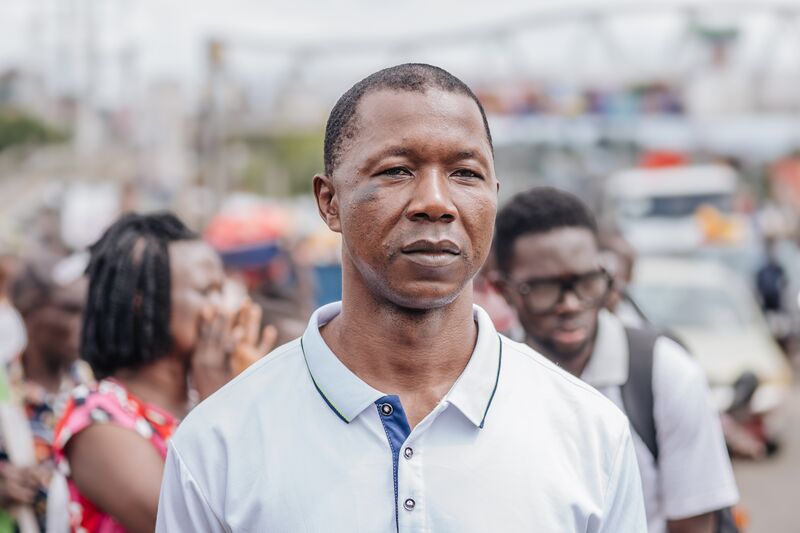
Mohamed’s story captures what that looks like in practice. His experience, one of many documented through Mercy Ships Australia’s patient stories, shows how one procedure can become the turning point that lets someone return to their family and community with real strength.
This isn’t only a story about surgery. It’s about what happens when compassion meets access to healthcare, and about the belief that nobody should have to live with preventable suffering.
The Growing Need for Hernia Surgery in Sierra Leone
Hernias are among the most common surgical conditions on the planet, affecting millions of people every year. A hernia develops when internal tissue pushes through a weak spot in the muscle wall, usually causing swelling, discomfort, and trouble moving freely.
In Sierra Leone, a shortage of surgical services means many people carry an untreated hernia for years. Cost, distance to the nearest hospital, and a lack of specialist surgeons all stand between patients and the care they need. You can read more about the country’s healthcare landscape here.
For anyone whose income depends on physical labour, an untreated hernia isn’t a minor inconvenience. It can stop a person working altogether, which puts extra strain on a family already doing it tough financially. Closing this gap in hernia repair across developing nations is a core part of building genuine health equity worldwide, and every operation performed represents one less family facing that pressure.
How a Simple Hernia Repair Restores the Quality of Life
A hernia repair can be over in under an hour, yet the impact often lasts for decades. For someone who has lived with pain or restricted movement, a successful operation usually means going back to work, spending more time with family, and rejoining community life without wincing through every task.
Life transforming surgery isn’t only about fixing a medical problem. It’s about giving someone back their independence and their sense of self. Safe surgical outreach across West Africa is helping patients clear the barriers that once put treatment out of reach altogether, whether that barrier was cost, distance, or simply not knowing help existed.
Mohamed’s Journey Towards Recovery and Renewed Hope
Recovery stories are where the human impact of these missions becomes obvious. Mohamed’s experience shows exactly how proper treatment can transform an ordinary day.
Before surgery, living with a hernia stopped Mohamed from doing the basic things most people take for granted. Like many patients dealing with an untreated condition, he needed access to skilled medical care and a team willing to treat him with genuine compassion.
Through a humanitarian medical mission, Mohamed finally received the treatment he needed to start recovering. You can follow Mohamed’s journey and see what his recovery looked like in the months after hernia surgery. It’s a reminder that behind every operation is a person with dreams, responsibilities, and hopes for a healthier future.
The Role of Humanitarian Surgery in Sierra Leone
Humanitarian surgery programs in Sierra Leone play a genuine role in tackling healthcare gaps in communities that have been underserved for years. These missions bring together surgeons, nurses, and support staff, all working alongside local healthcare teams to strengthen the system long after the ship has sailed on.
A typical surgical mission in West Africa focuses on conditions that are entirely treatable but often go untreated simply because resources aren’t there. By offering accessible hernia operations, these programmes chip away at a mountain of preventable suffering.
The goal reaches well beyond the number of operations performed. It’s about lifting awareness, building local skills, and leaving healthcare systems stronger than they were found.
Building Better Access to Surgical Care Across Africa
Access to surgery remains one of the biggest gaps in global health. Millions of people around the world need a surgical procedure but can’t get one, whether the barrier is cost, distance, or simply the absence of trained surgeons nearby.
Programs focused on accessible surgical care across Africa are working to close that gap by delivering essential procedures and backing long-term improvements to local healthcare systems. The need for global surgeries is part of a broader initiative because 5 billion people still lack access to safe surgical care,
Expanding surgical access does more than improve individual health outcomes. It supports whole communities, strengthens local economies, and helps break cycles of poverty tied to untreated illness.
Strengthening Healthcare Through Surgical Capacity Building
Performing surgery is only one piece of a much bigger puzzle. Lasting change needs investment in local professionals, proper training pathways, and stronger healthcare infrastructure.
Surgical capacity building gives local medical teams the skills and confidence to keep delivering safe care long after international volunteers have gone home. Pairing international expertise with local knowledge builds a healthcare system that’s more resilient and better equipped to handle future demand, supporting Sierra Leone’s healthcare development well into the future.
The Importance of Early Diagnosis and Treatment
Catching a hernia early makes a real difference to outcomes. Patients who get medical advice sooner tend to recover faster and face fewer complications down the track.
Even so, plenty of people in low-resource communities put off seeking care, often because they don’t know treatment is available or affordable, or because the nearest clinic is simply too far away. Outreach programs bridge that gap by bringing screening, information, and treatment options directly to communities, encouraging people to act before a manageable condition becomes something far more serious.
Better awareness and easier access to care reduce the overall burden of untreated hernias, helping more people get back to active, healthy lives sooner rather than later.
The Impact of Medical Outreach Programs on Communities
A medical outreach program does far more than perform operations. It builds a direct connection between healthcare providers and the communities they serve, while raising awareness of conditions that are entirely treatable.
In Sierra Leone, community-based outreach helps identify patients who might have lived with an untreated condition for years without ever being seen by a doctor. These programs combine education, screening, and a clear pathway into treatment.
The ripple effect goes well beyond any single patient. When someone recovers from a hernia, their family and community feel it too. A person who can work again can support their household and take part in community life in ways that weren’t possible before, which is exactly why surgical outreach remains such an important piece of improving healthcare access across Sierra Leone and neighbouring regions.
Providing Affordable Hernia Repair for Those in Need
Cost is often the single biggest obstacle standing between a patient and treatment. Affordable hernia repair programs exist to make sure financial hardship doesn’t decide who gets to live pain-free and who doesn’t.
Humanitarian medical aid is aimed squarely at people who would otherwise have nowhere else to turn. Free surgery programs can offer a genuinely life-changing opportunity to patients who have been unable to seek care purely because of the cost involved, underlining just how much targeted support can shift the trajectory of someone’s life.
The Importance of Post-Surgical Support and Recovery
A successful operation is only half the story. Proper aftercare is essential to making sure the outcome actually sticks.
Post-operative support helps patients understand what recovery looks like, follow medical advice correctly, and get back to their normal routine safely. Healthcare teams stay involved throughout this period, offering guidance and reassurance, which matters even more in humanitarian settings where patients may have travelled long distances just to be treated. A thorough approach to aftercare is what turns a good operation into lasting, life-altering treatment.
How Medical Aid Organisations Create Lasting Change
Medical aid organisations working across the world combine clinical expertise, charitable funding, and a genuine commitment to long-term development. Non-profit surgical missions provide direct treatment while also investing in local education and healthcare capacity.
The impact stretches well past any single operation. It strengthens communities, lifts health awareness, and opens doors for the next generation of local healthcare workers, which is what responsible medical aid should look like in practice.
The Role of Global Health Partnerships
Tackling global health challenges takes cooperation between governments, organisations, healthcare professionals, and the communities they serve. Partnerships let resources, expertise, and lessons learned travel further than any single group could manage alone.
For Australians, supporting global health initiatives is a practical way to contribute to meaningful international development. Whether through individual donations or corporate partnerships, Australian communities and organisations have a genuine role to play in expanding access to care worldwide, and every contribution helps sustain medical relief missions and long-term healthcare improvements.
Why Surgery Is About More Than Medical Treatment
On paper, a surgical procedure might look like a technical fix. In practice, its effect on a person’s life can be enormous.
For someone who has lived with an untreated hernia, surgery can mean freedom from pain, the ability to work again, and a renewed sense of confidence. Life changing surgical care sits right at the intersection of healthcare and human dignity. It’s proof that medical treatment isn’t only about fixing a condition; it’s about helping people build a better future. Every patient treated represents a family supported and a community made a little stronger.
Supporting Global Surgery and Humanitarian Healthcare
Progress in this space depends on ongoing investment in programmes that widen access to essential treatment. Every dollar directed towards global surgery initiatives helps more people receive the care they need.
There are plenty of ways to get involved, from learning more about the organisations doing this work to sharing patient stories or supporting a trusted medical charity directly. Donations and partnerships fund surgical equipment, medical supplies, and training for local healthcare workers. Australians who want to donate can also check the Australian Taxation Office’s guidance on tax-deductible gifts to understand how charitable giving is treated at tax time, and can find out more about supporting this work through Mercy Ships Australia.
Together, these contributions help build a world where safe, affordable healthcare isn’t determined by where someone happens to be born.
Restoring Dignity Through Compassionate Care
At the heart of every medical mission sits one simple goal: restoring dignity. Patients who receive hernia surgery aren’t just getting a medical procedure. They’re getting the chance to rebuild their lives, regain their independence, and look towards the future with real confidence.
“One hour, one life changed” isn’t just a catchy phrase. It captures how much difference a short operation can make, often delivering years of improved health and opportunity from a single afternoon in theatre. Australia’s own aid programmes reflect this same principle at a national level, as outlined in the Department of Foreign Affairs and Trade’s overview of Australia’s assistance for health, which supports health systems strengthening across the Indo-Pacific and beyond.
Final Thoughts …
Hernia surgery in Sierra Leone shows just how far accessible healthcare can go. What looks like a straightforward operation can become the turning point for someone who has spent years managing pain and limitation on their own.
Humanitarian surgery programs in Sierra Leone are giving patients back their comfort, independence, and hope. These missions make the case, clearly and repeatedly, for investing in accessible surgical care across Africa and backing the communities where healthcare resources remain thin on the ground.
Mohamed’s recovery reflects what countless other patients have experienced through medical outreach and humanitarian support. It’s proof that surgery isn’t only about repairing the body. It’s about restoring confidence, dignity, and a sense of what’s possible next.
If this story moved you, the next step is simple: find out how a small, regular contribution to a trusted medical charity can help fund the next operation, the next recovery, and changing the next life. One hour in an operating theatre really can rewrite what comes next for someone in Sierra Leone, and that’s a future worth backing.
FAQs
What is an inguinal hernia and why is simple hernia surgery so vital in Sierra Leone?
An inguinal hernia occurs when internal tissue or part of the intestine pushes through a weakness in the lower abdominal wall muscles. In Sierra Leone, access to basic surgical care is extremely limited, leaving many adults and children to live with painful, debilitating bulges for years. A straightforward, one-hour hernia operation repairs this structural defect, instantly relieving severe pain, preventing life-threatening bowel strangulation, and enabling individuals to return to active, productive lives.
How does simple hernia surgery restore dignity to patients in West Africa?
In rural West African communities, untreated hernias often grow to extreme sizes, causing severe physical disfigurement, social stigma, and an inability to perform manual labour or attend school. Patients are frequently forced into social isolation due to embarrassment or physical disability. By repairing the hernia through a quick surgical intervention, medical outreach programmes remove the disfigurement, eliminate chronic pain, and allow individuals to regain their independence, self-reliance, and standing within their communities.
What causes the high prevalence of untreated hernias in Sierra Leone?
The high burden of untreated hernias stems from a critical shortage of trained surgeons, insufficient medical infrastructure, and severe financial barriers. Many rural health centres lack functioning operating theatres or basic surgical supplies. Additionally, the cost of elective surgery in private or regional hospitals is far beyond the reach of average families, forcing thousands to live with preventable surgical conditions.
How long does a standard hernia operation take in a humanitarian medical mission?
A routine open hernia repair typically takes between forty-five minutes and one hour to perform. Because the procedure is efficient and can often be conducted under local or regional anaesthetic, surgical teams operating in field clinics or district hospitals can perform multiple life-changing procedures each day, maximizing the impact of short-term humanitarian outreach missions.
Can Australian surgeons and nurses volunteer for medical missions in Sierra Leone?
Yes, Australian medical professionals, including general surgeons, anaesthetists, perioperative nurses, and recovery staff, regularly participate in humanitarian surgical missions across developing nations. Australian healthcare workers donate their time and expertise to non-profit aid organisations to deliver essential surgical care and mentor local medical personnel.
What registration or credentials do Australian healthcare professionals need to volunteer abroad?
Australian medical volunteers must maintain current, unrestricted professional registration with the Australian Health Practitioner Regulation Agency (AHPRA). Overseas aid organisations and medical charities also require credentialing verification, proof of professional indemnity insurance that covers international volunteer work, and temporary medical licensing or clearance from the Sierra Leone Ministry of Health.
How do Australian non-profit organisations support surgical capacity building in West Africa?
Australian non-government organisations (NGOs) support surgical care not only by funding operations but also by investing in sustainable healthcare infrastructure. They facilitate clinical training workshops, mentor local Sierra Leonean medical officers and community health clinical officers in basic surgical techniques, and donate vital equipment to strengthen long-term local healthcare capacity.
Are donations to Australian charities supporting overseas hernia surgery tax-deductible?
Yes, donations made by Australian taxpayers to registered international development charities that hold Deductible Gift Recipient (DGR) status with the Australian Taxation Office (ATO) are tax-deductible. Donors should ensure the charity is endorsed by the Australian Charities and Not-for-profits Commission (ACNC).
How do Australian overseas aid guidelines ensure safety and accountability in humanitarian surgery?
Australian aid organisations operating overseas must comply with strict Governance Standards and External Conduct Standards established by the ACNC. Additionally, many NGOs align with the Australian Council for International Development (ACFID) Code of Conduct, which mandates rigorous clinical safety protocols, financial transparency, ethical practice, and local partner engagement.
Why are untreated hernias considered a major public health and economic issue in West Africa?
In agrarian societies like Sierra Leone, physical strength is essential for earning a livelihood through farming, trading, or manual labour. When the main person in the household develops a debilitating hernia, family income drops significantly, often leading to household poverty and food insecurity. Treating hernias restores physical capacity, enabling individuals to work and support their families.
What post-operative care is provided to hernia patients during outreach surgical clinics?
Patients receive close monitoring in a recovery ward immediately following surgery to manage pain, monitor vital signs, and check wound integrity. Before discharge, patients receive post-operative instruction on wound cleanliness, infection prevention, pain management, and activity restrictions, alongside follow-up checks conducted by local community health workers.
How do mobile surgical missions deliver safe hernia operations in remote Sierra Leone communities?
Mobile surgical teams partner with local health authorities to utilise district hospital operating rooms or temporarily upgrade rural health facilities. Teams transport essential sterile instruments, portable monitoring equipment, surgical consumables, and autoclaves, ensuring that strict infection control standards equal to international guidelines are maintained.
What role do local Sierra Leonean medical staff play during Australian-assisted surgical missions?
Local doctors, nurses, scrub technicians, and community health officers are central to the success of humanitarian surgical missions. They assist with patient screening, language translation, perioperative care, and post-operative follow-up. Collaborative missions prioritise two-way knowledge sharing to ensure local teams gain practical experience in hernia management.
How does paediatric hernia surgery differ from adult hernia repair in developing countries?
Paediatric hernias are congenital conditions caused by a failure of the abdominal lining to close before birth. Unlike adult repairs that often require synthetic mesh, paediatric hernia surgery involves a delicate procedure called a high ligation of the hernia sac. Early surgical intervention in infants and children prevents emergency strangulation and ensures normal growth and activity.
What risks or complications occur if an abdominal wall hernia remains untreated?
If left untreated, a hernia can enlarge substantially over time, causing severe discomfort and functional disability. The most dangerous complication is hernia strangulation, where a loop of intestine becomes trapped in the muscular defect, cutting off its blood supply. This requires emergency open abdominal surgery and carries a high mortality rate if immediate surgical intervention is unavailable.
How can Australian medical institutions and hospitals donate equipment for overseas surgical care?
Australian public and private hospitals, day surgeries, and medical equipment distributors frequently donate surplus, refurbished, or unexpired sterile surgical supplies, autoclaves, instruments, and patient monitors to registered Australian medical aid charities. These donations are vetted for quality before export to ensure full operational compatibility in West African facilities.
What anaesthetic techniques are used during day-procedure hernia surgeries in West Africa?
Most adult hernia operations in outreach settings are performed using local anaesthesia with field blocks or low-dose spinal anaesthesia. These techniques provide excellent pain control during and after the procedure while avoiding the complex monitoring equipment, endotracheal intubation, and ventilator support required for general anaesthesia in resource-constrained environments.
Why is surgical healthcare outreach essential for achieving global health equity in Africa?
Global health initiatives historically focused primarily on infectious diseases, leaving surgical care severely underfunded. Essential surgical care, including basic hernia repair, emergency obstetrics, and trauma surgery, is now recognised as a vital component of universal health coverage. Outreach initiatives bridge this gap by bringing essential care directly to underserved populations.
How do Australian volunteers manage infection control in low-resource operating theatres?
Australian volunteer teams implement rigorous infection prevention control standards by bringing portable sterilization units, disposable sterile drapes, surgical gloves, and broad-spectrum antiseptic solutions. Strict adherence to hand hygiene, surface disinfection, and post-operative wound care protocols minimises surgical site infections.
Can non-medical Australian volunteers support humanitarian surgical missions in Sierra Leone?
Yes, non-medical volunteers contribute significantly through administrative support, logistics, fundraising, equipment refurbishment, supply chain management, and communications. In Australia, volunteers assist registered charities with donor stewardship and packing medical consignments for shipment overseas.
What role does DFAT play in supporting Australian international health development programs?
The Australian Department of Foreign Affairs and Trade (DFAT) manages Australia’s official overseas aid program. DFAT provides grant funding and strategic guidance to eligible Australian NGOs through programs like the Australian NGO Cooperation Program (ANCP), supporting sustainable health, training, and community development initiatives in partner countries.
How does restoring physical health through hernia repair alleviate poverty in rural West Africa?
Restoring physical health directly boosts economic stability. When an adult undergoes successful hernia repair, they regain the physical capability to farm crops, carry goods to market, or run small businesses. This restores household earnings, keeps children in school, and reduces reliance on community support.
How can everyday Australians contribute to life-saving surgical initiatives in Sierra Leone?
Australians can support these life-saving surgical initiatives by making financial donations to accredited Australian international development charities, organising community fundraising events, advocating for global healthcare access, or volunteering time with local aid organisations that collect and pack essential medical supplies for West Africa.
Recent Comments