
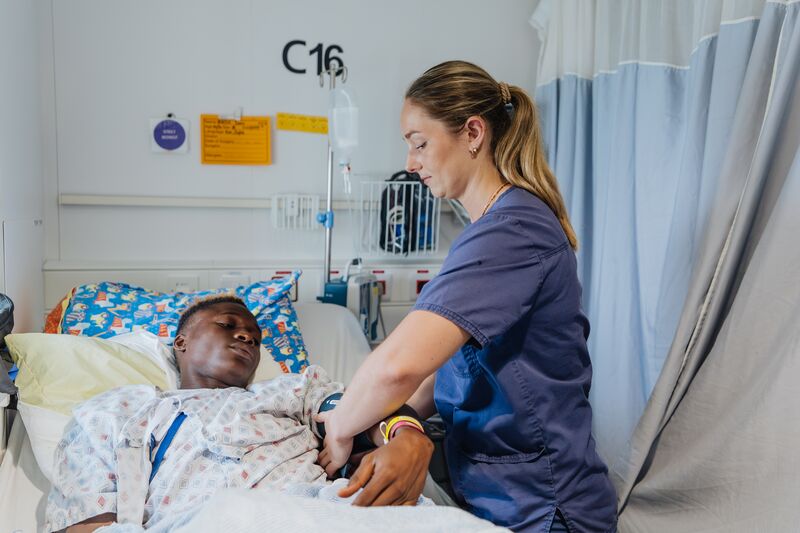
Surgery can save a life, ease pain and restore function, but recovery doesn’t stop when a patient walks out of theatre. In humanitarian settings, that same patient might also be dealing with displacement, separation from family, money worries, grief or trauma from years earlier. Psychosocial care in humanitarian aid makes sure surgical recovery supports the whole person, not just the wound or the procedure.
Clinical treatment, rehabilitation and psychological support are closely linked, and humanitarian programs increasingly plan around that fact. Mercy Ships Australia is one of the organisations working within this broader landscape.
Why Surgical Recovery Needs More Than Clinical Treatment
A successful procedure is a major milestone, but it’s only one part of surgical healing. A patient may leave theatre frightened, confused or unsure about pain, mobility, wound care and what comes next. Those feelings run deeper when surgery follows an accident, violence, infection, disaster or a long illness. Without compassionate support, emotional distress can chip away at a patient’s confidence in treatment and make it harder for them to take part in their own recovery.
Humanitarian aid mental health recovery needs to sit alongside post operative care. When patients are listened to, kept informed and treated with dignity, they’re far more likely to feel safe enough to ask questions, follow clinical advice and stay engaged with rehabilitation. This whole-person approach strengthens patient welfare and lifts the overall quality of humanitarian medical aid.
What Psychosocial Care in Humanitarian Aid Means
Psychosocial care in humanitarian aid is the practical support that protects emotional, social and psychological wellbeing during illness, surgery and recovery. It can include respectful communication, reassurance, psychological first aid, contact with family, culturally appropriate counselling, referral pathways and support for everyday coping. It doesn’t mean every patient needs formal therapy. It means every patient deserves care that treats their emotional recovery as seriously as their physical needs.
For surgical teams, this kind of support can be woven into routine care rather than bolted on as an extra service. A nurse who calmly explains a procedure, a clinician who checks a patient actually understood their discharge instructions, or a volunteer who helps reconnect someone with family, all of these contribute to post surgery emotional support. Mercy Ships Australia’s work on mental health support on hospital ships shows how these small, practical actions make holistic patient care achievable even in busy humanitarian settings.
The Emotional Impact of Surgery in Crisis Settings
Surgery can bring relief, but it can also bring fear. Patients worry about pain, disability, lost income, separation from their children, or the possibility of more treatment down the track. In crisis settings, those worries sit inside a wider set of pressures, things like insecure housing, disrupted livelihoods, displacement or poor access to transport and follow-up care. Surgical trauma psychological recovery rarely stays confined to the clinical environment.
Emotional recovery gets harder when patients don’t understand what’s happened to them or what recovery actually involves. Clear explanations, honest reassurance and a genuine chance to voice concerns all reduce distress. There are many social and emotional benefits of surgery for children in underserved communities. Strong surgical recovery support helps patients recognise that anxiety, sadness and uncertainty are understandable responses, not personal failure.
Trauma-Informed Care Creates Safety and Dignity
Trauma-informed care recognises that distressing experiences can shake a patient’s sense of safety, trust and control. Someone who has lived through conflict, displacement, violence or loss may find unfamiliar clinical surroundings, medical equipment or physical examinations overwhelming. Trauma-informed care doesn’t require clinicians to know every detail of a patient’s history. It requires them to deliver care in ways that avoid causing unnecessary distress.
In practice, this means asking permission before touching a patient, explaining each stage of treatment, offering choices wherever possible, protecting privacy and steering clear of language that causes shame. Australia’s national framework for recovery-oriented mental health services identifies trauma-informed approaches as central to responsive, respectful care. In humanitarian surgery, this same approach protects psychological wellbeing while preserving a patient’s dignity.
Clear Communication Makes Recovery Less Frightening
Communication is one of the most effective forms of psychosocial care available, and it costs nothing extra to deliver well. Patients need simple, respectful explanations about their surgery, expected discomfort, medication, wound care, movement and follow-up. When communication is unclear, patients can become fearful or avoid asking for help altogether, and that affects post operative healing as much as it erodes trust in the care team.
Language support matters especially in humanitarian settings. Information needs to reach patients and caregivers in ways they can actually understand, whether that’s local languages, visual aids or verbal explanations where literacy is limited. Good communication also means listening properly. Patients need time to describe pain, worries and practical barriers to recovery, which helps clinical teams pick up on concerns early and offer more meaningful post op support.
Theatre Recovery Psychosocial Nursing Supports Trust
Theatre recovery psychosocial nursing brings emotional awareness into the period straight after surgery. Recovery nurses often meet patients at their most vulnerable, disorientated, uncomfortable or frightened. A calm voice, a simple explanation and a sensitive check-in can make that transition far less distressing. Theatre nursing care isn’t only technical work; it’s relational work too.
Nurses support emotional recovery by explaining where the patient is, what sensations are normal, and what happens next. They also watch for signs of distress, such as withdrawal, panic, confusion or reluctance to engage, and refer patients on to counsellors, social workers or specialist healthcare roles where needed. Chaplaincy and pastoral care teams often work alongside nursing staff in this space, as outlined in Mercy Ships Australia’s overview of chaplain and pastoral care roles on board the hospital ships. This kind of clinical recovery care reinforces the idea that psychological health is a genuine part of safe surgical care, not an optional add-on.
Recognising Distress and Reducing Stigma
Not every patient describes emotional distress directly. Some talk about pain, tiredness, poor sleep, loss of appetite or trouble concentrating instead. Others go quiet, become frustrated, or grow reluctant to continue treatment. Healthcare workers don’t need to diagnose every concern, but they do need to recognise when a patient might benefit from additional psychosocial support or mental health interventions.
Reducing stigma matters just as much as recognising distress. Patients shouldn’t feel judged for feeling anxious, sad or overwhelmed after surgery. Staff who use respectful, non-stigmatising language and explain that emotional reactions are common during recovery help normalise help-seeking and improve access to trauma recovery support. It also strengthens the relationship between patients and the wider humanitarian health team.
Post-Operative Mental Health Support Beyond Discharge
Discharge shouldn’t be treated as the finish line. Patients often return to difficult living conditions, limited mobility, financial pressure or restricted transport access. For some, the first days after leaving hospital are when emotional recovery becomes hardest. Post operative mental health support belongs firmly inside discharge planning, not as an afterthought.
A solid plan includes clear clinical instructions, information for caregivers, follow-up appointments, rehabilitation referrals and contact details for local support services. Where humanitarian programs have outreach teams, social workers or community health workers, these teams help patients stay connected to care after they’ve gone home. This approach supports post surgical rehabilitation and cuts the risk of patients feeling abandoned once treatment ends.
Designing Practical Mental Health Interventions
Mental health interventions in humanitarian surgery need to be realistic, culturally appropriate and tied to clinical priorities. They might include brief psychological first aid, supportive counselling, relaxation techniques, pain education, family meetings, peer support or referral to specialist services. The goal isn’t a complex program that’s hard to sustain. It’s building practical support into everyday patient care.
Evidence-based patient wellness strategies work best when they respond to the reality of the setting they’re used in. In busy facilities, a short supportive conversation is often more workable than a lengthy formal assessment. In remote communities, trained local health workers can handle follow-up and referral. In larger programs, NGO counselling roles strengthen the link between surgical teams and mental health services. Flexible, locally led approaches keep psychosocial rehabilitation available well beyond the immediate emergency.
Specialist Teams and Ethical Volunteer Contributions
Specialised humanitarian health roles make a real difference to patient wellbeing. Surgeons, anaesthetists, nurses, physiotherapists, psychologists, counsellors, social workers, interpreters and community health workers each bring different skills to the recovery process, and strong teamwork means patients get coordinated clinical, emotional and practical support rather than fragmented care.
For Australian professionals weighing up a mental health volunteer abroad placement, ethical preparation matters. Volunteers need to work within their qualifications, respect local clinical leadership, understand referral pathways and avoid offering counselling beyond their training. International healthcare volunteering psychological aid delivers the most value when it strengthens local capacity rather than creating dependence on visiting teams. Responsible medical charity work builds knowledge, trust and continuity that outlast any single medical aid deployment.
Maritime Medical Services and Hospital Ship Psychological Care
Maritime medical service programs, including hospital ships and mobile coastal health missions, bring surgical care to communities that would otherwise have limited access to specialist treatment. But hospital ship psychological care needs planning that’s every bit as careful as the surgical logistics. Patients may travel long distances, step into an unfamiliar environment, and head home again soon after treatment, and all of that can raise anxiety and complicate follow-up.
Understanding how hospital ships actually work helps explain why volunteer hospital ship teams need to build psychosocial care into every stage of a patient’s journey, through clear orientation, private spaces for sensitive conversations, culturally appropriate interpreters and strong links with local health providers. Maritime medical volunteer opportunities include training in communication, safeguarding and trauma-informed care, so that surgical patient support in international aid stays compassionate even when delivered through short-term or mobile services.
Measuring Patient Wellbeing and Improving Care
Humanitarian organisations improve psychosocial care by actually listening to patients and reviewing how services are experienced on the ground. Patient feedback, caregiver feedback, follow-up attendance, referral completion and rehabilitation participation all provide useful signals. None of these measures need to be complicated. They just need to be practical, confidential and suited to the local setting.
Patient wellbeing deserves as much attention as clinical outcomes. A wound can heal perfectly and a patient can still be struggling with fear, loneliness or uncertainty. Measuring both clinical recovery and emotional recovery helps humanitarian programs spot gaps and refine their approach, which in turn supports restorative wellbeing, better patient welfare and more responsive humanitarian assistance.
Australian Partnership and Responsible Humanitarian Practice
Australia plays an important role in supporting humanitarian action that’s locally led, inclusive and sustainable. The Australian Humanitarian Partnership works with local organisations and communities to strengthen disaster preparedness, response and recovery, while Australia’s broader partnerships in Africa continue to focus on humanitarian and resilience-building work.
For Australian NGOs, healthcare providers and businesses involved in humanitarian health, the real opportunity lies in supporting partnerships that value local expertise. That might mean funding psychosocial services, backing workforce training, strengthening referral systems or offering technical support for trauma-informed care.
Final Thoughts …
Psychosocial care in humanitarian aid isn’t an optional extra bolted onto surgical programs. It’s a core part of safe, compassionate and effective surgical recovery. Patients need clinical skill, pain management, rehabilitation and clear information, but they also need reassurance, respect, connection and hope, and none of those come automatically with a successful operation.
FAQs
How does preoperative anxiety impact surgical recovery outcomes?
High levels of preoperative anxiety trigger physiological stress responses, elevating cortisol and disrupting systemic inflammation. Australian clinical studies demonstrate that unmanaged anxiety can lead to prolonged recovery times, heightened post-operative pain perception, poor wound healing, and higher hospital readmission rates.
What role do Australian medical volunteers play in providing psychological first aid?
Australian medical volunteers, including nurses, doctors, and allied health professionals deployed through non-government organisations, use psychological first aid to stabilise patients facing acute surgical trauma. This involves establishing safety, delivering non-intrusive emotional comfort, and connecting patients to practical social resources without pathologising normal stress reactions.
How do international deployment guidelines ensure culturally safe mental health support?
Australian humanitarian deployments follow strict guidelines set by the Department of Foreign Affairs and Trade and the Australian Council for International Development. These frameworks mandate that all mental health and psychosocial support interventions must be co-designed with local communities to respect indigenous knowledge, local languages, and cultural traditions regarding healing.
Why is trauma-informed care essential for humanitarian surgical patients?
Surgical patients in humanitarian crises or developing nations have often survived conflict, natural disasters, or severe systemic deprivation. Trauma-informed care ensures that Australian health professionals deliver medical and post-operative services in a manner that minimises the risk of re-traumatisation, prioritising physical and emotional safety, trust, and patient empowerment.
What Australian frameworks guide recovery-oriented mental health practice overseas?
Volunteering clinicians draw guidance from Australia’s National Framework for Recovery-Oriented Mental Health Services. This framework shifts the medical focus from mere symptom reduction to supporting a patient’s self-determination, hope, and meaningful social reintegration following a major life event like corrective surgery.
How can clinical teams screen for post-operative depression in resource-limited settings?
Australian humanitarian teams implement simplified, culturally adapted screening tools, such as translated versions of the Patient Health Questionnaire, to identify early signs of post-operative depression. These screenings focus on functional impairment and somatic symptoms that are easily communicated across language barriers.
What are the main psychosocial barriers to rehabilitation for surgical patients?
Patients often face severe social stigma, loss of livelihood, lack of family support networks, and localised anxiety about their altered physical capacities. Addressing these social determinants of health through targeted counselling is vital for successful long-term physical rehabilitation.
How do hospital ships structure their post-operative patient support systems?
Volunteer hospital ships operating in international waters utilise multidisciplinary teams where Australian nurses and local day-crew work together. They create dedicated therapeutic spaces on board for peer support groups, physical therapy, and emotional counselling to ensure patients recover holistically before discharge.
What specialised health roles are available for Australians in maritime medical missions?
Australian registered nurses, clinical psychologists, occupational therapists, and social workers can deploy in specialised humanitarian roles. These professionals manage ward-based psychosocial interventions, lead patient rehabilitation programs, and deliver trauma counselling tailored to surgical cohorts.
How does cognitive behavioral therapy help manage post-surgical pain?
Evidence-based psychological strategies like cognitive behavioral therapy help patients identify and reframe negative thought patterns or pain catastrophising. Australian clinical guidelines highlight that altering the cognitive perception of pain reduces reliance on pharmaceutical interventions and improves physical mobility trajectories.
What is the link between mindfulness-based stress reduction and wound healing?
Mindfulness practices enhance parasympathetic nervous system activity and lower physiological distress. This shift optimises the body’s natural immune function, reduces systemic inflammation, and accelerates the physiological processes essential for efficient post-operative wound healing.
How can aid organisations ensure continuity of psychosocial care post-discharge?
To achieve sustainable health outcomes, Australian-funded missions partner with local community health volunteers and non-profit organisations. They provide thorough handover documentation, train local healthcare workers in basic psychosocial rehabilitation, and establish regional outpatient clinics.
What challenges do Australian volunteers face when delivering cross-cultural mental health care?
Volunteers frequently navigate differing cultural idioms of distress, varied perceptions of mental illness stigma, and language barriers. Overcoming these hurdles requires working alongside local translators and prioritising non-verbal patient comfort, empathy, and active listening.
How does the Australian Council for International Development regulate medical aid standards?
The Australian Council for International Development code of conduct ensures member charities adhere to strict benchmarks of accountability, transparency, and ethical clinical care. This includes a commitment to delivering holistic, safe, and protective psychosocial support alongside medical surgeries.
What is the impact of surgical trauma on a patient’s long-term mental wellness?
Major surgical interventions, especially life-altering or corrective procedures, can trigger acute stress disorder, altered body image issues, or situational depression. Proactive emotional support during the acute convalescence phase mitigates the risk of these conditions developing into chronic complex post-traumatic stress disorder.
Why is whole-person health crucial in humanitarian medicine?
Humanitarian medicine often operates in high-pressure environments where treating the physical wound alone is insufficient. A whole-person health approach recognises that true recovery involves restoring a patient’s psychological health, dignity, and capacity to participate in their family and community life.
What role does peer support play in hospital ship recovery wards?
Grouping surgical patients with shared backgrounds or similar medical conditions creates an organic peer support ecosystem. Under the guidance of clinical staff, patients share coping strategies, validate each others’ anxieties, and collectively alleviate the isolation of being away from home.
How does paediatric surgical care integrate psychosocial support in overseas missions?
For paediatric patients, Australian volunteer teams design family-centred interventions that reduce separation anxiety and medical fear. Utilising play therapy, involving parents in bedside care, and using localised storytelling help children process the stress of surgery and recovery.
What are the indicators of a successful psychosocial intervention in surgical settings?
Success is measured through improved patient compliance with post-operative care plans, accelerated physical mobility, reduction in self-reported distress scores, and a smoother transition back into independent community living.
How do crisis medicine teams manage acute psychological distress during emergencies?
In rapid-response humanitarian environments, teams prioritise immediate stabilisation by ensuring basic safety, offering clear and calm communication, minimising sensory overload, and deploying immediate psychological first aid to help patients regulate their nervous systems.
Can preoperative counseling reduce the length of hospital stays?
Yes, Australian healthcare research indicates that structured preoperative counselling sets realistic expectations, alleviates fear of the unknown, and teaches actionable coping mechanisms. This preparation leads to higher patient cooperation post-surgery and faster overall discharge timelines.
How does stigma surrounding mental health affect patient reporting in medical aid missions?
In many developing regions, admitting to psychological distress carries severe social stigma, causing patients to hide anxiety or depression. Australian practitioners are trained to screen for physical, somatic expressions of distress, such as unexplainable fatigue or tension, rather than relying solely on direct verbal disclosures.
What post-op support is available for Australian humanitarian workers returning home?
Australian aid organisations provide comprehensive debriefing and ongoing mental health support for returning personnel. This includes access to specialised psychological counselling and employee assistance programs to help professionals process secondary traumatic stress and adjust after deployment.
Recent Comments