
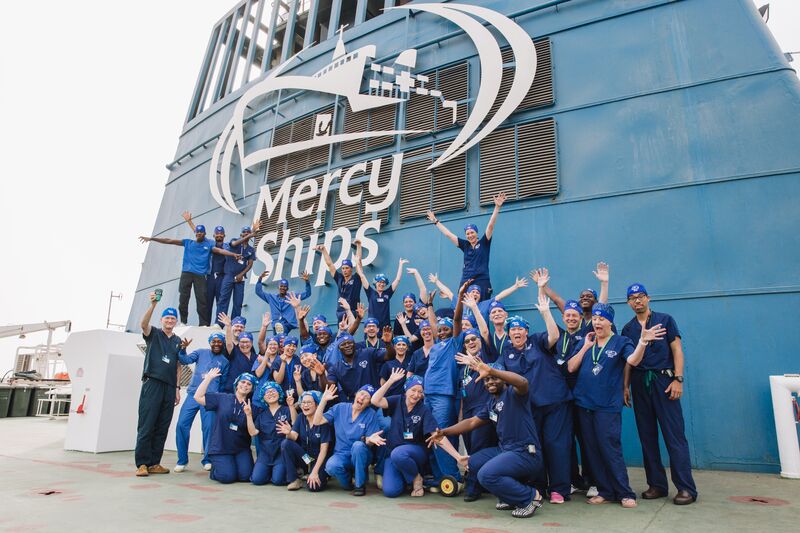
In today’s interconnected world, faith-based doctors and nurses are making a significant impact in global health missions. These healthcare professionals not only provide essential medical care but also serve a greater purpose by integrating spiritual support into their work. In regions with limited healthcare resources, Faith-based healthcare workers bridge the gap between physical health needs and emotional, mental, and spiritual care. Through both short-term medical missions and long-term service, they demonstrate the power of compassion and faith in healing.
This article will delve into the vital role of faith-based healthcare workers in global health missions, highlighting their contributions to improving healthcare in underserved regions. It will explore their motivations, rooted in faith, and how they incorporate their beliefs into their medical practice. Additionally, we will address the challenges they encounter in their work, including cultural barriers, limited resources, and the emotional toll of working in areas with significant health disparities.
Serving Through Medicine
For many faith-based healthcare workers, their role extends far beyond a mere job. It is a vocation, driven by a deep sense of calling. Medical missions offer them the unique opportunity to combine their professional skills with their faith, allowing them to minister to both the physical and spiritual needs of those they serve. If you feel that calling, explore the range of volunteer opportunities with Mercy Ships available to medical and non-medical professionals alike. By answering this call, faith-based healthcare workers are able to impact lives in ways that transcend traditional medicine, offering healing not just to the body, but also to the soul.
This integration of faith and medicine is at the heart of their work. For faith-based doctors and nurses, healthcare is not just about treating illnesses, but also about showing love and compassion.
Faith-based Healthcare Missions in Sub-Saharan Africa
Sub-Saharan Africa faces some of the most severe healthcare challenges globally, with widespread poverty and high disease burdens. According to the World Health Organization’s Global Health Observatory, the region has fewer than one physician per 1,000 people in many countries, making the work of volunteer medical teams critically important. Faith-based healthcare missions play a vital role in addressing these issues, as many areas lack adequate medical infrastructure. Faith-based doctors and nurses are often the first to provide essential medical care, treating diseases such as malaria, tuberculosis, and HIV/AIDS, which have devastating effects on local populations. To understand the full scale of what that service looks like on the ground, read about medical volunteer projects in Africa and the healthcare opportunities available through Mercy Ships. These healthcare professionals work tirelessly in clinics, remote villages, and mobile health units to deliver both preventive care and life-saving treatments.
In addition to medical care, faith-based healthcare workers offer much-needed spiritual support, recognising the deep connection between physical and emotional well-being. Through compassionate care and a strong sense of calling, these professionals help individuals and communities overcome not only physical ailments but also the emotional and psychological burdens that often accompany chronic illness. Their work reflects a commitment to holistic care, addressing both the medical and spiritual needs of those they serve.
The Calling to Medical Missions
The decision to pursue a career in global health missions is often deeply rooted in a sense of calling. For many Faith-based healthcare professionals, the desire to serve in regions with limited medical care is not a career choice but a divine vocation.
It is a chance to provide holistic care that addresses both the body and the soul. Through their work, Faith-based healthcare workers are able to share the message of hope and healing while meeting the immediate needs of the communities they serve. For Australian Christians asking what this calling looks like in practice, our article on finding your place on a faith-based medical mission trip to Africa is a natural next read. Their commitment is driven by a profound sense of purpose and faith.
Spiritual Care in Global Health Missions
Spiritual care is an integral aspect of faith-based healthcare missions, where Faith-based healthcare professionals view health as a holistic concept encompassing both the body and the spirit. While providing medical care, these professionals recognise that true healing goes beyond addressing physical symptoms. The emotional and spiritual needs of patients are just as important, and offering comfort and support through faith becomes a vital part of their work.
In many global health missions, faith-based doctors and nurses take time to pray with patients, offer words of encouragement, and provide pastoral care. For those drawn specifically to this dimension of service, Mercy Ships also provides dedicated chaplain and pastoral care volunteer assignments overseas on board the hospital ships. This compassionate approach fosters a sense of hope and peace, especially in areas where people face significant health challenges and limited access to care. By blending medical treatment with spiritual care, healthcare workers demonstrate their commitment to healing in a deeper, more meaningful way, reflecting their belief that both physical and spiritual health are essential to overall well-being.
The Role of Faith-Based Nurses in Medical Missions
Faith-based nurses play a vital role in medical missions, particularly in underserved regions where healthcare resources are scarce. Australian registered nurses considering this path can find a detailed guide to the process, qualifications, and experience required in our article on how to become an international medical volunteer nurse and travel abroad with Mercy Ships. They are often the frontline caregivers, providing direct medical attention, administering treatments, and assisting with basic healthcare needs. Their hands-on care is crucial in regions where doctors may not be as readily available, making them indispensable in delivering essential healthcare services.
Beyond physical care, faith-based nurses also provide emotional support to patients, offering comfort and compassion during times of uncertainty or pain. Their patient-centered approach not only addresses medical needs but also fosters trust and connection within communities. By integrating their faith into their practice, nurses in medical missions align their work with faith-based values, ensuring that their service extends beyond just healthcare but also to spiritual and emotional well-being. Read Australian nurse Ayla’s account of how volunteering as a nurse in Africa with Mercy Ships changed her life, a two-year journey in Sierra Leone that began with a single decision.
Medical Mission Volunteer Opportunities and Training
Medical mission volunteer opportunities are available through various organisations, providing both short-term and long-term mission work. For a comprehensive overview of the top medical mission and volunteer opportunities in Africa, including how to identify reputable and vetted programmes, Mercy Ships Australia has put together a practical guide. These opportunities allow healthcare professionals to serve in communities that are in dire need of medical assistance, particularly in developing countries. Australian healthcare professionals considering overseas service can also check their registration obligations with the Australian Health Practitioner Regulation Agency (AHPRA), which governs nursing and medical registration requirements for Australians working abroad. Whether it’s providing basic healthcare or offering more specialised treatment, volunteers have the chance to make a lasting impact. Many organisations partner with local communities to ensure that healthcare services are sustainable and culturally appropriate, allowing healthcare workers to offer meaningful assistance while engaging in cross-cultural experiences.
To better prepare healthcare professionals for these missions, medical ministry training is offered by numerous faith-based organisations. Mercy Ships Australia provides structured pre-departure training and onboarding support for all volunteers. The application process and what to expect when joining as a medical volunteer is clearly laid out on our How to Apply page. This training equips doctors, nurses, and other healthcare workers with the knowledge and skills necessary to navigate the challenges of working in resource-poor settings. Volunteers learn how to provide care with limited resources, address cultural sensitivities, and integrate faith-based principles into their practice, ensuring that they are fully prepared to serve with compassion and effectiveness.
Long-Term Medical Service in Developing Countries
Long-term medical service in developing countries is vital for fostering sustainable healthcare improvements. While short-term missions can offer immediate relief, it is the dedication of faith-based healthcare workers who commit to extended stays that truly makes a lasting impact. By remaining in these communities for extended periods, they build strong relationships with local populations, understanding their unique health needs and cultural contexts. This approach allows healthcare professionals to offer more comprehensive care and support over time, rather than just one-off interventions.
Moreover, faith-based healthcare workers involved in long-term service contribute significantly to local healthcare infrastructure by training and mentoring local providers. To understand how this community health model works across different African nations, read about how Mercy Ships engages families and communities in children’s health and the long-term ripple effect of that work. This helps create a self-sustaining healthcare model, where communities are equipped to manage their own health challenges in the future. Through ongoing education, skill development, and support, faith-based healthcare professionals empower local teams to continue providing quality care long after the initial mission team has left. This approach ensures the continued success and growth of healthcare systems in under-resourced areas.
Impact of Faith-Based Healthcare Workers on Global Health
The impact of faith-based healthcare workers in global health is profound and widespread.By offering medical care in underserved regions, they address urgent healthcare needs and improve access to vital services. The Lancet Commission on Global Surgery has documented that five billion people lack access to safe, timely, and affordable surgical care — the very gap that faith-based medical volunteers are helping to close one patient at a time. Their presence in developing countries helps reduce mortality rates, especially in areas affected by infectious diseases and lack of proper healthcare infrastructure. Faith-based healthcare workers also play a crucial role in promoting health education, empowering local communities with knowledge that can prevent disease and improve overall well-being. This commitment to sustainable impact is central to the Mercy Ships model, learn more about who Mercy Ships are and why they serve the world’s forgotten poor.
Beyond their technical skills, these professionals leave a lasting legacy of compassion and care. Their work extends beyond treating physical ailments; it touches the emotional and spiritual lives of the people they serve. Through acts of kindness, prayer, and support, they demonstrate the power of faith-based love and service. This holistic approach to healthcare not only transforms individuals but also fosters hope and resilience in communities facing challenges, creating lasting positive change in global health.
Final Thoughts …
Faith-based doctors and nurses working in global health missions play a crucial role in improving the lives of individuals in underserved communities. Their work goes beyond offering medical care; it embodies a ministry rooted in love, compassion, and faith.
The impact of these healthcare workers extends far beyond the clinic. Their commitment to both compassionate care and faith-based healthcare ethics ensures that their work addresses not only physical health but also the spiritual well-being of the individuals they serve. If this article has sparked something in you, the best next step is to explore volunteer roles on board Mercy Ships’ hospital ships and find the position that matches your skills and calling. This holistic approach is invaluable in the global health landscape, as it fosters a sense of hope and healing that transcends medical treatment, touching lives in a profound and lasting way. For those who cannot serve in person, supporting the Mercy Ships mission through a donation ensures that volunteer medical professionals can continue their vital work on the hospital ships.
FAQs
What is the core role of faith-based doctors and nurses in global health missions?
The core role is to provide compassionate, high-quality medical care to underserved communities while simultaneously ministering to the spiritual and emotional needs of the patients, integrating faith and healing in a holistic approach.
What qualifications are required for a registered nurse to join a faith-based overseas medical mission?
A registered nurse (RN) must typically have a valid licence, professional clinical experience (often one to three years, such as in A&E or primary care), and a strong commitment to the faith-based mission. Our full guide to becoming an international medical volunteer nurse and travelling abroad with Mercy Ships covers AHPRA registration requirements, the application process, and what to expect.
Can a newly qualified doctor or nurse volunteer for medical mission trips?
While some organisations may accept newly qualified practitioners for short-term support roles, most prefer professionals with established clinical experience to ensure they can confidently handle the challenges of resource-poor settings. For doctors specifically, our guide on how to become an overseas medical volunteer doctor and travel abroad with Mercy Ships explains the eligibility requirements and application pathway in full.
Do faith-based medical missionaries provide long-term or short-term service?
Both. Many professionals join short-term trips (one to four weeks), but there is a significant need for career, long-term missionary doctors and nurses who commit for several years to build sustainable local health systems.
Are there financial costs involved for faith-based healthcare professionals volunteering overseas?
Yes, most short-term volunteers are responsible for covering their own costs, including flights, insurance, vaccinations, and sometimes a programme fee. Long-term missionaries typically rely on raising personal financial support.
Can non-medical volunteers join Faith-based healthcare missions?
Yes, non-medical volunteers are crucial for administrative tasks, prayer support, logistical assistance, and non-clinical patient care, enabling the medical team to focus on treatment.
Is there a focus on training local healthcare workers in faith-based global health missions?
Absolutely. Sustainability is a key goal, so much of the work involves mentoring, teaching, and equipping national doctors, nurses, and community health workers to take long-term ownership of their health systems. To see how this plays out in practice, read about how Mercy Ships engages families and communities in children’s health and the lasting impact of that capacity-building work.
How important is language proficiency for faith-based medical missionaries?
It is highly valuable. While some missions provide translators, speaking the local language enhances trust, facilitates better diagnosis, and strengthens personal relationships in both medical and spiritual ministry.
What specialist medical skills are most in demand for overseas medical missions?
High-demand specialities often include general practice, obstetrics and gynaecology, paediatrics, general surgery, dentistry, and public health expertise.
How do medical mission teams ensure patient safety with limited resources?
Teams prioritise meticulous infection control, strictly adhere to established clinical protocols adapted for low-resource settings, and focus on fundamental, evidence-based care over advanced procedures.
Recent Comments