
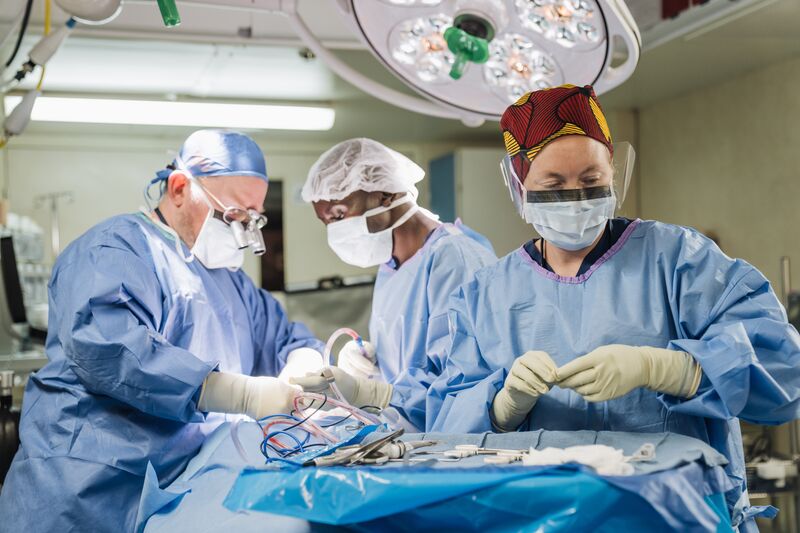
For an experienced Australian theatre nurse, the pull to do something bigger than the rostered week at a familiar hospital is hard to ignore. A scrub nurse volunteer abroad placement lets you put specialised perioperative skills to work somewhere a single safe operation can change a patient’s health, independence and future. Mercy Ships brings medical and non-medical volunteers together aboard hospital ships serving communities across sub-Saharan Africa, delivering surgical care while also backing local healthcare development.
For Australian nurses, this isn’t a gap-year adventure. A theatre nurse volunteering with Mercy Ships demands current clinical competence, genuine adaptability and respect for the host community. It’s hard work, and for the right nurse it can turn into one of the more meaningful chapters of a whole career.
What a Scrub Nurse Volunteer Abroad Role Involves
A good placement starts with a clear-eyed understanding of the job. The work centres on patients, clinical safety and teamwork, not on collecting an unusual travel story. Nurses who arrive with realistic expectations settle in faster, learn respectfully and represent their profession well.
Day to day, a scrub nurse on a hospital ship helps create a safe, organised, sterile environment for surgery. That covers preparing the theatre, checking instruments and equipment, maintaining the sterile field, anticipating the surgeon’s next move, completing surgical counts and documenting care accurately. Mercy Ships expects its operating theatre nurses to handle both scrub and circulating duties, plus theatre setup and postoperative cleaning.
None of this is just about working fast. A strong volunteer stays alert, communicates clearly and keeps a level head when a procedure changes course, which it sometimes will.
Why Mercy Ships Uses Hospital Ships in Africa
A hospital ship is a self-contained surgical facility that can dock in a port and connect with local patients, healthcare workers and partner organisations. Mercy Ships relies on volunteer crews to deliver free surgical care and related medical services across sub-Saharan Africa, and its stated purpose goes beyond direct treatment: it aims to strengthen the healthcare systems it works alongside.
For a Mercy Ships Africa volunteer, the ship doubles as a workplace and temporary home. Operating theatres, wards, support services and an international crew all sit under one roof, or rather one hull.
That setup lets an experienced surgical team volunteer abroad contribute inside an established clinical environment, rather than trying to deliver medical assistance in isolation. The ship supports coordinated patient screening, surgery, recovery and follow-up care as one connected process.
The Importance of Theatre Nurses in Humanitarian Surgery
Surgery is a team sport, and theatre nurses sit right at the centre of its safety and efficiency. Surgeons and anaesthetists can’t operate effectively without nurses who understand sterile technique, instrument management, patient positioning, surgical counts, documentation and clear communication.
In humanitarian nursing across Africa, solid theatre practice keeps patients moving safely through the surgical pathway. The role isn’t always visible from outside the theatre doors, but its fingerprints are on every well-run procedure.
A volunteer operating theatre nurse also earns their keep by spotting small problems before they turn into big ones. Noticing a missing item, questioning an unclear instruction or double-checking a patient detail can protect both the patient and the whole surgical team.
Who Can Apply from Australia
Qualified Australian registered nurses can apply for Mercy Ships nursing vacancies when they meet the requirements listed for that role. Applicants need to be clinically active and able to show suitable recent experience. Mercy Ships generally doesn’t offer student placements in hospital roles, because most clinical positions call for current registration and substantial postgraduate practice.
Wanting to help isn’t enough on its own. It needs to be backed by current competence, sound judgement and the ability to work safely with limited orientation, since supervision on board won’t mirror what you’re used to at home.
Anyone weighing up volunteer nursing opportunities in Africa should read the complete role description before applying, since different nursing positions carry different requirements, commitment lengths and clinical expectations.
Australian Registration and Professional Standing
Australian applicants need current nursing registration and a working knowledge of the standards attached to it. The Nursing and Midwifery Board of Australia sets registration requirements covering recency of practice, continuing professional development and professional indemnity arrangements.
Before applying, check your registration status, employment history, recent professional development and any conditions that might affect your ability to practise.
Holding Australian registration doesn’t automatically mean you’re accepted. Mercy Ships still assesses whether your qualifications, experience and current clinical practice line up with what the available theatre nursing position needs. For Australian nurses weighing up an application, it’s worth reading through the practical detail in this guide to nursing overseas before committing.
Theatre Experience Mercy Ships Looks For
The current operating theatre nurse role calls for recent theatre experience of at least two years full-time, or three years part-time, within the previous five years. Applicants also need to show they’ve worked in an operating theatre setting during the previous twelve months. Requirements shift over time, so always check the live vacancy before submitting an application.
A volunteer abroad scrub nurse placement is built for experienced practitioners, not nurses looking for their first taste of theatre work.
Recent practice matters because theatre nursing knowledge has to be backed by current technical ability. You need to be comfortable with surgical safety procedures, equipment preparation, documentation and communication in a live clinical setting, not just familiar with the theory.
Scrub and Circulating Capability
Mercy Ships currently requires its operating theatre nurses to scrub and circulate. Scrub work centres on the sterile field, instruments and direct support during surgery. Circulating work involves wider theatre coordination, documentation, equipment access and patient safety tasks outside the sterile field.
A nurse confident in both roles adapts more easily to changing lists and shifting team needs. Anyone with limited scrubbing experience may need extra supervised practice before they’re ready. Current role information points to a minimum of six months of scrub experience and at least one hundred and fifty scrubbed cases.
Australian nurses eyeing a future theatre nurse volunteer abroad position would do well to keep a clear record of scrubbed procedures, surgical specialties and circulating experience, since this detail is exactly what selection panels ask for. It’s also worth reading about the operating theatre technician role to see how nurses and technicians work together in theatre.
Surgical Specialties and Adaptable Practice
Theatre lists can span several surgical specialties, so flexibility matters for any surgical nurse volunteering with Mercy Ships. Role information points to experience in general surgery, reconstructive plastic surgery, women’s health, maxillofacial or ear, nose and throat surgery, and orthopaedics.
Equipment, team composition and case mix may all differ from an Australian workplace. Safe volunteering means knowing when to act, when to ask questions and when to call for support.
No nurse is expected to know every procedure on day one. Volunteers should still arrive with a solid clinical foundation and a genuine willingness to learn the ship’s specific systems, equipment and safety expectations.
Patient Safety and Sterile Practice
Patient safety is the foundation of every procedure, wherever it happens. A scrub nurse volunteer abroad still applies consistent infection prevention, aseptic technique, instrument accountability and clear communication. Familiar safety habits don’t get abandoned just because the setting has changed.
At the same time, volunteers need to learn local workflows and Mercy Ships procedures rather than assuming their Australian hospital’s method is the only right one. Respectful adaptation lets the team combine international experience with one shared standard of care. Mercy Ships lists knowledge of theatre procedures, standards and equipment as a core part of the role, echoed in its guide to ensuring safe surgery on board.
Patient dignity matters just as much. Patients may be anxious, unfamiliar with the ship environment or communicating through an interpreter. Calm, respectful nursing care can make a real difference to how safe the surgical experience feels.
Working with an International Surgical Team
Mercy Ships volunteers work alongside surgeons, anaesthetists, nurses, local day crew and other international team members. The organisation flags flexibility, professional communication and sensitivity to cultural and language differences as essential for theatre nurses.
Good teamwork also takes patience, careful listening and an awareness that people communicate differently depending on where they’re from.
Australian terminology, routines and workplace habits won’t always be familiar to colleagues from other countries. Volunteers need to communicate clearly rather than assuming their usual way of speaking or working is automatically understood by everyone else.
Life Aboard a Charity Hospital Ship
Living aboard a hospital ship is nothing like a hotel stay or independent travel. Volunteers often share cabins and communal areas, follow ship safety procedures and live within a close community drawn from dozens of nations. Mercy Ships expects applicants to be comfortable with shared spaces, roommates, curfews and a culturally diverse environment.
The ship functions as both a working hospital and a home. Privacy can be limited, but shared purpose tends to build strong connections between crew members quickly.
A charity hospital ship nursing role usually involves regular working hours, team meetings, community activities and time spent preparing for upcoming surgical lists. Volunteers need to balance those professional responsibilities against rest and their own wellbeing, something worth reading up on through this account of life at sea as a volunteer.
Emotional and Cultural Readiness
Clinical experience alone doesn’t guarantee someone will enjoy or thrive in humanitarian surgical work. Volunteers may face unfamiliar living conditions, emotionally difficult patient stories, disrupted routines and moments of feeling far from their usual support network.
Cultural humility isn’t optional here. Patients and local healthcare professionals are partners, not passive recipients of outside help. A successful volunteer listens, protects dignity and stays open to learning.
An international scrub nurse volunteer should also resist the urge to measure every experience against healthcare in Australia. Different resources and systems can call for different approaches while still holding to the same patient safety and professional standards.
Professional Growth for Australian Nurses
An overseas surgical nursing placement can sharpen adaptability, communication and leadership skills. Working with unfamiliar colleagues and limited resources tends to push nurses to look at their own usual practice more critically. Many return to Australia with a deeper appreciation for teamwork, resource management and culturally responsive care.
Mercy Ships Australia shares stories from Australian nurses who describe volunteering as personally and professionally significant. Every experience is different, but these accounts show how skilled service can broaden a nurse’s outlook while genuinely helping patients and surgical teams.
The experience can also renew a sense of purpose. In a busy Australian health service, theatre work can start to feel defined by rosters, paperwork and pressure. Serving as a perioperative nurse volunteer overseas reconnects those daily skills with their direct human value, and often prompts real reflection on practice once the volunteer is back home.
Costs and Practical Planning
Mercy Ships nursing positions are volunteer roles, not salaried overseas nursing jobs. Applicants should check the latest information on personal expenses, travel, insurance, crew-related costs and fundraising before committing to anything.
Australian nurses also need to arrange leave, plan for reduced income and keep covering ongoing expenses back home while away.
A realistic budget accounts for travel preparation as well as financial commitments that keep running during the placement. Some volunteers choose to fundraise or lean on their professional and personal networks for support.
Health, Travel and Required Documents
A Mercy Ships volunteer application can involve medical screening, immunisation requirements and a stack of supporting documents. Applicants should make sure their passport, professional records, certifications and personal health information are all current. The official role page points applicants to medical requirements and confirms that current Basic Life Support certification is required for operating theatre nurses.
Travel advice, vaccination guidance and insurance conditions change regularly, so check current official sources such as Smartraveller rather than relying on older information.
Copies of nursing registration, employment records, training certificates and professional references should be organised early. Getting these documents sorted before starting the application saves unnecessary delays later.
Preparing a Strong Mercy Ships Application
A strong application clearly shows how your recent practice matches the vacancy. Employment dates, theatre specialties, scrub and circulating competence, leadership responsibilities and current certifications should all be described accurately. Professional references should come from people who can speak confidently about your clinical safety, teamwork and reliability.
Applicants also need to show they’re ready for a multicultural shipboard environment. A strong profile demonstrates humility and realistic preparation, not a focus on travel or adventure.
The application statement should explain how your skills will support the surgical team. Concrete examples of adaptability, collaboration and safe decision-making make an application far more convincing than general claims.
What Happens After Applying
Mercy Ships reviews applications against role requirements and operational needs. The process can include requests for documents, interviews, medical information and further preparation once you’re accepted.
Submitting an application doesn’t guarantee a placement or a preferred start date. Stay flexible and avoid locking in non-refundable arrangements before you have official confirmation.
Accepted volunteers should read all preparation information carefully. There’s usually training to complete, travel to organise and arrival arrangements to sort out with Mercy Ships before joining the ship.
How Volunteering Supports Sustainable Care
The value of healthcare volunteering in Africa goes beyond a tally of procedures completed. Mercy Ships frames its work as combining surgical care with efforts to strengthen the healthcare systems it operates within.
For theatre nurses, a sustainable contribution includes respectful knowledge exchange and real collaboration with local colleagues. International volunteers add temporary capacity. They don’t replace local professionals.
A responsible NGO surgical team volunteer recognises that local healthcare workers understand their own communities, patients and health systems best. International volunteers do the most good when they listen carefully and work inside established partnerships, rather than trying to run the show.
Is a Mercy Ships Theatre Nurse Placement Right for You?
A suitable applicant is clinically experienced, dependable, flexible and genuinely willing to work as part of a mission-focused team. You’ll need to be comfortable taking direction, adapting to established procedures and serving patients from backgrounds different from your own.
The role can suit Australian perioperative nurses who want their skills to contribute directly to safe surgery, and who understand that humanitarian service takes preparation, discipline and humility. Reviewing the official operating theatre nurse requirements is the sensible next step, since role details and available placements change over time. Reading a broader guide to international volunteering can also help you weigh up whether the timing is right.
The right opportunity depends on both professional readiness and personal circumstances. Sometimes it’s smarter to gain more theatre experience, build scrub capability or complete further study before applying.
Before applying, talk openly with family, trusted colleagues and your employer about what the placement will actually demand. Practical support at home makes it easier to serve with focus and to come back to Australia with time to properly readjust. Being ready isn’t only about clinical skill. It’s also about having a stable foundation around the placement itself.
Final Thoughts …
Becoming a scrub nurse volunteer abroad with Mercy Ships gives experienced Australian theatre nurses a practical way to put highly specialised skills to work for patients and surgical teams in Africa. It isn’t an entry-level placement, a paid travel role or a simple change of scenery. It’s professional volunteering that demands current competence, cultural respect, resilience and genuine preparation.
For the right nurse, a theatre nurse Mercy Ships opportunity connects everyday perioperative expertise with a bigger humanitarian purpose. Safe instrument handling, accurate counts, careful documentation and calm teamwork might feel routine in an Australian theatre, yet aboard a hospital ship those same skills help make essential surgery possible for people who’d otherwise go without.
Australian nurses considering this path should start by reviewing current vacancies, checking their registration and recent experience, and being honest with themselves about their readiness for shipboard life. With the right preparation, an operating theatre volunteer role can become a genuine contribution to patient care, professional collaboration and the ongoing work of Mercy Ships across Africa.
FAQs
What qualifications do I need as an Australian nurse to volunteer on Mercy Ships?
You must hold a current registration as a Registered Nurse with the Australian Health Practitioner Regulation Agency (AHPRA). Operating theatre and scrub nurses typically require a minimum of two years of recent, full-time post-registration clinical experience in an acute perioperative or surgical setting.
Is my AHPRA nursing registration accepted for volunteering in Africa with Mercy Ships?
Yes, AHPRA registration is fully recognised by Mercy Ships Australia. You will need to provide proof of your current registration, a certificate of professional good standing, and your clinical background documentation during the application process.
Do I need an Australian passport to apply through Mercy Ships Australia?
You must hold a valid passport (Australian or international) with at least six months of validity remaining from your scheduled return date. Australian citizens applying through Mercy Ships Australia receive dedicated support regarding visa processing and pre-departure requirements.
Are volunteer positions with Mercy Ships paid or unpaid?
All volunteer positions, including specialized scrub sister and theatre nurse roles, are self-funded and unpaid. Volunteers contribute to their own room, board, and travel expenses, though many Australian nurses raise personal sponsorship to cover these costs.
Can I claim my travel or living expenses on my Australian tax return?
Personal volunteer expenses, such as flights and crew fees, are generally not tax-deductible under Australian Taxation Office (ATO) guidelines. However, direct financial donations made to Mercy Ships Australia (an ATO-endorsed Deductible Gift Recipient) by your supporters towards the charity’s programs are tax-deductible.
How long are the volunteer placements for theatre nurses in Africa?
Placement durations vary depending on ship scheduling and surgical field needs. Perioperative and scrub nurse commitments typically range from short-term service (four to eight weeks) up to full field service deployments lasting ten months.
What types of surgical procedures will I assist with in the operating theatre?
Scrub and theatre nurses assist international surgical teams with maxillo-facial, plastic reconstructive, paediatric orthopaedic, general, gynaecological (such as obstetric fistula repair), and ophthalmic surgeries.
Will my Australian continuous professional development (CPD) hours apply while volunteering abroad?
Yes, clinical nursing practice completed abroad can count towards your mandatory annual AHPRA Continuous Professional Development (CPD) requirements. You should maintain detailed logbooks and statements of service provided by the shipboard hospital administration.
How does an Australian registered nurse apply for a Mercy Ships placement?
You can start by submitting an online application via the official Mercy Ships Australia website. The process includes submitting your credentials, AHPRA proof, references, undergoing health screenings, and completing an interview.
Is there an age limit for Australian healthcare workers volunteering overseas?
There is no upper age limit for volunteering, provided you meet the required physical and medical fitness standards needed for living and working aboard a hospital ship in a tropical environment.
What vaccinations are required for Australian nurses travelling to Africa with Mercy Ships?
You must meet international health requirements, which typically include Yellow Fever, Hepatitis A and B, Typhoid, Tetanus, and routine childhood immunisations. Malaria prophylaxis is also mandatory while serving in coastal West and Central Africa.
Can I take leave from my Australian hospital job to volunteer abroad?
Many Australian public and private hospital networks offer leave without pay, career breaks, or dedicated humanitarian service leave for nurses. You should discuss career break policies with your local hospital health service or HR team well in advance.
What safety measures are in place for volunteers on the hospital ships?
Mercy Ships operates modern, state-of-the-art vessel facilities equipped with round-the-clock security, strict infection control protocols, emergency evacuation plans, and comprehensive shipboard medical services for all volunteer crew members.
Do I need specialised travel insurance from Australia?
Yes, all Australian volunteers must hold comprehensive travel and emergency medical evacuation insurance for the full duration of their overseas travel and service commitment.
What is the difference between a theatre nurse and a scrub nurse on board?
In Australian perioperative practice and on the ship, a scrub nurse works directly within the sterile field assisting the surgeon, whereas a circulating or theatre nurse manages overall operating room care, patient safety, and equipment outside the sterile boundary.
Which Mercy Ships vessels operate in Africa?
Mercy Ships currently operates purpose-built hospital ships, including the *Global Mercy* and the *Africa Mercy*, which travel to invited partner port nations across Africa to deliver free surgical care and healthcare training.
Will I receive orientation before starting work in the operating theatre?
Yes, all volunteers undergo an extensive onboard orientation program covering maritime safety, shipboard life, cross-cultural communication, and specific hospital policies before commencing duties in the operating theatre.
Can newly graduated Australian nurses apply for scrub nurse roles?
Newly qualified nurses generally cannot step directly into independent surgical roles. Mercy Ships requires a minimum of two years of recent post-graduate acute perioperative experience to ensure patient safety in complex surgical cases.
How are language barriers handled in the operating theatre in Africa?
Mercy Ships hires local day-workers from the host nation who serve as translators, hospital crew, and cultural guides, ensuring seamless communication between international surgical staff and patients.
Is accommodation provided for volunteers on the ship?
Yes, community living accommodation is provided on board. Volunteers live in shared cabins with fellow international crew members, and meals are served in the ship’s communal dining hall.
How does volunteering with Mercy Ships benefit an Australian nursing career?
Volunteering exposes nurses to rare pathologies, high-volume surgical workflows, global health challenges, and multi-cultural teamwork, significantly enhancing clinical versatility and leadership skills upon returning to Australia.
Can I volunteer with my partner or family?
Family accommodations are limited and generally reserved for long-term crew members staying a year or longer. Short-term placements for perioperative nurses usually accommodate individual volunteers in shared cabin spaces.
What working hours do theatre nurses typically do on board?
Theatre nurses generally work full-time day shifts during scheduled surgical days, with an on-call rotation system for emergency or post-operative surgical cases as required by the hospital schedule.
How does Mercy Ships Australia support volunteers prior to departure?
Mercy Ships Australia provides dedicated national support staff based in Queensland to assist applicants through credentialing, reference gathering, application steps, fundraising strategies, and pre-departure preparation.
Recent Comments