
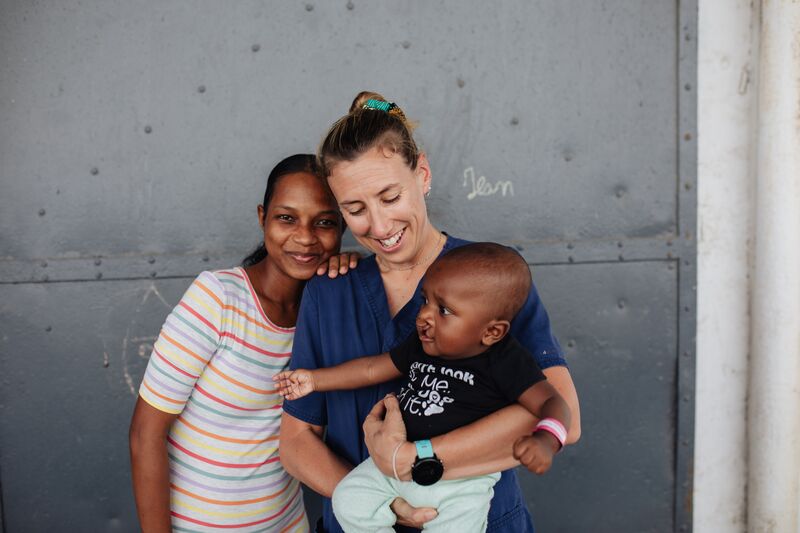
Malnutrition remains a critical health challenge in West Africa, where millions of children and adults are severely affected by inadequate nutrition. In many regions, access to proper food, healthcare, and education is limited, leaving communities vulnerable to various malnutrition-related diseases. Mercy Ships, a global humanitarian organisation, has stepped in to provide life-saving medical care through its charity medical ships. These floating hospitals deliver essential surgical care, paediatric nutrition programmes, and treatment for malnutrition in some of the most remote villages in the region.
By addressing the root causes of malnutrition, Mercy Ships is not only saving lives but also improving the long-term health outcomes of affected communities. Their holistic approach includes offering medical outreach, training local healthcare workers, and creating sustainable health solutions that will continue benefiting communities long after the ships leave. Through this initiative, Mercy Ships is making a real difference, fostering healthier, stronger communities across West Africa.
The Importance of Nutrition in West Africa
West Africa faces significant health challenges due to widespread malnutrition, which affects both children and adults. In many rural communities, access to essential nutrition is limited, leading to conditions like stunting, wasting, and various micronutrient deficiencies. These issues have far-reaching consequences, including impaired growth, increased vulnerability to disease, and a higher risk of mortality. Children, in particular, suffer from the long-term effects of inadequate nutrition, which can impact their physical and cognitive development.
Mercy Ships plays a vital role in addressing these issues by providing clinical nutrition services to those in need. Through their medical outreach, the organisation focuses on treating children suffering from severe malnutrition while also addressing the underlying causes. By offering nutritional rehabilitation, education, and long-term solutions, Mercy Ships works towards improving health outcomes in West Africa. These efforts are crucial in building a healthier future for communities affected by malnutrition, offering hope for better health and well-being.
Mercy Ships’ Holistic Approach to Tackling Malnutrition
Mercy Ships’ approach to tackling malnutrition in West Africa is both comprehensive and compassionate. The organisation understands that malnutrition is not only a matter of food scarcity but is often compounded by underlying medical conditions. Many children suffering from severe acute malnutrition also face health issues such as hernias or cleft lips, which prevent them from absorbing nutrients properly. By integrating surgical care and nutrition services, Mercy Ships provides a full spectrum of care that addresses the root causes of malnutrition, allowing patients to regain their health and improve their quality of life.
This holistic care approach is vital for achieving long-term results. Instead of just providing nutritional rehabilitation, Mercy Ships offers life-saving surgery alongside nutritional support. This integration ensures that patients receive a complete treatment plan that restores both their health and dignity. By combining medical expertise and nutritional education, Mercy Ships fosters sustainable recovery and contributes to healthier communities in the regions they serve.
Paediatric Nutrition Programs: A Focus on Children’s Health
Children in West Africa face significant risks from malnutrition, which can stunt growth, impair cognitive development, and lead to a range of health complications. Mercy Ships’ paediatric nutrition programs are dedicated to addressing these issues through comprehensive care. By providing essential nutritional supplements and medical treatment, these programs ensure children receive the proper nourishment required for healthy development. This approach helps to restore children’s health, giving them the foundation for a brighter future.
In addition to direct care, Mercy Ships also focuses on education, teaching communities about the importance of balanced diets and proper child care. This education is crucial in preventing malnutrition from recurring. By working with local healthcare providers and families, Mercy Ships ensures that children continue to receive the nutrition they need long after the ships have left. This focus on long-term health is vital in the fight to reduce infant mortality and support healthier communities in West Africa.
The Role of Surgical Care in Nutrition
Surgical care is an essential part of Mercy Ships’ efforts to combat malnutrition in West Africa. Many children suffering from severe malnutrition also experience medical conditions, such as hernias, cleft lips, and other complications, which significantly impact their health and ability to recover. These conditions often require surgical intervention to improve the child’s overall well-being and ability to absorb essential nutrients. Without surgical care, malnutrition treatments may not be as effective.
By providing critical surgical services, Mercy Ships not only addresses malnutrition directly but also helps children regain their strength and health. Surgeries like hernia repairs and cleft lip operations ensure that children can eat properly and are no longer hindered by physical health issues. This holistic approach to nutrition and healthcare enables Mercy Ships to make a lasting impact on the health of children in West Africa, helping to create sustainable improvements in both health and nutrition for the long term.
Micronutrient Deficiencies and How Mercy Ships Addresses Them
Micronutrient deficiencies, including the lack of vitamin A, iron, and iodine, are widespread in regions affected by malnutrition, particularly in West Africa. These deficiencies can cause severe health complications such as blindness, anaemia, and a weakened immune system, leaving individuals vulnerable to infections and other health issues. In many remote areas, access to sufficient, nutrient-rich food is limited, exacerbating the problem.
Mercy Ships plays a vital role in addressing these deficiencies through the provision of targeted nutritional supplements. By offering these essential nutrients, Mercy Ships helps combat the effects of malnutrition and prevent long-term health issues. Additionally, Mercy Ships focuses on community health education, raising awareness about the importance of a balanced diet and better nutrition practices. This approach, coupled with the services provided at Mercy Ships’ nutritional rehabilitation centres, aids in restoring health and ensuring that affected communities can lead healthier lives with improved access to proper nutrition.
Preventing Malnutrition Through Community-Based Health Education
One of the most effective ways Mercy Ships tackles malnutrition is by focusing on community-based health education. Through close collaboration with local communities, Mercy Ships helps raise awareness about the critical importance of proper nutrition and hygiene. In areas where information is often scarce, this education serves as a vital tool in preventing malnutrition, equipping families with the knowledge they need to make informed decisions about their diet and overall health.
Mercy Ships’ health education efforts are particularly impactful in rural West African villages, where access to nutritional information and healthcare resources is limited. By providing education on topics such as balanced diets, safe food preparation, and the importance of clean water, Mercy Ships empowers communities to adopt healthier practices. This proactive approach not only helps prevent malnutrition but also fosters long-term improvements in public health, ensuring that individuals can sustain healthier lifestyles even after Mercy Ships’ outreach programmes conclude.
Mercy Ships’ Volunteer Medical Missions and Their Impact
Mercy Ships relies heavily on the dedication of volunteer medical missions to support its work in West Africa. Surgeons, nurses, and nutritionists from across the globe offer their time, skills, and expertise to provide critical medical and nutrition services to communities in need. These volunteers are integral to the organisation’s mission, ensuring that patients receive the necessary care and treatment, including life-saving surgeries and nutritional rehabilitation.
In addition to delivering direct care, Mercy Ships volunteers play a key role in capacity building in healthcare by training local health workers. This ensures that the healthcare improvements made during the mission have a lasting impact, as trained staff can continue providing essential services once the volunteer teams return home. For Australia, this model demonstrates the importance of collaborative healthcare and offers a way for Australian professionals to engage in meaningful medical charity partnerships. Through this global collaboration, local healthcare systems in West Africa are strengthened, improving long-term health outcomes.
Building Sustainable Healthcare Solutions in West Africa
Food sustainability and security is central to Mercy Ships’ work in West Africa. The organisation’s approach goes beyond immediate medical intervention; it focuses on creating long-term healthcare solutions. By strengthening local healthcare systems, Mercy Ships ensures that communities continue to receive essential services even after the ship has left. This focus on sustainable healthcare helps communities improve their overall health outcomes and fosters independence in managing their health.
A significant part of this effort is capacity building. Mercy Ships trains local healthcare professionals, equipping them with the skills needed in clinical nutrition, surgical care, and patient management. This training helps build a sustainable workforce that can continue to address the healthcare needs of the community. The knowledge transfer provided by Mercy Ships enhances the healthcare infrastructure, empowering local workers to tackle challenges such as malnutrition and disease independently. Through these efforts, Mercy Ships contributes to the lasting improvement of healthcare standards across West Africa.
Mercy Ships and Its Contribution to Global Health Initiatives
Mercy Ships plays a significant role in global health initiatives, particularly in Africa, where it addresses critical issues like malnutrition, hunger, and disease. The organisation’s work in West Africa contributes directly to the achievement of the sustainable development goals related to health. By offering medical care, nutrition programs and agricultural program initiatives, Mercy Ships is improving the overall well-being of vulnerable populations in regions with limited access to healthcare. Its efforts are vital in alleviating some of the most pressing health challenges faced by communities in West Africa.
The organisation’s focus on tackling malnutrition and providing surgical care aligns with global health strategies to reduce health inequities in developing nations. Mercy Ships provides essential healthcare through its medical ships, which deliver life-saving treatment and education to remote areas. Australians can support these global efforts through donations and partnerships, helping to further the mission of Mercy Ships and contribute to improving health outcomes in West Africa and beyond.
The Role of Australia in Supporting Mercy Ships’ Mission
Australia has long been an advocate for global health initiatives, and its support for organisations like Mercy Ships is invaluable in addressing critical issues such as malnutrition in West Africa. Australian individuals and organisations contribute through direct donations to African medical charities, helping fund Mercy Ships’ missions and the vital medical care it provides to those in need. These contributions play a significant role in sustaining Mercy Ships’ work in remote villages across West Africa.
Additionally, Australians can support Mercy Ships by participating in volunteer opportunities, offering their expertise and time to help improve healthcare in developing countries. Volunteers, including healthcare professionals, bring their skills to the field, assisting with surgical care, nutrition programmes, and healthcare training. Moreover, advocacy for the importance of addressing malnutrition and other health issues in West Africa is critical. Australians can help raise awareness about the ongoing need for international collaboration to combat malnutrition and improve health outcomes in the region.
The Importance of Access to Clean Water and Nutrition
Access to clean water is a fundamental aspect of improving health, and Mercy Ships has long recognised its importance in tackling malnutrition. In many West African villages, unsafe water sources contribute to the spread of waterborne diseases such as cholera and diarrhoea, which in turn exacerbate malnutrition. When communities lack access to clean drinking water, children and adults become more susceptible to illness, leading to weakened immune systems and further health complications.
Mercy Ships addresses this critical issue by providing water filtration systems and promoting better sanitation practices. By ensuring access to safe water, Mercy Ships helps reduce the risk of waterborne diseases, allowing individuals to better absorb nutrients and maintain overall health. This comprehensive approach to health and nutrition strengthens local communities, providing them with the necessary tools to improve their well-being. Through these efforts, Mercy Ships is not only tackling malnutrition but also contributing to healthier, more resilient communities in West Africa.
Mercy Ships: Transforming Lives Through Health and Nutrition
Mercy Ships has made a significant difference in West Africa through its holistic health interventions. By providing medical outreach and nutrition programmes, the organisation has helped countless individuals overcome malnutrition and access essential healthcare. Through the efforts of volunteer medical teams, Mercy Ships has been able to address urgent health needs in some of the most remote areas, bringing hope and improving quality of life to those in need.
The impact of Mercy Ships is not just about providing immediate care; it is about creating sustainable solutions. The organisation’s long-term approach, which includes community health education and training local healthcare workers, has empowered individuals and communities to take charge of their health. This holistic model ensures that Mercy Ships’ impact is lasting and far-reaching, offering a brighter future for those facing malnutrition and poor health in West Africa. Australians can also contribute to these efforts by supporting global health initiatives that align with Mercy Ships’ mission.
Final Thoughts …
Mercy Ships play a vital role in tackling malnutrition in West Africa by providing essential nutrition, surgical care, and education to some of the most vulnerable communities. Through its charitable healthcare delivery, the organisation creates a lasting impact on individuals and families, particularly children, helping them recover from malnutrition and related health issues. This holistic approach ensures that the benefits extend beyond immediate care, offering the foundation for long-term health improvements.
Australia’s continued support for global health initiatives is essential, and organisations like Mercy Ships are leading the charge in addressing food insecurity and improving public health in developing nations. By focusing on sustainable health solutions and community health education, Mercy Ships is contributing to a healthier and more resilient future for West Africa. With ongoing efforts from Australian charities and institutions, the fight against malnutrition and health inequities in regions like West Africa can progress toward lasting change.
FAQs
What is the primary cause of malnutrition in West African villages?
Malnutrition is often driven by food insecurity, limited access to clean water, and a lack of education about balanced diets. Subsistence farming, poor soil quality, and seasonal droughts reduce access to essential micronutrients.
How does Mercy Ships help children suffering from malnutrition?
Mercy Ships runs paediatric nutrition programmes that stabilise underweight children before surgery. Through therapeutic feeding and parental education, children are strengthened to safely undergo and recover from medical procedures.
Why is nutrition a focus for a surgical charity like Mercy Ships?
Surgery requires the body to heal effectively. Children with severe malnutrition or anaemia face higher surgical risks, so nutritional rehabilitation is often a critical first step in treatment.
What are the symptoms of severe acute malnutrition in children?
Symptoms include visible wasting, swelling of the limbs known as oedema, weakened immunity, brittle hair, lethargy, and delayed development, often requiring urgent medical intervention.
What is the Infant Feeding Programme?
This onboard initiative supports infants with conditions such as cleft lip or palate who struggle to nurse. It provides feeding tools, guidance, and nutritional support to help babies gain weight safely.
How can I support Mercy Ships from Australia?
Support can be given through donations to Mercy Ships Australia, volunteering for missions, or participating in fundraising activities that directly fund surgical and nutritional programmes.
Do the hospital ships provide long-term health solutions?
Yes, capacity building is central to the mission. Local surgeons, nurses, and anaesthetists receive training and mentoring to strengthen healthcare systems beyond the ship’s stay.
What is stunting and how does it affect African children?
Stunting is impaired growth caused by chronic undernutrition and repeated infections. It can result in permanent physical and cognitive damage if not addressed early.
How does Mercy Ships identify villages in need of help?
The organisation partners with ministries of health and local organisations to identify areas with significant surgical backlogs and nutritional needs.
Are the medical services provided by Mercy Ships free of charge?
Yes, all surgeries, consultations, and nutrition services provided onboard are offered completely free to patients and their families.
What kind of surgeries does Mercy Ships perform?
Procedures include paediatric orthopaedics, reconstructive plastic surgery, cataract removal, and treatment of benign tumours.
How does anaemia impact healthcare in West African villages?
Anaemia, often linked to poor diet and malaria, causes severe fatigue and increases the risk of complications during childbirth and surgery, making prevention a priority.
What is the Global Mercy ship?
The Global Mercy is the largest purpose-built civilian hospital ship, equipped with advanced operating theatres, laboratories, and dedicated training facilities.
Why is community health education important for preventing malnutrition?
Education equips families with knowledge about hygiene, breastfeeding, and nutrient-rich local foods, helping prevent malnutrition through practical daily practices.
How long does a Mercy Ship stay in one country?
Ships typically remain in a host nation for around ten months, allowing time for surgeries, follow-up care, and healthcare training.
Can non-medical volunteers from Australia join the ship?
Yes, alongside medical professionals, volunteers such as engineers, teachers, cooks, and IT specialists are essential to ship operations.
What is the connection between cleft lip surgery and nutrition?
Children with untreated cleft conditions often struggle to feed properly. Corrective surgery allows normal feeding, which is vital for growth and survival.
How does Mercy Ships handle medical waste sustainably?
Hospital ships use advanced waste treatment systems that convert medical waste into sanitised material, maintaining environmental standards while in port.
What are the main challenges of delivering healthcare in rural West Africa?
Challenges include limited infrastructure, unreliable electricity, and shortages of trained professionals. Hospital ships address these by bringing a fully equipped medical facility to coastal regions.
How does the organisation ensure health equity in its missions?
By providing free, high-quality surgical and nutritional care, Mercy Ships helps ensure access to treatment is not determined by income or location.
Is Mercy Ships an Australian charity?
Mercy Ships is an international organisation with a registered Australian office that supports missions through fundraising and volunteer recruitment.
What are micronutrient deficiencies?
Micronutrient deficiencies, sometimes called hidden hunger, occur when diets lack essential vitamins and minerals such as iron, iodine, or Vitamin A, leading to serious health consequences.
How does training local health workers create a lasting impact?
By mentoring and upskilling local professionals, Mercy Ships strengthens national healthcare systems so improved surgical and nutritional care continues long after each mission.
Recent Comments