
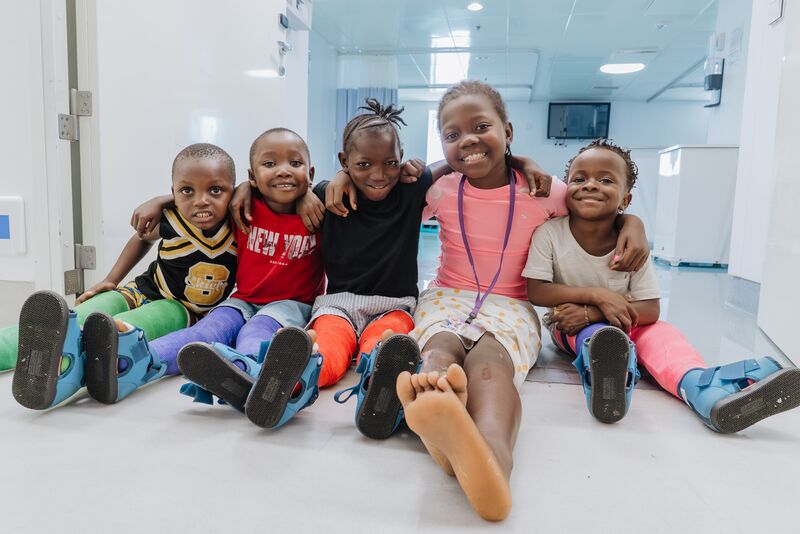
A child with a hernia, a clubfoot or a blocked bowel needs three things: a surgeon, an anaesthetist and a clean, well-equipped operating theatre. Most Australian families can count on all three. For millions of children in Africa, none of them are within reach. A condition that takes an hour to fix in Melbourne can leave a child disabled, or dead, when no one nearby can operate.
World Children’s Day, held every year on 20 November, is the right moment to treat safe paediatric surgery as a rights issue as well as a medical one. A child’s postcode, family income or country of birth should not decide whether they get the treatment they need.
What Is World Children’s Day 2026 and Why Does It Matter?
World Children’s Day marks the day in 1989 when the United Nations adopted the Convention on the Rights of the Child. It’s a day to take stock of how children are faring on education, protection, equality and health, particularly those in disadvantaged communities.
Why Access to Safe Surgery Is Every Child’s Right
Some children need surgery to survive. Others need it to walk, eat, breathe or see properly as they grow. When the operation is available and done safely, many of these children recover fully. When it isn’t, the delay can bring complications, permanent disability or death.
The principle is simple. No child should suffer avoidable harm because the right service doesn’t exist nearby or can’t be reached.
That doesn’t mean every child with a health problem needs an operation. Many conditions respond to observation, medication or other treatment. The right to safe surgery means every child gets a proper assessment from qualified clinicians and, when surgery is the best option, can have it without unreasonable delay.
Children’s Right to Health Under the UN Convention
Article 24 of the Convention on the Rights of the Child recognises every child’s right to the highest attainable standard of health and to facilities for treating illness and rehabilitation. It also calls on governments to reduce child mortality. Australia ratified the Convention in 1990.
The Convention doesn’t guarantee any particular operation. What it does is set a standard: healthcare for children should be accessible, appropriate, non-discriminatory and guided by the child’s best interests. For a child who needs surgery, that means fair assessment, safe treatment and follow-up care that supports recovery.
What Safe Surgery for Children Actually Involves
The operation is only one part. Safe surgery starts with an accurate diagnosis and runs through anaesthesia, infection control, monitoring and recovery. If any link in that chain is weak, the whole thing becomes risky.
Children aren’t small adults. Their bodies are still developing, and doses, equipment and techniques all have to suit their age, weight and stage of growth. Paediatric surgical teams train specifically for this.
Communication matters just as much. Parents and carers need plain explanations of the options, the risks, what recovery looks like and what to watch for at home. In Australia, specialist children’s hospitals build this into every stage of care, from the first consultation to discharge.
The Global Challenge of Children’s Surgery Access
Surgical care is far from evenly spread. The Lancet Commission on Global Surgery estimated that around five billion people worldwide can’t get safe, affordable surgery when they need it, and children carry a large share of that burden. The global surgery gap shows up in the same few ways: too few trained paediatric surgeons, too few functioning operating theatres, limited anaesthesia services and little diagnostic equipment.
Short-term fixes only go so far. A visiting team can operate on dozens of children in a week, but lasting change comes from training local surgeons, anaesthetists and nurses, repairing facilities and strengthening referral pathways so children reach care sooner. Global child surgical equity depends on that kind of long-term investment.
Why Some Children Still Miss Out on Life-Saving Surgery
Even when a hospital exists, a child can still miss out. The barriers tend to stack up.
Cost is the first. Free or subsidised treatment still leaves families paying for transport, accommodation, food and lost wages. For a family living day to day, a week away from work can be impossible. The economic impact of free surgery goes well beyond the patient, because a parent freed from caring for a sick child can return to work and the child can return to school.
Distance is the second. Specialist hospitals are usually in major cities, and families may travel for hours or days for a consultation, an operation and each follow-up.
Delayed diagnosis, limited health information, workforce shortages and language or cultural differences add to the problem. Fixing it means building services around how families actually live, not just adding operating capacity.
The Importance of Early Diagnosis and Timely Surgical Treatment
Catching a problem early gives doctors more options and the child a better chance of recovery. Some surgical conditions develop slowly. Others, like a twisted bowel or a ruptured appendix, turn urgent within hours.
A baby born with a congenital condition may need early specialist assessment to decide whether surgery is needed and when. A child with severe abdominal pain, a serious injury or certain infections needs fast investigation so complications aren’t missed.
Timely doesn’t always mean immediate. Surgeons weigh a child’s overall health and the risks and benefits before recommending an operation. In Australia, GPs, paediatricians and emergency departments make the first calls. Overseas, the steps between screening and the operating theatre often decide who gets treated and who doesn’t.
Common Childhood Conditions That May Require Surgery
Children need surgery for a range of reasons: conditions present at birth, injuries, infections and disorders that affect normal development.
Congenital conditions can involve the digestive system, heart or other organs. Appendicitis is a common surgical emergency in school-aged children. Hernias, some broken bones and certain ear, nose and throat conditions can also call for an operation.
A diagnosis doesn’t automatically mean an operation, though. Many conditions are treated with observation or medicine. If your child has unusual or persistent symptoms, see your GP rather than waiting to see if they pass. Common childhood illnesses rarely need surgery, and a quick check usually settles the worry either way.
Why Safe Anaesthesia Is Essential for Children’s Surgery
Anaesthesia controls pain and keeps a child still and stable during an operation. Children need particular care because their airways, circulation and responses to medicines differ from an adult’s.
Safe anaesthesia for children relies on a careful pre-operative assessment, correctly calculated doses, proper monitoring equipment and a trained clinician watching the child from start to finish, including in recovery. Paediatric anaesthetists tailor each plan to the child’s age, weight, medical history and the complexity of the surgery.
Every anaesthetic carries some risk, but planning, expertise and established safety protocols keep that risk low. In low-resource settings, training is what makes the difference, which is why paediatric anaesthesia training is such a focus of global surgery work. Paediatric anaesthetic safety has to be in place before more operations can safely go ahead.
The Role of Paediatric Surgeons and Specialist Healthcare Teams
No surgeon works alone. Paediatric surgeons assess conditions and operate. Anaesthetists manage pain and monitor vital signs. Nurses prepare children for theatre and look after them afterwards. Paediatricians, physiotherapists, pharmacists and allied health staff join in depending on the case.
How Safe Surgery Can Help Reduce Preventable Child Mortality
Surgery saves lives when it reaches children in time. Serious injuries, untreated surgical emergencies and some congenital conditions can kill without intervention. A ruptured appendix or an intestinal obstruction, for example, can become life-threatening within a day or two.
Reducing child mortality through surgery depends on a chain of things working together: early diagnosis, safe anaesthesia, trained teams, infection prevention and good post-operative care. Having an operating theatre isn’t enough on its own. Outcomes depend on the child’s condition and the quality of care before and after the operation, which is why preventable child mortality programs work best as part of a whole health system rather than as stand-alone surgical drives.
The Importance of Strong Paediatric Surgical Infrastructure
Safe paediatric surgery needs dependable infrastructure behind it. That means working operating theatres, sterilisation facilities, diagnostic imaging, a steady supply of medicines and systems for monitoring patients. Many children also need intensive care, blood transfusion and specialist nursing.
A hospital with a new operating theatre but no reliable sterilisation or equipment maintenance can put children at risk. Paediatric surgical capacity building in low-resource settings therefore tends to focus on the basics: repairing and maintaining equipment, training local staff, controlling infection and strengthening referral networks between clinics and hospitals.
The Role of Charities in Making Safe Surgery More Accessible
Charities fill gaps that governments and health systems can’t close quickly. Depending on their focus, they may fund surgical equipment, train local clinicians, help families with transport, support research or build health infrastructure.
Mercy Ships Australia is one example of how this works in practice. Mercy Ships runs hospital ships that bring free surgery to people in Africa, and combines that with training so local health workers can keep building their skills.
Good charities are open about where money goes and what it achieves. They measure results, report them publicly and plan for the long term. The goal isn’t to count operations. It’s to help build safe, reliable systems of care that outlast any one visit.
How Donations Can Transform a Child’s Future
A donation to the right program can change what a child’s life looks like. Money can pay for medical equipment, clinical training or the practical costs that stop a family reaching a hospital.
Think of a child whose untreated condition keeps them out of school and away from other kids. After successful surgery and rehabilitation, that child may be able to learn, play and take part in family life. Outcomes can’t be guaranteed in any individual case, but timely, safe treatment opens doors that would otherwise stay shut.
If you want to see where a gift to children’s surgery goes, how to support children’s surgery in Africa explains it in plain terms.
How Australians Can Support Children’s Surgical Health Rights
You don’t need to be a doctor to help. Here are the practical options:
Donate to a reputable charity working in children’s health or surgical capacity building. Workplaces can set up giving or matched-giving programs. Teachers and parents can talk with children about their right to health in age-appropriate ways. Health professionals can volunteer, teach or join partnerships that build local skills. Anyone can share reliable information to keep the issue in front of friends, colleagues and local representatives.
Advocacy lasts longer than a single awareness day when it becomes a habit. Regular giving, a standing workplace program or an annual volunteering commitment does more than one-off gestures.
Final Thoughts …
Safe surgery is part of the right to health, and for a child with a serious injury, a congenital condition or a surgical emergency, it can be the difference between recovery and lasting harm.
Australians can help close that gap through clinical expertise, advocacy and well-chosen giving. This World Children’s Day, pick one concrete step. Check any charity you’re considering on the Australian Charities and Not-for-profits Commission register, then set up a regular donation, ask your workplace about a giving program, or share this article with someone who might act on it.
FAQs
What is World Children’s Day 2026 and why does it focus on safe surgery?
World Children’s Day 2026 highlights the UN Convention on the Rights of the Child, focusing heavily on universal health equity and why timely access to safe paediatric surgery and safe anaesthesia is a fundamental right for every child, reducing preventable child mortality worldwide.
How does Australia contribute to global paediatric surgical care for children in developing nations?
Australian medical non-profits, specialist surgical teams, and volunteer organisations like Mercy Ships actively deploy expert paediatric surgeons, nurses, and biomedical engineers to provide free operations and surgical capacity-building in resource-limited regions.
What are the key child health rights protected under Australian and international frameworks?
The United Nations Convention on the Rights of the Child guarantees every minor the highest attainable standard of health, encompassing equitable access to essential medical treatments, emergency paediatric surgery, and safe hospital environments.
Why is specialised paediatric anaesthesia critical for children undergoing surgical procedures?
Paediatric anaesthesia requires dedicated equipment, physiological monitoring, and specialised training tailored to infants and children, ensuring minimal operative risks and supporting safe recovery during complex surgical interventions.
How do Australian healthcare standards ensure safety during paediatric operations?
Australian hospitals and clinical governance frameworks enforce rigorous safety standards, including pre-operative assessments, specialised paediatric nursing staff, and strict sterilisation protocols to safeguard young patients.
What role do Australian medical volunteers play in international child surgical missions?
Australian doctors, anaesthetists, and theatre nurses frequently volunteer aboard hospital ships or partner with overseas medical facilities to perform life-changing operations for congenital anomalies and treat conditions like cataracts in children.
How does lack of access to safe surgery impact childhood mortality rates globally?
Millions of children in developing regions suffer or face preventable mortality due to untreated surgical conditions such as hernias, congenital abnormalities, and traumatic injuries caused by a severe shortage of surgical infrastructure.
Are there Australian-backed training programs for overseas paediatric surgeons and nurses?
Yes, Australian medical colleges and humanitarian health organisations conduct clinical mentoring, skills workshops, and capacity-building programmes to empower local healthcare professionals in developing countries to perform safe surgeries independently.
What is the significance of the year 2026 for global child health initiatives?
World Children’s Day 2026 serves as a major milestone for international health bodies and Australian advocacy groups to review progress toward universal health coverage and renew commitments to eliminating disparities in child surgical care.
How do Australian donors support surgical missions for children in need?
Through regular donations, corporate partnerships, and fundraising campaigns for humanitarian healthcare charities, Australian supporters fund essential medical consumables, ship-board hospital maintenance, and surgical equipment.
What types of surgical procedures are most urgently needed for children in remote or developing regions?
Urgent interventions frequently include treatment for congenital heart defects, cleft lip and palate repair, clubfoot correction, management of burns, and emergency general surgery for acute abdominal conditions.
How does Australia address healthcare equity for vulnerable and disadvantaged youth?
Through national health policies, Medicare provisions, and targeted indigenous and regional health initiatives, Australia strives to eliminate barriers to specialised paediatric care, serving as a benchmark for equitable medical access.
What is the connection between primary healthcare and surgical access for children?
Robust primary healthcare systems act as the first line of defence, enabling early diagnosis of congenital conditions and timely referrals to specialist paediatric surgical centres before conditions become life-threatening.
How do hospital ships like those operated by Mercy Ships deliver surgical care?
Hospital ships dock in developing nations to provide a fully equipped, floating surgical hospital where volunteer medical professionals perform free corrective surgeries and deliver vital health education to local communities.
What are the main challenges in delivering safe surgical care in resource-limited settings?
Key obstacles include a severe shortage of trained paediatric surgeons and anaesthetists, lack of reliable medical oxygen, inadequate sterilisation facilities, and insufficient post-operative intensive care units.
How can Australian schools and communities participate in World Children’s Day 2026?
Schools and community groups across Australia often host educational workshops, fundraising events, and awareness campaigns focusing on children’s rights, global health equity, and the importance of humanitarian medical aid.
What is the impact of untreated congenital anomalies on a child’s long-term development?
Untreated congenital anomalies can lead to chronic pain, physical disability, social stigma, and restricted educational opportunities, making early surgical intervention vital for a child’s future wellbeing.
Why is community health education a crucial component of paediatric surgical missions?
Educating local parents and community health workers on recognising early signs of surgical conditions ensures prompt medical consultation, preventing delays that complicate treatment outcomes.
How does surgical capacity-building create sustainable healthcare improvements in partner nations?
By training local doctors, nurses, and biomedical technicians, international medical missions ensure that recipient countries retain the skills and infrastructure needed to maintain safe paediatric surgical services long-term.
What are the psychological aspects of preparing a child for surgery in hospital settings?
Child life therapists and paediatric nurses use specialised play therapy, age-appropriate explanations, and family support programs to reduce anxiety and psychological trauma associated with hospital admissions and surgical procedures.
How do Australian corporate partners support global child health and surgical access campaigns?
Australian businesses contribute through corporate social responsibility initiatives, payroll-giving programs, and pro-bono professional services that amplify awareness campaigns for World Children’s Day.
What measures are taken to ensure infection control during paediatric operations?
Hospitals implement strict sterile techniques, advanced air-filtration systems in operating theatres, and evidence-based antibiotic stewardship programmes to protect vulnerable paediatric patients from hospital-acquired infections.
How can individuals in Australia advocate for child health rights and surgical equity?
Australians can support registered humanitarian charities, write to local parliamentary representatives to advocate for increased international aid funding, and share educational resources highlighting global child health disparities.
Recent Comments