
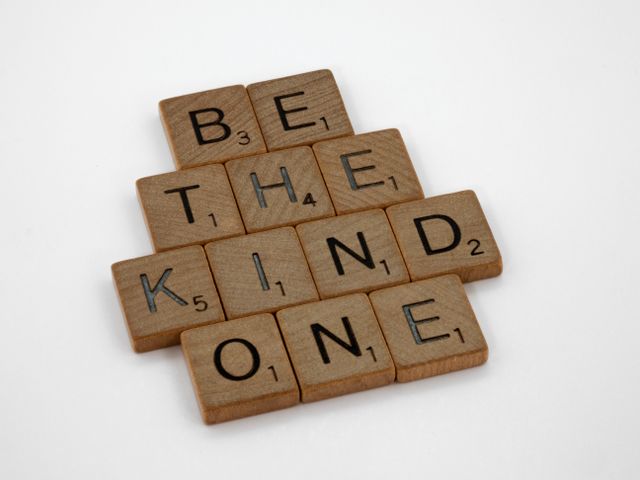
World Kindness Day lands on Friday, 13 November 2026, right in the middle of Term 4. Classrooms are winding down, the holidays are close, and families have room to try something new. It’s a good moment to start a habit that lasts.
Children rarely learn generosity from a lecture. They pick it up by doing small, kind things again and again, watching how adults treat other people, and talking about what happened afterwards. Giving also covers far more than money. Time, attention, a kind word and a helping hand all count.
This age-by-age guide walks through practical ways for Australian parents, carers and teachers to build empathy and generosity, from toddlers right through to Year 12.
What Is World Kindness Day 2026 and Why Does It Matter for Australian Families?
World Kindness Day is observed internationally on 13 November each year. It encourages people to act with compassion and consideration, and it works well as a prompt for conversations at home and at school.
In 2026 it falls on a Friday. That suits school activities during the week and a family project over the weekend. Kids can write encouraging notes, thank someone who helped them or join a simple community job, such as tidying a local park.
It also opens the door to bigger conversations about charity and community. Dropping items at a food relief collection, helping an elderly neighbour with the bins or baking for a new family on the street all show kids that kindness turns into action.
None of it needs to be expensive or complicated. A thoughtful chat or a small gesture teaches the same lesson, and every child can take part regardless of age or family budget.
Why Teaching Children Kindness and Generosity Should Start Early
Children start reading emotions long before they can explain them. Through everyday moments like comforting a sibling or helping with the dishes, they learn that their actions affect other people.
Early practice builds the base for good friendships and considerate behaviour later on. Adults carry most of the weight here. Kids watch how you talk to the barista, settle an argument and respond to someone doing it tough. Modelling kind behaviour for children usually teaches more than telling them to be generous.
Patience matters too. Empathy develops slowly. A three-year-old who grabs a toy back isn’t being selfish, they’re being three. Calm explanations, regular chances to practise and plenty of encouragement build these skills over time.
Families who make giving a normal part of the week tend to see the habit carry into the teenage years and beyond.
How to Teach Kids About Giving at Every Age
A toddler understands kindness through gentle action. A teenager can weigh up causes, research charities and make real decisions about where their time and money go. An age-by-age guide to teaching generosity matches the activity to where the child is at.
Younger children need demonstrations and simple routines. Older kids can handle discussion, planning and a say in what the family supports. Whatever the age, keep giving voluntarily and keep it respectful. Kids who understand the purpose and help choose the activity engage far more than kids who are simply told what to do.
Remember, too, that generosity isn’t only about donations. Carrying a bag, including a classmate in a game or writing a kind message all count as giving.
Ages 2 to 3: Teaching Toddlers Kindness Through Everyday Actions
Toddlers are only beginning to name feelings, and sharing is hard at this age. Teaching empathy to toddlers works best through short, repeated actions and gentle guidance.
Let them help put toys away, hand over a tissue or carry a light item to the table. Read picture books about friendship and pause to ask how a character feels. Don’t expect them to give up a favourite toy. Show sharing during play instead, and introduce turn-taking when they’re ready.
Narrate what you see. “Your friend looks sad because they’re waiting for a turn. Shall we find something you can play with together?” That links a feeling to a kind response without piling on pressure.
Small jobs also give toddlers the satisfaction of contributing to family life, which is where teaching generosity to toddlers really starts.
Ages 4 to 5: Fun Kindness Activities for Preschoolers
Preschoolers love imaginative play, craft and helping adults, so use all three. Handmade thank-you cards for family, educators or community helpers show that appreciation can be made and given. A kindness tree activity for home or kindy works well, with each paper leaf marking a caring act.
Roleplay is just as useful. Kids can pretend to comfort a friend, welcome someone new or help a person who has dropped their shopping. Talk through the feelings afterwards and explain why each action helped.
Australian early childhood educators already build this into group time and storytelling through the Early Years Learning Framework, which puts relationships and wellbeing at the centre. Parents can borrow the same approach at home.
Keep teaching, sharing and being flexible and positive. Praise effort, offer simple choices and let generosity feel like the child’s own idea.
Ages 6 to 8: Teaching Primary School Children to Share and Give
Early primary students care a lot about fairness and friendship, which makes this a great stage for kindness lessons in primary school.
A classroom kindness wall is a simple start. Students add drawings or messages about someone who included them, helped them or showed patience. At home, let your child help pack a small donation of books, clothes or toys for a local community group, and explain who might use them.
Random acts of kindness suit this age well. Welcome a new classmate, tidy a shared space or write a thank-you note to a teacher. None of it costs a cent.
Building empathy in primary school children comes down to the questions you ask. Instead of simply praising, ask, “How do you think she felt when you helped?” That shifts attention from the reward to the other person’s experience.
Ages 9 to 12: Encouraging Children to Understand Charity and Community Needs
Older primary kids start noticing that some families have it harder than others. Use that curiosity for teaching charity to young children in an honest, age-appropriate way.
Explain that charities support people facing things like financial hardship or food insecurity, and that people receiving help are capable and deserve respect.
This age group also enjoys running things. A small fundraiser, a school collection or choosing items for a donation box teaches planning, teamwork and responsibility. Our guide to charity fundraising ideas in Australia has plenty of starting points that suit families.
Listen to their questions and let them reach their own conclusions. Kids who help decide where their effort goes feel more connected to why it matters.
Ages 13 to 15: Helping Young Teenagers Develop Compassion and Social Responsibility
Early teens want independence and care deeply about their friends. They’re also starting to notice bigger issues like the environment, animal welfare and disadvantage.
Teaching teenagers generosity at this stage means helping them link their interests to action. Kindness ideas for adolescents include backing a school inclusion initiative, mentoring younger students, joining a community clean-up or helping with a supervised fundraiser.
Friendships matter most here, so kindness often looks like standing up to exclusion, listening properly and checking in on a mate who’s struggling. Many Australian schools offer student leadership groups and wellbeing programs where teens can practise this.
Choice is the key. Encouraging altruism in young people works when they pick the cause themselves.
Ages 16 to 18: Empowering Teenagers Through Volunteering and Charitable Giving
Older teens can take real responsibility. They can volunteer, organise events and make considered decisions about their own money.
Youth volunteering initiatives such as environmental projects, community events, mentoring and fundraising build leadership and practical skills. Organisations set their own minimum ages, consent rules and supervision requirements, so confirm eligibility first.
Teens can also research charities, find out how donations are spent and decide which causes match their values. Many are working on a tight budget, so the guide on how much to donate as a young person offers realistic advice on giving what they can.
Raising caring teenagers means respecting their independence while staying available to talk. Ask what they learned from an experience and let them lead the reflection.
Simple World Kindness Day Activities for Kids to Try at Home
Simple routines last longer than elaborate projects. Start the day by having everyone name something they appreciate about another family member. Kids can write encouraging notes, help cook dinner, pitch in with chores or call a relative who’d love to hear from them.
A family kindness calendar works well too. Each day carries one small action, like thanking someone, helping with a task or doing something thoughtful for a friend. Kindness challenges for families add a bit of teamwork. Pick one helpful job to do together, such as sorting donations or tidying a neighbourhood park.
Match the activity to the child. A kid who loves drawing can make appreciation cards. A nature-lover might prefer looking after a local green space.
Daily acts of compassion show children that generosity belongs to ordinary days, not only special occasions.
Creative Kindness Activities for Australian Schools and Classrooms
World Kindness Day 2026 gives teachers a ready-made hook for lessons on empathy and cooperation. A classroom kindness tree lets students record helpful acts on paper leaves. Collaborative artwork can celebrate friendship, inclusion and respect.
Kindness journals for children encourage reflection. Students write or draw about a time they helped someone, received kindness or noticed a thoughtful gesture. Younger students get a lot from storytelling and roleplay, while older ones can discuss peer support and what to do when someone is left out.
These activities line up with the Personal and Social Capability in the Australian Curriculum, which covers empathy, relationships and social awareness.
Keep participation inclusive. Never single out a child as someone who needs charity. The goal is a classroom where kindness is practised respectfully every day.
How to Explain Charity and Donations to Young Children
Kids ask why some people need help and what charities actually do. Plain, respectful answers work best. For younger children, say that communities work together so everyone can get things like food, clothing and education.
Real examples help. Mercy Ships Australia is one such charity, and its hospital ships bring free surgery to people in Africa who otherwise couldn’t get it. Older children can look at a charity’s website with you and talk about who it helps and how.
Showing kids how to check a charity is a useful skill. The Australian Charities and Not-for-profits Commission runs a public register of charities where families can look up an organisation before donating.
Stories can make the idea real for a child. Reading about how children’s surgery in Africa gives kids a second chance shows what a donation can do, as long as you tell it with dignity and without making kids feel scared or guilty.
Teaching kids about donating money can start with a small, voluntary share of pocket money. Make clear that giving time and attention is just as valuable. When you talk about hardship or homelessness, stress that people going through a tough time deserve dignity and practical support. The aim is empathy, not guilt.
Teaching Kids to Donate Toys, Clothes and Other Useful Items
Donating belongings is an easy first step into charitable giving with family. Kids see that something they’ve outgrown can be useful to someone else.
Respect your child’s attachment to their things. Don’t ask them to hand over a favourite. Invite them to find what they’ve outgrown or stopped using. Let them help sort and check each item, so they learn that good giving means thinking about the person on the receiving end.
Family Volunteering Opportunities and Community Projects in Australia
Volunteering together gives families a shared experience and shows children how communities work. Community gardens, environmental clean-ups, neighbourhood events and local fundraisers often welcome families. Some groups also need help packing materials or supporting supervised projects.
To find something near you, try your local council, community centre or state volunteering body. Volunteering Australia is a solid starting point for finding opportunities.
Where age limits rule out hands-on volunteering, such as at some food relief organisations, kids can still help through donation drives or fundraising. Before signing up, check the organisation’s policies, supervision arrangements and whether the role suits children.
The best opportunities let kids see why their effort matters. Talk it through afterwards. Ask what they noticed and who they think it helped.
How Australian Families Can Make Giving Part of Everyday Life
Kids learn most from what they see all year, not from one special day. Stay patient during disagreements, help a neighbour and speak respectfully about people whose lives look different from yours.
Give children real jobs, too. Setting the table, caring for the family pet or helping a younger sibling builds responsibility and consideration.
A regular family giving tradition makes it stick. You might support one local charity each term or pick a cause to learn about together. Families who want to go further can read about multi-generational giving in Australia and how values pass from one generation to the next.
Giving doesn’t need big money. Small, steady actions show kids that everyone has something to offer. Respect their limits as well. Generosity should never mean ignoring their own wellbeing or feeling responsible for fixing problems far beyond their control.
Teaching Empathy, Gratitude and Emotional Intelligence Through Kindness
Empathy means understanding how someone else feels. Gratitude means noticing what others have done for you. Together they drive caring behaviour.
Build emotional awareness through everyday questions. “How do you think your friend felt?” and “What could we do to help?” prompt kids to see things from another angle. Gratitude grows when children thank teachers, appreciate family and notice the people who keep the community running, like bus drivers, nurses and the crew at the local pool.
Younger kids explore feelings through stories, drawing and roleplay. Older ones can talk about fairness, inclusion and how their actions affect friendships.
Building emotional intelligence in children takes patience. They’ll react impulsively, misread situations and struggle for words. Treat those moments as chances to guide, not to criticise.
Making Kindness Activities Inclusive, Enjoyable and Pressure-Free
Every child shows care differently. Personality, disability, communication style, cultural background and family circumstances all shape how a kid gives. Offer more than one way to take part. A child who hates speaking to a group might draw a card, help quietly or add to a shared project.
Don’t tie kindness to money. Kids from families on tight budgets should never feel they have less to give.
Teaching kindness without expectation means valuing the act itself, not the praise or prize that follows. Encouragement is fine, but avoid turning generosity into a competition. Kids start chasing recognition and lose sight of the person they’re meant to be helping.
Kind kids also need boundaries. Being kind doesn’t mean saying yes to every request, sharing every possession or putting up with behaviour that makes them uncomfortable. Compassion-focused parenting respects that.
Creating a World Kindness Day 2026 Family Giving Challenge
A family challenge turns the day into a shared project. Plan a week of small activities around Friday, 13 November. Open with something simple, like telling someone at home what you appreciate about them. Follow with a thank-you note, a household job or inviting someone new into a game.
Later in the week, learn about a local charity, choose items to donate or join a community project. Adjust each task to your kids’ ages and what you have available.
A family kindness calendar lets children track progress without turning it into a race. Little ones can add drawings, and older kids can jot down what they learned. You could also write a family generosity pledge, such as one thoughtful act each week or a regular chat about who needs support.
Skip the scoreboard. The point is meaningful participation, not completing the most tasks.
How to Keep Raising Generous Children Beyond World Kindness Day
The real payoff comes from what you keep doing after 13 November. Make kindness a regular dinner-table topic. Ask what thoughtful thing each person noticed that day, and kids start spotting generosity everywhere.
As children grow, hand them more responsibility. A preschooler might start by helping at home, while an older child could back a school fundraiser or join an age-appropriate volunteering program. Let them pursue causes they care about, whether that’s animals, the environment, education or their local area. Genuine interest keeps them engaged.
Teenagers need more freedom to choose projects, organise activities and reflect on results.
Don’t expect perfection. Kids will have off days, and empathy grows through experience, not through flawless behaviour.
Final Thoughts …
Small acts add up. From toddlers learning to name feelings to teenagers taking on volunteering and charitable giving, every stage of childhood offers a chance to build compassion. Choose activities that suit your child’s age, and let them take part because they want to.
This World Kindness Day, pick one simple act and let your child decide how to do it. Then keep going. Run the family challenge, talk about it at dinner and look for one local cause your household can support through the term. That one step is how a single day becomes a habit.
FAQs
When is World Kindness Day 2026 celebrated in Australia?
World Kindness Day is celebrated across Australia on Friday, 13 November 2026. It serves as a fantastic opportunity for Australian families and schools to engage children in practical, everyday acts of generosity and empathy.
How can I teach my toddler about giving back?
For toddlers aged 1 to 3, keep concepts visual and practical. Encourage them to place a tin of non-perishable food into a local community pantry or take part in donating pre-loved toys to Australian charities like The Salvation Army or Vinnies.
What are the best World Kindness Day activities for Australian primary school pupils?
Primary school children love hands-on challenges. Popular classroom and home activities include creating a “kindness chain” with paper links, decorating “kindness rocks” to leave in local parks, or writing appreciation notes to school staff and emergency workers.
How do I explain charity and donation to a young child?
Explain charity as “sharing what we have with people who need extra support.” Use simple, relatable examples, such as giving warm blankets to animal shelters or donating toys so every child gets to play.
At what age should I start teaching my child about empathy?
Empathy building starts in infancy through responsive caregiving. By ages 2 to 3, children can begin identifying basic emotions in others and practising simple supportive acts, such as offering a cuddle or sharing a toy when a friend is sad.
How can Australian teenagers participate in World Kindness Day?
Teenagers can take part by organising school fundraisers, volunteering at local community centres, participating in beach or bushland clean-ups, or supporting youth mental health initiatives like headspace through awareness campaigns.
How does teaching kindness align with the Australian Curriculum?
Teaching generosity and empathy supports the Personal and Social Capability strand of the Australian Curriculum. It builds self-awareness, social awareness, and ethical understanding in students from Early Years through to Senior Secondary levels.
What is the difference between sharing and true generosity in early childhood?
Sharing is often done because an adult asked for it, whereas true generosity comes from a child actively wanting to make someone else happy. Modelling generous behaviour at home helps children shift naturally from compulsory sharing to genuine giving.
How can families practice random acts of kindness on a budget?
Generosity does not require spending money. Families can bake biscuits for neighbours, leave encouraging sidewalk chalk messages near community playgrounds, or offer to walk a neighbor’s dog.
How do I handle my child refusing to donate their old toys?
Never force a child to give away personal items, as it can create anxiety around giving. Instead, involve them in choosing which toys stay and which ones go to help another child, praising their choice when they decide to let an item go.
What are effective ways to teach generosity to preschoolers?
Preschoolers learn best through play and roleplay. Use stuffed animals or puppets to model sharing, read storybooks about kindness, and create a “kindness jar” where you drop a marble every time someone at home does a thoughtful deed.
How can Australian schools foster a culture of kindness on World Kindness Day?
Schools can set up a “Buddy Bench” in the playground, host a whole-school dress-up or gold coin donation day for a chosen charity, or run student-led compliment circles during morning registration.
Can volunteering help build social and emotional skills in children?
Yes, volunteering fosters resilience, gratitude, emotional intelligence, and social connection. It teaches young people to look beyond their immediate circle and understand different perspectives within their local community.
How do I encourage my adolescent to stay kind in online spaces?
Discuss digital citizenship early. Encourage teenagers to practise “cyber kindness” by leaving positive comments, calling out online bullying, and avoiding snarky or harmful banter on social media platforms.
How can I teach my child gratitude along with generosity?
Gratitude and generosity go hand in hand. Practise daily reflections at dinner or bedtime by asking everyone to name one good thing that happened and one kind deed they saw or did that day.
Is it okay to reward children for being kind?
While short-term praise or reward charts can help establish habits in young children, the ultimate goal is intrinsic motivation. Focus your praise on how their action made the other person feel (e.g., “Look how happy Sarah was when you shared your crayons!”).
How can I teach my child about homelessness in a gentle way?
Frame the conversation around housing security and basic needs. Explain that everyone needs a safe place to live, and involve your child in collecting toiletries or warm socks for local community shelters.
What role does parent modelling play in raising generous children?
Children absorb social cues by watching their parents. When children see you helping neighbours, holding doors open, speaking politely to retail staff, and donating regularly, kindness becomes their natural baseline.
How can we mark World Kindness Day if we live in regional or rural Australia?
Rural families can show kindness by supporting local farmers’ markets, sending thank-you cards to rural fire service volunteers, or checking in on isolated community members.
What are some kindness activities for children during Australian school holidays?
You can create a “Holiday Kindness Calendar” filled with simple daily goals, such as making morning tea for family members, planting seeds in the garden, or baking treats for emergency workers.
How does practising kindness benefit a child’s mental health?
Engaging in acts of kindness releases endorphins and oxytocin, boosting mood and reducing stress. It builds a sense of belonging, self-worth, and optimism in growing children.
How can kids participate in environmental kindness?
Remind children that kindness extends to the planet. Participating in local Clean Up Australia Day events, picking up rubbish at the local beach, and reducing household waste are great ways to practice environmental consideration.
Where can Australian parents find educational resources for World Kindness Day?
Parents can access free worksheets, activity packs, and reading guides through Australian educational platforms such as Teach Starter, Twinkl Australia, and the World Kindness Australia organization.
Recent Comments